
Do you know why your cup of Arabica coffee tastes sweeter and richer compared to other brews? The expensive, high-quality coffee beans available in the market are mostly Arabica coffee, as you may have seen ‘100% Arabica coffee’ on the packaging of coffee. There are various factors that make Arabica coffee different.
The growing conditions of the coffee cherries of Arabica, like soil, shade, altitude, and traditional farming practices, make it different from other types of coffee. Let us explore the various factors that affect the taste of Arabica coffee.
What is the taste of Arabica coffee?
Coffee brewed from Arabica coffee tastes sweeter than other types of coffee and has more demand globally. The coffee connoisseurs and roasters who want a unique flavour prefer Arabica coffee. The flavors of Arabica coffee grown in high-altitude regions range from citrussy, fruity, and chocolatey to spicy. The brewing method, roasting level, geographical origin, and the freshness of the coffee beans contribute to the flavour and taste of the Arabica coffee.
Climate
The ideal climate conditions to grow Arabica coffee are cool temperatures, consistent rainfall, and under the shade of native trees. Furthermore, Arabica coffee thrives at higher altitudes in Ethiopia. The altitude, temperature, and persistent rainfall, combined with the nutrient-rich soil in regions like Sidamo, Yirgacheffe, and Harrar, provide the favourable conditions for the Arabica coffee plant. Complex chemical compounds of acids and sugar develop in the coffee cherries of the Arabica plant in the high-altitude region of Ethiopia.
Processing method
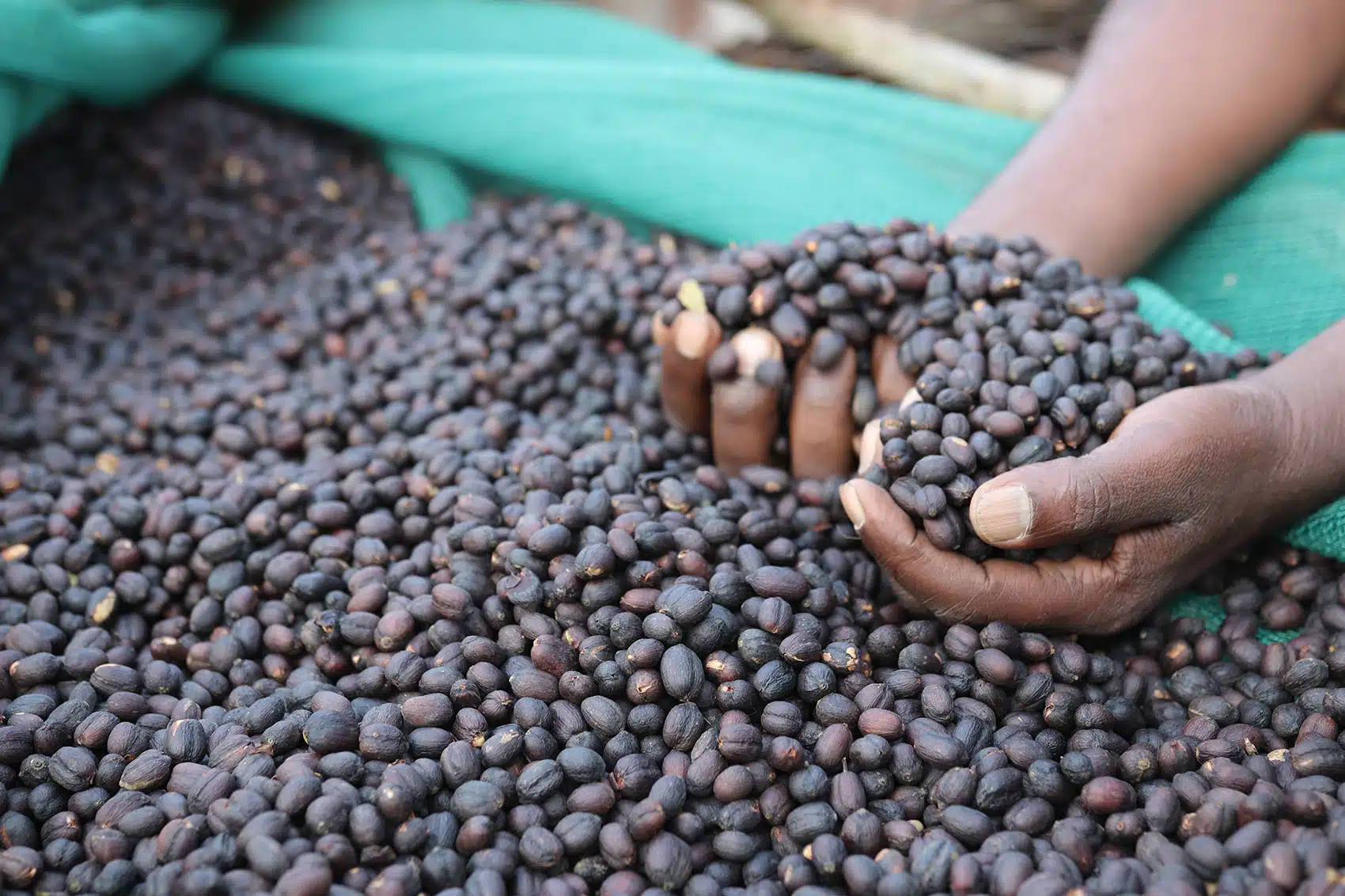
Ethiopian coffee producers practice traditional coffee processing methods that give a unique flavour profile to the coffee. The dry-processed coffee beans provide fruity and wine-like flavours to the coffee, and the washed Arabica coffee beans provide citrus and floral notes to the coffee.
Self-pollination
The Arabica coffee plants grown in high altitudes and cooler climates are self-pollinating, leading to more genetic consistency. This allows smallholder farmers in Ethiopia to focus on maintaining the flavour quality. Heirloom Arabica varieties are grown under shades that provide a consistent taste to your coffee cup.
Chlorogenic Acid (CGA) Content
Chlorogenic acids are natural antioxidants present in coffee beans that determine the acidity and bitterness of the brewed coffee. The chlorogenic acid content of Arabica coffee beans is about 5.5 to 8%, which is less than the CGA of Robusta beans.
The change in CGA content in different coffee types affects the overall flavor of the coffee. Since the concentration of CGA is lower in the Arabica type, it is sweeter in taste.
Lipid & Sugar Content
Arabica coffee beans are relatively sweeter, with more than 60% lipid and sugar content compared to Robusta beans. These components in the coffee bean contribute to the flavour development in the coffee.
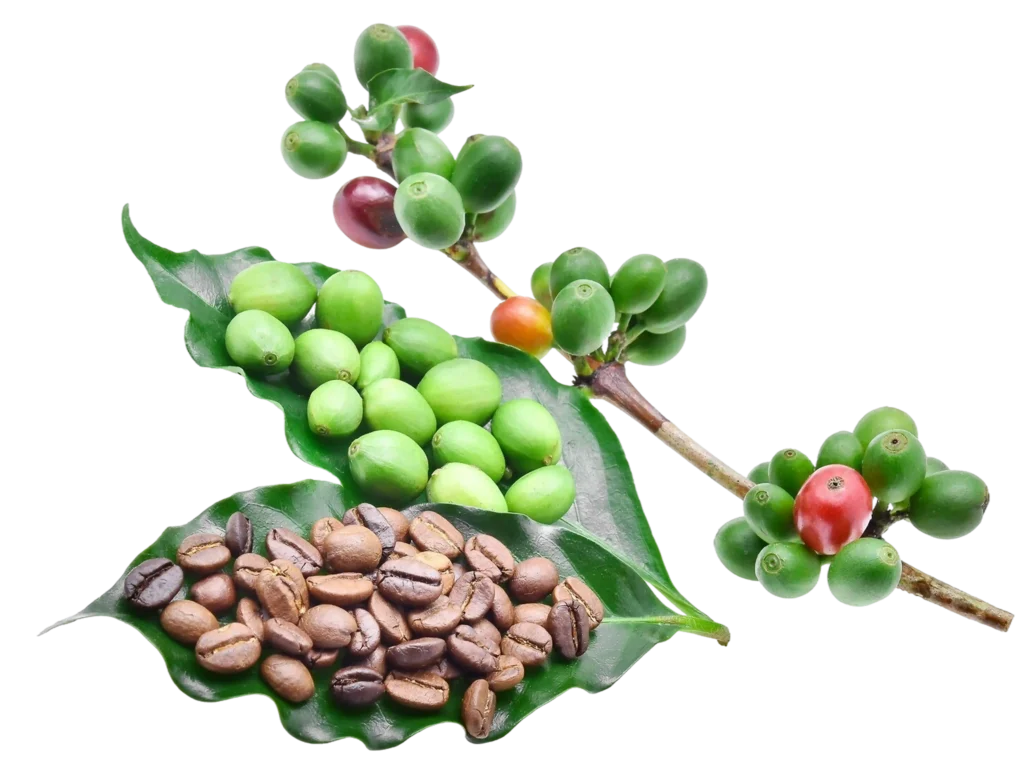
The lipids in Arabica coffee beans enhance their aroma, and the sugars present in them caramelise during the roasting process, providing sweet, fruity, and chocolatey notes to the coffee.
Farming Practices
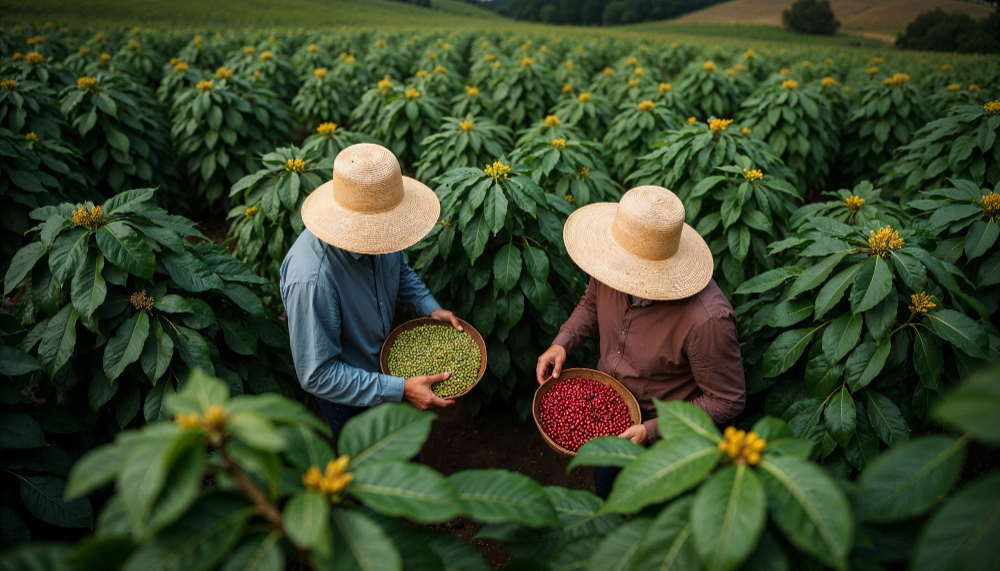
The Arabica coffee plants are more sensitive to changes in rainfall and climate conditions, which affect the yield. In Ethiopia, smallholder farmers hand-pick and sort ripe coffee cherries, ensuring that coffee exporters in Ethiopia deliver only the highest-quality Arabica beans to global markets. Only the ripest cherries are selected in Ethiopia for coffee processing, which improves the quality of Arabica coffee beans.
Low caffeine and acidic content
Arabica coffee beans contain only half the amount of caffeine compared to Robusta type, leading to less bitterness in your coffee cup. As the concentration of caffeine is lower and the sugar level is higher in Arabica coffee beans from Ethiopia, it gives a well-balanced flavour to your favourite coffee.
Arabica coffee plant characteristics
The Arabica coffee plants that are shade-grown are short in height and produce high-quality beans, even though the yield is low compared to Robusta. Moreover, these plants are more sensitive, as they are vulnerable to diseases and pests.
The farmers cultivating Arabica coffee beans have to focus on careful cultivation and selective harvesting, such as picking the ripest coffee cherries. The lower yield and traditional labour-intensive practices in places like Ethiopia favour quality over mass production.
Factors to consider while purchasing Arabica Coffee
- Try to buy single-origin coffee, as the coffee beans harvested from the same field give more flavour to your cup.
- Buy organic Arabica coffee processed using traditional practices
- Purchase Arabica coffee beans from coffee roasters, as you can receive fresh, delicious beans
- Consider purchasing whole coffee beans to get the complete flavour of coffee, as ground coffee can lose its essence
Conclusion
The unique taste of Arabica coffee comes from the chemical composition, growing conditions, and centuries of tradition. Handpicking of ripe cherries and traditional processing methods ensure a quality and authentic cup of Arabica coffee.
The high-altitude coffee growing regions of Ethiopia and the farming practices make it a perfect source of premium Arabica coffee. Roasters and retailers all around the world source beans from coffee exporters in Ethiopia for the unique flavour of Arabica coffee.