
Is your coffee grinder wearing out faster than you thought it would? Coffee grinders are machines that crush roasted beans into fine grounds, but they play a crucial role in the taste and flavour of the coffee. Using coffee grinders carelessly and not maintaining them can shorten their life.
Many coffee lovers ignore the hidden risks that decrease the lifespan of the machine. Coffee exporters from Ethiopia deal with these risks on a larger scale effectively. Let us understand the ways to protect coffee grinders for enjoying a quality cup of coffee.
Moisture in Coffee Beans
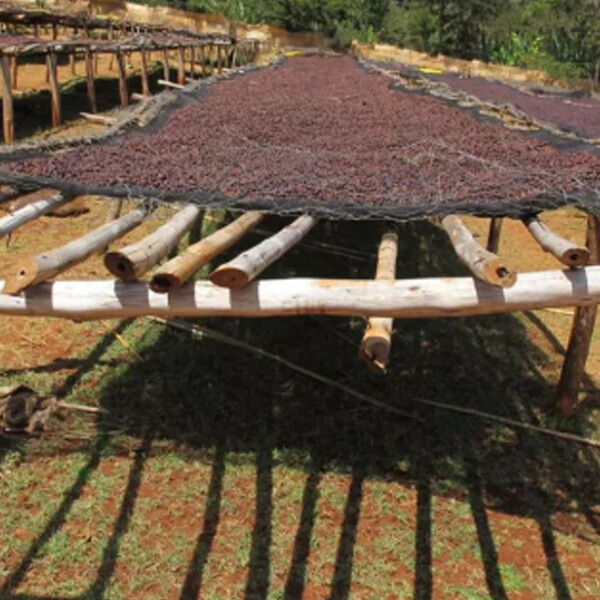
Moisture content in the coffee beans that are about to be ground can affect the efficiency of the machine. The coffee beans absorb water from the humid air and become sticky and soft. Grinding of beans with moisture content can cause clumping inside the chute. Also, it puts extra load on the motor and leaves sticky residues on the burrs.
Always store the coffee beans in airtight containers to avoid this risk. Also, keep the beans away from areas where there is high moisture content. You should air-dry the coffee beans before grinding if you notice moisture content in them.
Foreign Objects in the Beans
Coffee beans may contain unwanted objects like stones, small pieces of wood, or tiny metal particles. These foreign objects can enter coffee beans during picking or drying. A small stone can make the grinder unusable.
So, try to inspect the beans when you open a new bag and pour beans into a tray for a quick visual check. If you hear any unusual sound, then suddenly stop grinding.
Poor Milling Practices
Coffee beans can heat up and lose quality if it is overpolished. Leftover husks or dust can reach the grinders if it is improperly hulled or not cleaned well. Coffee exporters from Ethiopia keep the polishing light and clean the coffee beans properly.
It is advised to buy beans from a trusted roaster who sources beans from reliable exporters. And, know about the milling and cleaning practices and standards in the traditionally processed coffee beans.
Improper Storage and Shipping
The coffee beans have to travel long distances before reaching your grinder. Poor storage and shipping conditions expose the beans to moisture, heat, and odors. Moisture causes clumps while grinding, heat leads to staleness, and odors affect the flavor. Once you open the bag, reseal the bag tightly and keep the beans in a cool, dark, and dry space.
Lack of Regular Cleaning
Coffee beans naturally contain oils and fines that build up in the jar, causing sticky burrs and blocked motors. Ignoring the cleaning process shortens the grinder’s life and affects the quality of your brew.
After each use, it is important to clean the burrs and wipe the hopper of the coffee grinder. Also, you can use cleaning pellets formulated to clean the grinders monthly. Checking the alignment of the burrs of the grinder is also equally important.
Overusing Grinder
Grinding the coffee beans in large amounts without breaks can overheat the motor, wear the bearings, and reduce their lifespan. You have to grind only the specific amount of beans according to the capacity of your grinder. For big batches, grind it into smaller portions.
Misaligned Burrs
With time, the burrs of the grinder become blunt, and the coffee grinder won’t grind the beans properly. You should check whether the burr has dull edges or not. If it is worn, consider replacing it. Also, align the burrs after moving or cleaning the grinder.
Coffee Dust
Fine coffee dust can clog the grinder parts. To prevent it, you should keep the grinder clean and use dust collection mechanisms if you are grinding beans on a large scale for business purposes.
Electrical Issues
Coffee grinders require steady power. Power issues like voltage variations, poor wiring, or overloaded circuits can burn out the motor and damage your grinder. Coffee exporters in Ethiopia use regulated electricity for the safety of machines.
Use voltage stabilizers to protect your grinder from fluctuating power supply and avoid sharing the same circuit with heavy appliances.
Tips to Take Care of Your Coffee Grinder
Here are some simple tips that you can follow to extend the life of your grinder.
- Check coffee beans before grinding: Inspect the coffee beans for any foreign particles like stone or metal visually, as these can cause damage to your grinder.
- Store beans properly: Always keep the beans in airtight containers to protect them from heat and moisture.
- Clean coffee grinder regularly: Remove bean residue from the burrs, wipe the hopper, and clear the fine dust of coffee after each use.
- Do not overload the coffee grinder: The volume of coffee beans should not exceed its capacity, as specified in the user manual. Too much grinding overheats the motor and reduces its life span.
- Check for unusual sounds: If your coffee grinder makes unusual noises or grinds unevenly, stop grinding and check.
Conclusion
The efficiency of the coffee grinder you use is as important as the quality of coffee beans. So, ignoring these factors can reduce the lifespan of your grinder and affect the flavour and aroma of the brewed coffee. Proper care and maintenance are important to improve the lifespan of the coffee grinder. You can enjoy a flavourful cup of coffee and reduce the maintenance cost of the grinder if you follow the right maintenance habits.