Arabic coffee, or qahwa, is more than a beverage—it is a centuries-old tradition deeply woven into Middle Eastern hospitality. Unlike Western coffee, Arabic coffee is brewed with a blend of spices that infuse the drink with warmth, fragrance, and cultural identity. These spices not only enhance flavor but also symbolize generosity, refinement, and connection. Let’s explore the top five spices that define the authentic taste of Arabic coffee and why they remain timeless essentials in Arab households.
1. Cardamom: The Heart of Arabic Coffee
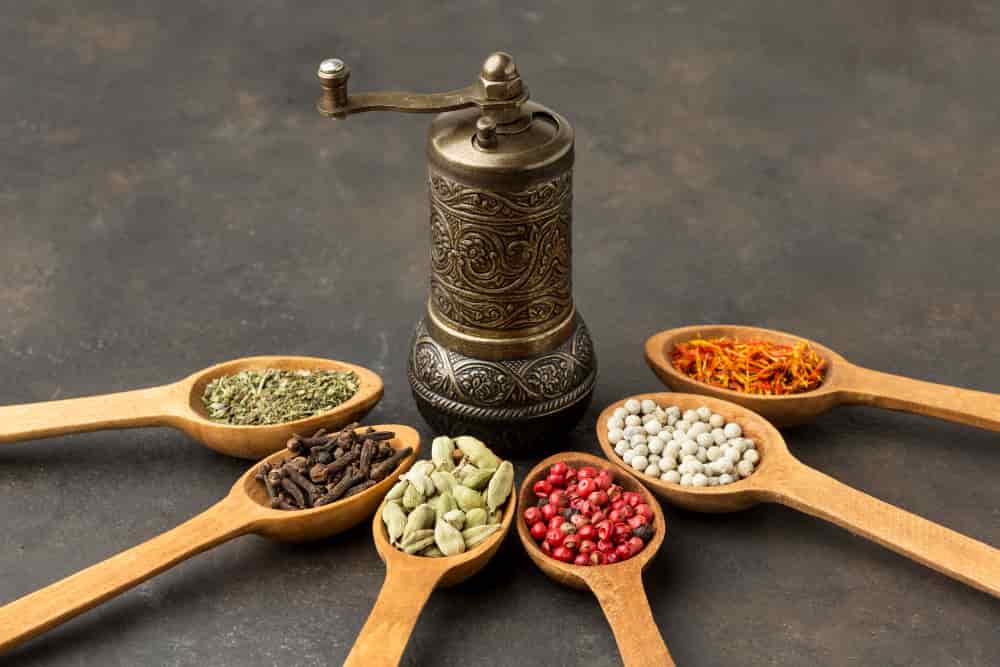
Cardamom is undoubtedly the soul of Arabic coffee. Known as hail in Arabic, this aromatic spice gives the beverage its signature floral and slightly citrussy aroma. Green cardamom pods are lightly crushed and added during the brewing process, allowing their oils to infuse the decoction with a delicate yet distinctive richness.
Cardamom is cherished not just for its flavor but also for its cultural symbolism. In Arabian tradition, serving coffee laced with cardamom is a gesture of respect toward guests. The spice also aids digestion and refreshes the breath, making it perfect for long social gatherings.
2. Saffron: A Touch of Royalty
Saffron, extracted from the stigma of the Crocus sativus flower, brings a golden hue and subtle sweetness to Arabic coffee. Used sparingly, a few strands can transform both the color and aroma of the drink. In Gulf countries, especially in Saudi Arabia and the UAE, saffron-infused coffee is considered an expression of luxury and prestige.
Historically, saffron was reserved for royal families and important ceremonies. Today, it continues to be used during festive occasions and family gatherings, embodying elegance and warmth. Its antioxidant properties also add to its appeal, offering a gentle health boost alongside its flavor.
3. Cloves: The Deep and Spicy Accent
Cloves add a bold, slightly peppery profile to Arabic coffee. These tiny buds are packed with essential oils that provide a warm and aromatic bite, complementing the milder tones of cardamom and saffron. Because of their strength, cloves are used in moderation—just one or two buds per pot are enough to achieve a beautifully balanced taste.
In addition to enhancing flavor, cloves carry health benefits such as relieving cold symptoms and freshening breath. This makes them an excellent companion for coffee served in winter gatherings or after heavy meals.
4. Cinnamon: The Comforting Warmth
Cinnamon is another spice that enriches the depth of Arabic coffee. Ground or in sticks, it offers a comforting sweetness that balances bitterness in the beans. Some regions, especially in Yemen and Oman, use cinnamon more generously, creating a slightly spiced coffee blend that evokes a feeling of cozy warmth.
Beyond taste, cinnamon also represents harmony and hospitality. Its inviting aroma often signals the start of a celebration, and its natural sweetness makes it a favorite for guests who prefer a mild and smooth coffee experience.
5. Ginger: The Zesty Kick
Ginger adds an invigorating kick to Arabic coffee, providing a spicy contrast to the earthy tones of roasted beans. It’s particularly popular in regions along the Arabian Sea, where ginger’s stimulating qualities are appreciated for boosting alertness and aiding digestion.
In traditional Bedouin communities, ginger coffee was often served to travellers for its energizing and restorative effects after long journeys. Today, it remains a flavorful reminder of that nomadic heritage, perfect for modern coffee lovers seeking a lively twist in their cup.
A Blend of Culture and Craft
Each of these five spices—cardamom, saffron, cloves, cinnamon, and ginger—brings a distinct note to Arabic coffee, creating a multi-layered taste that reflects the diversity of Arab culture. The beauty of qahwa lies in balance: each household or region may have its own variation, yet all share the same spirit of generosity and tradition.
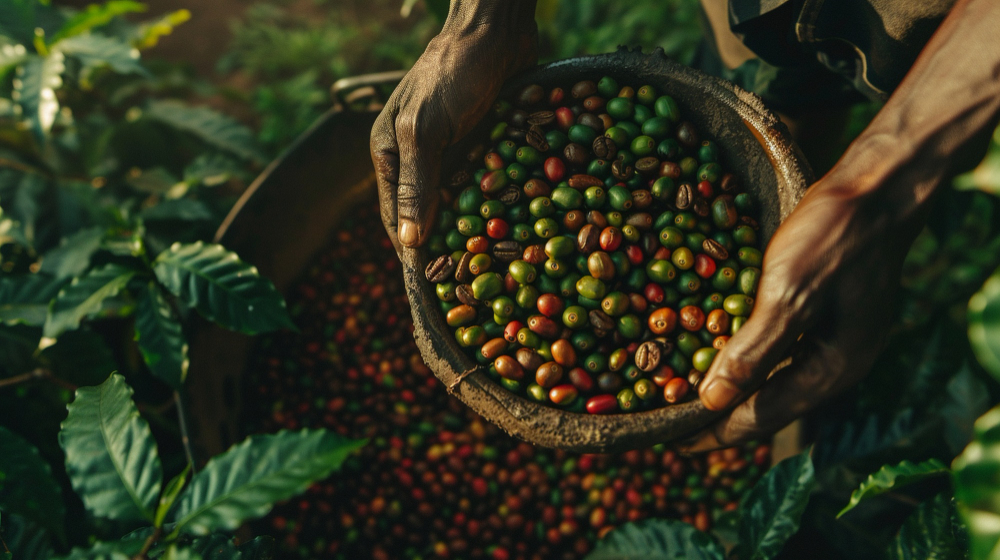
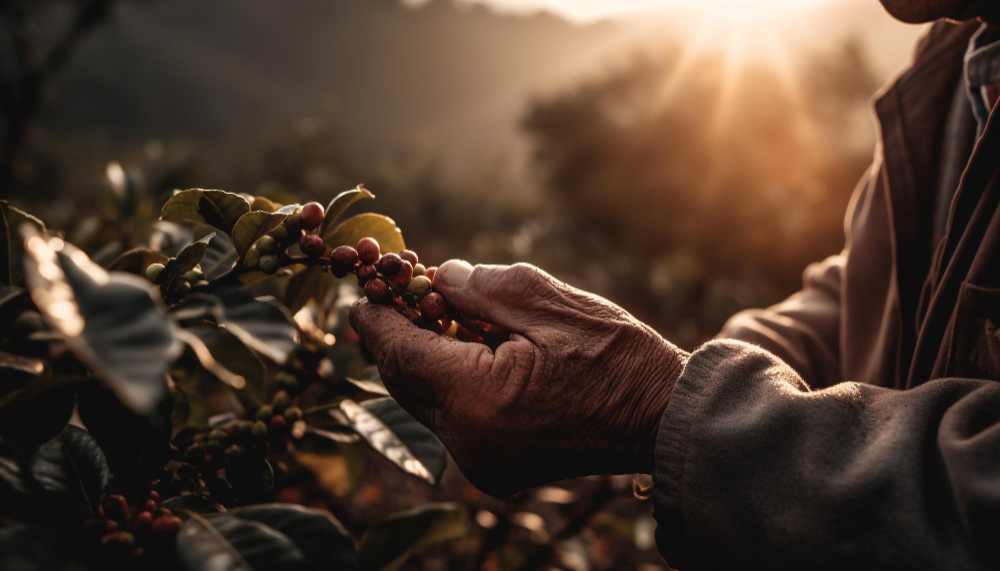
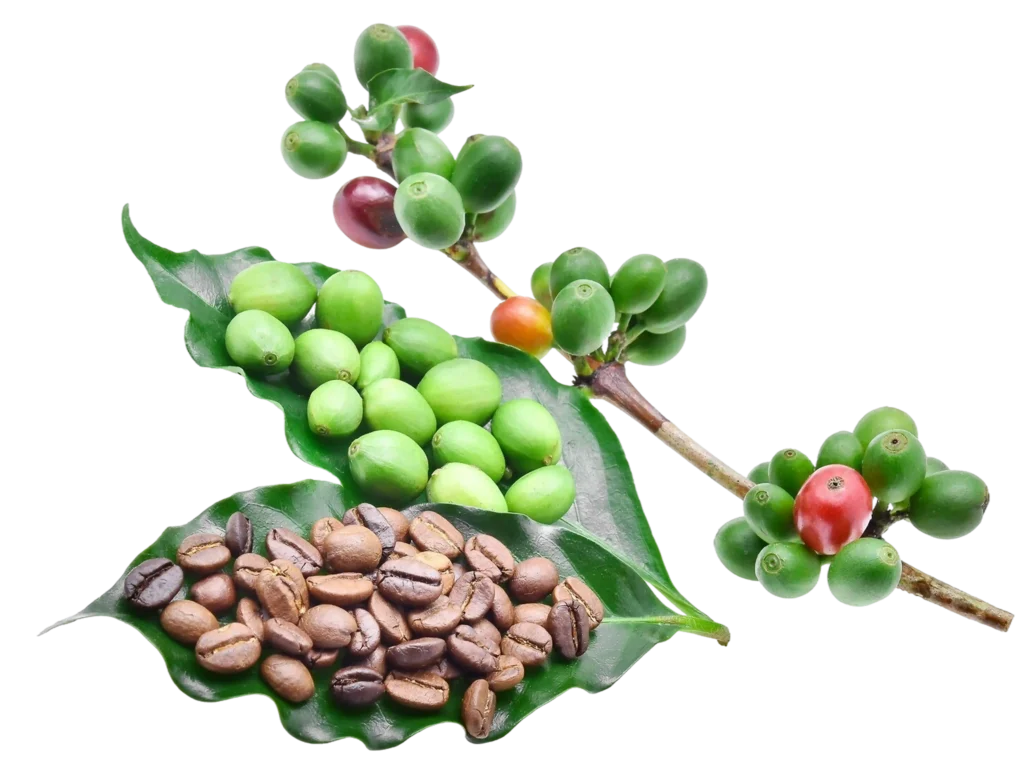
For those in the coffee trade, especially those sourcing beans from Africa and the Middle East, understanding these spice combinations is key to appreciating what makes Arabic coffee unique. Many blends start with high-quality beans, some imported directly from African nations like Ethiopia, a leading coffee exporter in Ethiopia known for producing aromatic and flavour-rich varieties ideal for spiced coffee traditions.
Arabic coffee stands as a bridge between heritage and hospitality—a drink that tells stories with every sip. Whether enjoyed in a small dallah pot or shared among friends, the spices within it continue to celebrate the rich cultural harmony of the Arab world.