What if the rich aroma of freshly harvested coffee faded before reaching its destination? Coffee faces many challenges during long-distance shipping, such as heat, humidity, delays, and improper packaging.
Protecting the quality of every shipment is essential for Ethiopian coffee exporters to maintain global trust and deliver the taste buyers expect. Understanding how to safeguard coffee during transit is the key to keeping every coffee batch fresh.
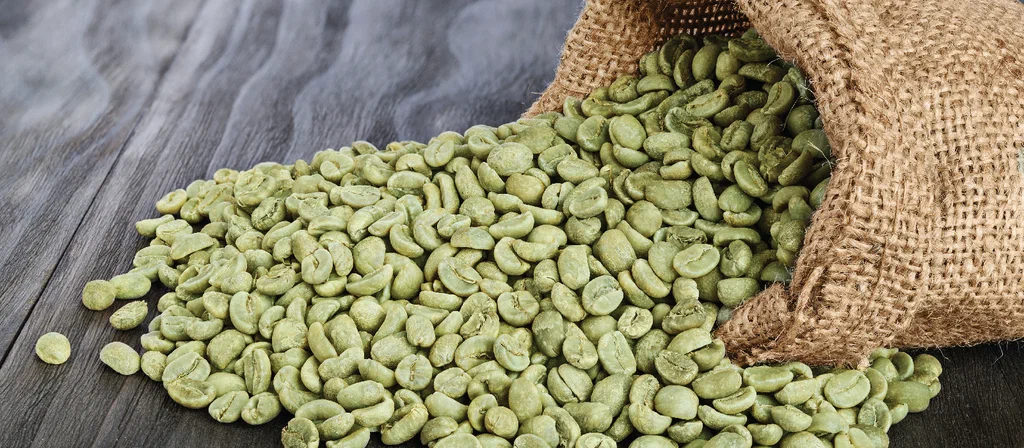
Why Is Maintaining Coffee Freshness Important During Shipping?
Keeping coffee fresh during shipping is important because the beans can easily lose their flavour and aroma if they are exposed to heat or moisture. Even small environmental changes can affect taste and overall quality, especially during long journeys.
For Ethiopian coffee exporters, freshness matters for business. When the coffee arrives in good condition, buyers trust the supplier and are more likely to order again. This makes proper handling and storage essential during shipping.
How Do Temperature Fluctuations Affect Coffee Quality During Shipping?
Temperature changes can significantly impact coffee quality during shipping. When coffee beans get too hot, they lose their natural aroma and freshness more quickly. Conversely, sudden temperature drops can cause moisture to form inside the bags or containers. The beans absorb this moisture, which dulls their flavour and degrades their quality.
During long shipments, coffee passes through regions with vastly different climates, making temperature control challenging. For example, containers may be exposed to high heat during loading but then move to cooler conditions at sea. These fluctuations can gradually harm the beans if they are not adequately protected with proper packaging and temperature management.
What Role Does Humidity Play in Coffee Storage and Transit?
Humidity plays an important role in keeping coffee fresh during storage and transit. Coffee beans have a small amount of natural moisture, and when they absorb too much humidity, they can develop mould or start to ferment. This changes the flavour and can make the beans unsafe. If the air is too dry, the beans lose moisture, become brittle, and taste flat.
In long-distance shipping, coffee moves through many climates, making it easy for the beans to absorb or lose moisture. Warehouses, ports, and containers all create different humidity levels. Using airtight or moisture-controlled packaging and storing coffee in cool, dry spaces helps maintain stable conditions and protects the natural quality of the beans.
Which Packaging Methods Best Preserve Coffee Freshness?
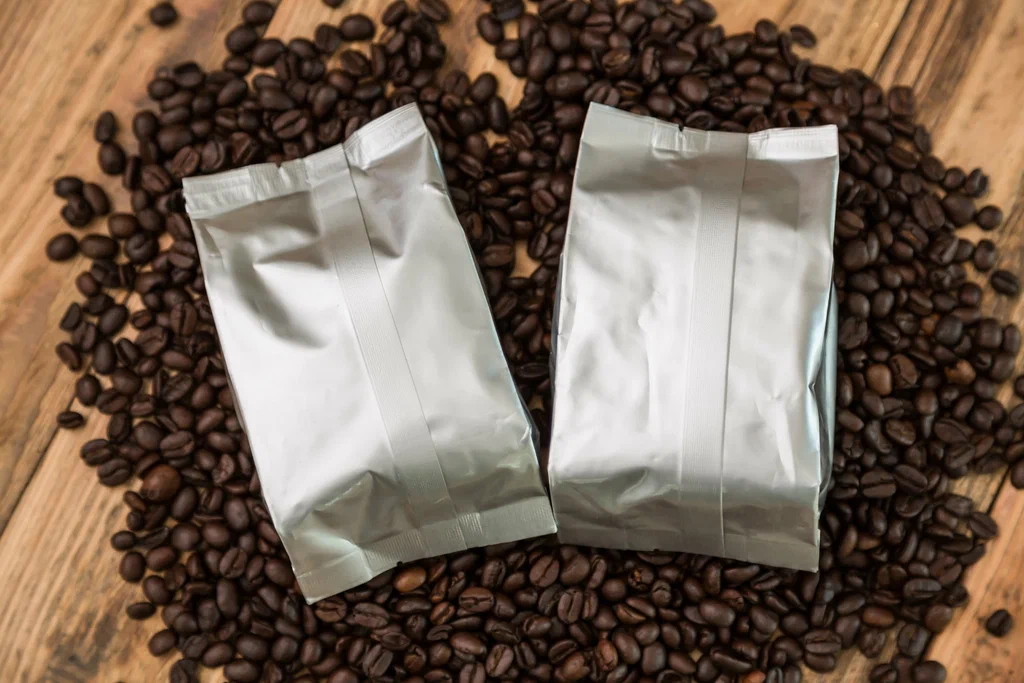
Choosing the right packaging is one of the most important steps in keeping coffee fresh during long-distance shipping. Good packaging protects the beans from moisture, heat, odours, and physical damage, helping them arrive with their original flavour and aroma. Here are some of the most effective packaging methods used by Ethiopian coffee exporters:
- Jute Bags with Inner Liners: Natural fibre jute bags provide durability and breathability, while the inner plastic liner protects coffee from moisture, odours, and oxygen to preserve freshness during shipping.
- GrainPro or Hermetic Bags: Airtight, moisture-proof bags that lock in freshness and prevent mould, pests, and humidity changes.
- Vacuum-Sealed Bags: Remove oxygen from the package, slowing down ageing and preserving aroma for longer periods.
- High-Barrier Plastic or Multi-Layer Bags: Designed to block moisture, air, and light, helping maintain consistent quality during long transport.
- Container Liners and Protective Pallets: Add an extra layer inside shipping containers to protect coffee from temperature fluctuations and condensation by maintaining a stable environment and preventing moisture buildup.
What Are the Pros and Cons of Different Coffee Shipping Methods?
Choosing the right shipping method is essential for preserving coffee freshness, especially for exporters handling sensitive beans like Ethiopian Arabica. Each shipping option has its own advantages and challenges in terms of cost, transit time, humidity exposure, and handling. Understanding these factors helps exporters protect quality while maintaining profitability.
Sea Freight
Sea freight is the most common shipping method for bulk coffee exports because it is cost-effective and suitable for large volumes. When containers are well-ventilated and lined properly, they provide a stable environment that helps protect beans during long journeys.
However, the extended transit time increases the risk of moisture exposure, condensation, and potential quality loss. Sea freight is also not ideal for urgent shipments or small speciality batches.
Air Freight
Air freight is the fastest option and is preferred for high-value or speciality-grade coffee that needs to reach buyers quickly. The shorter transit time reduces the chance of mould growth, flavour degradation, or humidity-related damage.
But this method is significantly more expensive and has limited space, making it impractical for exporters shipping large quantities. The environmental impact is also higher compared to sea freight.
Road Transport
Road transport is essential for moving coffee from farms or processing centres to ports or local buyers. It offers flexible routing and scheduling, making it convenient for exporters managing multiple collection points.
However, road conditions, high temperatures, and lack of insulation can expose coffee to heat, dust, or humidity. Delays due to traffic, weather, or checkpoints may also affect delivery timelines.
Rail Transport
Rail transport provides a more stable temperature environment and is cost-efficient for covering long distances on land. It is particularly useful for transporting coffee from inland regions to major port cities.
The downside is that rail networks are limited in some coffee-exporting regions, and the slower pace can add to transit time. Exporters must also handle additional loading and unloading steps when switching from rail to sea or road.
How Can Ethiopian Coffee Exporters Reduce Freshness Loss During Shipping?
- Focus on keeping the temperature stable, humidity low, and packaging strong.
- Use airtight or moisture-proof bags to protect beans from heat, moisture, and outside odours.
- Add container liners or choose ventilated containers to reduce the risk of condensation.
- Avoid shipping during extremely hot periods whenever possible.
- Choose faster or safer routes to shorten transit time.
- Work with logistics partners who understand proper coffee handling.
- Monitor temperature and humidity during transit to spot any changes early.
What Customs and Regulatory Steps Impact Shipping Time and Quality?
Customs checks and documentation play a big role in how quickly coffee shipments move. Delays often happen when paperwork is incomplete, certificates are missing, or regulations differ between exporting and importing countries. When coffee sits too long at ports due to inspections or approval issues, it becomes more exposed to heat, humidity, and handling risks that can affect its freshness.
To avoid this, exporters need to prepare accurate documents such as quality certificates, phytosanitary reports, and shipping declarations in advance. Working with experienced freight agents also helps reduce unexpected hold-ups. Smooth and timely customs clearance not only speeds up delivery but also ensures the coffee stays in good condition throughout the journey.
How Will Climate Change Impact Future Long-Distance Coffee Shipping?
Climate patterns are changing, and it’s starting to affect the way coffee is shipped across long distances. As the weather becomes less predictable, Ethiopian coffee exporters need to think about how these changes might impact shipping conditions and overall freshness
- Higher temperatures can speed up coffee ageing and increase the risk of moisture buildup.
- Frequent storms can disrupt shipping schedules and cause long delays at sea.
- Sudden humidity changes may create condensation inside containers, leading to mould.
- Extreme weather can force ships to take longer alternate routes.
- Exporters may need stronger packaging to handle heat and humidity.
- Shipping costs may rise due to cooling systems and climate-resistant options.
- New regulations may appear to ensure safer food transport in unstable climates.
Conclusion
Keeping coffee fresh during long-distance shipping is not only a technical process but also a responsibility that exporters carry from farm to destination. Every step, from packaging and temperature control to choosing the right shipping method, helps protect the natural flavour and aroma that make Ethiopian coffee so valued around the world.
As climate change, strict regulations, and global shipping challenges continue to evolve, exporters who invest in better handling, smarter monitoring, and more resilient logistics will stay ahead. By focusing on freshness at every stage, Ethiopian coffee exporters can ensure that every batch arrives with the same rich quality it had at harvest, strengthening buyer trust and preserving the country’s reputation for exceptional coffee.