
Coffee consumption continues to rise worldwide, with more people paying closer attention to how their beverages are grown and processed. As awareness around health, sustainability, and product quality increases, Ethiopian coffee has drawn growing interest, prompting consumers to explore whether organically produced coffee offers better health benefits compared to non-organic alternatives.
For health-conscious consumers, this comparison matters because daily coffee choices can influence long-term wellness, taste experience, and environmental impact. Understanding the difference between organic and conventional coffee helps you make informed decisions aligned with both personal health goals and ethical consumption.
Organic and Non-Organic Coffee: What’s the Real Difference?
The real difference between organic and non-organic coffee lies in how the coffee is grown and processed. Organic coffee is cultivated without synthetic pesticides, herbicides, or chemical fertilisers, while non-organic coffee is produced using conventional farming methods that may involve chemical inputs to increase yield.
- Farming practices: Organic uses natural soil management; non-organic relies on conventional agricultural methods
- Chemical use: No synthetic chemicals in organic coffee; possible pesticide residues in non-organic coffee
- Environmental impact: Organic farming supports soil health and biodiversity
- Health focus: Organic coffee reduces exposure to chemical residues
For consumers interested in Ethiopian coffee, which is often grown using traditional and natural farming practices, understanding these differences helps in choosing a cleaner and more sustainable option.

What Is Organic Coffee?
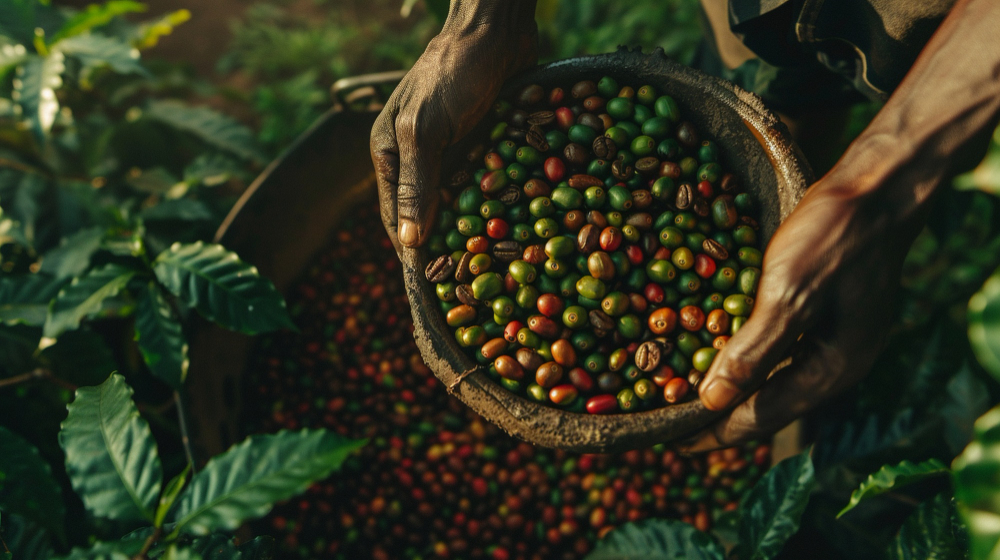
Organic coffee refers to coffee that is grown and processed without the use of synthetic pesticides, chemical fertilisers, or genetically modified organisms. Instead, organic farming focuses on natural methods that maintain soil health, protect the environment, and preserve the quality of the coffee beans. This approach is commonly associated with Ethiopian coffee, which is traditionally cultivated using natural and sustainable practices.
Organic coffee farming relies on methods such as composting, shade growing, and natural pest control to support healthy plant growth. During processing, the coffee beans are handled without artificial additives or chemical treatments, ensuring a cleaner and more natural final product.
To guarantee quality and authenticity, organic coffee must meet strict certification standards set by recognised authorities such as USDA Organic, EU Organic, and other international certification bodies. These standards ensure the coffee follows organic guidelines from cultivation through processing.
What Is Non-Organic Coffee?
Non-organic coffee refers to coffee that is grown using conventional farming practices focused on high yield and efficiency. These methods often involve intensive agricultural techniques designed to increase production and meet large-scale market demand.
Conventional coffee farming commonly uses synthetic pesticides, herbicides, and chemical fertilisers to protect crops from pests and diseases and to improve plant growth. While these inputs help boost productivity, they may leave chemical residues on coffee beans and can affect soil health over time.
Non-organic coffee is typically produced through mass production systems that prioritise cost efficiency and consistent supply. This allows non-organic coffee to be more affordable and widely available, making it a popular choice in the global coffee market.
Health Benefits of Organic Coffee
- Lower chemical and pesticide exposure: Organic coffee is grown without synthetic fertilisers or pesticides, reducing the risk of consuming harmful residues.
- Rich antioxidant content: Organic beans often retain higher levels of polyphenols and other antioxidants, which help fight free radicals and support overall health.
- Supports long-term wellness: Regular consumption of organic coffee, such as Ethiopian coffee, can contribute to a cleaner diet and a healthier lifestyle.
- Better for sensitive individuals: People sensitive to chemicals or additives may benefit more from choosing organically grown coffee.
Potential Health Concerns of Non-Organic Coffee
- Chemical residue risks: Non-organic coffee is often grown using synthetic pesticides and fertilisers, which may leave trace residues on the beans. Regular consumption could increase exposure to these chemicals.
- Long-term consumption concerns: Continuous intake of non-organic coffee with chemical residues may raise health concerns over time, especially for people with sensitivities or compromised immunity.
- Quality differences due to farming methods: Conventional farming methods prioritise high yield and cost efficiency, which can sometimes compromise bean quality, flavour, and nutrient content.
- Environmental impact affecting health indirectly: Non-organic farming can deplete soil nutrients and impact local ecosystems, which may have downstream effects on food safety and sustainability.
Organic vs Non-Organic Coffee: Nutritional Comparison
When comparing organic coffee with conventional coffee, there are some notable differences in nutrients and overall composition:
- Antioxidants: Organic coffee, including Ethiopian coffee, often contains higher levels of antioxidants such as polyphenols, which help combat oxidative stress and support overall health.
- Caffeine levels: Contrary to common myths, caffeine content is generally similar in both organic and non-organic coffee. The main differences are in nutrient retention and chemical exposure.
- Nutrient retention: Organic coffee tends to maintain its natural nutrient profile better because it avoids chemical additives or synthetic processing agents.
- Overall health benefits: Choosing organic coffee over non-organic can provide cleaner nutrition, reduced chemical exposure, and potentially higher antioxidant intake.
Taste and Quality Differences
Flavour Profile of Organic Coffee
Organic coffee is known for its richer and more complex flavour compared to conventional coffee. Grown without synthetic chemicals, the beans retain natural sweetness and aromatic notes, from fruity and floral to chocolatey or nutty undertones. This makes each cup a unique tasting experience, and varieties like Ethiopian coffee are especially prized for their bright acidity and layered flavours that reflect their origin.
Impact of Soil Health and Natural Cultivation
The quality of coffee begins with healthy, chemical-free soil. Organic coffee is cultivated using natural soil enrichment, composting, and shade-growing techniques that preserve nutrients and support biodiversity. These methods allow beans to develop fully over time, enhancing both flavour and aroma, while preserving the distinct characteristics of the coffee’s region.
Why Organic Coffee Often Tastes Smoother
Organic coffee often tastes smoother due to the absence of synthetic pesticides and fertilisers, which can leave bitter or chemical notes. Gradual ripening and careful processing methods, such as washed or naturally fermented techniques, help maintain balance, gentle acidity, and a harmonious flavour profile. This results in a cleaner, more enjoyable cup for everyday coffee drinkers.
Is Organic Coffee Worth the Price?
Organic coffee is generally priced higher than conventional coffee due to more labour-intensive farming, lower yields, and strict certification requirements. While the upfront cost may be higher, many consumers find the investment worthwhile because organic coffee, including Ethiopian coffee, offers cleaner, chemical-free beans, richer flavour, and higher antioxidant content compared to non-organic alternatives.
How to Choose High-Quality Organic Coffee
- Check organic certifications: Look for recognised labels such as USDA Organic, EU Organic, to ensure the coffee meets strict organic standards and is free from synthetic chemicals.
- Arabica vs Robusta: Arabica beans generally offer smoother, more aromatic flavours, while Robusta has higher caffeine and a stronger taste. For speciality options, consider organic Ethiopian coffee, which is typically Arabica and prized for its rich, nuanced flavours.
- Roast freshness and sourcing: Always check the roast date and source of the beans. Freshly roasted coffee retains more flavour, aroma, and antioxidants. Single-origin beans from reputable farms often provide consistent quality and traceability.
- Packaging and storage: Choose coffee packaged in airtight, light-proof bags with a one-way valve to preserve freshness. Proper storage at home in a cool, dark place also maintains flavour and quality.
- Sustainable and ethical sourcing: Opt for brands that practice direct trade or support farmer welfare, ensuring both quality beans and positive environmental and social impact.
Common Myths About Organic Coffee
“Organic coffee has less caffeine”
Many people believe that organic coffee contains less caffeine than non-organic coffee. In reality, caffeine levels are determined primarily by the coffee species (Arabica or Robusta) and the brewing method, not by whether the coffee is grown organically. Organic coffee can have the same caffeine content as conventional coffee while providing additional benefits such as lower chemical exposure and higher antioxidant levels.
“Organic coffee tastes weak”
Another common misconception is that organic coffee lacks flavour or tastes weak. On the contrary, organic coffee often delivers richer and more complex flavours because it is grown naturally, without synthetic fertilisers or pesticides. Speciality varieties like Ethiopian coffee are particularly known for their bright acidity, floral notes, and nuanced taste profiles that come through in every cup.
“Organic coffee isn’t really different”
Some people think organic coffee does not differ meaningfully from conventional coffee. However, organic coffee differs in farming practices, environmental impact, chemical exposure, and flavour quality. By avoiding synthetic chemicals and following sustainable cultivation methods, organic coffee supports both health and environmental sustainability, making it a distinct and valuable choice for conscientious consumers.
Conclusion
So, is organic coffee better for you than non-organic coffee? Overall, organic coffee offers clear advantages, including reduced chemical exposure, richer flavour, higher antioxidant content, and support for sustainable and ethical farming practices. While it may come at a higher price, the benefits for health, taste, and the environment make it a worthwhile choice for many consumers.
Understanding the differences between organic and non-organic coffee, especially speciality options like Ethiopian coffee, can help you make informed decisions that suit your health goals, taste preferences, and values. Choosing organic coffee allows you to enjoy a cleaner, more flavorful cup while supporting sustainable farming and responsible practices worldwide.