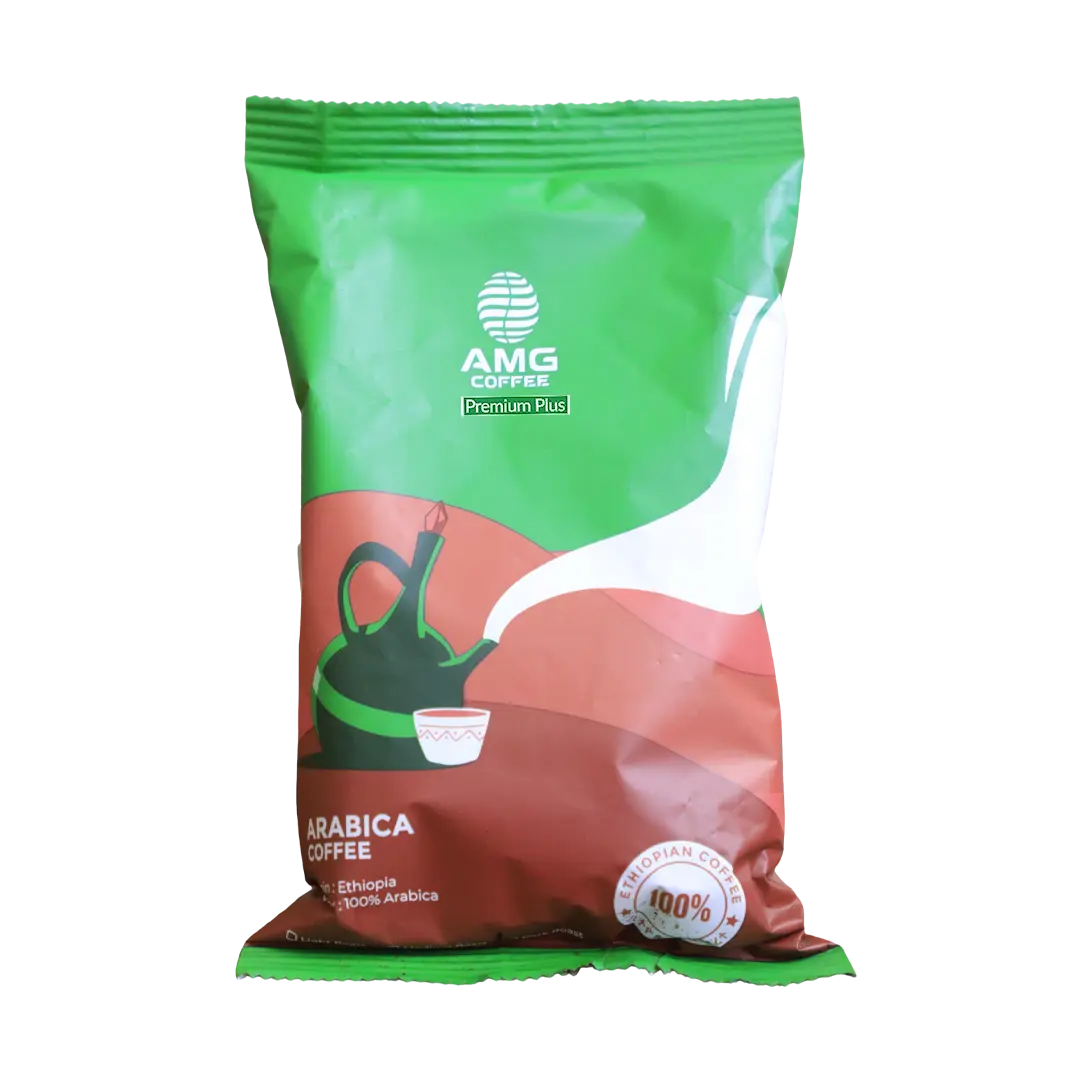


Coffee from Ethiopia reaches the UK through a clear and regulated shipment process that involves farming, processing, export approval, sea transport, and customs clearance. This journey protects quality while meeting trade and food safety rules. If you want to know how Ethiopian coffee moves step by step from origin to UK buyers, read on to see how logistics, compliance, and timing come together in one supply chain.
Ethiopia’s Role in the Global Coffee Supply Chain
Ethiopia is the birthplace of Arabica coffee and one of the most important suppliers in the global coffee trade. Millions of small farmers grow coffee across different regions, each known for unique taste profiles. The country exports green coffee beans to markets worldwide, including the UK, where demand for specialty and traceable coffee continues to grow.
Coffee plays a major role in Ethiopia’s economy and employment. Most exports are green coffee beans rather than roasted coffee. This allows UK roasters to control roasting profiles and freshness. Ethiopian coffee is valued for its natural quality, regional identity, and consistent supply standards.
Key reasons the UK sources coffee from Ethiopia include
• Diverse flavor profiles from different regions
• Strong reputation for Arabica coffee
• Established export and quality control systems
• Growing demand for single origin coffee in the UK
How Coffee Moves from Ethiopian Farms to Export Warehouses
Coffee shipment starts long before containers are loaded. It begins at farms and local processing centers.
Coffee Harvesting and Primary Processing
Coffee cherries are harvested by hand in most regions. Farmers pick ripe cherries to protect quality. After harvesting, cherries go through processing methods that affect flavour and export value.
The two main processing methods are
- Washed process where cherries are pulped and fermented
- Natural process where cherries dry with the fruit intact
After processing, beans are dried, hulled, and sorted. Defective beans are removed to meet export grade requirements. This stage is critical because poor processing can affect acceptance in international markets.
Quality Inspection and Export Readiness
Before coffee is approved for export, it undergoes strict checks. Samples are evaluated for moisture content, size, and defects. Coffee is also cupped to assess aroma and taste consistency.
Exporters group coffee into lots that meet buyer specifications. Each lot is labeled for traceability, which helps UK importers track origin and quality. Only approved lots move forward to export warehouses.
Export Compliance and Documentation in Ethiopia
Exporting coffee from Ethiopia requires compliance with national trade rules and international standards.
Mandatory Export Documents
To ship coffee legally, exporters must prepare a complete set of documents. Missing or incorrect paperwork can delay shipments.
Common export documents include
• Commercial invoice
• Packing list
• Certificate of origin
• Phytosanitary certificate
• Export permit
These documents confirm product type, quantity, origin, and safety status.
Role of Government and Export Authorities
The export process is overseen by bodies such as the Ethiopian Coffee and Tea Authority. This authority ensures that exported coffee meets quality and traceability requirements.
Regulators verify that coffee is properly graded and registered before allowing shipment. This protects Ethiopia’s reputation in global markets and builds trust with UK buyers.
Inland Transportation and Port Handling
Since Ethiopia is landlocked, coffee must travel overland before reaching a seaport.
Moving Coffee from Inland Regions to the Port
Once cleared for export, coffee is transported by truck from warehouses to the port. The journey may take several days depending on distance and road conditions. Exporters plan schedules carefully to avoid delays.
Transportation steps usually include
- Loading sealed bags or containers at warehouses
- Inland trucking to the port
- Security and customs checks at transit points
Export Through the Port of Djibouti
Most Ethiopian coffee exports move through the Port of Djibouti. At the port, coffee is prepared for sea freight.
Activities at the port include
• Container stuffing
• Weight verification
• Export customs clearance
• Final documentation checks
Once cleared, containers are loaded onto vessels bound for the UK.
Sea Freight from East Africa to the UK
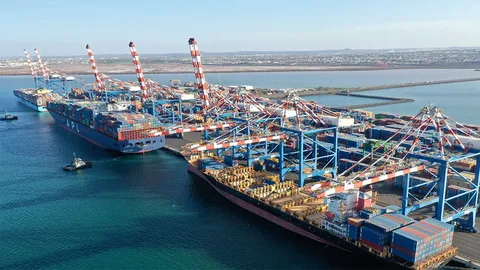
Sea transport is the longest stage in the shipment process of coffee from Ethiopia to the UK.
Container Shipping Methods for Coffee
Coffee is usually shipped in standard containers. Exporters choose container size based on volume and cost efficiency.
Common options are
- 20 foot containers for smaller shipments
- 40 foot containers for larger volumes
To protect quality, exporters use liners and moisture control materials. These prevent condensation that could damage beans during transit.
Transit Time and Common Routes
Ships travel from East Africa through major sea routes to reach UK ports. Transit time varies depending on shipping line, route, and port congestion.
On average, sea freight takes several weeks. Exporters and importers plan inventory accordingly to avoid stock shortages.
Import Customs Clearance in the UK
When coffee arrives in the UK, it must clear customs before entering the market.
UK Import Documentation and Compliance
Importers submit documents received from exporters along with shipping records. These documents help customs authorities verify the shipment.
Required paperwork typically includes
• Bill of lading
• Commercial invoice
• Certificate of origin
• Import declaration
Customs Duties, VAT, and Inspections
The UK import process is managed by HM Revenue & Customs. Green coffee beans are generally duty-free, but VAT may apply depending on the importer’s status.
Customs may inspect shipments to confirm compliance with food safety and labelling rules. Once cleared, the coffee can move to its final destination.
Final Delivery to UK Roasters and Warehouses
After customs clearance, coffee is transported inland within the UK. Containers are moved from ports to warehouses or directly to roasters.
Final delivery steps include
- Port handling and container release
- Inland transport by truck
- Storage in climate controlled warehouses
UK roasters often store green coffee until roasting schedules require it. Proper storage preserves flavor and quality until use.
Risks in Coffee Shipping and How Exporters Mitigate Them
Shipping coffee across continents involves risks that exporters must manage carefully.
Moisture, Mold, and Quality Degradation
Coffee is sensitive to moisture. Exposure can lead to mold or flavor loss. Exporters reduce this risk through
• Proper drying before shipment
• Use of protective liners
• Monitoring moisture levels
Delays, Documentation Errors, and Cost Overruns
Delays can occur due to port congestion or paperwork issues. Exporters mitigate risks by
- Preparing documents accurately
- Working with experienced freight partners
- Building buffer time into shipping schedules
Typical Costs Involved in Shipping Coffee from Ethiopia to the UK
Costs vary based on volume, season, and logistics choices. There is no fixed price, but exporters plan budgets carefully.
Cost components often include
• Inland transport to port
• Export handling and documentation
• Sea freight charges
• UK port and delivery costs
Using transparent cost estimates helps importers plan pricing and inventory.
Who Handles the Coffee Shipment Process
Clear roles help avoid confusion and delays.
Responsibilities are generally divided as follows:
- Exporter manages processing, export approval, and shipment preparation
- Freight forwarder handles transport coordination
- Importer manages UK customs and final delivery
- Customs brokers assist with clearance procedures
Clear agreements ensure smooth movement of goods.
FAQs
How long does it take to ship coffee from Ethiopia to the UK?
The full process can take several weeks, including inland transport, sea freight, and customs clearance. Planning ahead is essential.
Is Ethiopian coffee duty-free in the UK?
Green coffee beans are generally duty-free, though VAT rules may apply based on the importer’s business status.
What documents are required to import coffee into the UK?
Importers need shipping documents such as invoices, certificates of origin, and import declarations.
How is coffee quality protected during shipping?
Quality is protected through proper drying, sealed packaging, moisture control liners, and careful handling.
What is the best incoterm for importing coffee from Ethiopia?
This depends on risk preference and logistics control, but many buyers use FOB or CIF terms.
Can small roasters import coffee directly from Ethiopia?
Yes, small roasters can import directly if they meet documentation and customs requirements.
What mistakes delay coffee shipments at UK customs?
Common issues include missing documents, incorrect declarations, and mismatched shipment details.
How much coffee fits in a 20 foot container?
A standard 20 foot container typically holds several tons of green coffee, depending on bag size and packaging.
Conclusion
The shipment process of coffee from Ethiopia to the UK follows a structured path that protects quality, ensures compliance, and supports reliable supply. From farm level processing to UK customs clearance, each step plays a role in delivering coffee that meets market expectations. Clear documentation, proper handling, and experienced logistics partners make the process efficient and predictable for exporters and importers alike.
A Stable Export Partner for Ethiopian Coffee Buyers
AMG Coffee is a trusted Ethiopian coffee exporter supplying high-quality green coffee beans to buyers across global markets. Based in Addis Ababa, the company works closely with producers and cooperatives to ensure consistent sourcing, quality verification, and export compliance. With structured quality checks and export-ready logistics, AMG Coffee supports roasters and importers through reliable shipment coordination, transparent trade practices, and coffee that meets international standards and long-term buyer expectations.