
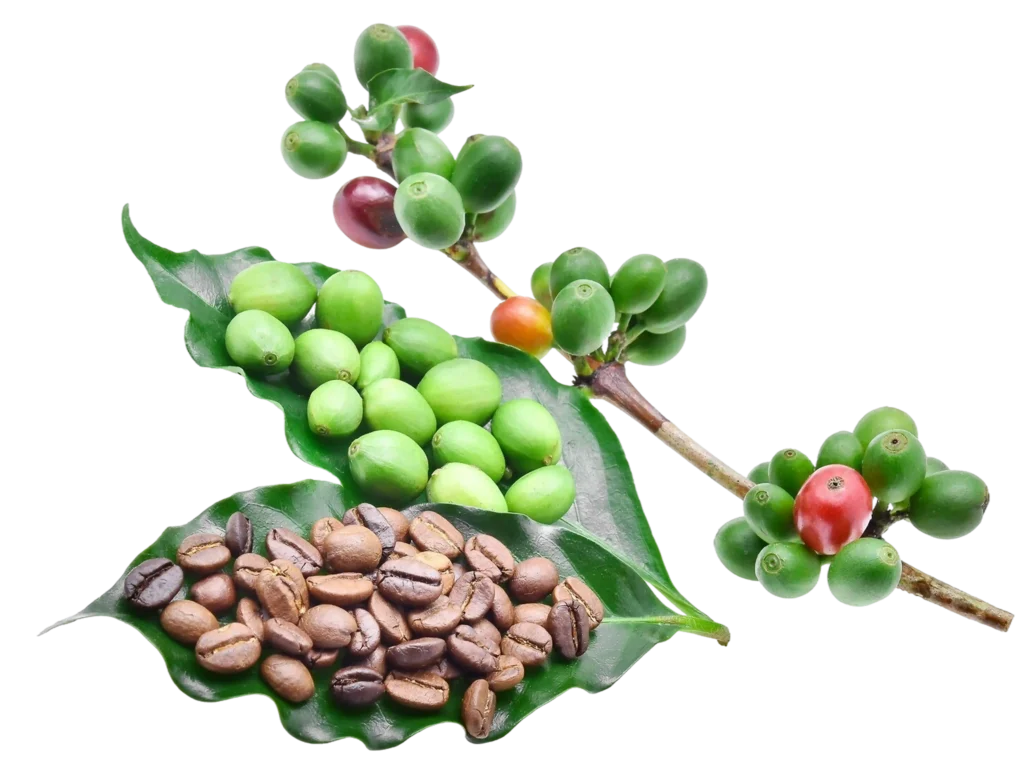
Ethiopian Arsi Coffee
Arsi coffee originates from high-elevation farm communities in the Arsi Zone of Oromia Region, Ethiopia, where cherries are cultivated under controlled farm management and regional collection systems. Through centralised quality control, lot profiling, and structured export documentation, AMG Coffee Export manages volume planning and coordinates delivery for international wholesale partners.
Ethiopian Arsi Coffee – Region Overview
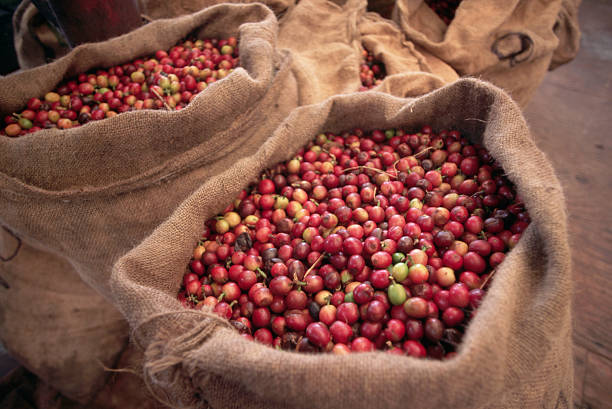
Ethiopian Arsi Coffee is produced in the Arsi Zone in the Oromia Region of Ethiopia. The coffee is grown at high altitudes, usually between 1,900 and 2,200 meters above sea level. Geographical and climatic conditions, such as well-distributed rainfall and fertile soils in the region, support gradual cherry ripening, which helps to develop dense beans and cup quality.
Arsi coffee is known for its floral aroma, fruity notes, and balanced acidity, making it suitable for both speciality roasting and commercial programs. AMG coffee export, based in Ethiopia, works closely with farm networks to manage sourcing, oversee processing standards, and coordinate export logistics for international buyers.

Arsi Coffee Profile
- Origin: Arsi Zone, Oromia, Ethiopia
- Altitude: 1,900–2,200 meters
- Bean Type: 100% Ethiopian Arabica
- Processing: Natural & Fully washed available
- Acidity: Medium to Medium-Bright
- Body: Medium to Medium-Full
- Flavor Notes: Floral, Caramel, Fruity, Mango, Red berries
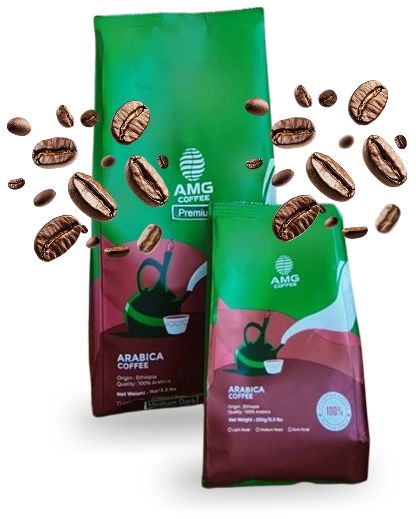
Supply Formats Designed for Trade & Distribution










AMG Coffee Export maintains compliance with international trade and quality frameworks
- USDA Organic Certification
- ISO 9001
- Halal Certification
- ECX Export License
- FDA Registered Facility
- Ethiopian Coffee Quality Certification
- International Coffee Organization
- Certificate of Competence for Coffee Exporters
- Ethiopia Conformity Assessment Enterprise
- EU Organic Certification
Our Operational Strength & Trade Infrastructure
Farm-Level Sourcing & Lot Selection
We maintain direct sourcing relationships across the region of Arsi, applying structured grading protocols and controlled moisture management to preserve bean quality at origin.
Packing & Container Planning
Coffee is prepared in export-grade jute bags with optimised container loading plans and monitored moisture levels maintained between 10–12% to support safe transit
Licensed Export & Documentation
All shipments are handled under licensed export procedures, supported by complete documentation including Certificate of Origin, Phytosanitary Certificate, Commercial Invoice, and coordinated freight arrangements.
Dedicated Trade Support
Our export operations team oversees buyer communication, documentation processing, and structured post-shipment assistance.

Frequently Asked Questions (FAQs)
Arsi coffee exports are verified through recognised licenses and quality certifications, including ECX export authorisation, Certificate of Competence for Coffee Exporters, Ethiopian Coffee Quality certification, and conformity assessments. Additional certifications, such as USDA Organic, EU Organic, ISO 9001, Halal, or FDA registration, may be available for specific lots based on buyer requirements.
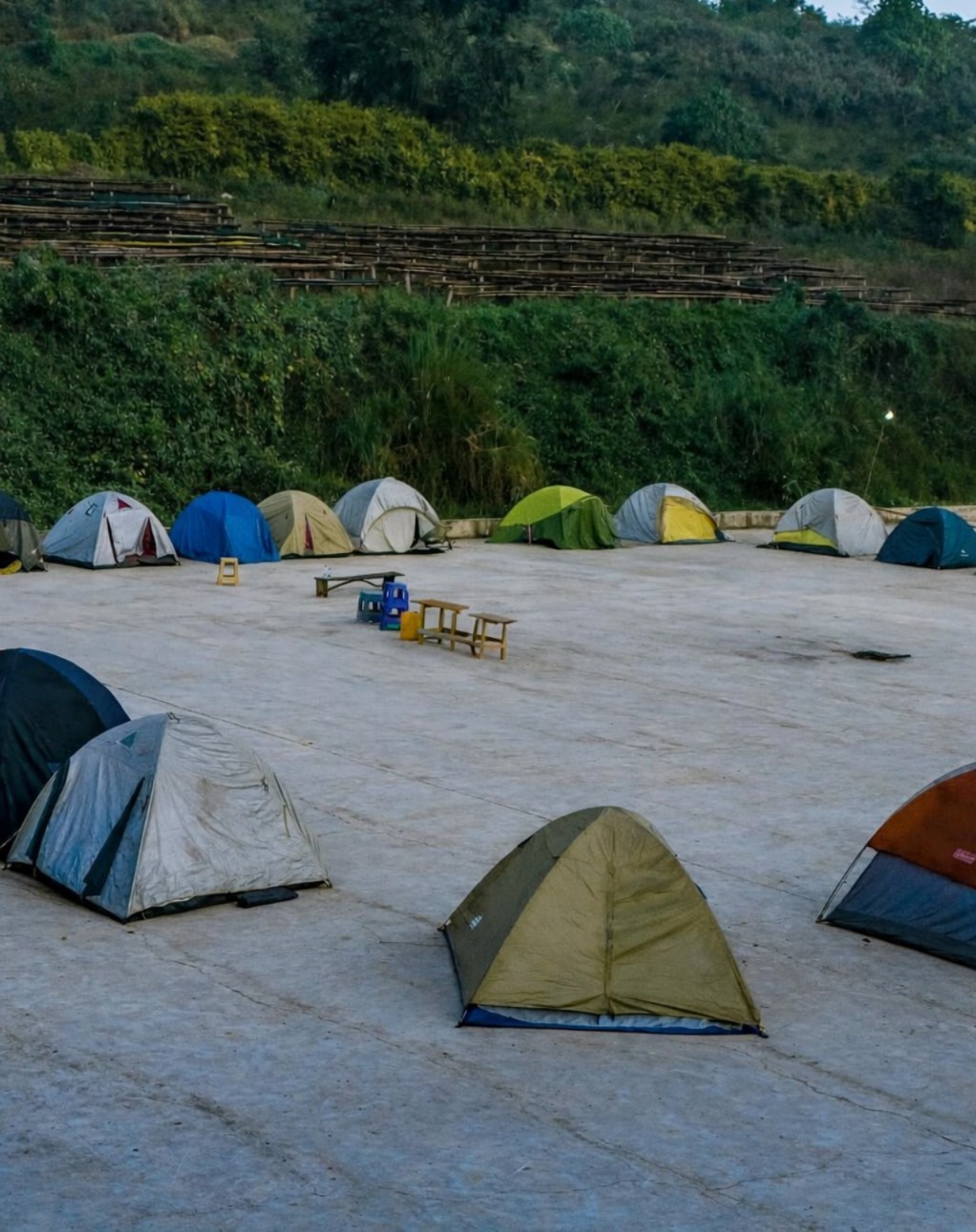
Arsi coffee is cultivated by smallholder farmers under native shade trees using traditional agroforestry systems. They also use natural soil management practices and raised-bed drying methods that preserve the export-quality of Arsi coffee.
For Arsi coffee, processing, grading, documentation, and container preparation typically require a lead time of 4 to 6 weeks. Pre-stocked or warehouse-ready lots may ship sooner, depending on availability and logistics scheduling.
Arsi Grade 1 lots generally fall within Screen 14-16+, which is subject to harvest conditions and processing methods. Grading is conducted according to Ethiopian export standards, which are based on physical defect evaluation and cup quality. Speciality lots generally achieve 85+ SCA scores, depending on lot-specific cupping results.
Green coffee is stored in clean, ventilated warehouses under controlled humidity conditions. Lots are packed in export-grade jute bags. Palletised stacking and routine moisture monitoring help to maintain bean stability before shipping.