
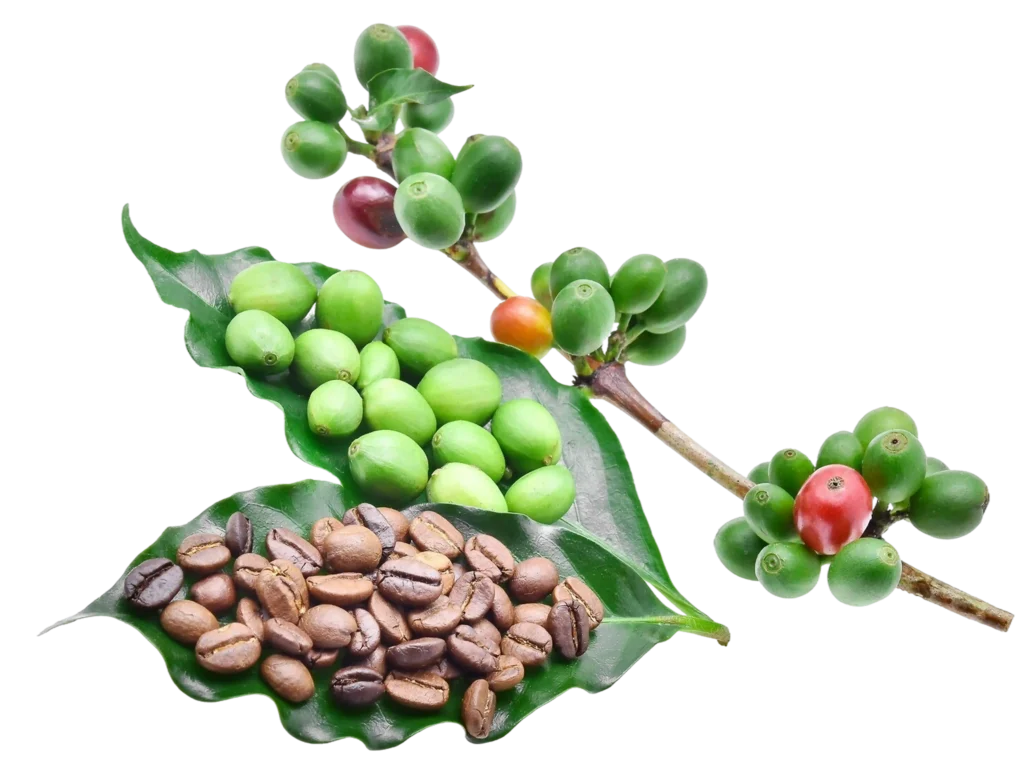
Ethiopian Kaffa Coffee
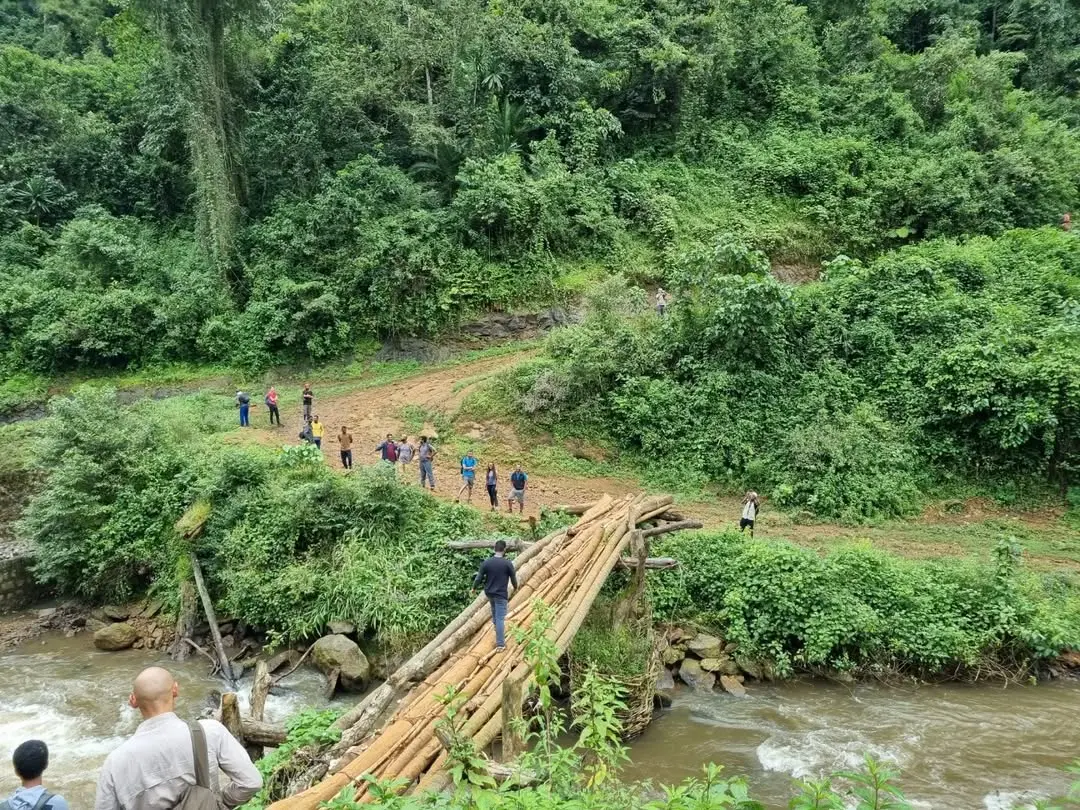
Kaffa coffee is cultivated in the Kaffa Zone of Southwestern Ethiopia, a region historically recognised as the birthplace of Arabica coffee. Production takes place under forest and semi-forest systems at high elevations. AMG Coffee Export consolidates Kaffa lots through structured collection, grading, and export channels to meet international speciality and commercial standards.
Ethiopian Kaffa Coffee – Region Overview
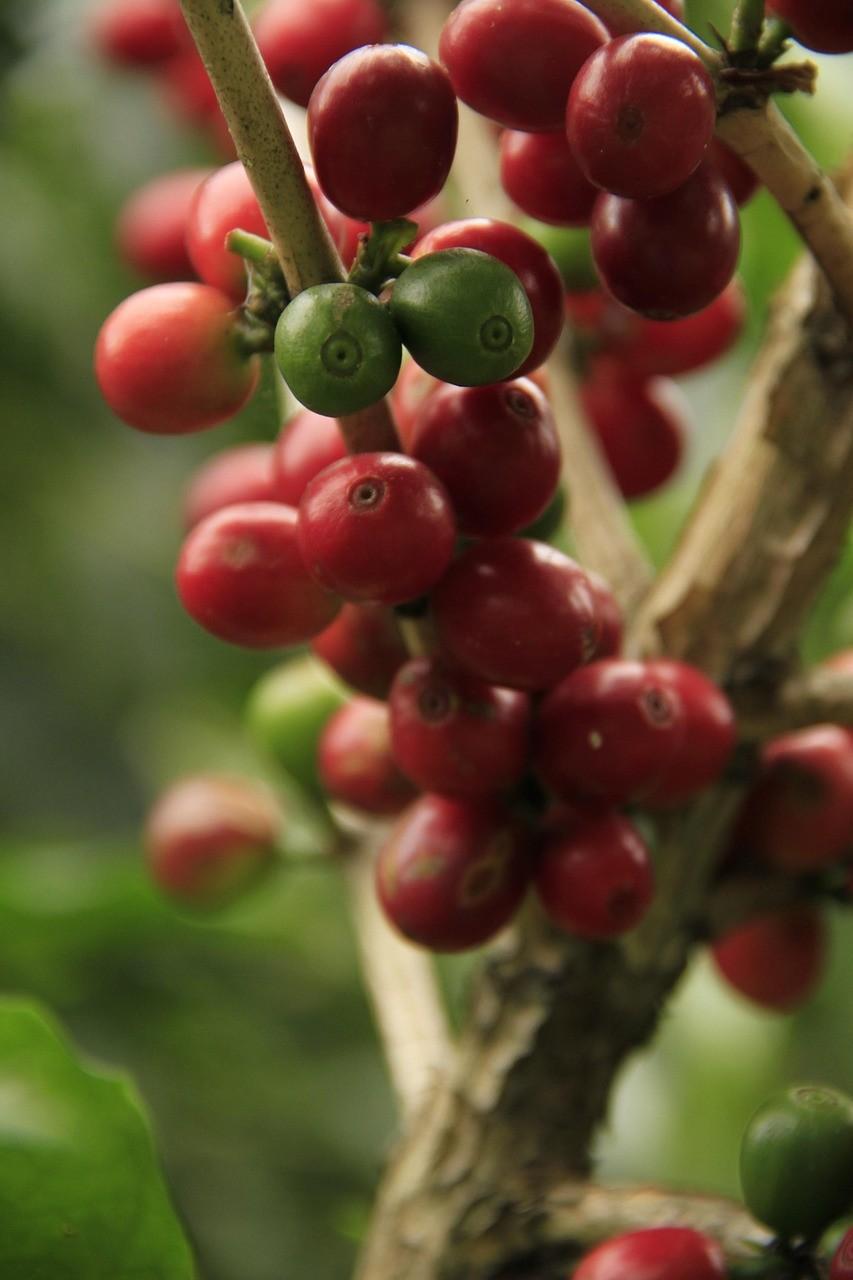
Ethiopian Kaffa coffee is produced in the Kaffa Zone of South-Western Ethiopia at elevations ranging from 1,800 to 2,200 meters above the sea level. This ecologically rich region forms part of the Ethiopian cloud forest ecosystem, producing distinctive forest-grown Arabica characterised by floral fragrance, layered wild berry sweetness, lively citrus notes, stone fruit depth, subtle cocoa nuances, and gentle spice complexity.
AMG Coffee collaborates closely with Kaffa’s forest based farming communities and regional collection centres to support traceability. We follow recognised grading protocols and maintain consistent quality standards for international roasters seeking authentic speciality-focused profiles.
Kaffa Coffee Profile
- Origin: Kaffa Zone, South-Western Ethiopia
- Altitude: 1,800–2,200 meters above sea level
- Bean Type: 100% Ethiopian Arabica
- Processing: Predominantly Natural; Washed lots available
- Acidity: Medium to Medium-Bright
- Body: Medium to Medium-Full
- Flavor Notes: Floral, wild berries, citrus, stone fruit, cocoa, mild spice
Supply Formats Designed for Trade & Distribution










AMG Coffee Export maintains compliance with international trade and quality frameworks
- USDA Organic Certification
- ISO 9001
- Halal Certification
- ECX Export License
- FDA Registered Facility
- Ethiopian Coffee Quality Certification
- International Coffee Organization
- Certificate of Competence for Coffee Exporters
- Ethiopia Conformity Assessment Enterprise
- EU Organic Certification
Our Operational Strength & Trade Infrastructure
Forest Community Sourcing & Quality Selection
We maintain direct relationships with Kaffa forest farming communities, applying structured lot grading protocols and controlled moisture management at origin.
Export Packaging & Logistics Planning
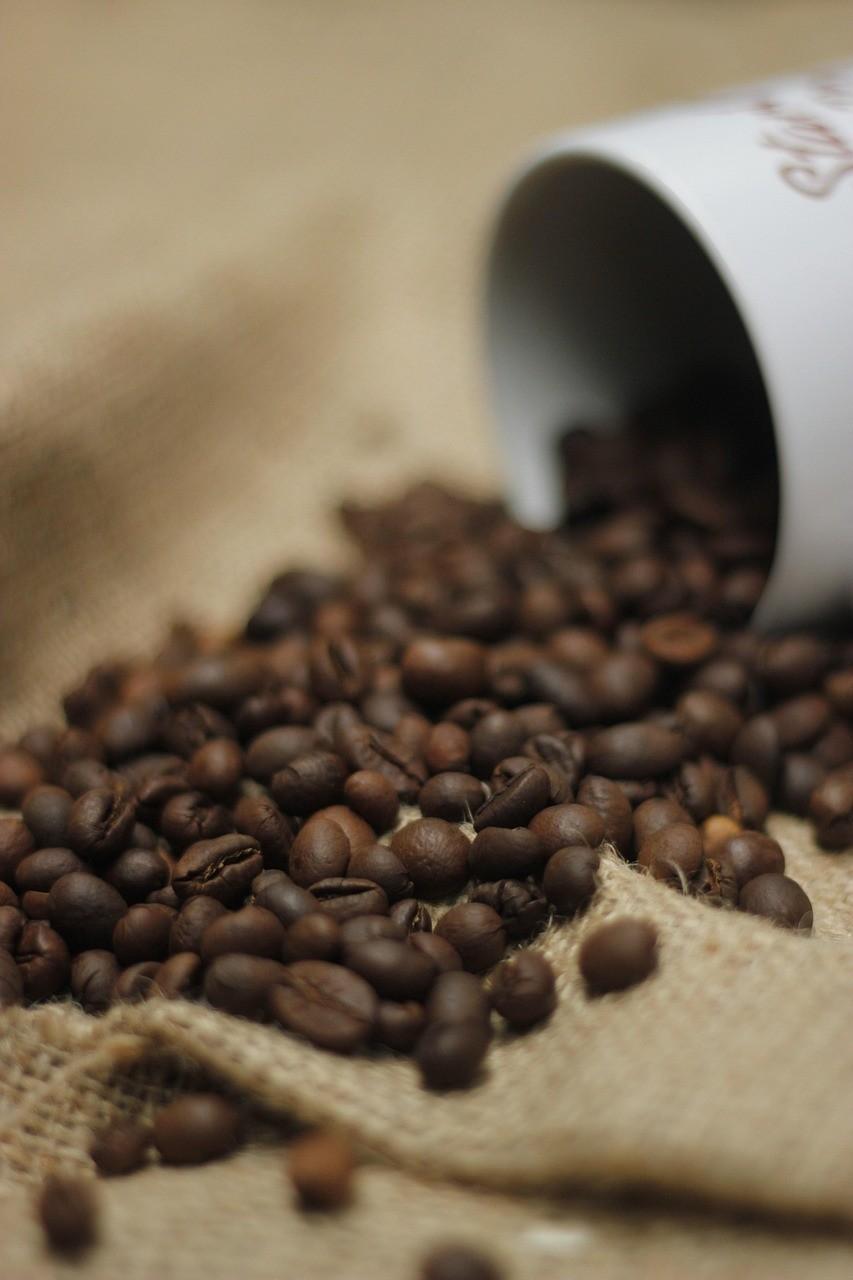
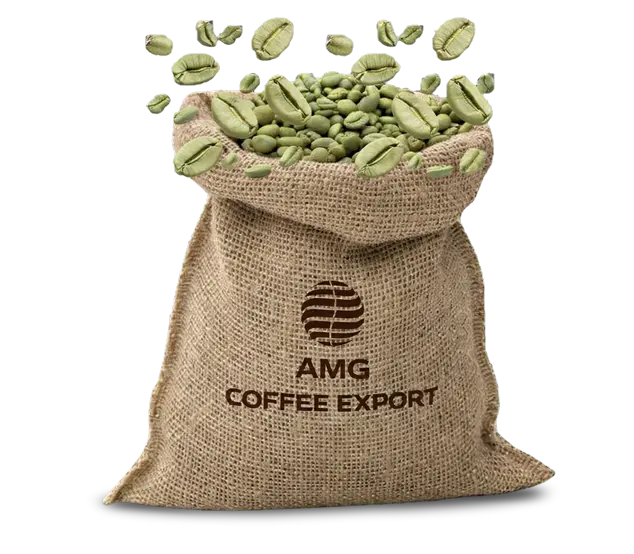
Coffee is packed in premium export-grade jute bags, and moisture levels are monitored within 10–12%.
Regulated Export Procedures & Compliance
Shipments are supported by a complete documentation package, including Certificate of Origin, Phytosanitary Certificate, Commercial Invoice, Packing List, and coordinated freight arrangements.
Dedicated Trade Support
Dedicated export specialists manage buyer communication, documentation processing, logistics coordination, and post-shipment follow-up.
Frequently Asked Questions (FAQs)
Natural- processed Kaffa coffee expresses pronounced fruit-sweetness, heavier body, and flavour notes of wild berries, and cocoa. Washed lots usually have cleaner cup clarity, brighter acidity and more defined floral and citrus characteristics.
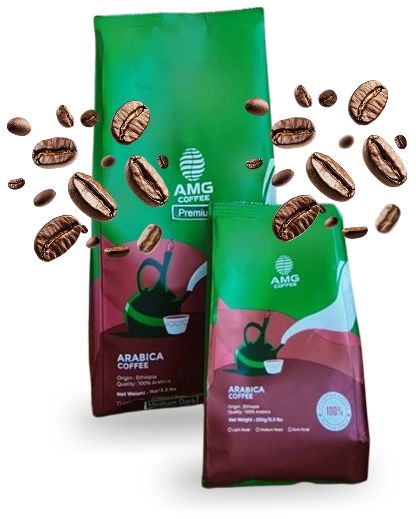
Yes. Kaffa coffee can be supplied as green beans or custom-roasted according to buyer specifications. Roast level, grind size, packaging format, and labelling requirements are aligned with commercial, private label, or retail programs.
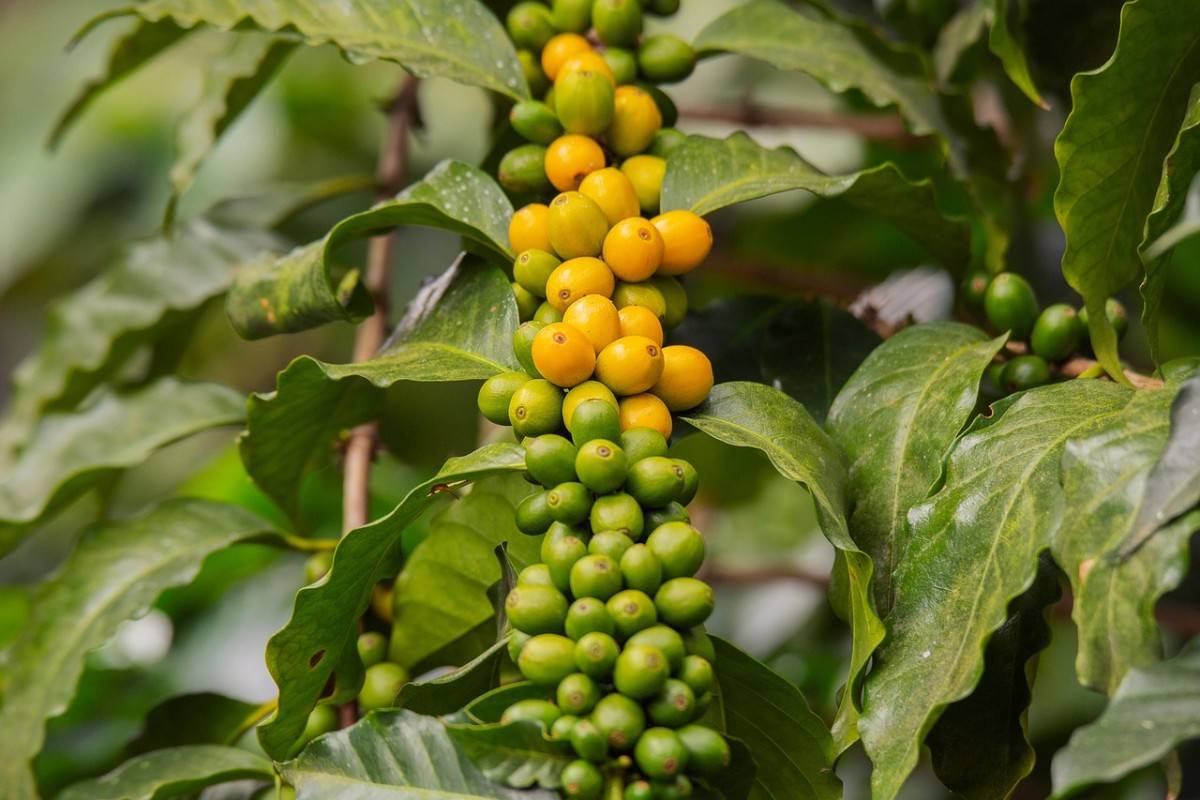
Most of the Kaffa coffee is cultivated under forest and semi-forest systems within the Ethiopian cloud forest ecosystem. Coffee trees grow beneath native shade canopies, supporting biodiversity and gradual cherry development.
Natural processing is the main coffee processing method in the Kaffa region due to traditional drying practices and regional infrastructure. However, washed lots are also available.
Light to medium roasts are often preferred as they highlight Kaffa’s floral aromatics, fruit complexity, and balanced acidity. Medium roasts can enhance the cocoa and mild spice undertones of the Kaffa coffee.