
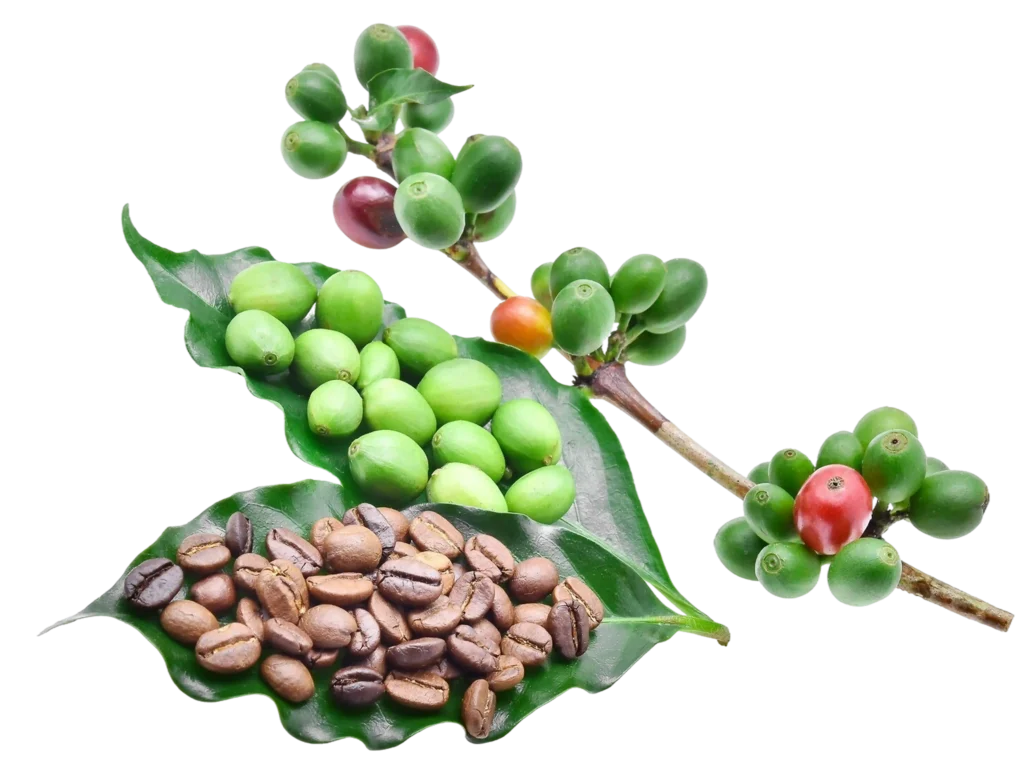
Ethiopian Kembata Coffee
Ethiopian Kembatta coffee is sourced from the highland zones of Kembata Tembaro Zone, where smallholder farmers grow heirloom Arabica varieties at elevated altitudes under traditional garden systems. AMG coffee export manages sourcing and processing through natural and washed methods of Kembatta lots for speciality and commercial export markets.
Ethiopian Kembata Coffee – Region Overview
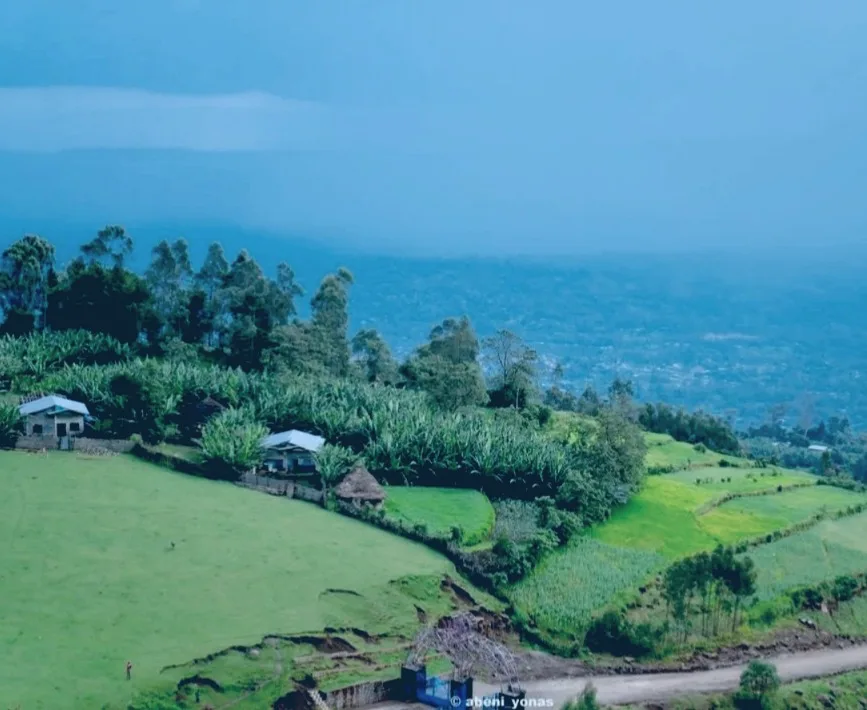
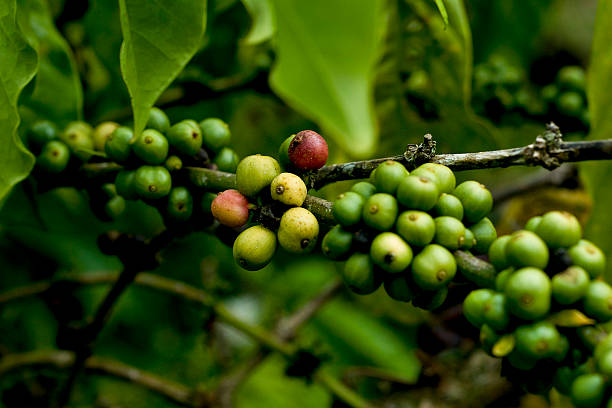
Ethiopian Kembata coffee is grown in the highland communities of the Kembata Tembaro Zone, where fertile volcanic soils, steady rainfall, and elevations between 1,800 – 2,200 meters create suitable conditions for heirloom Arabica cultivation. Smallholder farmers grow coffee under traditional garden agroforestry systems, with shade trees and companion crops supporting biodiversity and soil health.
AMG Coffee Export, a trusted coffee exporting company in Ethiopia, manages the sourcing, quality control, and export of Kembatta coffee through trusted regional partners. We have implemented strict grading standards and traceable lot management to ensure high-quality Ethiopian Kembata coffee that meets the needs of speciality roasters and international commercial buyers.
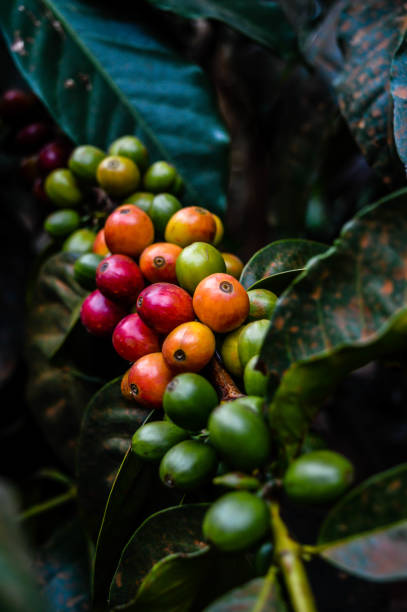
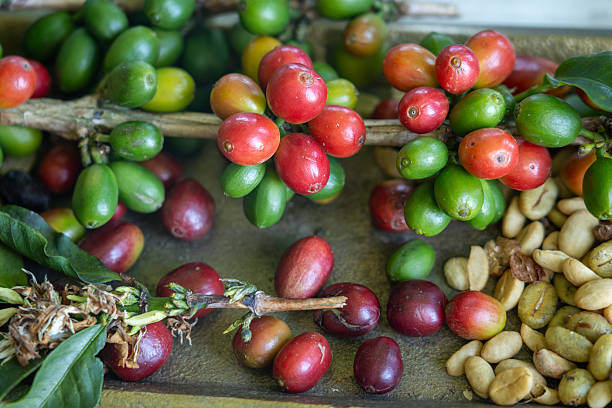
Kembata Coffee Profile
- Origin: Kembata Zone, Southern Ethiopia
- Altitude: 1,800–2,200 meters above sea level
- Bean Type: 100% Ethiopian Arabica
- Processing: Predominantly Natural; Washed lots available
- Acidity: Medium to Bright
- Body: Medium
- Flavor Notes: Sweet citrus, delicate florals, stone fruit, soft spice undertones, and a light honeyed finish
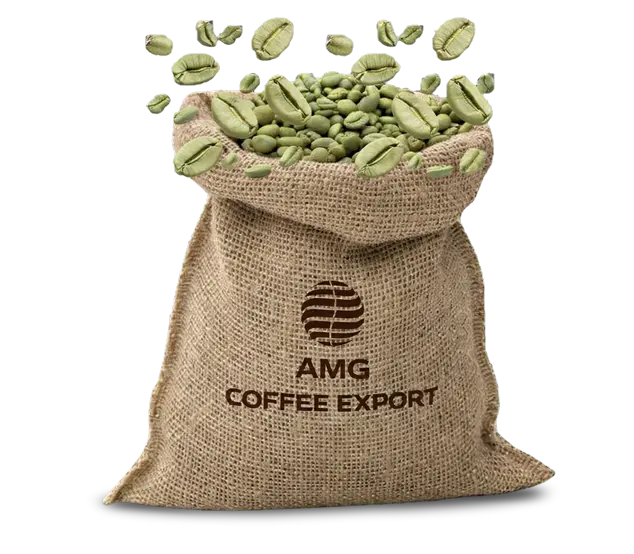
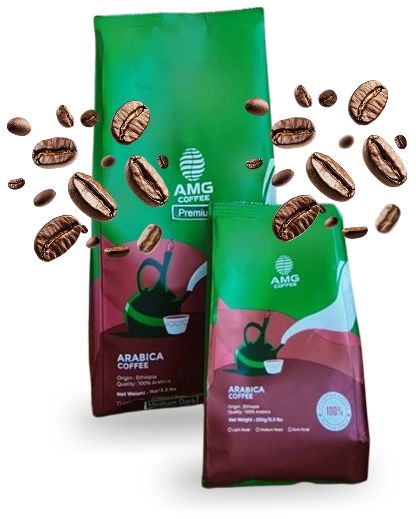
Supply Formats Designed for Trade & Distribution










AMG Coffee Export maintains compliance with international trade and quality frameworks
- USDA Organic Certification
- ISO 9001
- Halal Certification
- ECX Export License
- FDA Registered Facility
- Ethiopian Coffee Quality Certification
- International Coffee Organization
- Certificate of Competence for Coffee Exporters
- Ethiopia Conformity Assessment Enterprise
- EU Organic Certification
Our Operational Strength & Trade Infrastructure
Farm-Level Sourcing & Lot Selection
Direct partnerships in Southern Ethiopia with controlled grading and moisture stabilization.
Packing & Container Planning
Export-grade jute bagging, container load optimization, and moisture control within 10–12%.
Licensed Export & Documentation
Full export documentation including Certificate of Origin, Phytosanitary Certificate, Commercial Invoice, and shipment coordination.
Dedicated Trade Support
Responsive export team managing buyer communication, documentation, and post-shipment follow-up.
Frequently Asked Questions (FAQs)
Ethiopian Kembata coffee is grown at 1,800 – 2,200 meters in fertile volcanic soils under traditional garden agroforestry systems. It offers medium to bright acidity, medium body, and flavours of sweet citrus, delicate florals, stone fruits, and a light honeyed finish. AMG coffee export ensures high-quality sourcing and processing for speciality and commercial markets.
Kembata coffee is primarily naturally processed, enhancing its fruity and complex flavours. Washed lots are also available for cleaner and brighter profiles.
For wholesale buyers, Kembata coffee is offered in 5kg, 30kg, 50kg, 60kg, and 85kg jute bags (green or roasted). Retail packs range from 50g to 5kg with roast levels (light, medium, dark) and grind options like whole bean, espresso, filter, Turkish, or French Press. All packs are freshly sealed for quality preservation.
Yes. Kembata coffee is certified under USDA Organic, ISO 9001, Halal, ECX Export License, FDA registration, Ethiopian Coffee Quality Certification, International Coffee Organisation, Certificate of Competence for Coffee Exporters, Ethiopia Conformity Assessment Enterprise, and EU Organic. Full export documentation is included.
AMG works directly with smallholder farmers in the Kembata Zone, using traceable lot management and controlled grading. Moisture stabilisation, export-grade jute bagging, and container optimisation ensure consistent quality. The dedicated trade team supports buyers from order to post-shipment follow-up.