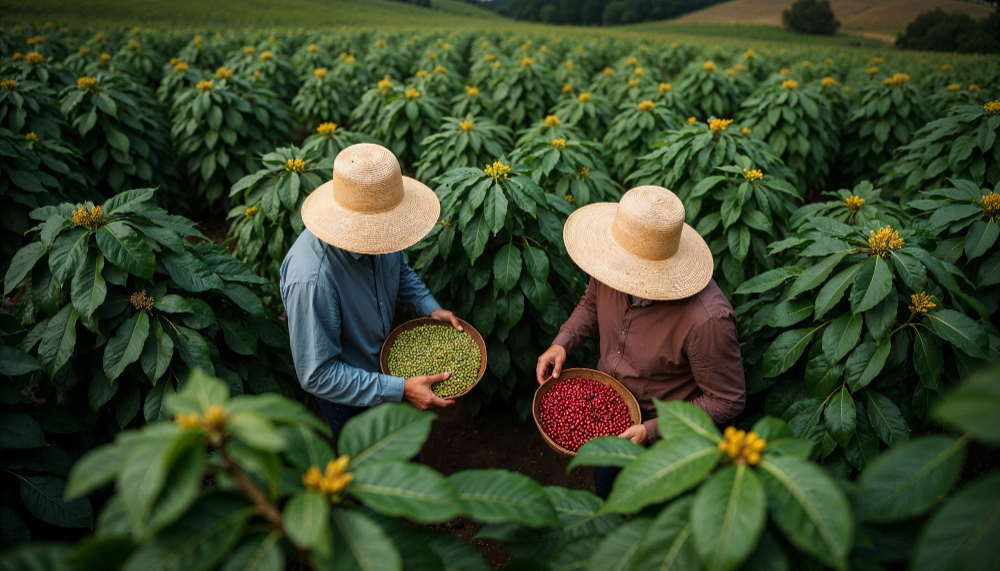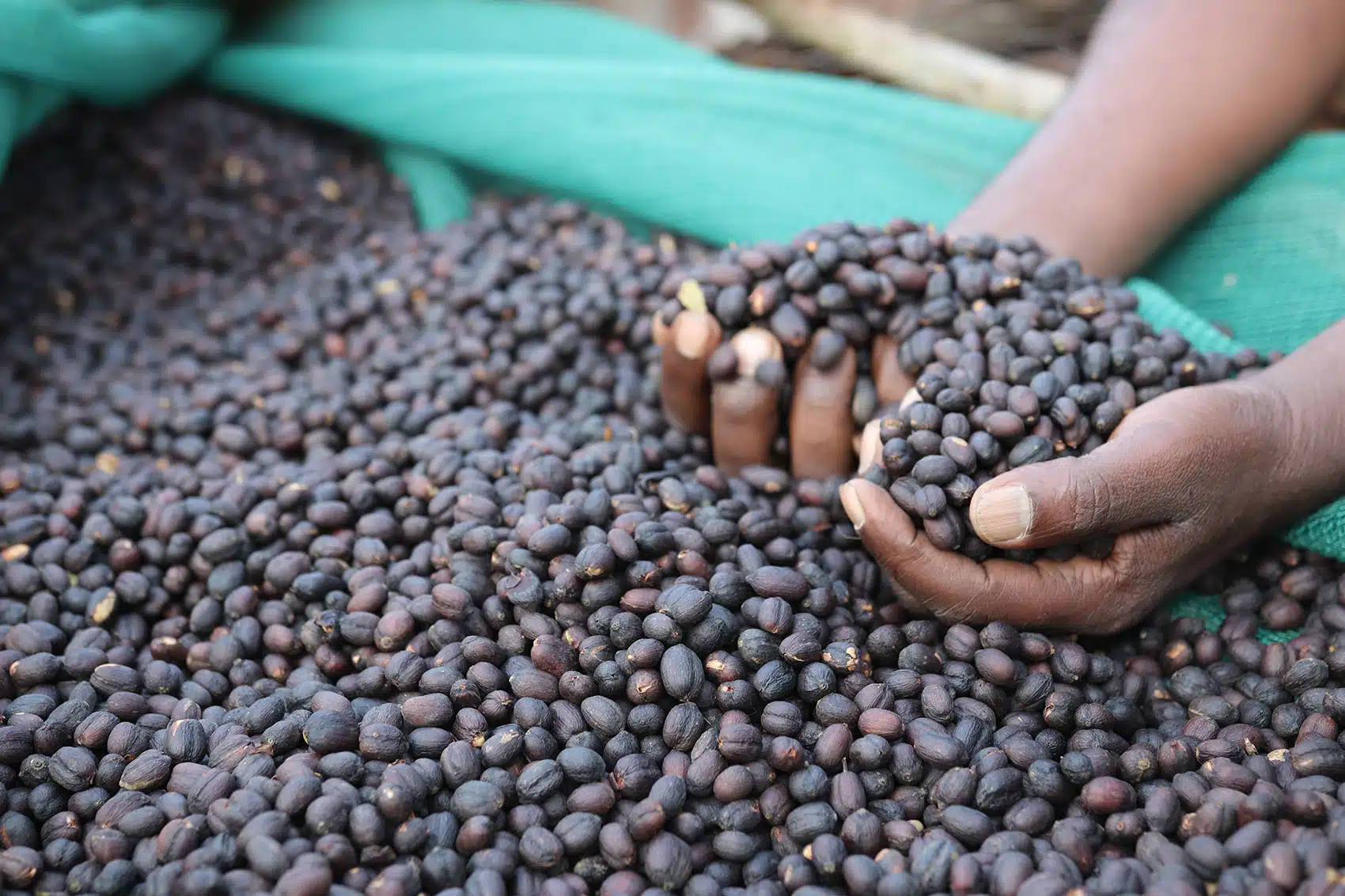
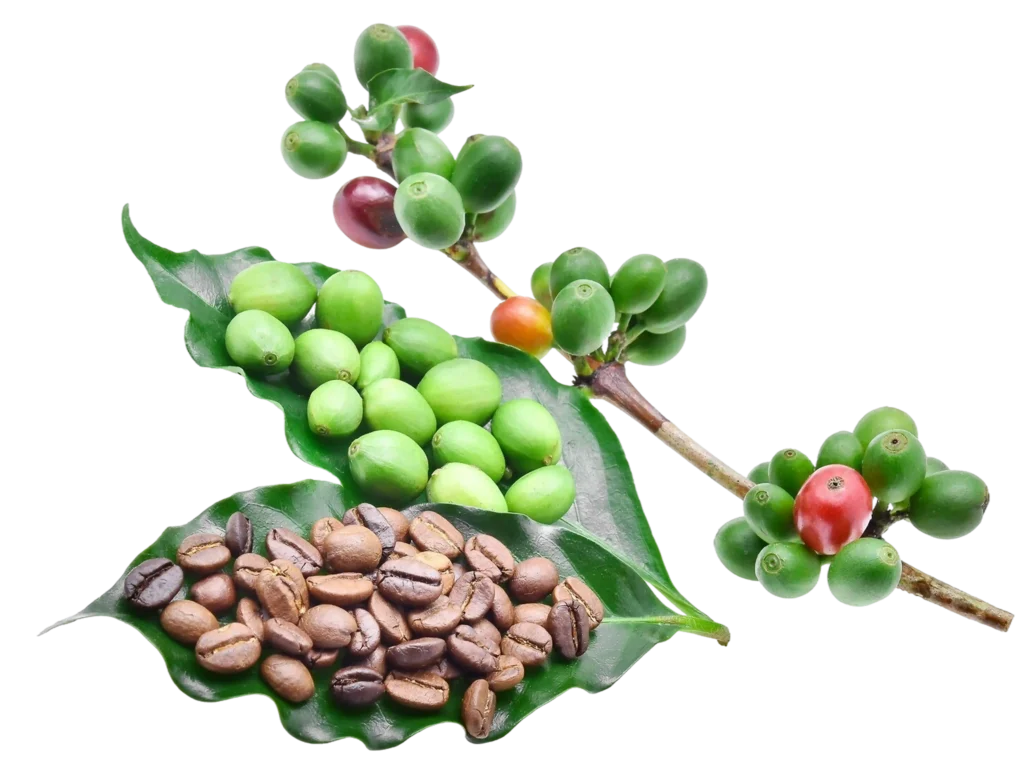
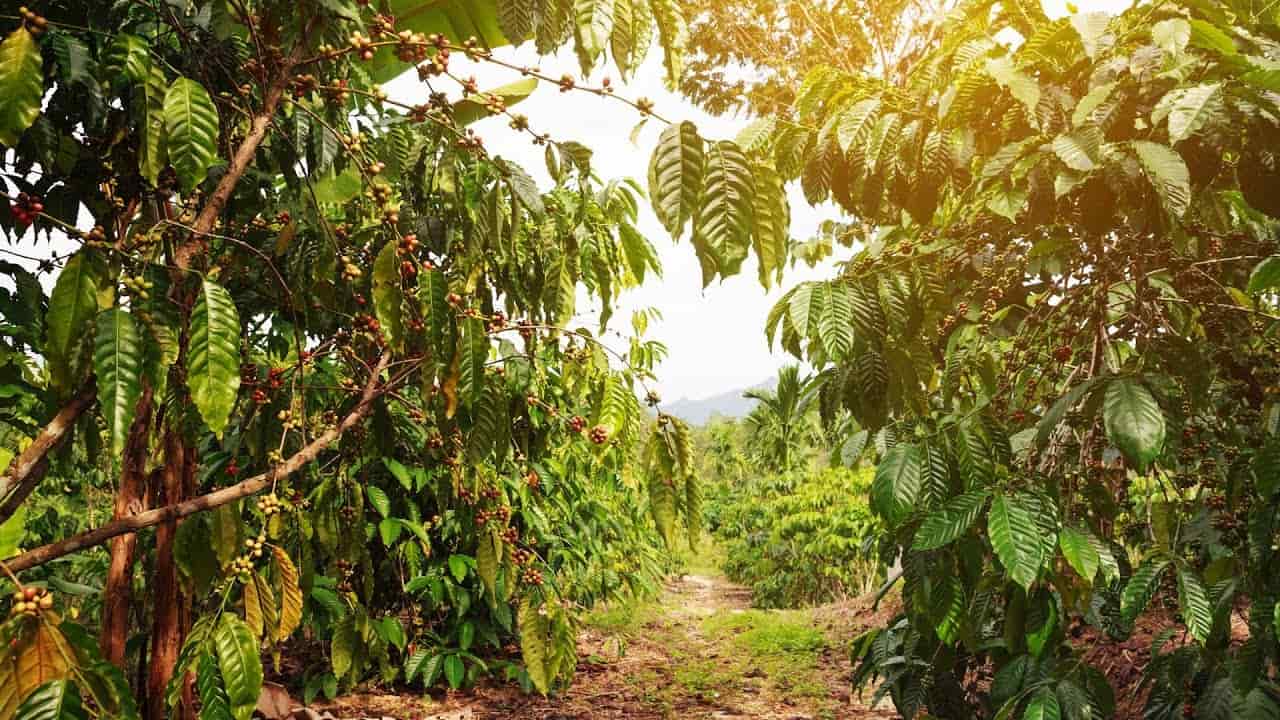
Do you know the fact that most of the coffee farmers in Ethiopia struggle to access clean water? Smallholder farmers in Ethiopia produce some of the finest coffee beans, which have high demand among coffee lovers. Despite this, availability and access to clean water are some of the major concerns among the coffee-growing regions and communities in Ethiopia.
In the rural regions of Ethiopia, people are dependent on contaminated water resources, which causes major health problems. However, several coffee exporters are funding clean water projects for the overall development of the community. Responsible Ethiopian coffee exporters believe that coffee bean quality starts from the source and are ready to support the farmers who grow quality beans. In this blog, let us understand how coffee exporters help the rural populations.

Access to clean drinking water
Lack of access to clean water is one of the most important problems coffee farming families face. Only 57% of the rural community in Ethiopia has access to clean drinking water. The most important benefit of the water projects by the coffee exporters is the availability of clean drinking water for the village farmers in Ethiopia.
For example, Coffee Circle, in collaboration with Welthungerhilfe, has improved the drinking water supply of coffee cooperatives. They have created a drinking water system in various coffee cooperatives through a spring and a kiosk. Over 37,000 people benefitted from this project, which improved the drinking water supply for the cooperatives in the Limu region.
Improves sanitation facilities
Clean water projects funded by the coffee exporters have improved the sanitation facilities of the village people in Ethiopia. Based on the Ethiopian Water Project reports, only 11% of the population has access to sanitation facilities. Such initiatives are important to reduce the risk of waterborne diseases. The sanitation projects are implemented with a clean water supply and hygiene training. These initiatives have helped to prevent diseases like diarrhoea and infections.
Improves health
In addition to improved sanitation facilities, clean water projects help reduce waterborne illness in Ethiopia by reducing exposure to contaminated water. Diseases caused by contaminated water are one of the major causes of death among young children under 5 years old in Ethiopia. Water projects have helped to improve the overall health of the Ethiopian community.
Protects the environment
The availability of clean water reduces the dependency of the Ethiopian people on boiling water for purification. This will decrease the need for firewood and preserve the forest area. Furthermore, some coffee exporters are investing in water management systems to prevent the contamination of local rivers.
Economical development
Access to clean water leads to economic development and promotes gender equality among the coffee-growing communities in Ethiopia. With sufficient water resources, farmers can increase the coffee yield and quality, which leads to higher income. Women in rural Ethiopia can reduce the time needed to fetch water and engage in other productive activities.
Sustainable development
Clean water projects in Ethiopia lead to sustainable development in the coffee-growing regions. These projects by coffee exporters ensure the long-term availability of clean water in rural areas. Sustainable water management projects, such as rainwater harvesting and protecting the local water bodies, help to maintain the ecological balance.
Empowers community
Clean water projects empower the local communities as they are involved in the implementation and maintenance of the project. This gives them a sense of responsibility that leads to better management of the water resources. The communities realize the importance of clean water in their daily lives and the need for further developmental initiatives.
Builds a relationship with the community
Water projects play a major role in strengthening the relationship between the local farmers in Ethiopia and the coffee exporters. It helps to build trust and respect between both parties. This can lead to the development of other major areas like education, infrastructure, etc.
Positive brand image
Coffee exporters who are funding projects that benefit the coffee farmers in Ethiopia are making a positive impact on their lives. Brands that show social responsibility often have a good image among the public and coffee consumers. Such brands maintain a strong base of loyal customers.
Improved coffee quality and processing
The availability of clean water is important for coffee processing methods like washing in Ethiopia. TechnoServe and Mother Parkers Tea & Coffee initiated the Water Wise Coffee Project to reduce river water contamination caused by the wet-washing coffee processing methods in the Sidama region.
The local communities in the region were able to use water from the nearby rivers for various needs, as the project was successful. Clean water projects like the Water Wise Coffee Project ensure that coffee processing won’t compromise the water quality.
Climate Resilience
Implementation of water projects and good infrastructure for water conservation help the coffee farmers in Ethiopia to withstand drought and irregular rainfalls. It also allows farmers to practise efficient irrigation systems like drip irrigation to maximise the use of water.
Conclusion
Clean water is essential for maintaining a healthy environment for the smallholder farmers growing coffee beans in Ethiopia. Furthermore, clean water projects can build the coffee-growing communities in Ethiopia in different ways. With clean water project initiatives, coffee exporters are building relationships with the farmers and uplifting them. It also contributes to the sustainable growth of the coffee industry in Ethiopia. Coffee lovers and consumers are also supporting the coffee exporters who take initiatives like clean water projects in Ethiopia.