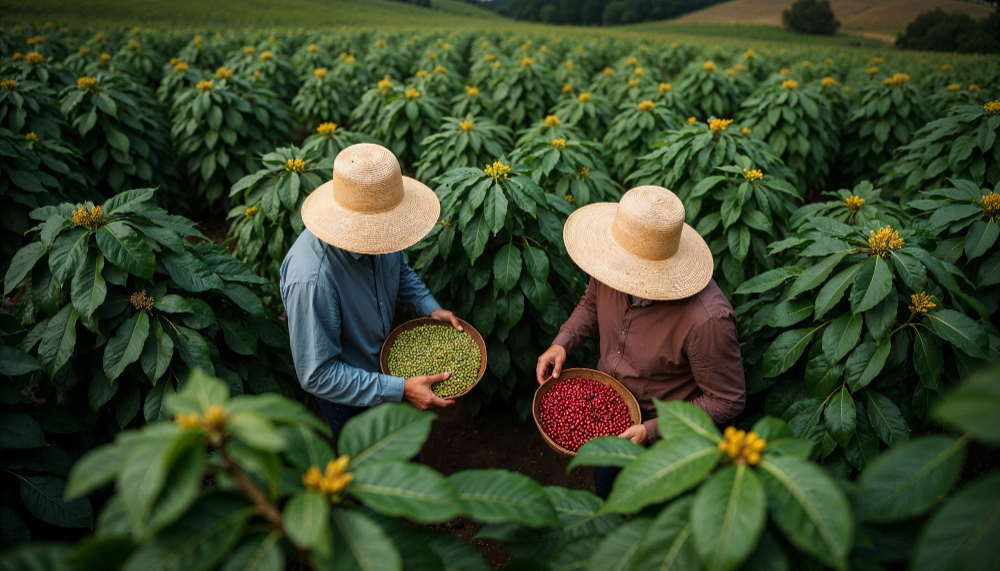

When you think of coffee, Ethiopia often comes to mind. It’s the birthplace of Coffea Arabica and home to some of the world’s most unique and flavorful beans. From the fruity and floral notes of Yirgacheffe to the bold richness of Harrar, Ethiopian coffee is loved by coffee drinkers everywhere.
Now, imagine turning this world-famous coffee into your own private label brand. Sounds exciting, right? Let’s walk through the steps together.
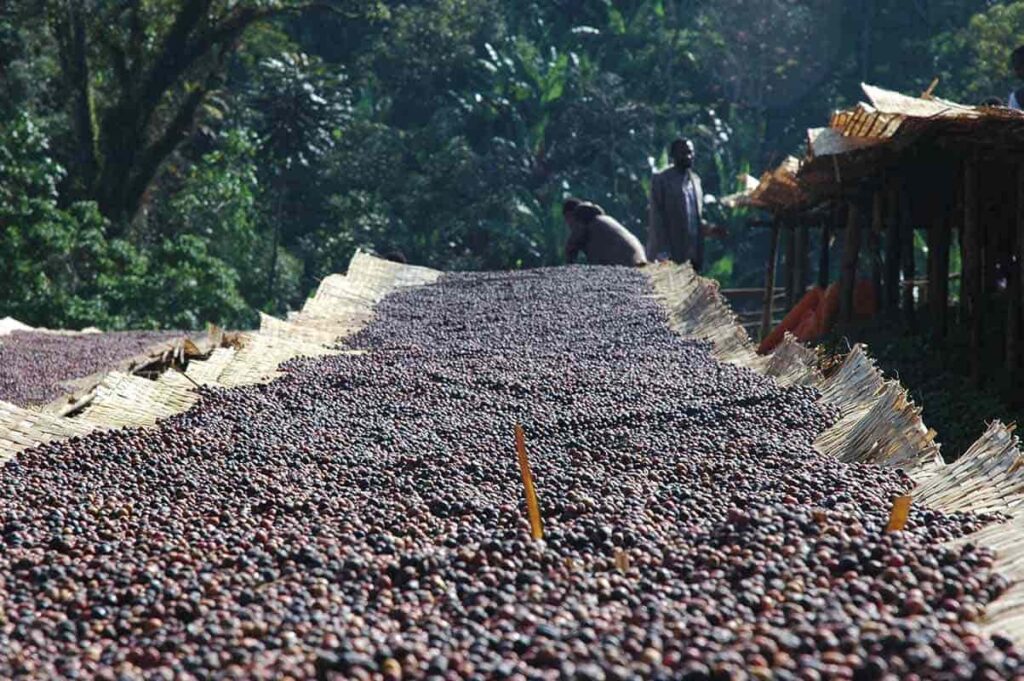
Step 1: Understand the Ethiopian Coffee Market
Before starting, it’s important to understand why Ethiopian coffee is such a great choice for your brand. Ethiopia is the 8th largest coffee exporter in the world and the number one in Africa. Coffee brings in over $2 billion in export revenue, and this number continues to grow each year. Ethiopian coffee is unique because of its wide variety of flavors. Some beans taste fruity and floral, while others are chocolatey or wine-like.
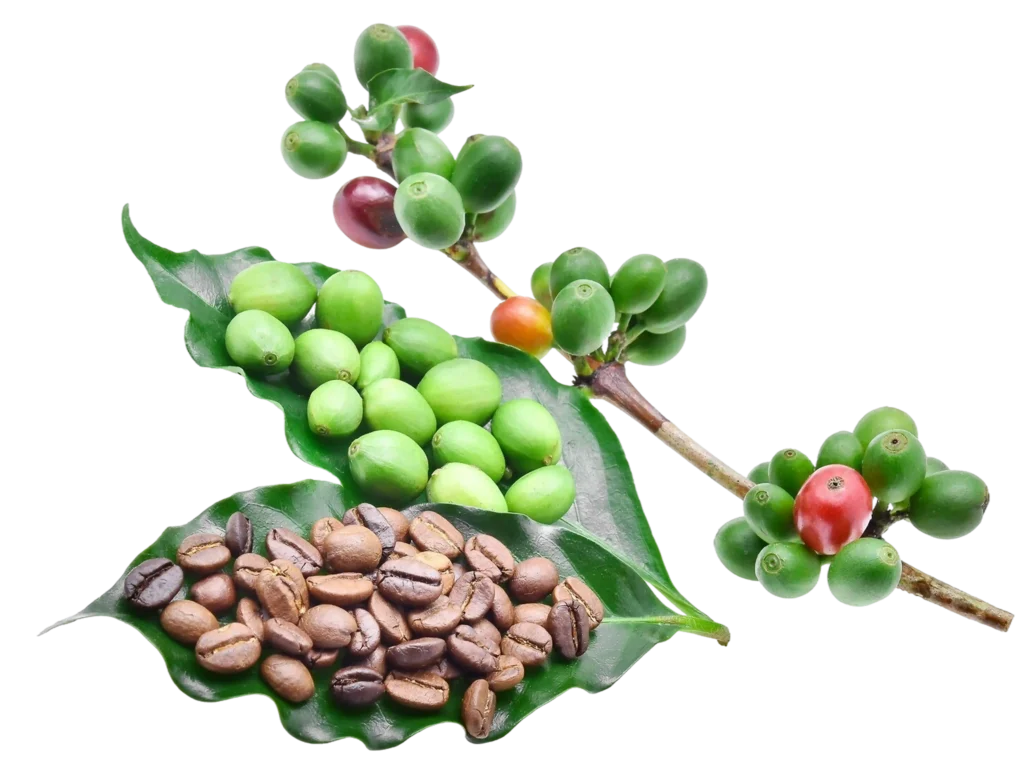
Another big opportunity lies in the way Ethiopia exports its coffee. Most exports are unroasted green beans, with only a small amount sold as roasted coffee. This creates a huge chance for private label brands like yours to add value through roasting, packaging, and storytelling. By bringing this coffee to customers in your own brand’s style, you’re sharing Ethiopia’s history and culture in every cup.
Step 2: Define Your Brand
Your brand is more than just a name or a logo. It’s the heart of your business. Think about what makes your brand special. Do you want to focus on single-origin beans from famous regions like Sidamo or Yirgacheffe? Or would you rather offer blends that are smooth and approachable for everyday drinkers?
Knowing your target customer is also key. Are you speaking to adventurous coffee lovers who want to explore unique flavors like the floral Guji beans? Or are you aiming for the larger market of people who just want a delicious, balanced cup to start their day?
Whatever you choose, your story matters. Ethiopian coffee already has centuries of tradition behind it, and your brand can highlight the farmers, the land, or even your personal connection to the coffee. When customers pick up your coffee bag, they should feel a sense of authenticity and trust.
Step 3: Source Your Coffee
Once you know your brand direction, the next step is to source your beans. This is the most important part of your business because the quality of your coffee defines everything else. Partnering with a coffee exporter in Ethiopia is the best way to ensure you get consistent, high-quality beans. Exporters have strong relationships with farmers and cooperatives, making it easier to secure supply and maintain standards.
Each Ethiopian region has its own distinct flavors. Yirgacheffe offers a tea-like body with jasmine and citrus notes, Sidamo gives a balanced and fruity sweetness, Harrar is bold and wine-like with blueberry flavors, and Guji is known for its peach, apricot, and floral touches.
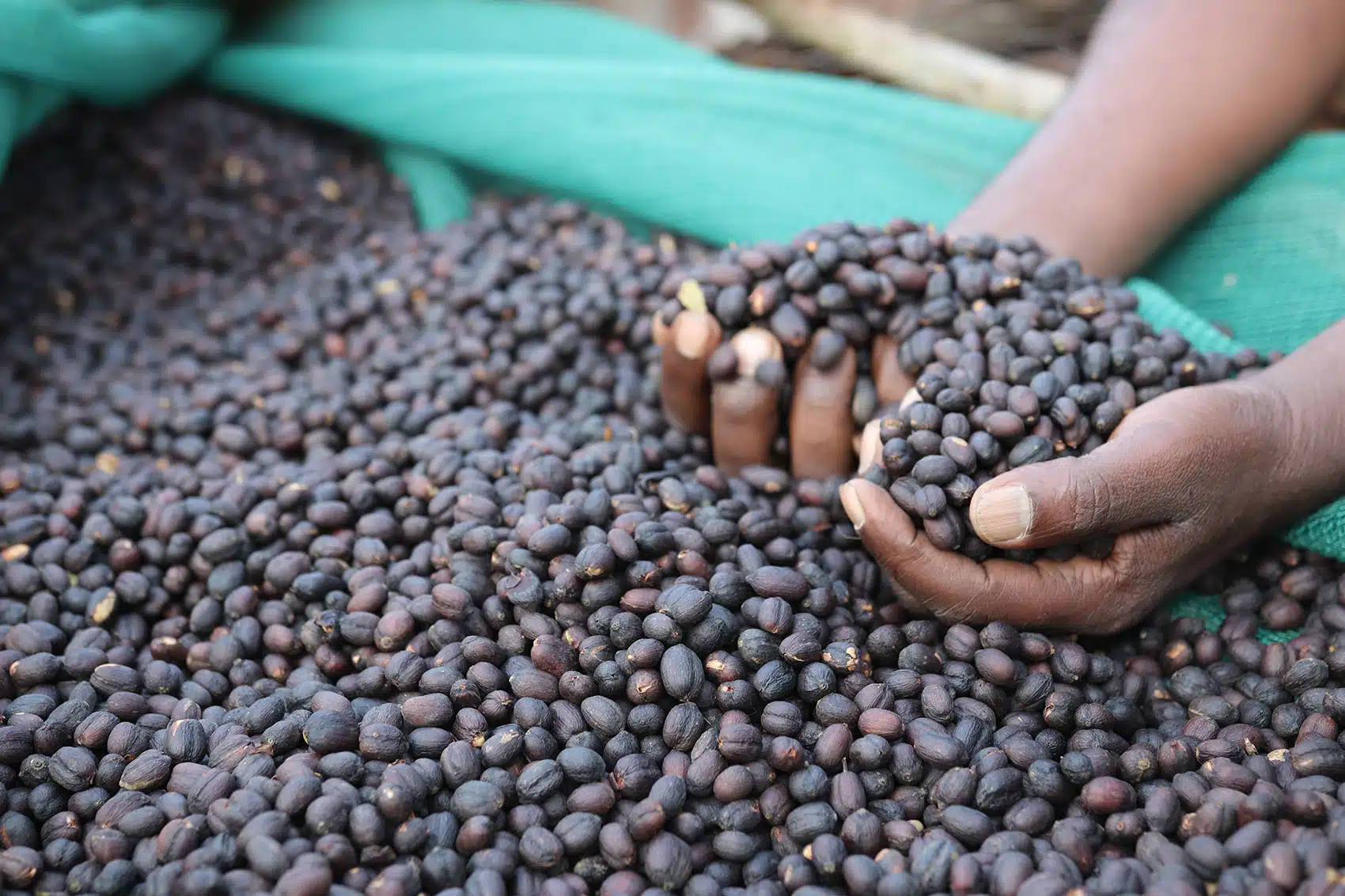
You’ll also need to decide on processing methods. Washed coffees are clean and bright, while natural-processed coffees are fruity and intense. Choosing the right beans and methods will shape the identity of your brand.
Step 4: Partner with a Roaster
Unless you plan to roast coffee yourself, you’ll need a private label roaster. This partner is essential because roasting is where the magic happens. Ethiopian beans are delicate, and a skilled roaster knows how to bring out their best flavors. A good roaster will work with you to create a custom roast profile that fits your brand’s identity.
Most private label roasters also help with packaging. This is your chance to make your brand stand out. Choose designs that reflect your story, and consider eco-friendly packaging if sustainability is part of your values. Many roasters also handle logistics and shipping, so you can focus more on marketing and selling your coffee instead of worrying about the supply chain.
Step 5: Build Your Marketing and Sales Strategy
Now that your coffee is ready, it’s time to connect with your customers. Having a professional e-commerce website is one of the best ways to start. Your site should make it easy for people to learn about your brand, explore your story, and buy your products with just a few clicks.
Content is another powerful tool. Share blog posts, social media updates, and emails that highlight the uniqueness of Ethiopian coffee. For example, you could write about “Why Ethiopia’s Guji Coffee is a Rising Star” or share videos of brewing tips.
On social media, show your packaging, post behind-the-scenes moments, and tell stories about the farmers. You can even collaborate with cafes, specialty stores, or influencers to reach a wider audience.
Don’t forget that Ethiopia’s biggest coffee export markets include the US, Saudi Arabia, China, and Germany, knowing this can help you plan where to focus your marketing efforts.
Step 6: Scale Your Brand
Once you’ve launched your private label Ethiopian coffee, think about growth. Start with small, consistent steps. Offer coffee subscriptions so customers can receive fresh bags every month. Add new flavors or single-origin beans to keep things exciting. Explore wholesale opportunities by supplying to cafes, offices, or hotels.
As your brand grows, focus on building a loyal community. Customers who feel connected to your story will keep coming back and will recommend your coffee to others. Scaling is about creating an experience that people trust and love.
Conclusion
Building your own private label Ethiopian coffee brand is an exciting journey. You’re not only creating a business but also honouring Ethiopia’s coffee heritage and sharing it with the world. By working with a trusted coffee exporter in Ethiopia, partnering with skilled roasters, and crafting a strong brand story, you can stand out in the crowded coffee market.