
Certified organic coffee bean exporters are at the center of global coffee trade. As demand for organic coffee grows, bulk buyers look for suppliers who can meet strict organic standards, follow export regulations, and deliver consistent quality. This guide breaks down how bulk organic coffee exports work, explains the role of certifications, and highlights the key points buyers check before selecting a reliable exporter.
Why Organic Coffee Is Sourced in Bulk for Global Trade
Organic coffee is commonly sourced in bulk because global demand depends on scale and consistency. Importers and distributors do not buy small quantities. They need reliable supply that can support long term sales, roasting schedules, and retail demand.
Buying organic coffee beans in bulk also helps businesses control costs. Larger orders reduce per unit shipping costs and simplify logistics planning. Bulk sourcing is especially important for markets with strict organic rules, where repeated small shipments increase risk and paperwork.
Bulk sourcing supports stable supply chains. Exporters plan harvest, processing, and storage based on confirmed bulk orders. This reduces delays and helps buyers receive consistent quality throughout the year.
Common reasons bulk buyers choose organic coffee include:
- Growing consumer demand for certified organic products
- Regulatory requirements in Europe, the USA, and the UAE
- Long term contracts with cafes, hotels, and coffee chains
- Better traceability when supply comes from organized bulk lots
How Coffee Qualifies as Certified Organic for Export
Certified organic coffee is not just coffee grown without chemicals. Certification involves strict rules, inspections, and documentation that follow the coffee from farm to export container.
Organic certification confirms that farming practices avoid synthetic fertilizers, pesticides, and genetically modified inputs. It also confirms that processing and storage follow organic handling rules.
For exports, certification must be valid and recognized by the importing country. Exporters must renew certificates regularly and maintain records for every shipment.
Key points that define certified organic coffee exports include:
- Farms are inspected by approved certification bodies
- Processing facilities follow organic handling standards
- Storage areas prevent contamination from non organic products
- Each export lot is traceable back to certified farms
- Documents match shipment quantity and batch codes
Certified organic coffee suppliers for importers must provide proof of certification along with export documents. Without valid certification, shipments can be rejected or delayed at destination ports.
How Organic Coffee Supply Chains Are Structured for Export
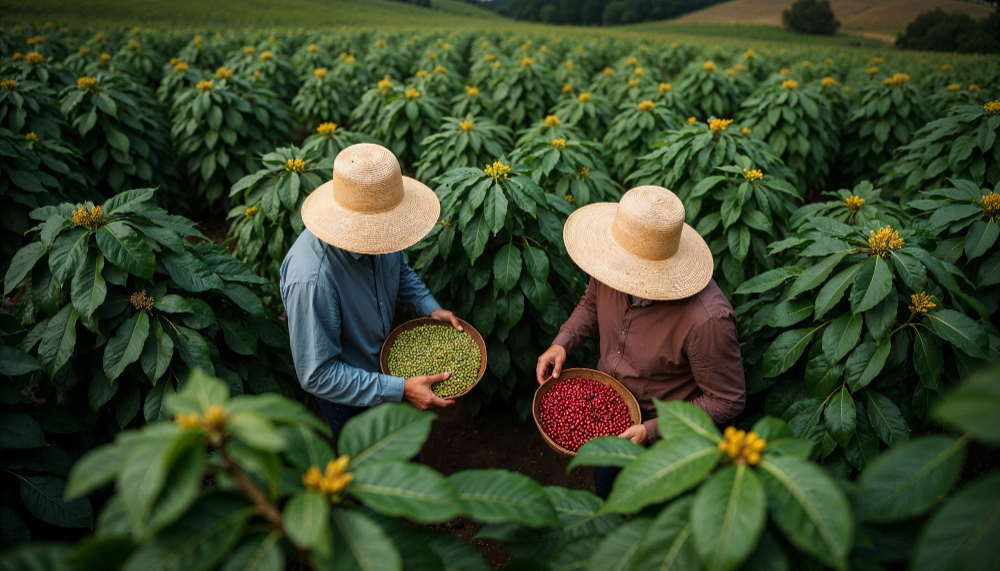
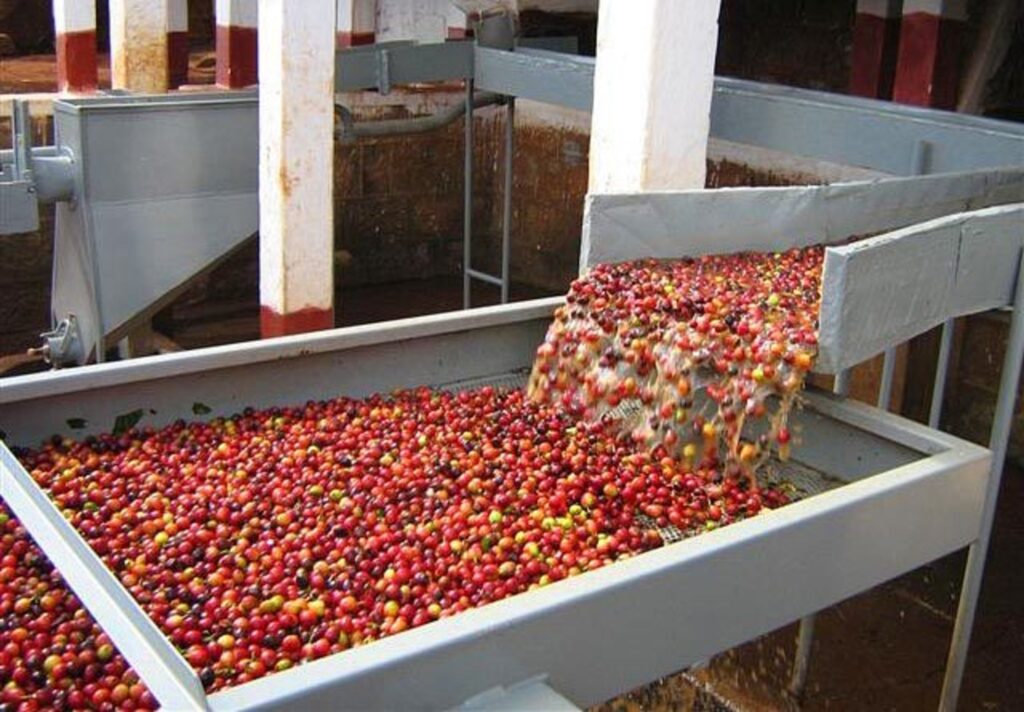
Organic coffee supply chains are designed to support traceability and quality control. In many producing regions, coffee comes from smallholder farmers. These farmers supply cherries to central processing facilities.
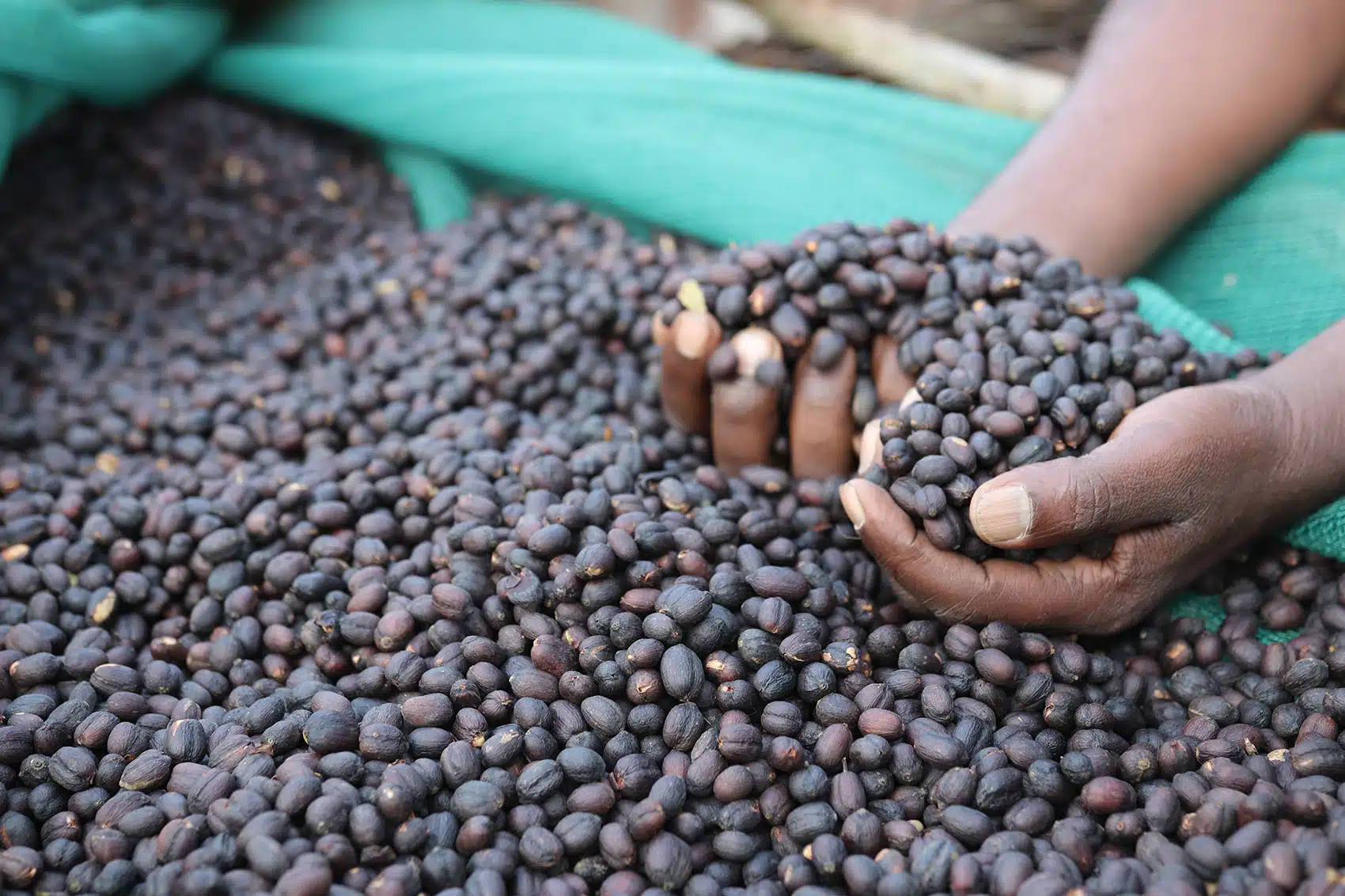
After harvest, coffee is processed using washed or natural methods. Processing choice affects flavor, appearance, and buyer preference. Export grade coffee is then dried, sorted, graded, and packed under controlled conditions.
Supply chains focus on traceability at every step. Each batch is tracked from farm group to processing site to export warehouse.
Typical export focused supply chain steps include:
- Collection of coffee cherries from certified farms
- Processing at centralized washing or drying stations
- Drying to safe moisture levels for storage and shipping
- Grading and defect removal for export quality
- Packing in approved bags for bulk shipment
This structured system helps exporters meet organic certification rules while delivering consistent bulk supply to international buyers.
Bulk Coffee Formats Available From Organic Exporters
Green Coffee Beans for International Import
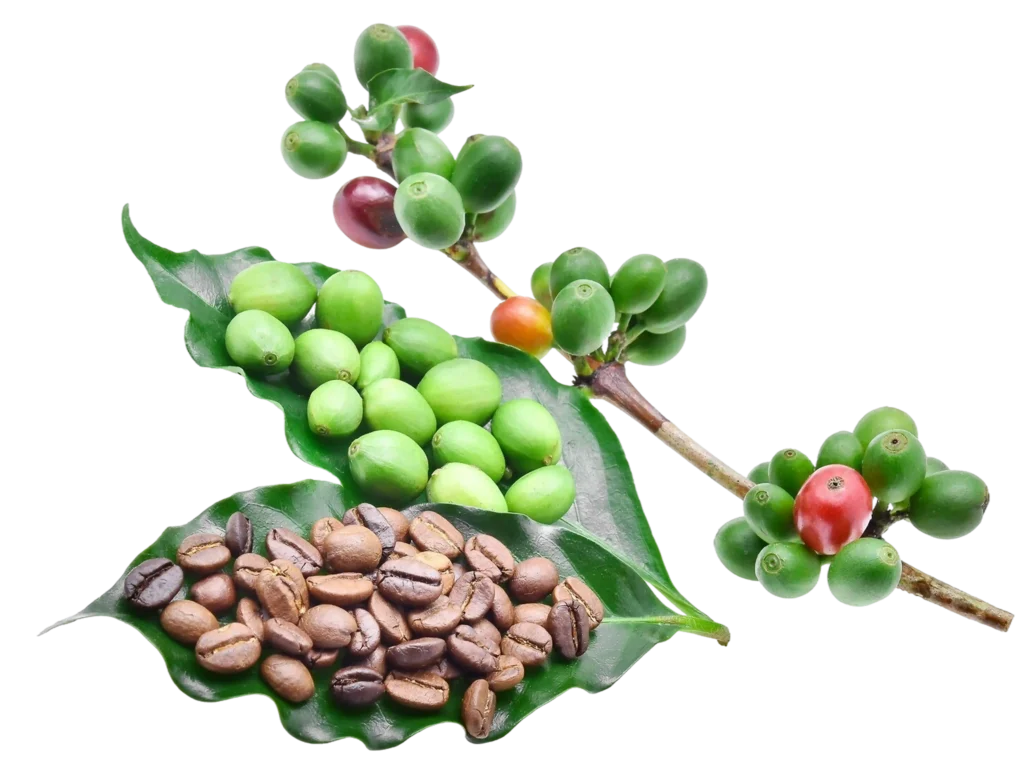
Green coffee beans are the most common format for bulk organic coffee exports. These are unroasted beans that buyers roast after import. Green beans have a longer shelf life and are easier to store and ship.
Importers and roasters prefer green coffee beans because they allow control over roast profiles and freshness. Green coffee beans are packed in bulk bags and loaded into containers for export.
Benefits of green coffee beans for bulk buyers include:
- Longer storage life compared to roasted coffee
- Lower risk of flavor loss during transit
- Flexibility for different roast styles
- Easier compliance with import regulations
Green coffee beans bulk orders are standard for large scale import and wholesale trade.
Roasted Coffee Beans for Wholesale Distribution
Some buyers choose organic roasted coffee beans for wholesale distribution. This option suits private labels, cafes, hotels, and retail chains that do not roast in house.
Roasted coffee exports require careful packaging to preserve freshness. Exporters must control roast consistency and pack beans in suitable materials.
Roasted coffee beans wholesale supply often includes:
- Standard roast profiles based on buyer needs
- Bulk packaging or branded packs for resale
- Clear labeling for organic compliance
- Shorter transit and delivery timelines
This format is less common than green beans but useful for specific wholesale markets.
Shipping Methods Used for Bulk Organic Coffee Exports
FOB and CIF Shipment Models Explained
Bulk organic coffee exports usually follow either FOB or CIF shipping terms. These terms define responsibility during transport.
Under FOB shipments, the exporter delivers goods to the port of loading. The buyer arranges shipping, insurance, and transport after that point.
Under CIF shipments, the exporter arranges shipping and insurance until the destination port. Buyers often choose CIF when they want simpler logistics.
Buyers select shipment models based on:
- Experience with international freight
- Cost control preferences
- Risk management strategy
- Port handling familiarity
Both shipment types are widely used in organic coffee trade.
Export Documents Required for Organic Coffee Trade
Export documentation is critical for bulk organic coffee shipments. Missing or incorrect documents can delay customs clearance or cause rejection.
Each shipment usually includes a set of standard documents prepared by the exporter.
Required documents often include:
- Commercial invoice
- Packing list
- Certificate of origin
- Phytosanitary certificate
- Certificate of inspection for organic products
These documents confirm product origin, quality, and compliance with organic and import regulations.
Import Markets for Certified Organic Coffee
Certified organic coffee is traded globally, but some markets show stronger demand due to regulations and consumer trends.
Europe remains one of the largest importers of organic coffee. Strict organic rules and high consumer awareness drive steady demand.
The United States also imports large volumes of organic coffee beans for roasting and distribution. Buyers often focus on traceability and certification records.
The UAE serves as a regional trade hub. Organic coffee beans are imported for local consumption and re export to nearby markets.
These regions require exporters to maintain strong compliance systems and accurate documentation.
Who Buys Organic Coffee Beans in Bulk
Bulk organic coffee buyers include a wide range of businesses across the coffee industry. Each buyer group has specific needs, but all require reliable supply and certification.
Common bulk buyers include:
- Importers and distributors supplying regional markets
- Specialty roasters sourcing single origin beans
- Coffee chains needing consistent quality across outlets
- Hotels and hospitality groups serving organic options
- Private label brands selling packaged coffee
Organic coffee beans supplier relationships are often long term. Buyers prefer exporters who can meet volume needs and maintain consistent standards.
How Bulk Organic Coffee Pricing Is Determined
Pricing for bulk organic coffee beans depends on several factors. Prices are not fixed because each shipment differs in quality, volume, and market conditions.
Key factors that influence bulk organic coffee pricing include:
- Grade and screen size of coffee beans
- Processing method such as washed or natural
- Organic certification costs
- Order volume and shipment size
- Global coffee market trends
Exporters usually provide quotes based on current conditions. This approach allows buyers to plan purchases with accurate cost expectations.
What Bulk Buyers Should Check Before Choosing an Exporter
Selecting the right exporter reduces risk and improves supply reliability. Buyers should evaluate exporters carefully before placing bulk orders.
Important checks include:
- Valid organic certification with current inspection reports
- Experience in bulk export shipments
- Clear traceability systems
- Knowledge of import regulations in destination markets
- Transparent communication and documentation
Careful selection helps buyers avoid delays, quality issues, and compliance problems.
FAQs
What certifications are required for organic coffee exports
Most importing markets require valid organic certification issued by recognized bodies. Certificates must match shipment details and be valid at the time of export.
What is the typical MOQ for bulk organic coffee beans
Minimum order quantities vary by exporter, but most bulk shipments start from pallet level orders or full container loads.
Are green coffee beans preferred for bulk import
Yes. Green coffee beans are preferred because they store longer and allow buyers to control roasting after import.
What is the difference between FOB and CIF shipments
FOB places shipping responsibility on the buyer after port loading. CIF includes shipping and insurance arranged by the exporter.
Which documents are mandatory for importing organic coffee
Common documents include invoice, packing list, certificate of origin, phytosanitary certificate, and organic inspection certificate.
Do organic exporters support private label bulk orders
Many exporters support private label supply for roasted coffee, depending on order size and packaging requirements.
How is traceability maintained in organic coffee exports
Traceability is maintained through batch records, farm group data, processing logs, and shipment documentation.
Which markets have strict organic compliance rules
Europe and the United States are known for strict organic import standards and regular inspections.
Building a Reliable Bulk Organic Coffee Supply
Certified organic coffee bean exporters play an important role in keeping global coffee trade reliable and transparent. For bulk buyers, knowing how organic certification works, how supply chains are managed, and which export documents are required helps reduce risk and avoid delays.When planned carefully and handled by exporters with proven compliance and experience, bulk sourcing results in smoother imports, consistent quality, and a more dependable long term supply in the organic coffee market.
Certified Ethiopian Organic Coffee Exporter for Bulk Orders
For buyers looking for a certified organic coffee exporter in Ethiopia, AMG Coffee offers a reliable solution for bulk sourcing. We supply certified organic Arabica coffee to global markets, focusing on traceable sourcing, strict organic compliance, and export ready quality. Our sourcing begins at high altitude farms and follows controlled processing practices supported by complete export documentation. Each bulk shipment is prepared to meet international trade requirements while maintaining consistent quality and transparency throughout the supply chain.