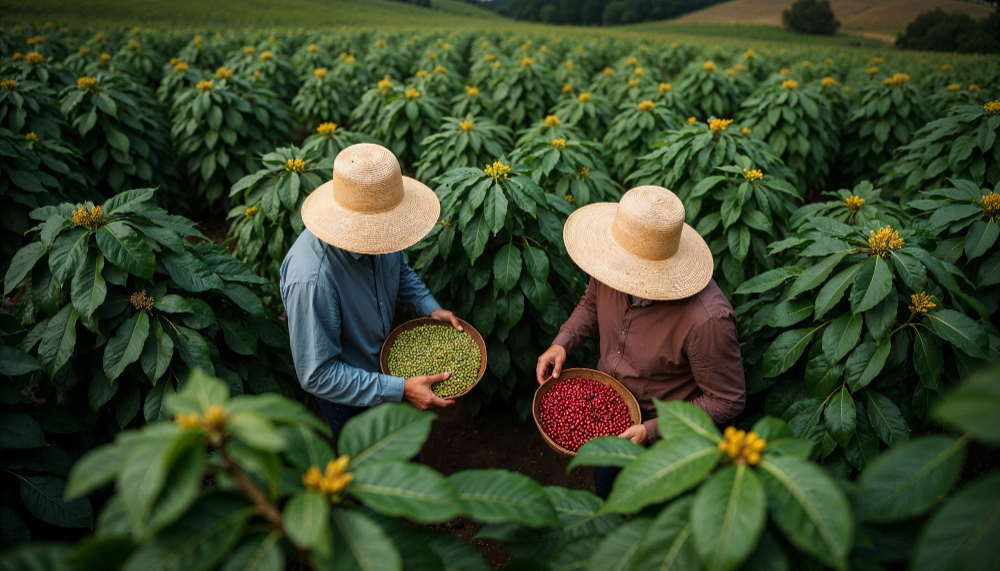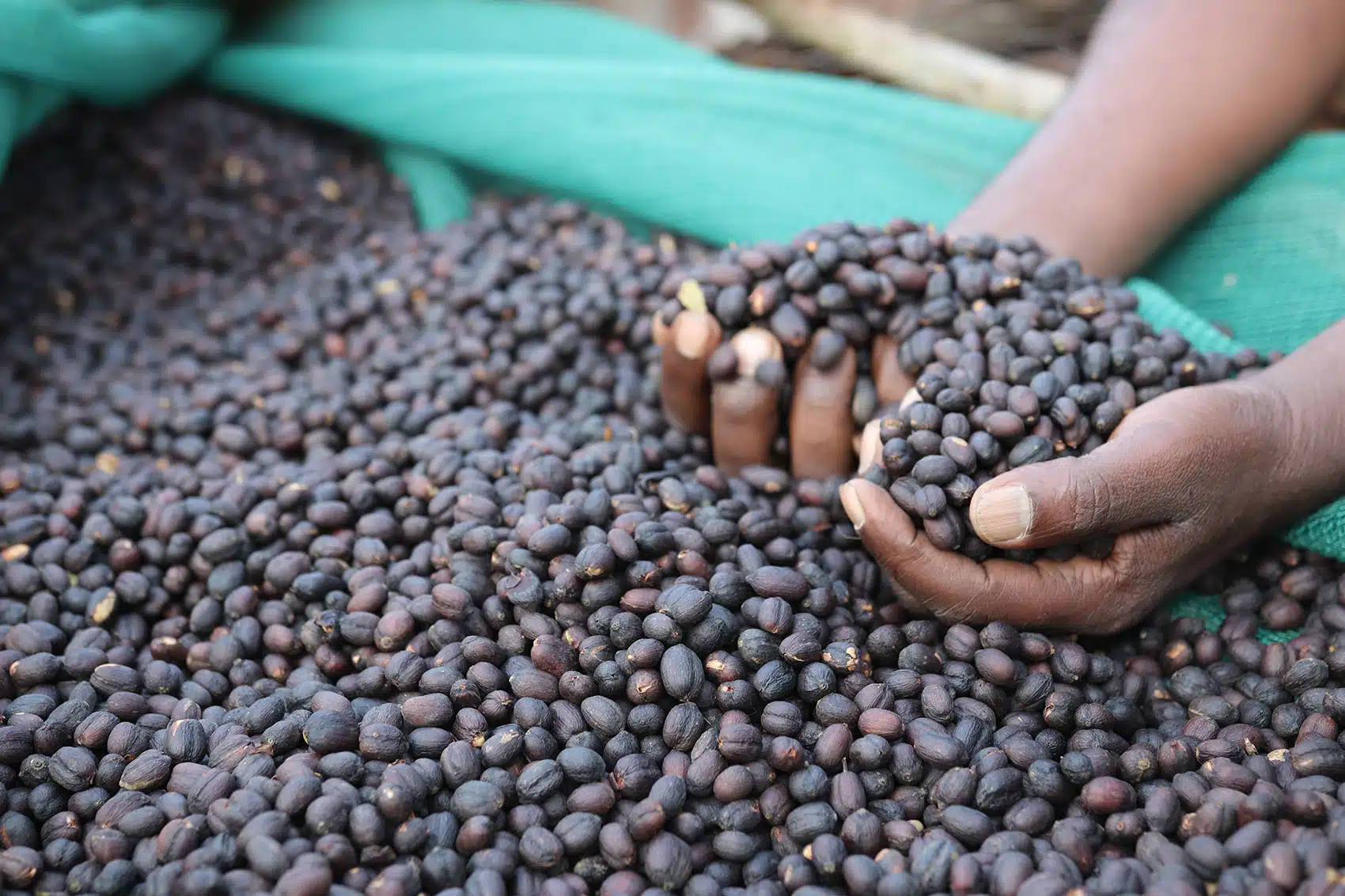
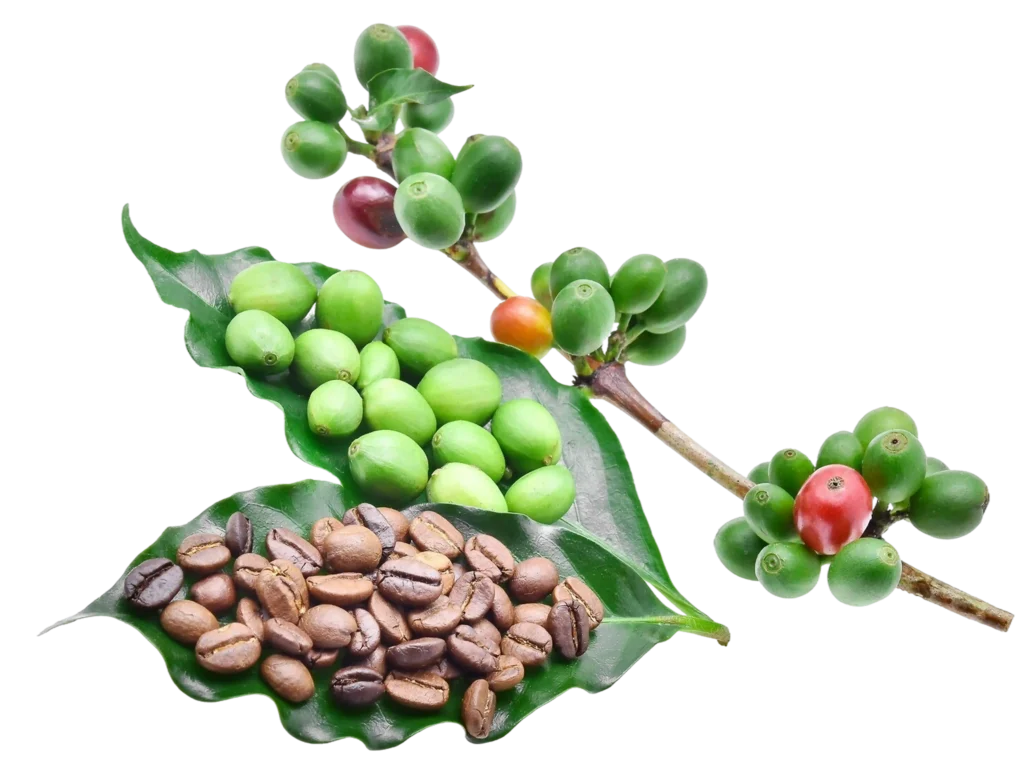
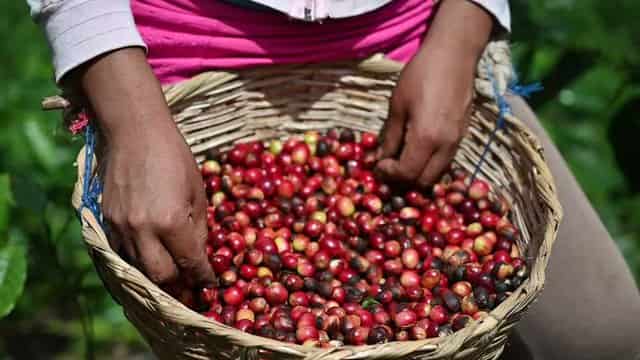
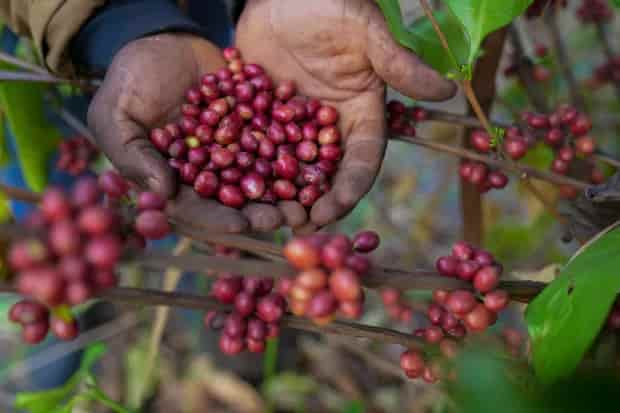
Ethiopia’s coffee sector is the backbone of the country’s agricultural economy, supporting millions of smallholder farmers and maintaining Ethiopia’s reputation as a leading coffee exporter. Coffee contributes significantly to national income and global trade, especially through premium Arabica varieties known for their unique flavour profiles. Ethiopian coffee exporters play a major role in promoting Ethiopia’s high-quality coffee in international markets.
However, farmers face growing challenges, including climate variability, fluctuating global prices, and a heavy dependence on a single crop. These pressures make diversification essential for long-term stability. By integrating alternative crops, improving value addition, and expanding market opportunities, Ethiopian coffee farmers can build more resilient livelihoods and strengthen the country’s export competitiveness.
Crop Diversification Through Agroforestry
Intercropping Systems
Agroforestry-based crop diversification allows Ethiopian coffee farmers to improve both productivity and income stability. Therefore, by intercropping coffee with bananas, avocados, papaya, and shade trees, farmers create a healthier growing environment that enhances soil fertility and regulates the microclimate.
These companion crops help reduce drought stress, support natural soil enrichment, and provide additional harvests throughout the year. As a result, farmers benefit from continuous income instead of relying solely on seasonal coffee sales, while maintaining a more sustainable and climate-resilient farming system.
Nitrogen-Fixing and Soil-Enhancing Plants
Integrating nitrogen-fixing and soil-enhancing plants such as legumes, Moringa, and Enset helps coffee farmers significantly improve soil health and farm resilience. Legumes naturally enrich the soil by fixing nitrogen, reducing the need for chemical fertilizers, while Moringa adds organic matter and boosts nutrient content.
Enset, widely used in southern Ethiopia, strengthens the soil structure, prevents erosion, and stabilises sloped farmlands. Together, these plants create a more fertile, moisture-retentive environment that supports healthier coffee trees and enhances long-term productivity.
Market & Product Diversification
Speciality, Organic, and Traceable Coffee
As global demand for premium Arabica continues to rise, Ethiopian farmers and exporters have significant opportunities in the speciality, organic, and traceable coffee segments. Markets in Europe, the U.S., and Asia increasingly value farms that produce high-quality beans with clear origin stories, ethical sourcing, and sustainable practices.
Certifications such as organic, Fair Trade, and Rainforest Alliance allow farmers to earn higher prices, while traceability systems help exporters showcase unique regional profiles from areas like Sidama, Yirgacheffe, and Guji. By focusing on quality and certification, Ethiopia can strengthen its position in the global premium coffee market.
Value-Added Processing
Improving value addition is one of the most effective ways to increase earnings across the supply chain. Upgrading washed and natural processing methods results in better flavour consistency and higher cupping scores, attributes sought by speciality buyers.
Local roasting, packaging, grading, and branding allow Ethiopia to capture more value instead of exporting mainly raw green beans. Small cooperatives and private Ethiopian coffee exporters investing in modern wet mills, eco-pulpers, and professional grading equipment can significantly boost export margins and product competitiveness.
Expanding Market Reach
Shifting global consumption trends offer Ethiopian farmers and exporters new avenues for growth. Demand for speciality Arabica is rapidly expanding in Asian markets such as China, Japan, and South Korea, where consumers increasingly seek unique, high-quality coffees. Niche roasters in the EU and U.S. continue to explore single-origin Ethiopian coffees, providing opportunities for direct trade relationships.
Additionally, the African Continental Free Trade Area (AfCFTA) is opening doors for intra-African exports, enabling Ethiopian coffee to reach regional markets with fewer trade barriers and reduced dependency on traditional Western destinations. These diversified market channels help create a more resilient and stable coffee export industry.
Livestock & Non-Coffee Product Diversification
Beekeeping and Honey Production
Beekeeping is one of the most profitable and sustainable diversification options for Ethiopian coffee farmers. Coffee blossoms provide abundant nectar, allowing farmers to produce high-quality honey alongside their coffee harvests. This creates an additional income stream without requiring extra land.
At the same time, bees improve coffee pollination, which can boost yield and enhance bean quality. With Ethiopia already recognised for its traditional and modern honey production, integrating beekeeping into coffee farms strengthens both ecological balance and farmer income.
Small Livestock Integration
Integrating small livestock such as goats, sheep, and poultry into coffee-based agroforestry systems allows farmers to diversify income while maximising land use. These animals contribute to the ecosystem by providing natural manure that enriches soil fertility, reducing reliance on chemical fertilisers.
Livestock sales also offer quick financial returns during periods when coffee prices fall or when households need immediate cash. This creates a more stable livelihood system that balances long-term and short-term income sources.
Support Systems and Enabling Environment
Role of Cooperatives
Cooperatives play a crucial role in strengthening Ethiopia’s coffee value chain by offering farmers collective bargaining power, shared equipment, and access to essential training programs. Through cooperatives, smallholders can pool resources to invest in wet mills, improve processing standards, and meet the requirements of speciality coffee buyers and Ethiopian coffee exporters.
These organisations also help farmers gain certifications, enter premium markets, and negotiate better prices, ensuring that more value stays at the community level.
Government and Private Sector Investment
Continued investment from both government and private stakeholders is essential for supporting diversified and modernised coffee farming. Improvements in rural infrastructure, such as roads, storage facilities, and irrigation systems, directly enhance productivity and market access.
Government-led research centres and extension services ensure farmers receive improved seedlings, climate-resilient varieties, and technical guidance. At the same time, private investors are encouraged to develop value-added industries, such as roasting, packaging, and export-focused processing facilities, further strengthening Ethiopia’s position in the global market.
Climate-Adaptation Strategies
Climate change poses increasing risks to Ethiopia’s coffee sector, making adaptation strategies a key part of long-term resilience. Shade-grown systems help regulate temperature, conserve soil moisture, and protect coffee plants from heat stress.
Farmers are also adopting drought-resistant varieties and gradually shifting cultivation to higher altitudes where conditions remain favourable. These adaptation practices not only safeguard yields but also ensure that Ethiopia continues to produce high-quality Arabica coffee despite evolving environmental pressures.
Conclusion
Diversification helps coffee farmers in Ethiopia stay strong and stable. Farmers can grow other crops, raise animals, or try beekeeping along with coffee. This gives them more than one source of income, reduces the effect of weather changes or price drops, and helps them protect their land for the future.
Through agroforestry, livestock, beekeeping, and market expansion, farmers can build resilience against climate and price volatility, sustaining Ethiopia’s premium Arabica leadership via cooperatives, infrastructure, and exporter partnerships. This helps Ethiopia to increase its exports and build a more successful farming community.