
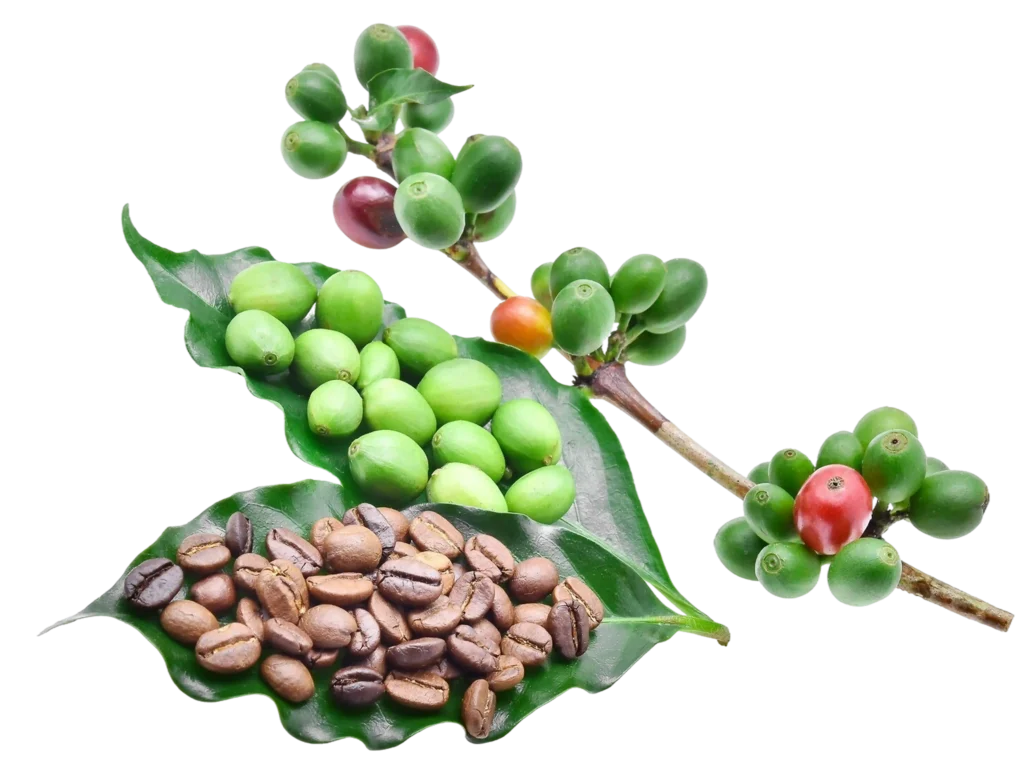
Ethiopian Bonga Coffee
Bonga coffee is sourced from organised smallholder farmers in the Kaffa Zone of South West Ethiopia Peoples’ Region, Ethiopia, where heirloom Arabica varieties are cultivated in forest and semi-forest environments. AMG Coffee Export ensures structured lot selection, careful processing supervision, standardised quality grading, and end-to-end export coordination for international speciality and bulk buyers.
Ethiopian Bonga Coffee – Region Overview
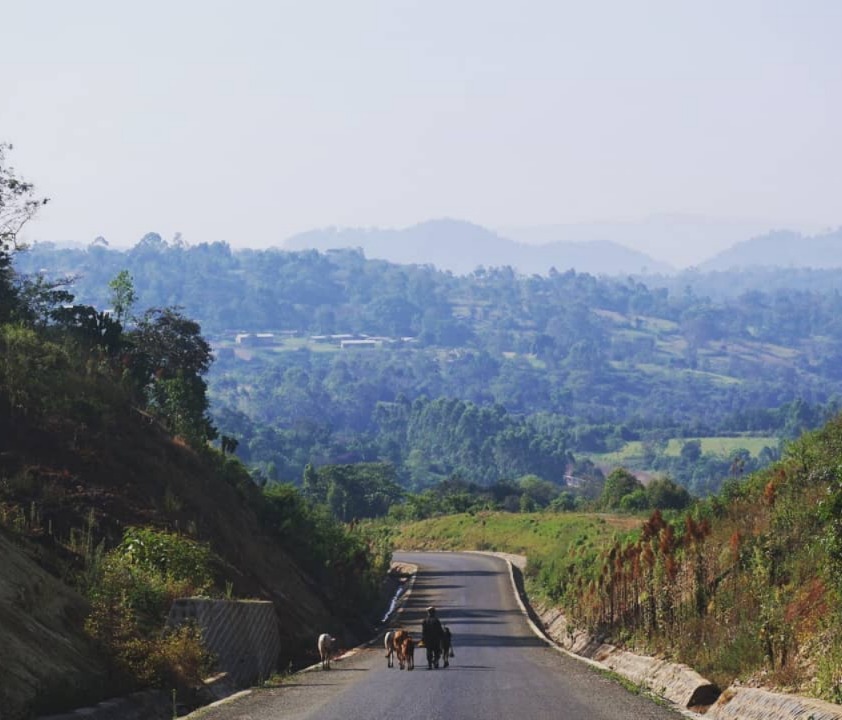
Bonga coffee originates from the town of Bonga, located in the Kaffa Zone in Southwestern Ethiopia. This area is widely regarded as the birthplace of coffee, where wild Arabica coffee continues to grow in natural forest ecosystems. Its rich biodiversity and preserved montane rainforests make Bonga one of Ethiopia’s most significant coffee-producing landscapes.
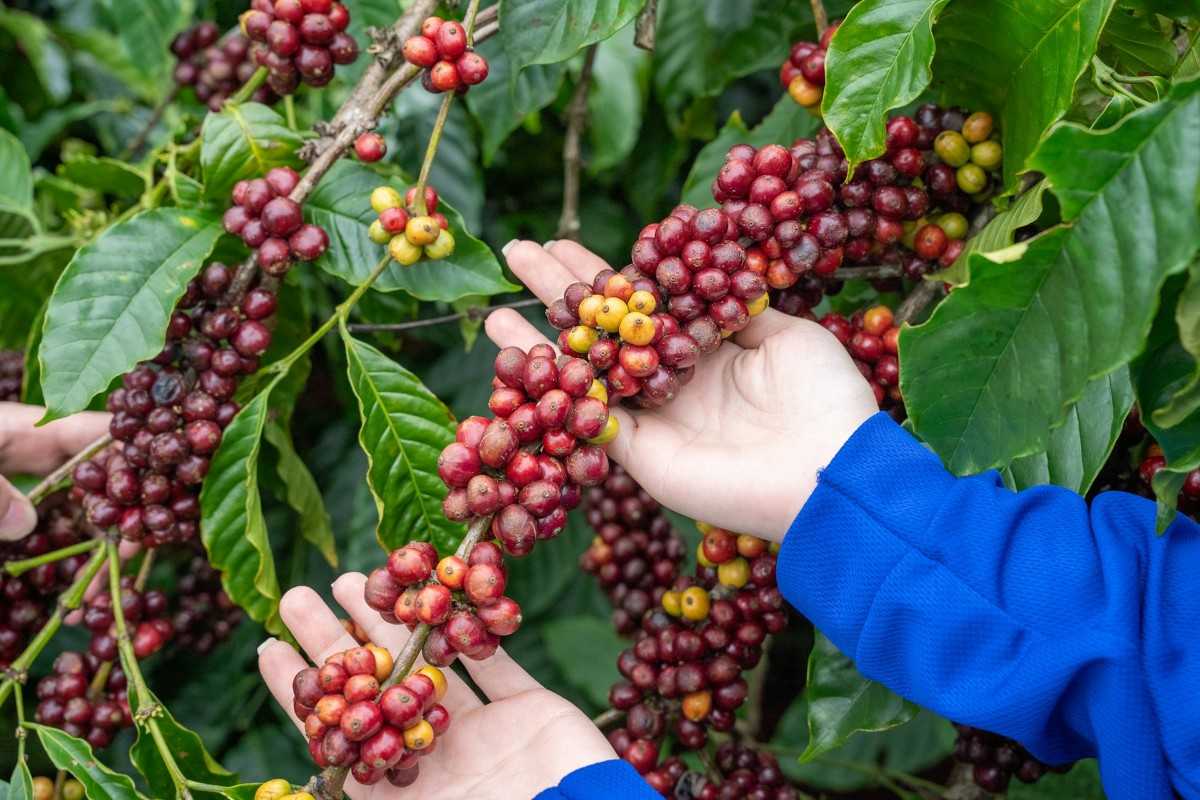
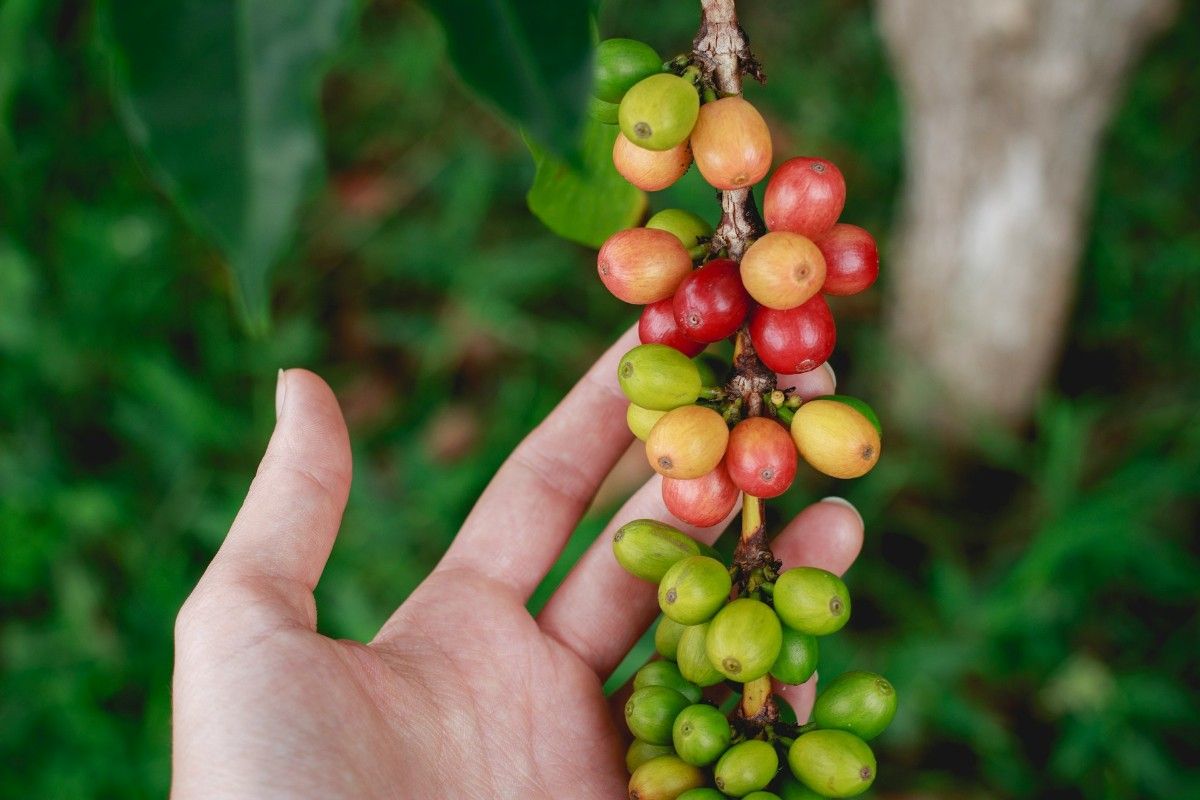
Coffee production in Bonga is largely managed by smallholder farmers cultivating heirloom Arabica varieties within the forest and semi-forest systems. Farms are typically situated at elevations between 1,600 and 2,000 meters above sea level, supported by fertile soil, balanced rainfall, and natural shade coverage. AMG Coffee Exports works closely with producer networks in the Bonga area for lot selection, standardised grading compliance, and efficient export logistics.
Bonga Coffee Profile
- Origin: Bonga, Kaffa Zone, South West Ethiopia Peoples’ Region, Ethiopia
- Altitude: 1,600–2,000 meters above sea level
- Bean Type: 100% Ethiopian Arabica
- Processing: Natural (sun-dried); Washed lots available
- Acidity: Medium to Bright
- Body: Medium to Full
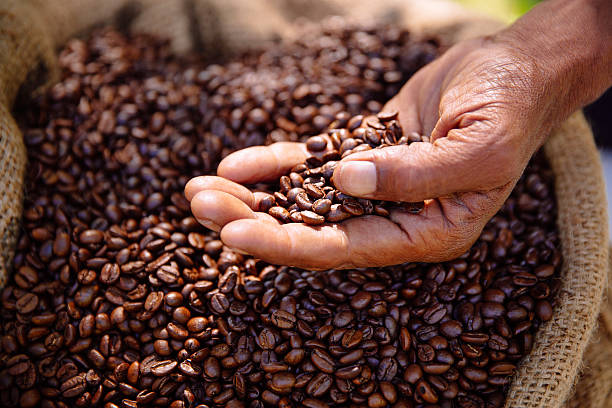
- Flavor Notes: Wild berries, floral aromatics, cocoa undertones, soft spice, honey-like sweetness
Supply Formats Designed for Trade & Distribution
Retail Distribution & Smaller Volume Orders
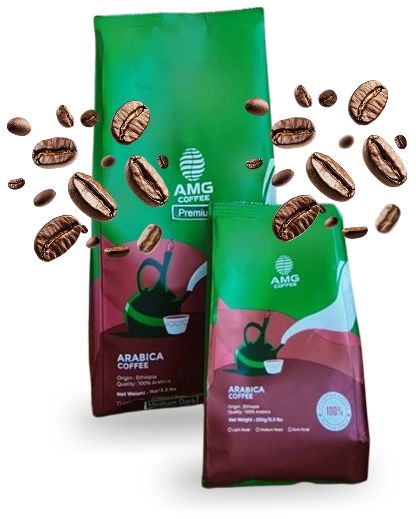
- Pack Sizes: 50g, 100g, 250g, 500g, 1kg, 5kg
- Roast Levels: Light, Medium, Dark
- Grind Options: Coarse, Espresso, Fine, Medium, Medium Coarse, Roasted Bean
- Packing: Freshly packed with controlled sealing
- Coffee Types: Blend Mix Arabica Coffee









AMG Coffee Export maintains compliance with international trade and quality frameworks
- USDA Organic Certification
- ISO 9001
- Halal Certification
- ECX Export License
- FDA Registered Facility
- Ethiopian Coffee Quality Certification
- International Coffee Organization
- Certificate of Competence for Coffee Exporters
- Ethiopia Conformity Assessment Enterprise
- EU Organic Certification
Our Operational Strength & Trade Infrastructure
Farm-Level Sourcing & Lot Selection
Direct partnerships in Southwestern Ethiopia with controlled grading and moisture stabilization.
Packing & Container Planning
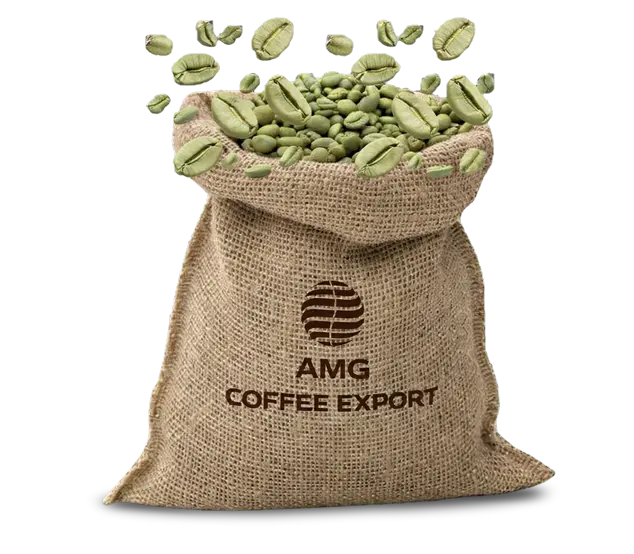
Export-grade jute bagging, container load optimization, and moisture control within 10–12%.
Licensed Export & Documentation
Full export documentation including Certificate of Origin, Phytosanitary Certificate, Commercial Invoice, and shipment coordination.
Dedicated Trade Support
Responsive export team managing buyer communication, documentation, and post-shipment follow-up.
Frequently Asked Questions (FAQs)
Ethiopian Bonga coffee is cultivated at elevations ranging approximately from 1,600 to 2,000 meters above sea level. These higher altitudes create cooler growing conditions that slow the maturation of coffee cherries. The extended ripening period enhances sugar concentration and density within the beans, resulting in sweetness and greater aromatic complexity in the final cup.
Yes. Ethiopian Bonga coffee is predominantly processed using the natural (sun-dried) method, which develops fruit-forward sweetness and fuller body. Washed lots are also available for buyers seeking a cleaner profile with brighter acidity and defined flavour clarity. Structured lot separation allows bulk buyers to select processing types based on their roasting and market requirements.
Ethiopian Bonga coffee is available in Grade 1, Grade 2, Grade 3, and Grade 4, in accordance with national coffee grading standards. Grade 1 and 2 lots are preferred for speciality roasting due to higher cup quality, while Grade 3 and 4 are suitable for commercial roasting programs and larger distribution channels.
Ethiopian Bonga coffee is known for its balanced to bright acidity and medium to full body. Generally, the cup notes include wild berries, floral aromatics, cocoa undertones, light spice, and honey-like sweetness. Flavour varies depending on processing method and grade level, providing flexibility for different roast levels.
Bonga coffee originates from the forested landscapes of the Kaffa area, popular as the birthplace of Arabica coffee. The coffee production in the Bonga region relies on forest and semi-forest cultivation methods, unlike fully cultivated garden systems found in other regions. This natural environment contributes to the unique aroma, genetic diversity, and layered cup complexity of Bonga coffee.