What makes Ethiopian coffee special, and how are farmers creating flavors that taste so unique? In Ethiopia, coffee producers are experimenting with new processing methods that go beyond traditional washed, natural, or honey techniques. These experimental Ethiopian coffee processing methods bring out bold, complex flavors that delight coffee enthusiasts and allow Ethiopian coffee exporters to offer unique, high-quality beans to speciality markets around the world.
Let us first understand what traditional coffee processing is, how it differs from experimental methods, and then explore the major experimental techniques shaping the future of Ethiopian coffee.

What is Traditional Coffee Processing?
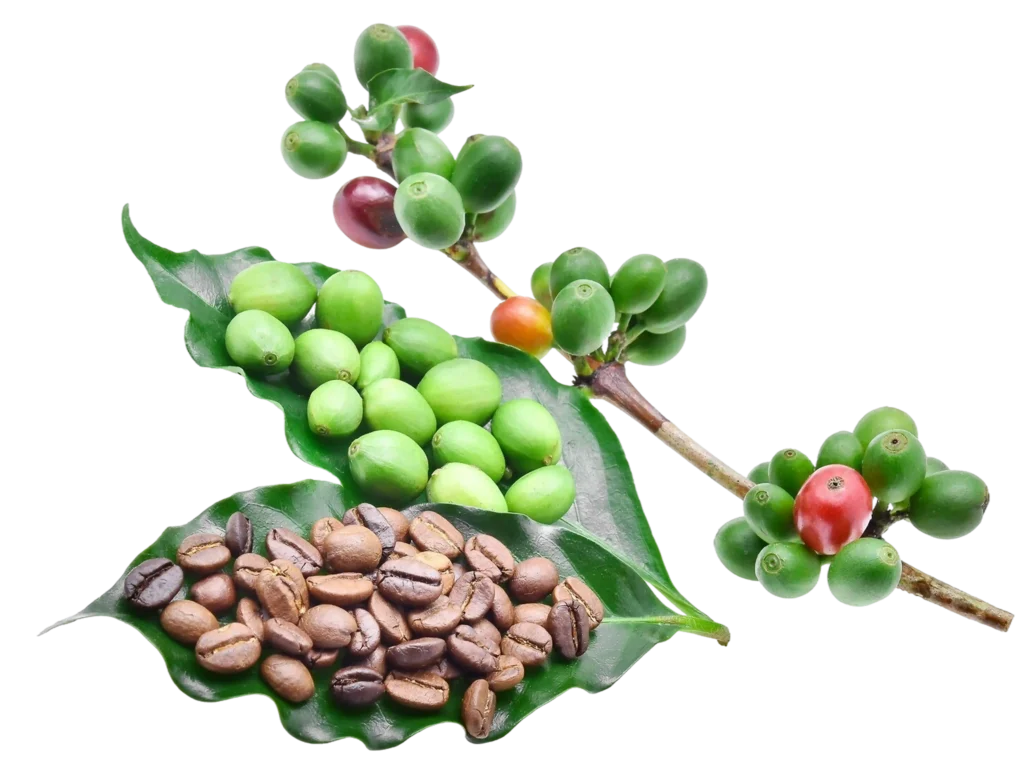
Traditional coffee processing refers to the classic methods used to transform freshly harvested coffee cherries into green beans ready for roasting. These methods have been used for generations in Ethiopia and are known for producing consistent and high-quality flavours. The most common traditional processes include:
Washed (Wet) Process
In the washed wet process, coffee cherries are first pulped to remove the outer skin. The beans are then fermented in water for several hours to break down the sticky mucilage around them. After fermentation, the beans are carefully washed and dried in the sun or using drying machines.
This method produces a clean and bright cup with crisp flavours. It often highlights floral or citrus notes and is widely used to create consistent, high-quality Ethiopian coffee that is prized in both local and international markets.
Natural Process
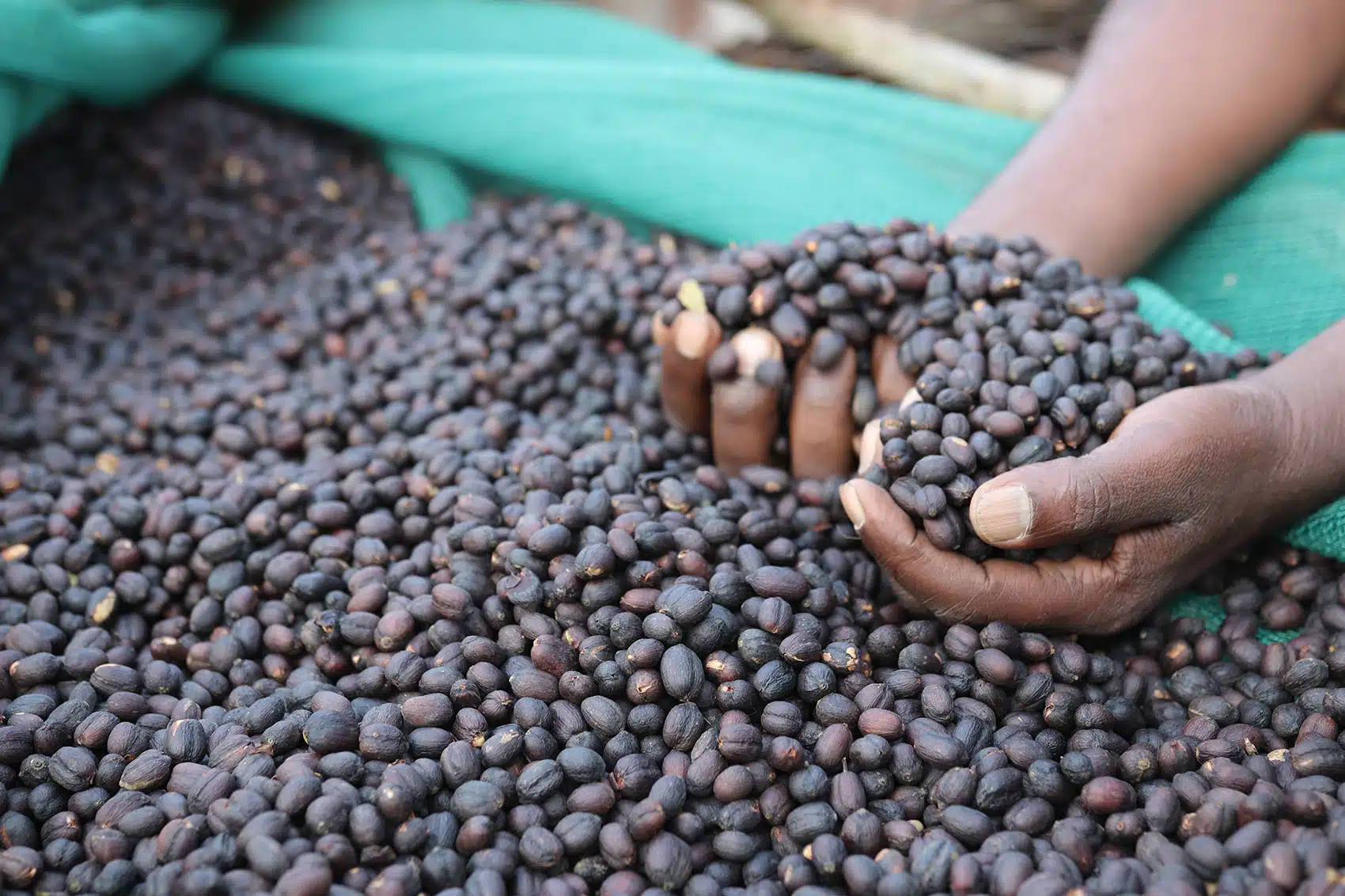
In the natural process, whole coffee cherries are dried in the sun without removing the skin or pulp. Drying can take several weeks, depending on the weather, and the beans must be carefully monitored to avoid over-fermentation or mould.
This method produces coffee with fruity and wine-like flavours and a heavier body. It often brings out complex notes such as berries, chocolate, or tropical fruit, giving each cup a rich and distinctive taste that highlights the unique character of Ethiopian coffee.
Honey (Semi-Washed) Process
In the honey or semi-washed process, part of the sticky mucilage is left on the coffee beans during drying. This means the beans are not fully washed like in the wet process, but not left completely whole like in the natural process.
This method creates a balanced cup with moderate acidity and a medium body. It combines the fruity sweetness of natural processing with the clarity of washed coffee, often bringing subtle caramel, fruit, or floral flavors to the cup.
How Experimental Coffee Processing Differs from Traditional Methods?
While traditional coffee processing focuses on consistency, clarity, and highlighting the natural characteristics of the bean, experimental coffee processing pushes the boundaries of flavour and complexity. Here’s how they differ:
Focus and Goals
- Traditional Processing: Aims to produce a clean, balanced cup that showcases the inherent qualities of the coffee variety and region.
- Experimental Processing: Seeks to create new sensory experiences by manipulating fermentation, drying, or co-processing methods. The goal is often bold, unique, and sometimes unexpected flavours.
Control and Complexity
- Traditional: Follows established procedures (washed, natural, or honey) with minimal variables. Fermentation and drying times are predictable and standardised.
- Experimental: Involves multiple variables such as oxygen levels, fermentation time, microbial cultures, and tank conditions. Farmers must carefully control these factors to achieve the desired flavour profiles.
Flavor Profiles
- Traditional: Produces predictable flavours; washed coffees are clean and bright, naturals are fruity and full-bodied, honey processed coffees are balanced and sweet.
- Experimental: Can produce unusual or exotic flavours, such as wine-like, herbal, tropical fruit, or yoghurt-like notes, depending on the method used.
Techniques and Innovation
- Traditional: Uses time-tested methods passed down through generations.
- Experimental: Introduces innovative techniques such as anaerobic fermentation, carbonic maceration, lactic fermentation, and co-fermentation to create unique cup experiences.
Market Positioning
- Traditional: Appeals to consumers seeking classic, reliable Ethiopian coffee flavours.
- Experimental: Targets speciality markets looking for rare, high-value coffees with distinctive, complex flavours.
Major Experimental Coffee Processing Methods
Ethiopian coffee producers have embraced innovative methods to create unique flavours and aromas. These experimental Ethiopian coffee processing techniques allow farmers to highlight complexity and bring out bold, distinctive cup profiles. Some of the major methods include:
Anaerobic Fermentation
Anaerobic fermentation is a method where coffee cherries are fermented in a container without oxygen, usually in sealed tanks or barrels. Because there is no exposure to air, the fermentation process happens more slowly, allowing the sugars in the coffee to break down gradually. This careful control helps produce deeper and more complex flavours compared to traditional washed or natural methods.
Farmers can ferment whole cherries for several days, sometimes up to ninety-six hours, or use the anaerobic washed method, where the beans are separated from the skin, pulp, and mucilage before fermentation. The result is coffee with fruity and wine-like notes, a fuller body, and a richer cup that highlights the unique character of Ethiopian coffee.
Carbonic Maceration
Carbonic maceration is a fermentation method inspired by winemaking in France. In this process, the coffee cherries are placed in sealed containers, and the air is replaced with carbon dioxide. This creates an environment without oxygen, allowing the coffee to ferment slowly and develop unique flavours.
The result is coffee with bright, fruity and wine-like notes, often accompanied by herbal, floral, or tropical fruit flavours. This method creates a distinctive and complex cup that is highly valued in the speciality coffee market and highlights the innovative potential of Ethiopian coffee producers.
Lactic Fermentation
Lactic fermentation is a method where lactic acid cultures are added to the coffee during fermentation. This process is similar to how foods like sourdough bread or fermented vegetables are made. It allows the coffee to develop a creamy texture and unique flavours that are different from traditional methods.
Lactic-fermented coffees often have a smooth and rich mouthfeel with subtle yoghurt-like notes. Both lactic-washed and lactic natural coffees are becoming more popular as they add complexity and sweetness to the cup while keeping the distinct character of Ethiopian coffee.
Co-Fermentation
Co-fermentation is a method where different coffee varieties or other natural ingredients are fermented together. This process encourages interaction between the beans and added elements, creating new and layered flavours.
The result is a coffee with complex and interesting taste profiles that are different from what traditional processing produces. Co-fermented coffees allow farmers to experiment and bring out unique characteristics while still keeping the natural essence of Ethiopian coffee.
Conclusion
Experimental Ethiopian coffee processing is redefining the world of speciality coffee. Furthermore, with techniques such as anaerobic fermentation, carbonic maceration, lactic fermentation, and co-fermentation, producers are creating bold, complex flavours that go far beyond traditional washed, natural, or honey processes.
These innovations not only delight coffee enthusiasts with unique sensory experiences but also provide coffee exporters with opportunities to access premium markets and differentiate their offerings.
As Ethiopia continues to experiment and innovate, the future of its coffee promises a rich diversity of flavours, making it an exciting destination for both speciality coffee lovers and the global coffee industry.