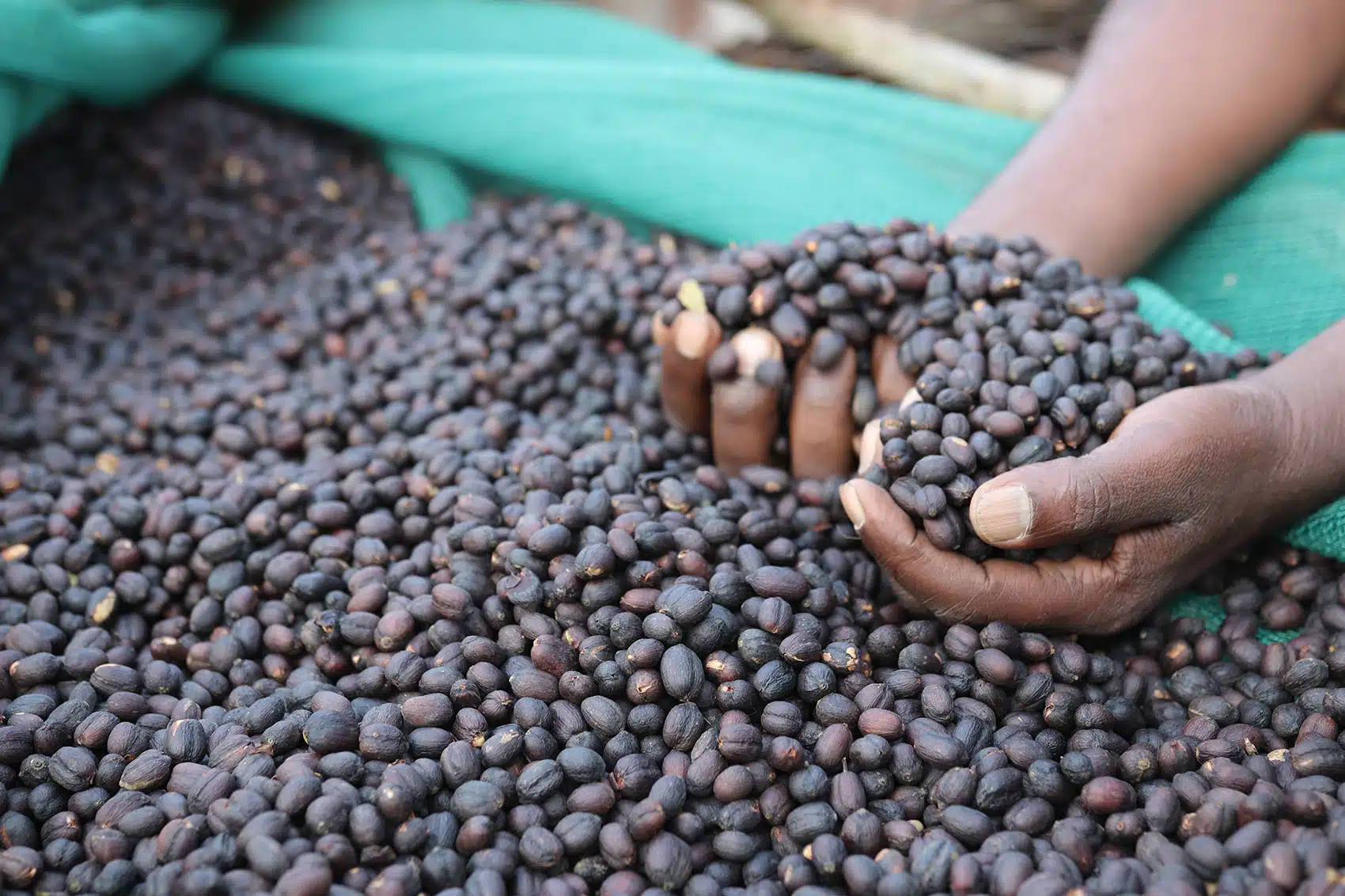
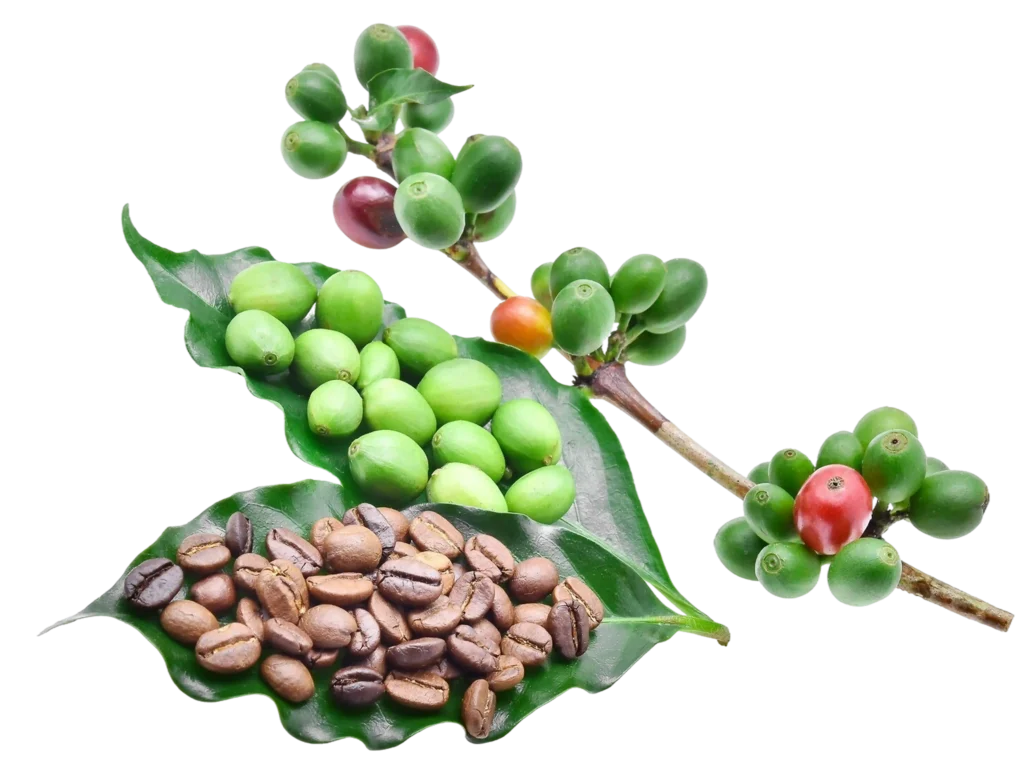

If you’re a coffee enthusiast, there’s nothing quite like the complex flavors of Ethiopian coffee. Known as the birthplace of coffee, Ethiopia produces beans celebrated for their floral aromas, bright acidity, and fruity undertones. Using freshly roasted Ethiopian espresso beans, you can create an array of coffee drinks that bring out their natural vibrancy and distinctive taste.
Here are five must-try recipes that highlight the best of these incredible beans.

1. Classic Ethiopian Espresso Shot
Sometimes the simplest way to enjoy a high-quality bean is in its purest form. An espresso shot made from Ethiopian espresso beans delivers an intense and aromatic experience. You’ll notice notes of blueberry, citrus, and jasmine depending on the roast.
How to make it:
- Grind your beans finely.
- Use 18–20 grams of coffee.
- Pull a 25–30 second shot.
Sip slowly to appreciate the natural flavors that make Ethiopian beans so prized among coffee enthusiasts.
2. Honey-Infused Macchiato
Ethiopian beans already have floral, honey-like sweetness. When you pair them with a touch of real honey in a macchiato, the flavors reach a new dimension. This recipe is especially satisfying for those who like a hint of sweetness without overwhelming the coffee’s character.
How to make it:
- Pull one shot of Ethiopian espresso.
- Add a teaspoon of honey.
- Top with a thin layer of silky steamed milk foam.
The result is a balanced drink that enhances rather than masks the natural profile of the coffee.
3. Iced Ethiopian Cold Brew
For warm days, cold brew is the perfect way to highlight the fruity and wine-like qualities of Ethiopian coffee. The slow steeping process extracts smooth flavors with less acidity, while still preserving the beans’ unique brightness.
How to make it:
- Coarsely grind your beans.
- Steep in cold water for 12–16 hours.
- Strain and serve over ice.
Add a slice of orange or a cinnamon stick for an aromatic twist. The result is refreshing, fruity, and naturally sweet.
4. Spiced Ethiopian Cappuccino
This recipe draws inspiration from Ethiopia’s rich coffee traditions, where spices often play a role in enhancing the brew. A cappuccino made with Ethiopian espresso beans, topped with a sprinkle of cardamom or cinnamon, celebrates both tradition and flavor.
How to make it:
- Pull one shot of Ethiopian espresso.
- Froth equal parts of milk for a classic cappuccino texture.
- Dust with cardamom, cinnamon, or nutmeg.
The spices highlight the natural floral and citrus notes, making this a comforting yet sophisticated beverage.
5. Ethiopian Mocha With Dark Chocolate
The fruity brightness of Ethiopian beans pairs beautifully with dark chocolate. A mocha made this way isn’t overly sweet but offers a decadent, layered experience.
How to make it:
- Pull a double shot of Ethiopian espresso.
- Stir in a spoonful of melted dark chocolate.
- Finish with steamed milk and a thin foam layer.
This drink delivers richness while allowing the signature coffee flavors to shine.
Why Ethiopian Coffee Shines
Ethiopian espresso beans are unique because they come from some of the most diverse coffee-growing regions in the world. Whether from Yirgacheffe, Sidamo, or Harrar, the beans carry distinct flavors influenced by terroir and traditional processing methods. That’s why coffee exporters from Ethiopia play such a vital role in the global coffee scene—bringing these complex and authentic flavors to coffee lovers everywhere.
When freshly roasted, Ethiopian beans don’t need much embellishment. Their natural fruitiness, floral character, and smooth body make them perfect for both simple and creative recipes. By experimenting with espresso, cold brew, and spiced or chocolate-infused drinks, you can unlock entirely new experiences from the same batch of beans.
Final Thoughts
If you’re passionate about coffee, Ethiopian espresso beans are a must-have for your brewing experiments. Each recipe above puts a spotlight on their unique qualities, whether you prefer something bold and pure like a straight espresso or inventive twists like a spiced cappuccino or honey macchiato. Next time you brew, try one of these recipes and experience why Ethiopia is often called the heart of coffee culture.