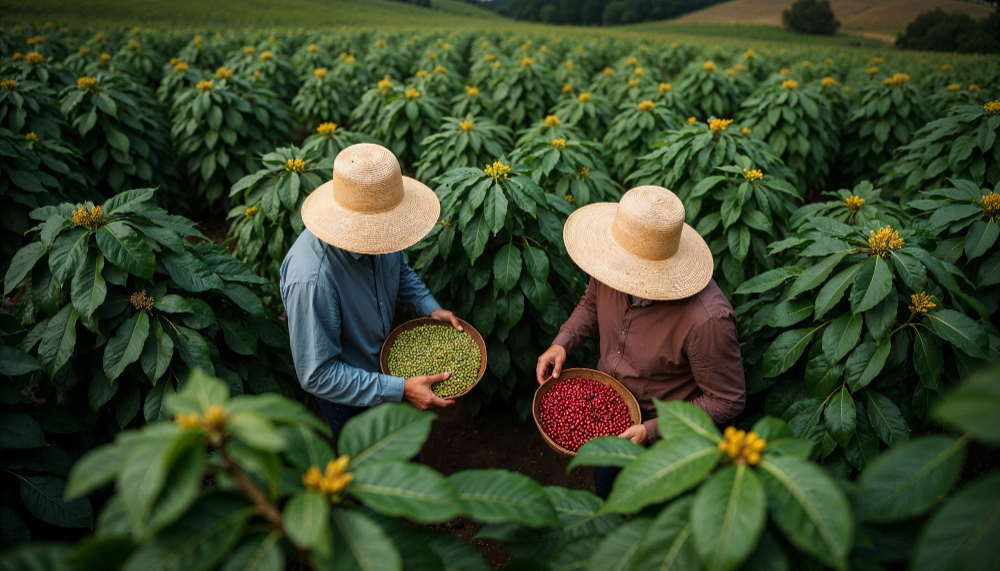
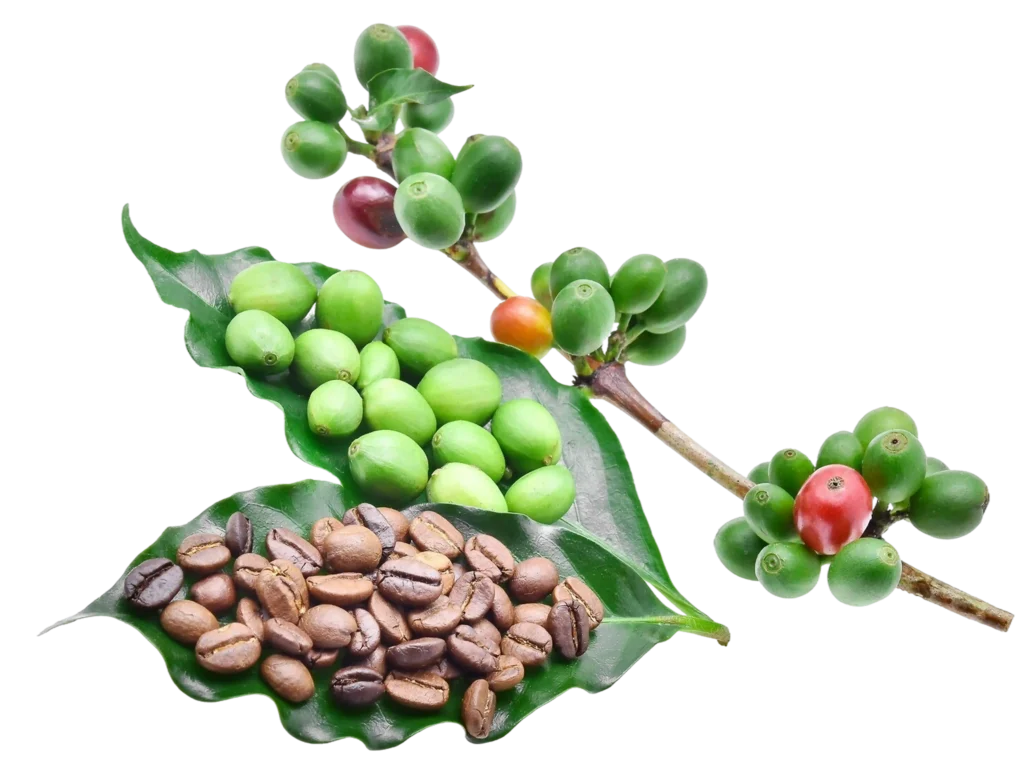
When you think of coffee, you may remember the aroma or flavour of the coffee. The farmers handpick the ripe coffee cherries from the plant, which undergo various processes before brewing. The bright red, tiny fruit known as the coffee cherry contains the coffee beans that are processed, roasted, and finally brewed to prepare a quality cup of coffee.
In Ethiopia, the birthplace of Arabica coffee, smallholder farmers have been cultivating coffee cherries for centuries. They have a deep knowledge about when to pick the ripe cherries, coffee processing methods, and how to protect each layer of coffee cherry that provides unique flavours of citrus and fruity flavours.
Understanding the anatomy of the coffee cherry helps you to appreciate Ethiopian coffee more and why it has demand all over the world.
Anatomy of a coffee cherry
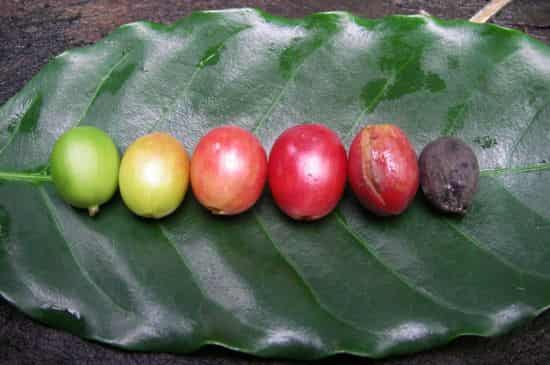
A coffee cherry is the fruit of the coffee plant, and it looks like a small cherry in both shape and color. When coffee cherries become ripe, they turn red, while some varieties appear yellowish or purple.
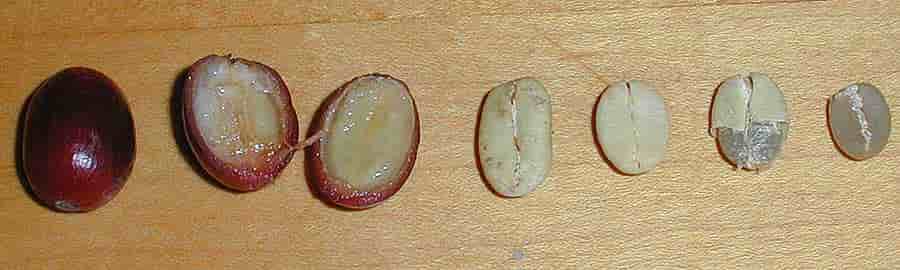
Inside the coffee cherry, you can find coffee beans. The entire cherry and its structure determine the flavour of the coffee, not only the coffee beans. So let us take a closer look at the layers of the coffee cherry.
Exocarp
Exocarp is the outer skin of the coffee cherry that protects the inner layers. The outer skin is smooth and changes to red, yellow, or sometimes purple when the cherry becomes ripe. The ripeness is important as unripe cherries produce harsh flavours, while overripe cherries taste fermented.
Mesocarp
Beneath the outer skin is the mesocarp, a fleshy layer that contains natural sugars and moisture. During the natural coffee processing methods, the pulp is also dried along with the beans, providing wine-like flavours. In washed processing methods, this pulp is removed earlier, producing brighter flavour notes.
Mucilage and Pectin
Under the pulp of the coffee cherry, there is a sticky layer called mucilage, containing natural sugars and pectin. This is a slimy coating that plays a major role during fermentation and influences the sweetness and complexity of the final cup. When the mucilage breaks down during processing, it helps give coffee its distinct flavor.
Endocarp
The endocarp is a protective shell that surrounds the coffee seeds. This parchment layer protects the beans during drying and storage, ensuring the coffee seeds remain intact.
Silverskin
The silverskin is attached tightly to the bean under the parchment layer. At the time of coffee bean roasting, this layer comes off and becomes chaff. Though it is a thin, subtle layer, silverskin can also influence how evenly beans roast.
Coffee seeds
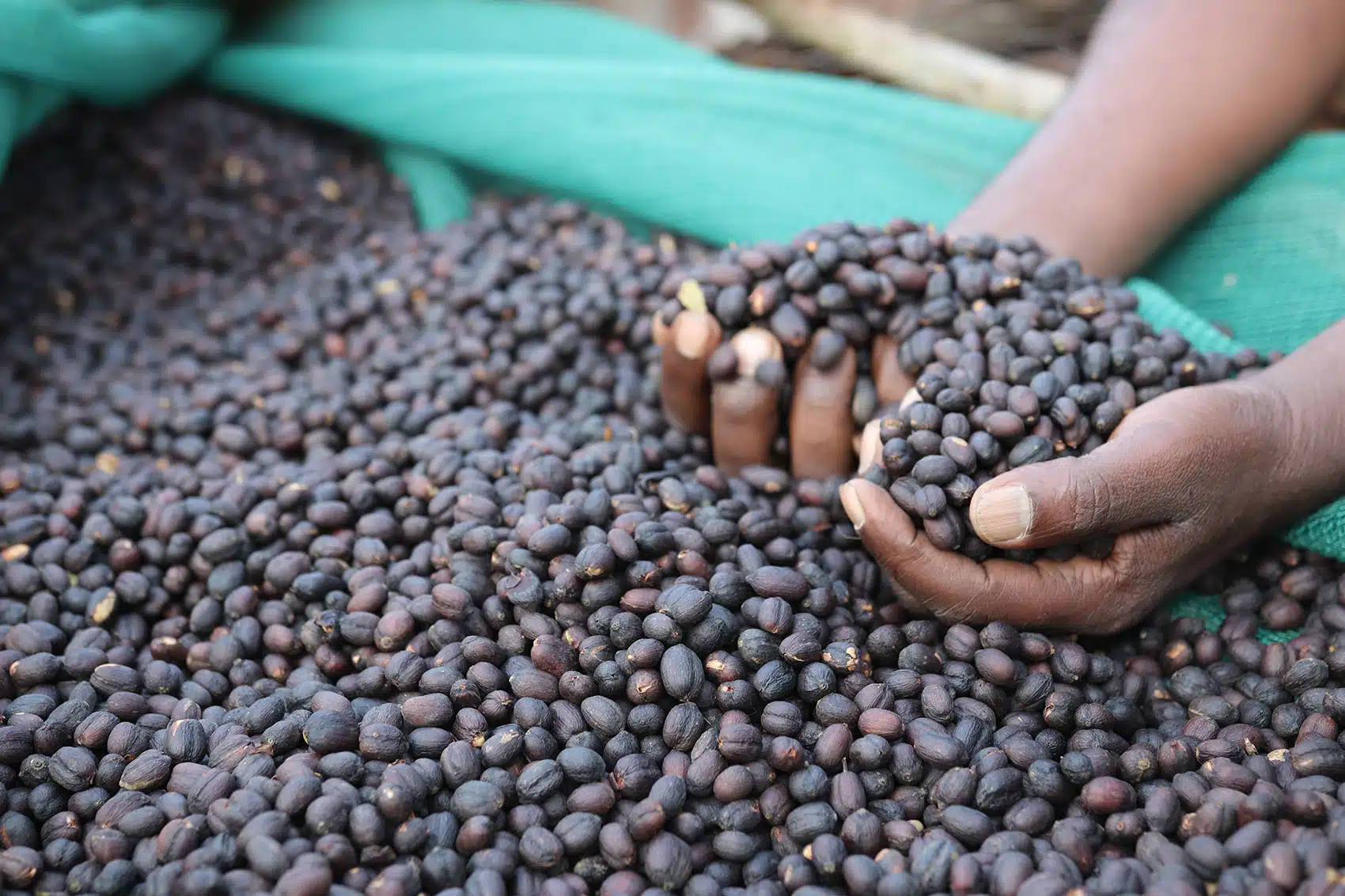
Coffee seeds are the core and the well-known part that everyone calls coffee beans. Most of the coffee cherries contain two seeds. These seeds are dried, milled, roasted, and ground to create the aromatic brew we all enjoy every day.
The Role of various layers of coffee cherry in shaping its flavour
The different layers of a coffee cherry affect the overall flavor profile of the resultant cup.
- The skin and pulp of the coffee cherry have a great impact on the fruity taste of coffee, based on how long they stay in contact with the beans.
- The mucilage layer determines the sweetness of the coffee, especially during fermentation.
- The endocarp and silverskin protect the beans up to roasting and play a role in how evenly they roast.
- Coffee seeds carry the essential compound that provides the flavour and aroma during roasting.
Compounds present in the coffee
The unique taste and aroma of coffee not only come from the structure of the cherry but also from the compounds present in it. Coffee contains several chemical compounds, many of which are formed during the roasting process. The major compounds of the coffee include:
- Caffeine: A natural stimulant in coffee that provides an energizing effect.
- Chlorogenic acids: Antioxidants that contribute to the bitterness and acidity of the coffee. Ethiopian coffees have a complex acidity due to the rich CGA content.
- Lipids: These are significant components of the coffee beans, which are primarily Triacylglycerols.
- Carbohydrates and sugar: These compounds contribute sweetness and a caramel-like flavour to the coffee.
- Proteins and Amino acids: They provide roasted, chocolatey, and nutty notes to the coffee.
- Aromatic compounds: Many aromatic compounds are released during the roasting process, producing floral, fruity, and spicy notes depending on the origin.
Conclusion
The outer skin, pulp, and the chemical compounds inside the seeds, every part of the coffee cherry shapes the flavor in your cup. In Ethiopia, the birthplace of coffee, it is more than just a crop, and understanding about the coffee cherry is key to protecting both its unique taste and its cultural heritage.
The coffee exporters in Ethiopia take great care at every step, from handpicking ripe cherries to delivering beans that provide various flavour profiles of Ethiopia. So, next time you sip Ethiopian coffee, remember that it’s not just the bean but the entire cherry that makes it extraordinary.