Coffee quality is decided long before roasting begins. Poor harvesting, weak processing, and careless drying can destroy months of farm work. Improving coffee bean quality starts at the tree and continues through every post harvest step. Farmers who focus on precision and consistency produce high quality coffee beans that command better prices. Read on to know how to upgrade quality at farm level.

What Defines Coffee Bean Quality?
Coffee bean quality depends on several connected factors that work together from planting to storage. Genetics, farm management, coffee harvesting techniques, coffee processing methods, drying control, and proper storage all influence the final cup. High quality coffee beans are not created by chance. They result from planned decisions and careful monitoring at every stage. When farmers aim to improve quality, they must evaluate each step as part of a system rather than treating them separately.
Variety and Genetic Potential
The type of plant grown plays a major role in specialty coffee quality. Arabica coffee is known for complex flavors, balanced acidity, and higher market value. It usually grows best at higher altitudes and requires careful management. Robusta coffee is more resistant to pests and heat, produces higher yields, and has stronger, more bitter taste profiles.
Genetic potential influences sweetness, acidity, body, and aroma. If the variety has limited cup potential, no amount of processing can fully transform it. Selecting the right cultivar suited to local climate and soil is the first step toward consistent coffee bean quality.
Environmental Influence on Quality
Higher altitude often leads to better flavor complexity because cherries mature more slowly. Healthy soil and balanced water supply improve bean density and sweetness. Environmental management directly improves bean quality at the farm level.
How Harvesting Impacts Coffee Bean Quality
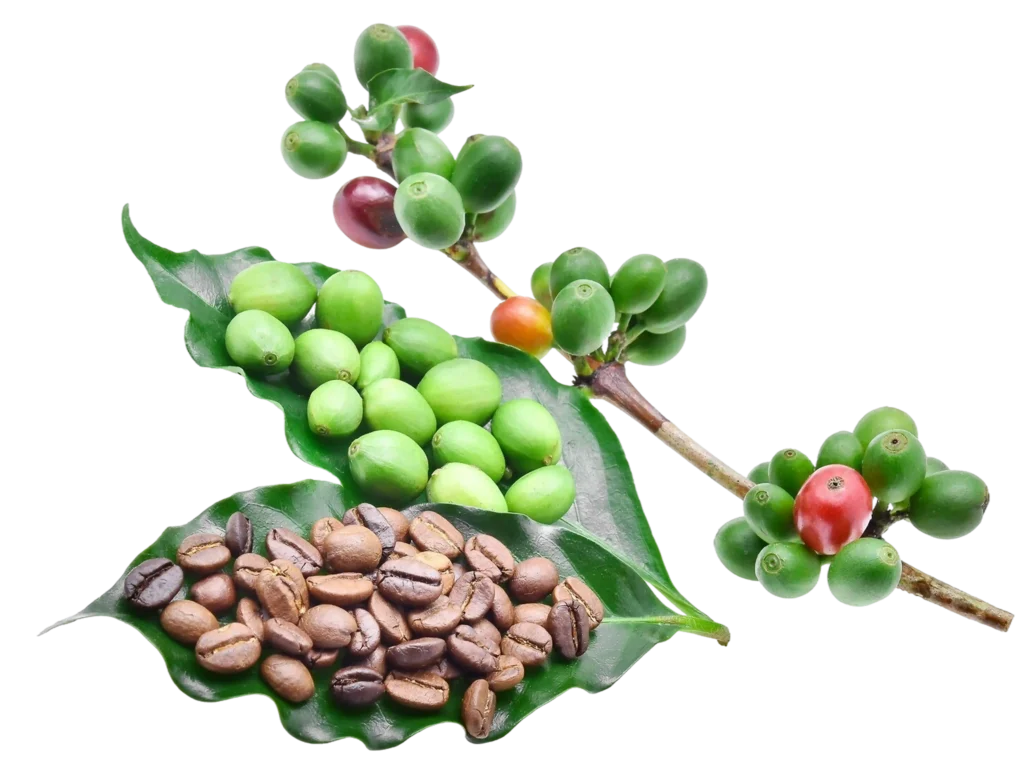
Harvesting is one of the most critical stages in coffee farming best practices. The sugar level inside each cherry at the time of picking determines fermentation performance and final taste. If cherries are picked too early or too late, flavour balance is lost. Careful harvesting ensures only ripe fruit enters processing.
Why Cherry Ripeness Matters
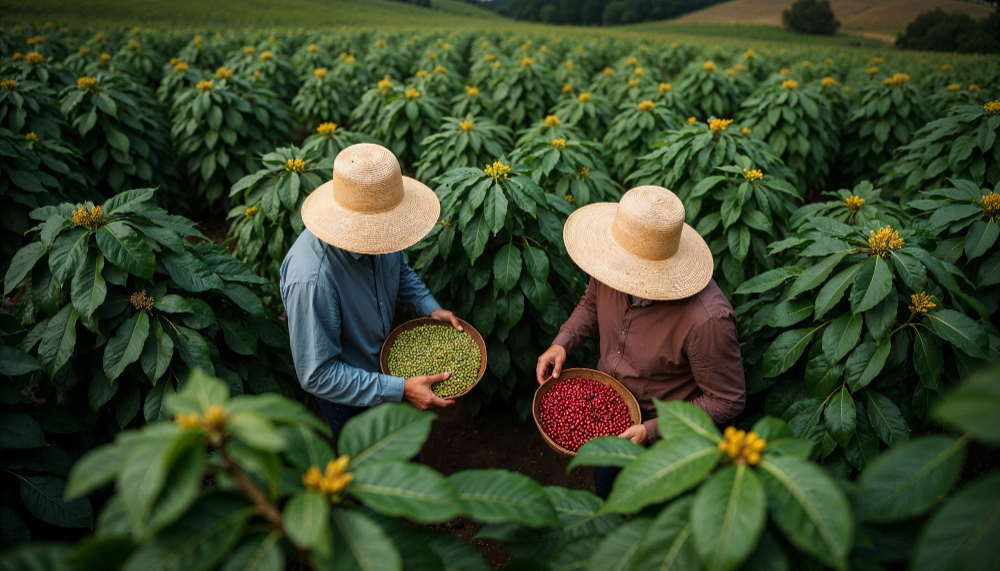
Coffee cherry ripeness affects sweetness and acidity. Ripe cherries contain optimal sugar levels, which support controlled coffee fermentation. Underripe cherries create sour flavors, while overripe fruit may cause fermented defects. Selective harvesting directly improves high quality coffee beans production.
Sorting at the Farm Level
Sorting immediately after harvest removes defective cherries before processing begins.
• Remove underripe cherries
• Discard overripe cherries
• Separate damaged fruit
• Use floating method to remove defects
This simple defect sorting step increases uniformity and reduces unwanted flavors. Cleaner raw material leads to stronger specialty coffee quality and higher cupping scores.
Processing Methods That Improve Coffee Bean Quality
Post-harvest handling is where many defects develop. Even perfectly harvested cherries can lose value if processing is poorly managed. Temperature control, hygiene, and timing are essential to improve bean quality during this stage.
Washed Process and Clean Cup Profiles
Wet processing coffee removes pulp before fermentation. The beans ferment in controlled tanks to break down mucilage. Proper timing prevents over fermentation, which can produce sour or vinegary flavors. Clean water is necessary during washing to avoid contamination.
According to standards promoted by the Specialty Coffee Association, consistent fermentation and washing produce clean, bright cup profiles. Controlled washed processing often results in higher cupping scores and improved market value.
Natural and Honey Processing
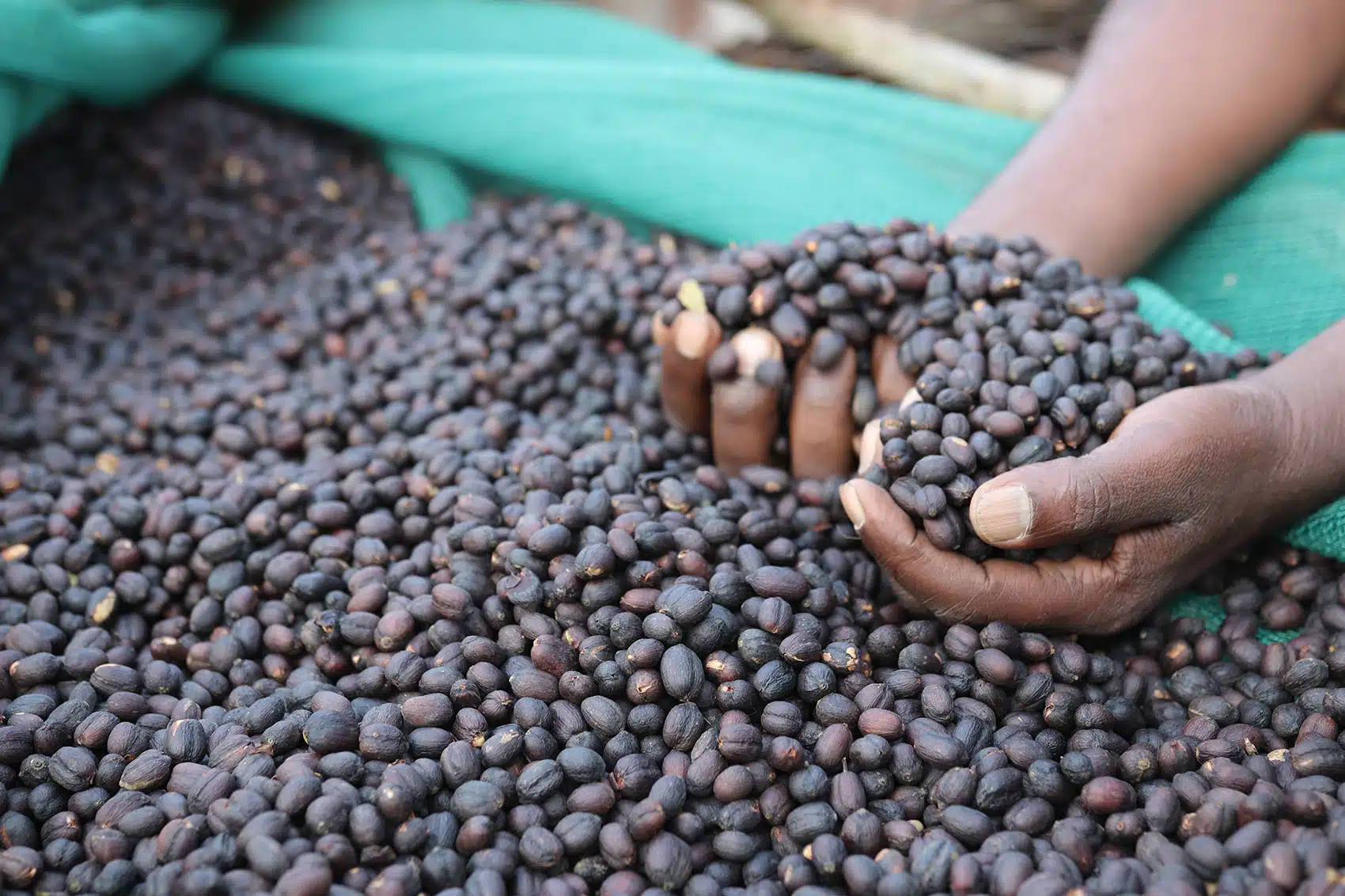
Natural processed coffee keeps the cherry intact during drying. Honey processing removes some pulp but leaves mucilage on the bean. Both require strict drying control.
- Spread evenly for drying
- Control thickness of cherry layers
- Turn beans regularly
- Monitor temperature
Improper drying creates mold risk and uneven flavor. Excess heat can damage bean structure, while slow drying may cause fermentation defects. Correct drying practices protect bean quality and preserve sweetness.
Drying, Storage, and Moisture Control
Moisture content in coffee determines shelf stability and flavor preservation. After processing, beans must reach safe moisture levels before storage. Excess moisture encourages mold, while overly dry beans become brittle and lose aroma.
Ideal Moisture Levels
The ideal moisture content in coffee ranges between 10 and 12 percent. Below 10 percent, beans may crack easily during hulling. Above 12 percent, risk of fungal growth increases. Consistent measurement using moisture meters is recommended for farms aiming at specialty coffee quality.
Maintaining this balance protects bean density and ensures stable storage conditions.
Storage Best Practices
• Use breathable jute bags
• Avoid direct sunlight
• Keep warehouse humidity stable
• Elevate bags off floor
Proper storage protects high quality coffee beans from environmental damage. Stable temperature and airflow reduce quality loss. Good storage ensures the effort invested in harvesting and processing is not wasted.
How Farmers Can Achieve Consistent High Quality
Consistency separates average producers from premium suppliers. The quality must be managed through routine farm practices and continuous evaluation. Farmers who adopt structured systems are more likely to maintain specialty standards year after year.
Soil Nutrition and Tree Health
Healthy trees produce dense beans with better flavor potential. Composting improves soil structure and nutrient balance. Pruning increases airflow and sunlight penetration, reducing disease risk. Controlled plant spacing allows each tree to develop properly. Effective pest control protects cherries from damage that can reduce cup score.
Strong tree health supports uniform cherry ripeness and stable production.
Quality Control and Cupping
Cupping tests evaluate aroma, acidity, sweetness, and defects. The Coffee Quality Institute promotes global cupping protocols that standardize evaluation. Regular cupping helps farmers identify processing weaknesses and adjust practices for the next harvest.
Many Ethiopian coffee bean exporter businesses invest heavily in farm level quality control to meet international demand. Feedback from buyers and cuppers drives continuous improvement and stronger market positioning.
What Reduces Coffee Bean Quality?
• Over fermentation
• Improper drying
• Mechanical damage
• Inconsistent grading
• Poor storage
Each of these factors lowers cupping score and reduces buyer confidence. Over fermentation creates sour flavors. Mechanical damage during pulping or transport leads to broken beans. Inconsistent grading allows defects into export lots. Careful management at each stage prevents these losses.
Is Investing in Quality Worth the Cost?
Producing high-quality coffee beans requires labour, training, and equipment investment. However, speciality-grade beans often sell at significantly higher prices per kilogram compared to commercial grades. Buyers pay premiums for consistent quality, traceability, and clean cup profiles.
Improving bean quality increases long term profitability by building reputation and securing stable contracts. Farmers who focus on quality rather than volume often achieve stronger financial sustainability over time.
Strengthening Quality From the Ground Up
Coffee bean quality is built on the farm through precise harvesting, controlled processing, proper drying, and disciplined storage. Each step shapes flavor, aroma, and overall cupping performance. Farmers who follow strict quality systems consistently produce high quality coffee beans that meet specialty standards and earn better market value. Trusted Ethiopian coffee bean exporter AMG Coffee is recognized for sourcing and exporting top quality beans globally, proving that true excellence begins at farm level.