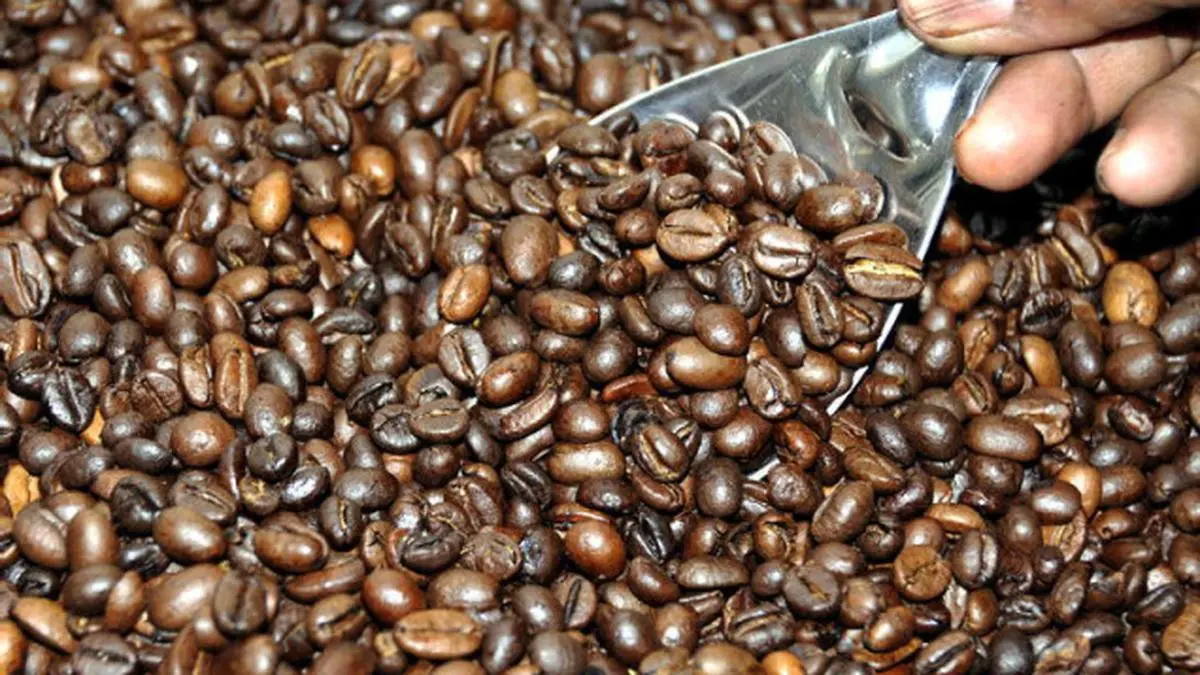
Placing a large order with an Ethiopian coffee exporter without proper verification can lead to serious losses. Many buyers focus only on price and skip basic checks. That mistake can cost money, time, and reputation. Verifying a coffee exporter before committing to bulk coffee bean export helps ensure quality, legal compliance, and reliable delivery. This guide explains how to verify Ethiopian coffee exporters step by step using simple checks that protect your coffee export business.
Why Verifying an Ethiopian Coffee Exporter Is Critical for Large Orders
Large coffee orders involve high-value transactions and long supply chains. When buyers skip verification, they expose themselves to risks such as shipment delays, inconsistent quality, or complete non-delivery.
An Ethiopian coffee exporter may appear professional online, but that does not guarantee they are licensed or capable of handling bulk coffee bean export. Some sellers are local traders or intermediaries who cannot legally export coffee.
Verification is important because:
- Large orders involve advance payments
- Coffee quality must remain consistent across shipments
- Export documentation must meet international standards
- Legal issues can block shipments at customs
For any serious coffee export business, verification is not optional. It is a basic requirement before placing large orders.
Who Is Legally Allowed to Export Coffee From Ethiopia
Not everyone selling coffee in Ethiopia is allowed to export it. Only licensed coffee export companies can legally ship coffee beans to international buyers.
An Ethiopian coffee exporter must hold an official export license and follow national coffee export regulations. These rules ensure that coffee export from Ethiopia meets quality, grading, and traceability standards.
There are three common types of sellers buyers encounter:
- Farmers or local suppliers who sell coffee domestically
- Traders who buy and resell coffee locally
- Licensed coffee exporters who can ship internationally
Only the third category is suitable for bulk coffee export. Buyers should always confirm that they are dealing with a licensed coffee exporter and not a local trader posing as an exporter.
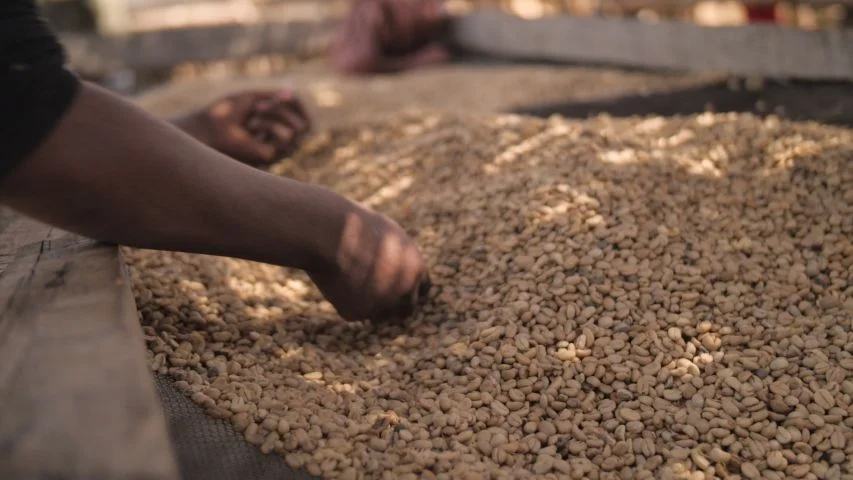
Step-by-Step Process to Verify an Ethiopian Coffee Exporter
Check the Export Licence and Company Registration
The first step in verification is confirming the exporter’s legal status. A genuine Ethiopian coffee exporter will not hesitate to share license details.
Buyers should request:
- Export license copy
- Company registration certificate
- Registered company name and address
After receiving these documents, buyers should ensure that the company name matches across all records. Mismatched names between license, invoice, and bank account are a major warning sign.
This step confirms that the coffee export business is legally recognized and allowed to operate.
Confirm Registration With Coffee Export Authorities
Licensed exporters are registered with national coffee export authorities. This registration ensures compliance with grading, quality inspection, and export rules.
Buyers should ask exporters to confirm their registration with the Ethiopian Coffee and Tea Authority. This authority oversees coffee export standards and exporter compliance.
Verification at this level helps buyers ensure that:
- The exporter follows official grading systems
- Coffee bean export meets inspection standards
- Export activities are monitored
Exporters who avoid this discussion should be treated with caution.
Review Export History and Past Shipments
Experience matters when placing large orders. A reliable coffee exporter should have a clear export history.
Buyers should ask about:
- Number of years in coffee export business
- Typical shipment volumes
- Markets previously supplied
Useful verification steps include:
- Requesting references from past buyers
- Asking for sample shipping documents
- Reviewing consistency in shipment volumes
An exporter with a proven track record is far more likely to handle bulk coffee export smoothly.
Request Coffee Samples and Quality Documentation
Samples are essential before placing any large order. A serious Ethiopian coffee exporter will provide samples that reflect actual shipment quality.
Buyers should request:
- Green coffee samples
- Grade and screen size details
- Processing method information
Samples allow buyers to evaluate quality and confirm that the coffee matches specifications. This step also tests the exporter’s transparency and willingness to cooperate.
Skipping samples is one of the most common mistakes in coffee bean export.
Verify Payment and Banking Details
Financial verification is critical for large orders. Payments should only be made to company bank accounts registered under the exporter’s legal name.
Buyers should:
- Avoid personal bank accounts
- Confirm bank account name matches company name
- Agree on clear payment terms
Safe practices include:
- Using contracts before payment
- Avoiding pressure for immediate transfer
- Keeping payment records documented
This step protects buyers from fraud and financial loss.
Common Red Flags When Dealing With Coffee Exporters
Some warning signs indicate that a coffee exporter may not be legitimate or reliable. Buyers should watch for these red flags during early communication.
Common red flags include:
- Refusal to share export license
- Unrealistically low Ethiopian coffee export prices
- Pressure to pay quickly
- Poor quality or inconsistent samples
Other warning signs include unclear answers about documentation or shipment timelines. Trustworthy exporters are transparent and patient during verification.
How Large Orders Change the Verification Process
Large orders require deeper checks than small trial shipments. As order size increases, so does risk.
For large volume coffee export, buyers should:
- Confirm exporter capacity
- Review logistics arrangements
- Assess quality consistency across batches
Additional steps may include:
- Detailed contracts
- Third party inspection if required
- Clear delivery schedules
Large orders demand stronger verification to protect both sides.
Role of Contracts and Documentation in Coffee Export Business
Written contracts are essential for bulk coffee export. Verbal agreements are not sufficient when large sums are involved.
A proper contract should cover:
- Coffee specifications
- Quantity and packaging
- Price and payment terms
- Delivery timelines
Documentation protects buyers and exporters by setting clear expectations. It also helps resolve disputes if issues arise during the export process.
Are All Ethiopian Coffee Exporters Suitable for Large Orders
Not every coffee exporter is equipped to handle large orders. Some exporters specialize in small volumes or niche markets.
Buyers should evaluate:
- Minimum order capacity
- Processing infrastructure
- Storage and logistics capability
Large buyers benefit from working with exporters who have experience managing bulk coffee bean export and consistent supply chains.
Choosing the right exporter is as important as verification itself.
Frequently Asked Questions
How do I verify an Ethiopian coffee exporter before placing large orders
Request export licenses, confirm authority registration, review export history, and verify bank details.
Is it safe to buy coffee beans directly from Ethiopian exporters
Yes, when you work with licensed and verified coffee exporters.
What documents should an Ethiopian coffee exporter provide
Export license, company registration, quality details, and shipping documents.
How can I confirm a coffee exporter is licensed
Ask for license copies and confirm registration with coffee export authorities.
What are common signs of fake coffee exporters
Unrealistic prices, refusal to share documents, and pressure for fast payment.
Do all coffee exporters handle bulk coffee bean export
No, some exporters focus only on small or specialty volumes.
Can small buyers work with Ethiopian coffee exporters
Yes, but minimum order quantities may apply.
How long does verification of a coffee exporter take
Verification usually takes a few days if documents are provided promptly.
Should I pay in advance for large coffee export orders
Advance payments should only be made after verification and contract agreement.
Why are Ethiopian coffee exporters preferred for bulk sourcing
They offer diverse coffee profiles, established export systems, and strong global demand.
Protecting Your Investment in Coffee Export Deals
Verifying an Ethiopian coffee exporter before placing large orders is essential for protecting your investment. By checking licenses, confirming authority registration, reviewing export history, and securing proper documentation, buyers reduce risk and improve supply reliability. Careful verification supports long term success in the coffee export business and helps build trusted relationships with reliable coffee exporters.
Work With a Verified and Experienced Ethiopian Export Partner
To reduce risk and ensure consistent supply, many buyers choose to work with established exporters like AMG Coffee Export. Operating from Addis Ababa since 2011, the company follows established sourcing, quality control, and documentation practices that help buyers avoid common export risks. With experience serving multiple international markets, AMG Coffee Export supports steady supply planning, clear communication, and repeat business relationships rather than one-time transactions.