Coffee lovers around the world often associate Ethiopian beans with rich flavors, floral aromas, and distinctive fruit notes. But one question that comes up frequently is: Is Ethiopian coffee high in caffeine? The answer is both straightforward and nuanced, depending on how we look at coffee in general.
Caffeine Levels in Ethiopian Coffee
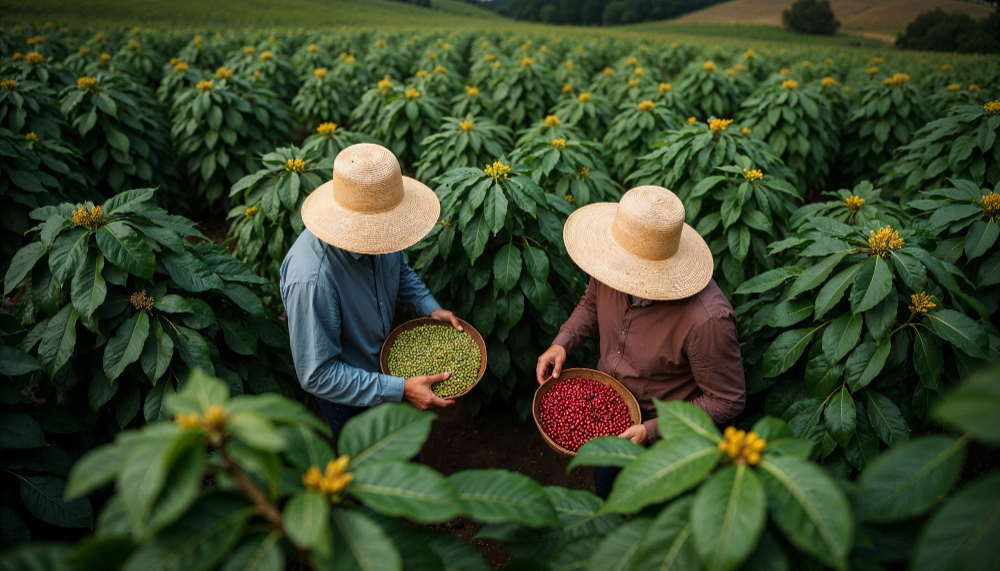
Ethiopian coffee typically comes from Arabica beans, which naturally have lower caffeine levels compared to Robusta beans. On average, Arabica contains about 1.2% caffeine, while Robusta carries around 2.2%. This means that, compared to Robusta, Ethiopian coffee has less caffeine per bean.
That said, Ethiopian beans, especially when lightly roasted, can taste brighter and more invigorating—which sometimes tricks the palate into perceiving a higher caffeine “kick.”
Does Roast Affect the Caffeine?
Contrary to popular belief, the roast level does not drastically alter the total caffeine content of coffee beans. What it does influence is density and flavor:
- Light roast Ethiopian coffee tends to taste more vibrant and fruit-forward, often giving drinkers the illusion of more energy.
- Dark roast Ethiopian coffee delivers bolder, smokier notes, but can feel smoother and less stimulating.
So while both roasts contain similar caffeine amounts, light roast beans may make you feel more alert.
The Role of Brewing Method
Brewing style has a major impact on caffeine concentration in your cup:
- Espresso packs higher caffeine per ounce but comes in smaller servings.
- Pour-over or drip coffee, commonly used for Ethiopian single-origins, tends to extract more caffeine overall due to longer brewing time and larger volumes.
- Cold brew from Ethiopian beans can be very strong, since steeping for many hours extracts significant caffeine.
This means your daily caffeine intake from Ethiopian coffee can range from moderate to high based on how it’s brewed, even though its beans themselves are not the most caffeinated.
Why Ethiopian Coffee Feels Different
Many coffee drinkers describe Ethiopian coffee as giving a cleaner, uplifting energy boost without the heavy jitters that Robusta-heavy blends may cause. This could be due to:
- Lower overall caffeine content compared to Robusta coffees.
- Unique combinations of natural fruit acids and aromatic compounds that balance the stimulation.
- High-grown Ethiopian beans that develop complex flavors, enhancing the drinking experience beyond just caffeine impact.
Final Thoughts
So, is Ethiopian coffee high in caffeine? Not necessarily—especially when compared to Robusta-based blends. However, its reputation for providing a smooth yet energizing experience comes from its balanced caffeine level combined with vibrant flavor complexity. Ethiopian coffee is more about refined taste and gentle stimulation rather than being your strongest caffeine fix. For those who value flavor nuance without overwhelming intensity, Ethiopian coffee is an excellent choice.
And if you’re looking to enjoy this world-famous beverage from its origin, working with an authentic Ethiopian coffee exporter ensures that what’s in your cup reflects Ethiopia’s long tradition of exceptional coffee.