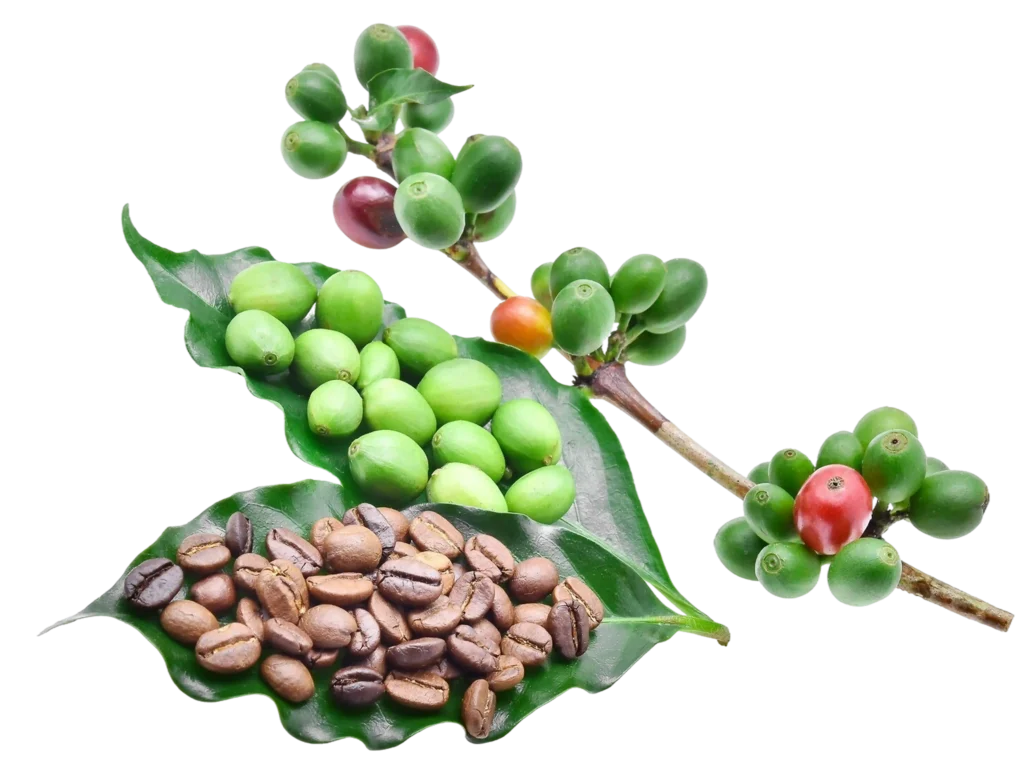

Why do some espressos taste smooth while others don’t? The origin, processing methods and roast profile – everything shapes how your espresso feels and tastes in your cup of coffee. Each detail of the coffee bean matters for getting perfect espresso coffee. Among other origins, Ethiopian espresso coffee stands out for its bright acidity, floral aroma and sweet finish, making it a favourite choice for those who want a perfect espresso experience.
Origin of beans
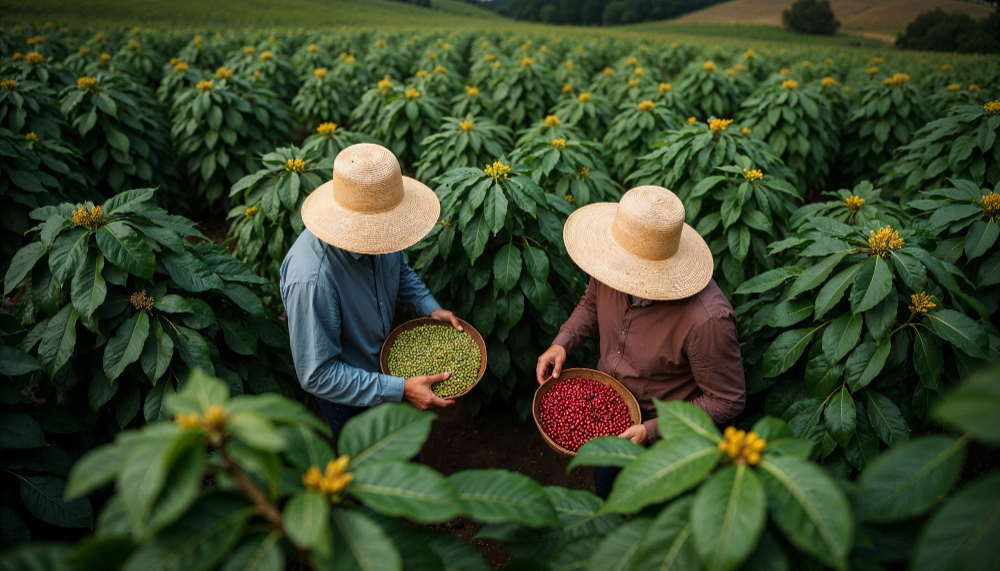
The origin of the coffee bean determines the natural flavour profile. The birthplace of Arabica coffee, Ethiopia, produces some of the world’s most complex and aromatic beans. Regions like Yiracheffe, Sidamo, and Harrar are famous for their unique flavours. For quality and authenticity, always source from a trusted Ethiopian coffee exporter, ensuring ethically grown beans that preserve Ethiopian flavour.
Roast profile
The roasting method defines the colour, aroma, and taste intensity of the beans. The right roast levels bring out the best in espresso as it balances the body, sweetness and acidity. The light roast beans highlight bright notes and higher acidity. Medium roast balances sweetness and smoothness, perfect for most espresso lovers. Furthermore, dark roast provides a deep, bold flavour with reduced acidity, suitable for milk-based drinks.
Bean variety
Ethiopian coffee is mostly Arabica, popular for its complexity and refined taste. Within Arabica, local heirloom varieties offer diverse flavours influenced by microclimate and altitude. These beans have floral, citrus, and wine-like characteristics that make Ethiopian espresso coffee distinctive.
Freshness
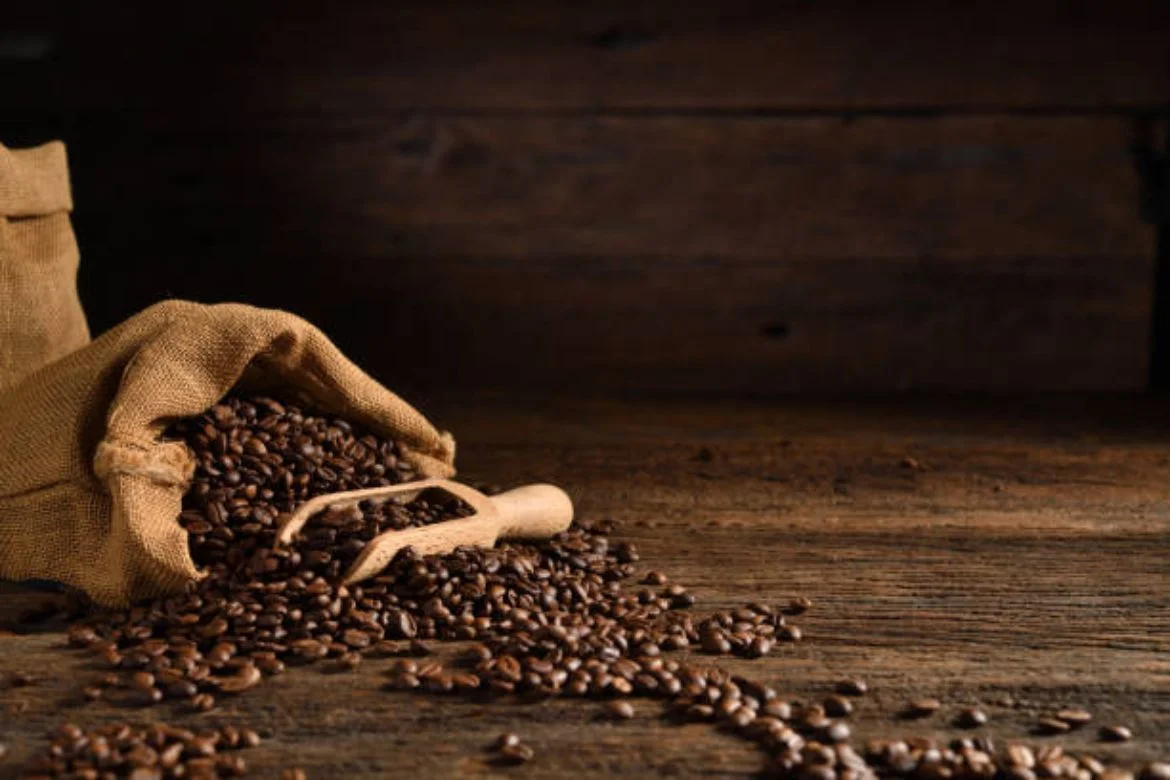
The freshness of coffee beans is important for providing rich flavour and aroma to the Ethiopian espresso coffee. Generally, coffee beans lose their flavour about two weeks after roasting. So, for maintaining quality, it is important to buy beans roasted within the last 2 to 3 weeks. Also, store them in an air-tight container away from sunlight and moisture. And, make sure to grind only before brewing to capture the aroma.
Grind size
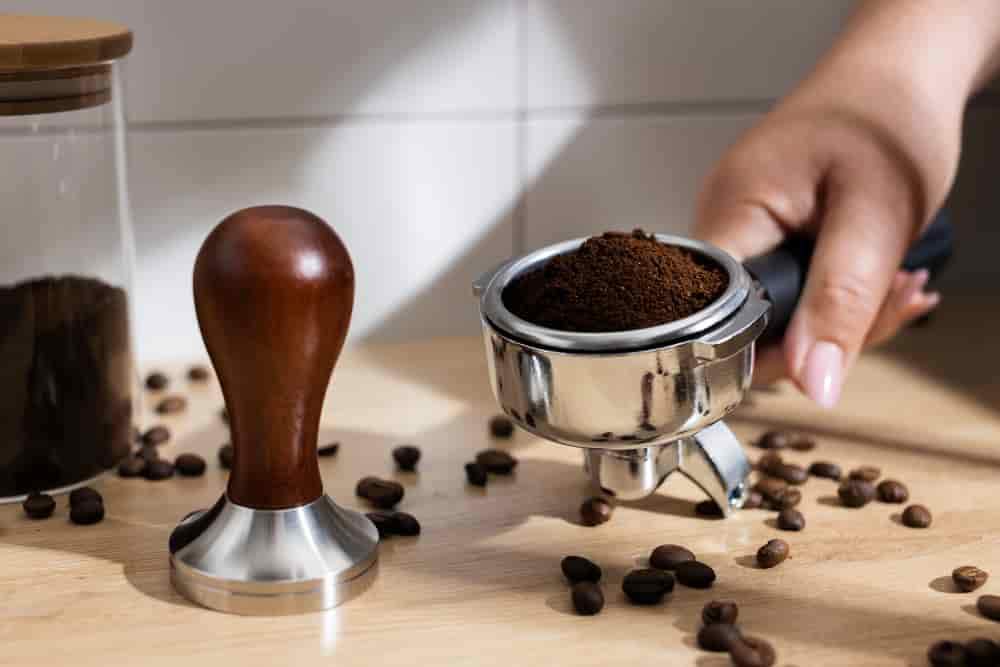
Grind size determines how quickly water extracts flavour during brewing. Espresso requires fine, evenly ground coffee. Too fine or coarsely ground beans may not give you the perfect espresso.
Espresso extraction tips for a perfect flavour
Getting the right flavour from the Ethiopian espresso coffee is important during the extraction process. For that, keep the brewing temperature between 90 and 96 °C. Water that is too hot can extract the bitter compounds, while cooler water doesn’t extract that much, leading to a sour taste.
Espresso coffee requires around 9 bars of pressure to extract the oils, aroma, and crema effectively. This ensures that the flavours are balanced and rich. A perfect espresso shot usually takes around 25 to 30 seconds. If it is faster, your coffee might be watery and acidic. And a slower extraction time leads to a bitter taste.
Why is roasting important for espresso coffee?
Roasting is not just a process or step; it defines the taste of the espresso. Also, it affects the sweetness, oil balance, and acidity of the coffee beans.
Sugar caramelisation
During roasting, natural sugars break down and caramalise, creating sweet and chocolatey notes essential for espresso coffee.
Oil mitigation
Roasting releases oils that give espresso a smooth texture and rich crema. However, over-roasting makes the beans overly oily, leading to bitterness. A balanced roasting maintains the ideal oil levels.
Acidity regulation
Proper roasting reduces the acidity while preserving the brightness. This ensures that the Ethiopian espresso coffee remains rich and flavourful without tasting sour.
How do processing methods affect the flavour of the coffee?
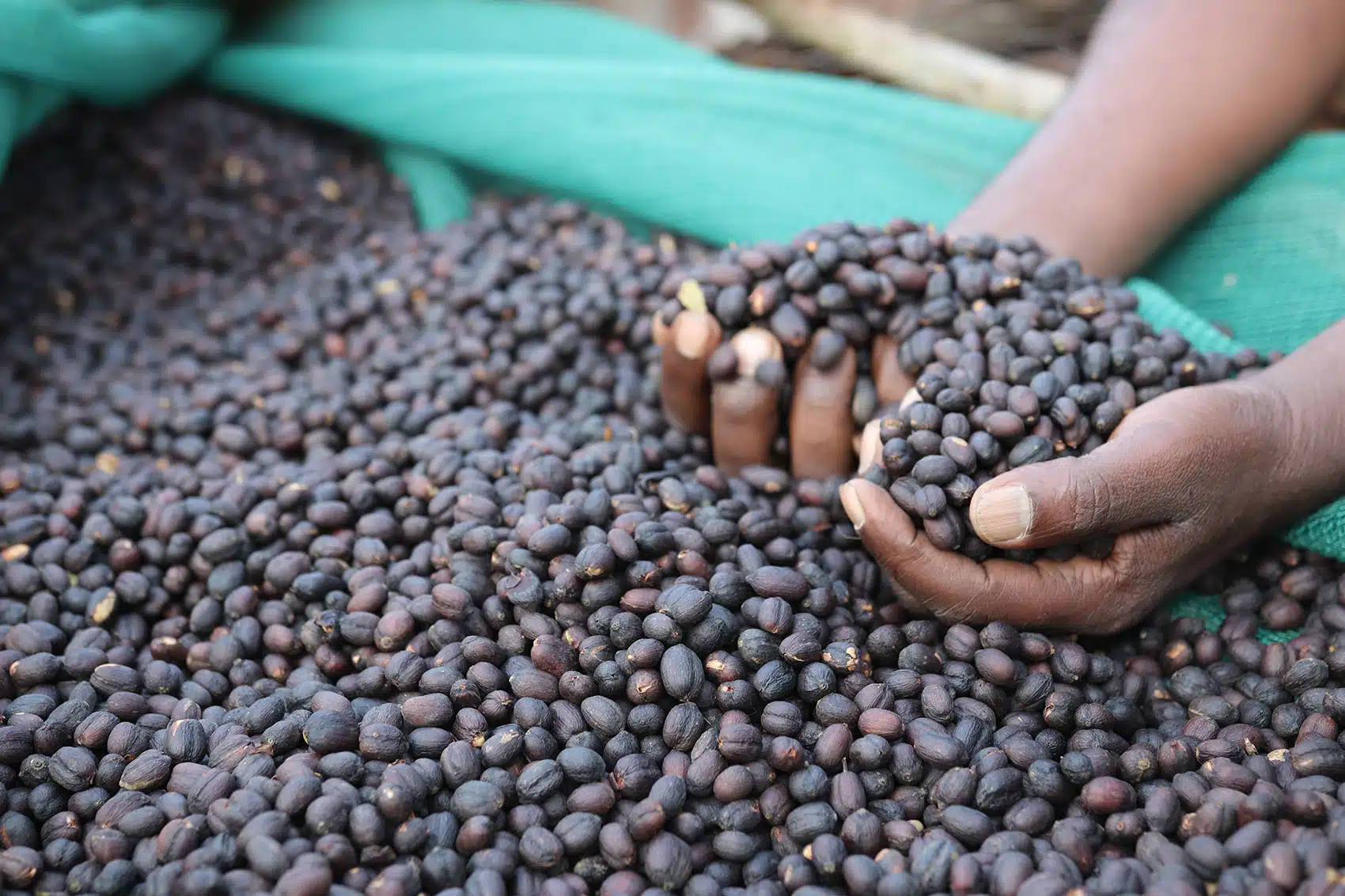
Coffee processing means how the coffee cherry is converted to a green bean, and the different processing methods directly shape the espresso flavour. Washed process offers clean, crisp flavours, which is great for bright espresso shots. In the natural coffee processing method, beans are dried with fruit intact, which adds body, sweetness and fruity richness. And, the honey process combines both techniques, offering a smooth texture with balanced sweetness.
Single-origin Vs Blend: Which is better for espresso?
While choosing beans for your espresso, you will often come across single-origin or blended options. And both have their advantages, and the best choice depends on your taste preference and brewing goals. Single-origin beans come from one specific region or farm, allowing you to experience the authentic taste of that origin. For example, Ethiopian espresso coffee delivers distinct floral, fruity and wine-like notes. It is perfect for coffee lovers who enjoy exploring complex and layered flavours.
Blended espresso included beans from different regions to create balance and consistency. Roasters often mix bold and smooth varieties to achieve a full-bodied taste that goes well with milk-based drinks.
Conclusion
You must understand the origin, roast profile, variety, freshness and grind size to choose the perfect espresso bean. Each of these stages shapes how your espresso tastes, smells and feels. When you select the Ethiopian espresso coffee sourced from reliable coffee exporters from Ethiopia, you can experience the coffee heritage of the birthplace of Arabica coffee.