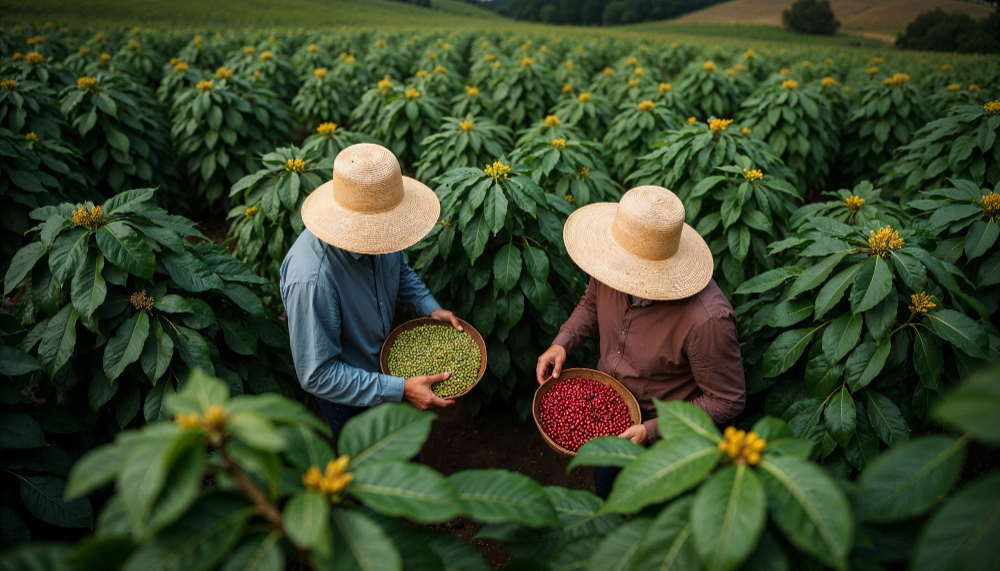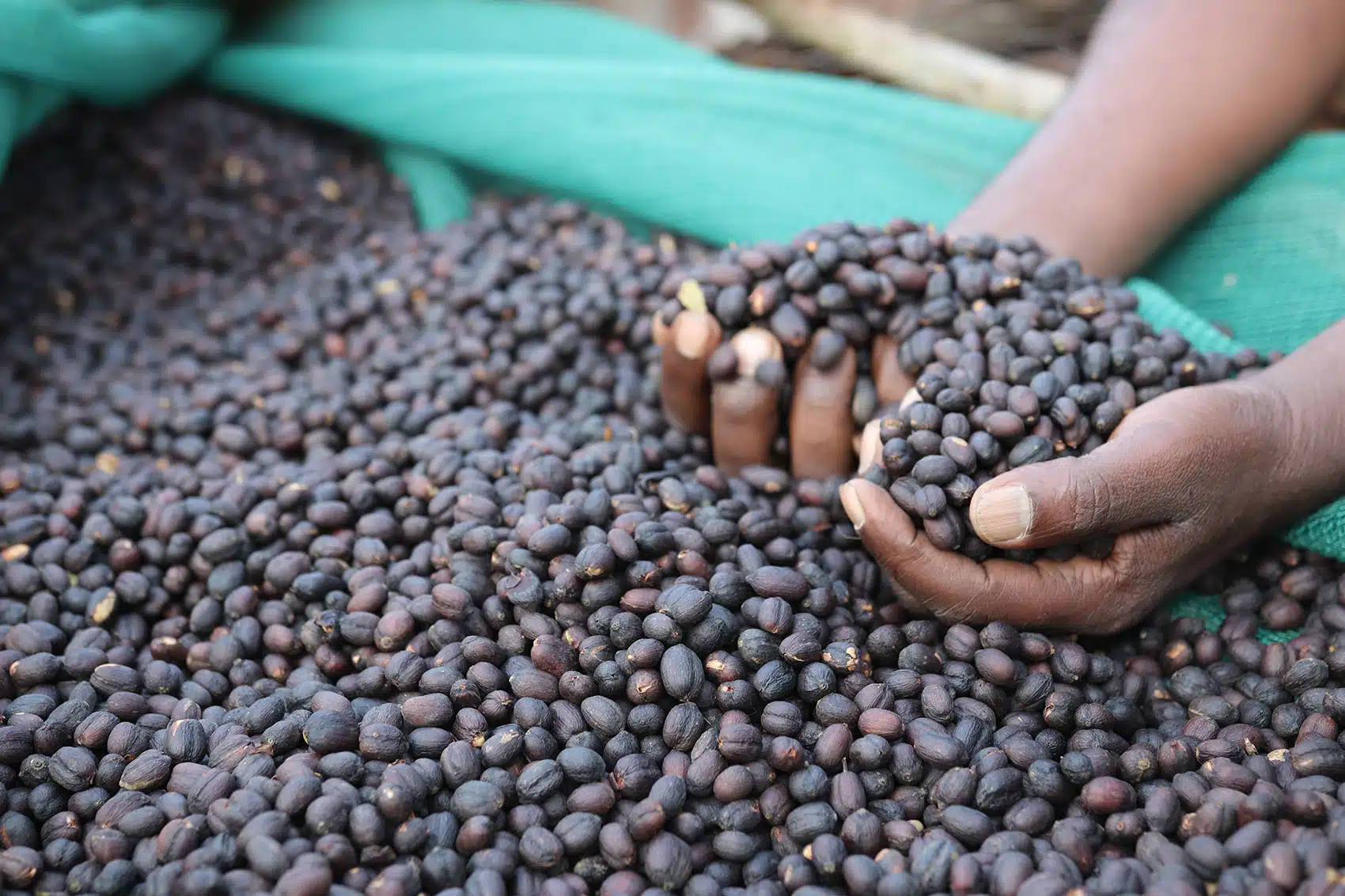
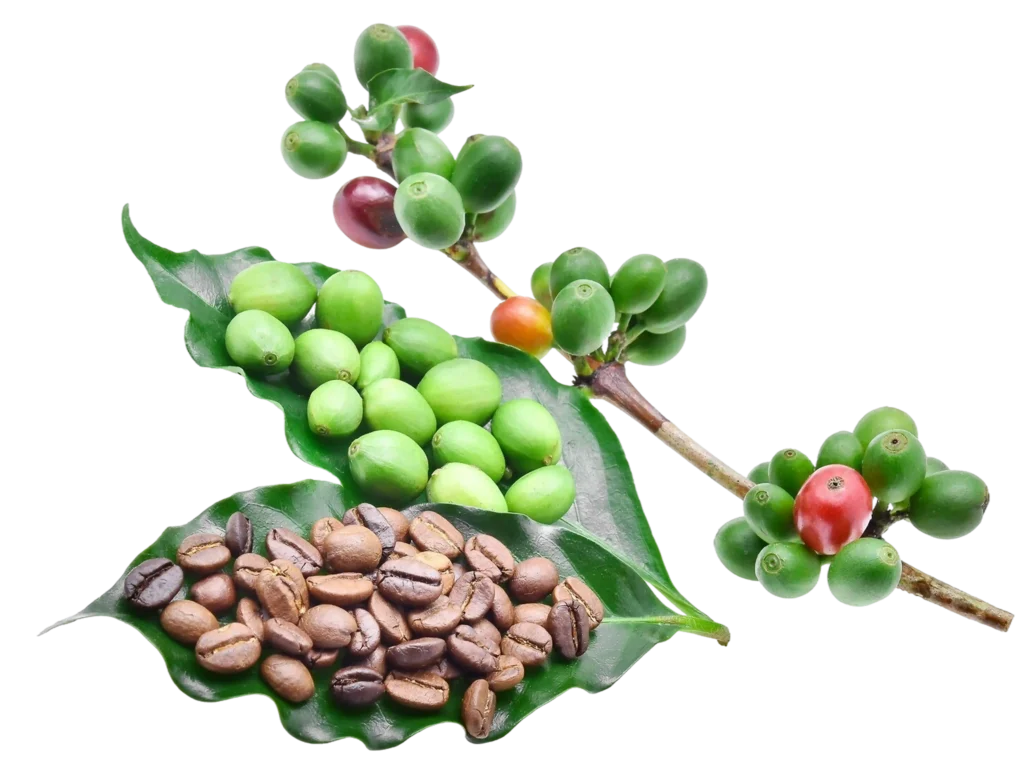

Ethiopia is known as the birthplace of Arabica coffee and continues to produce rich and distinctive beans. Regions like Sidamo, Yirgacheffe, and Guji are valued for their unique flavours shaped by natural conditions and traditional farming.
As global buyers demand transparency, traceability has become essential. It allows each batch to be tracked from farm to export, helping Ethiopian coffee exporters maintain authenticity, consistent quality, and meet the expectations of ethically conscious buyers.
What Traceability Means in the Coffee Supply Chain
Traceability refers to the ability to follow a coffee batch from the farm where it is grown all the way to the point of export. It creates a clear record of the coffee’s journey and shows who handled it at each step. This helps preserve the true origin of the beans and ensures they meet the expectations of international buyers.
Key Components of a Traceability System
A strong traceability system includes detailed farm information, processing records, separation of different lots and accurate documentation. These elements allow exporters to verify the source, track quality changes, and maintain consistency throughout the supply chain.
Traditional and Modern Traceability Methods
In the past, most traceability depended on handwritten logs and paper-based records, which were often incomplete or difficult to manage. Today, many exporters and cooperatives are shifting to digital tools such as mobile applications, QR codes and central databases. These modern methods make it easier to store information, reduce errors and provide quick verification for buyers who want proof of origin and quality.
Why Traceability Matters for Ethiopian Coffee
Preserves Origin Identity
Traceability helps protect Ethiopia’s well-known coffee regions such as Sidamo, Yirgacheffe and Guji. It ensures that these names are used correctly and that the coffee sold under these origins truly comes from the right farms and cooperatives. This reduces the chances of mislabeling or fraud and helps maintain the authenticity that international buyers value.
Enhances Quality Assurance
A reliable traceability system allows exporters to monitor quality at every step of the supply chain. They can check how the coffee was harvested, processed and stored. If any issue arises, it becomes easier to trace the problem back to the exact lot. This level of control helps maintain consistent quality and supports the production of speciality-grade coffee.
Builds Trust With Global Buyers
Transparency through traceability helps buyers feel confident about where the coffee comes from and how it was handled. This level of clarity is especially important for buyers who focus on ethical and high-quality sourcing. When exporters provide verified information, it strengthens long-term relationships and encourages repeat business from global partners.
Benefits of Traceability for Key Stakeholders
For Farmers
- Farmers can earn better prices for traceable micro lots because buyers value verified origin and quality.
- Traceability gives farmers recognition for their work and highlights the uniqueness of their specific region.
- It helps farmers access speciality markets that prefer transparent and ethically sourced coffee.
For Ethiopian Coffee Exporters
- Exporters can comply more easily with international standards that require clear documentation and proof of origin.
- Traceability strengthens their market positioning by showing buyers they offer authentic and reliable coffee.
- Communication with buyers becomes smoother since exporters can share accurate and consistent information about each lot.
For Coffee Brands & Roasters
- Brands can share authentic stories about the coffee’s farm, people and process, which adds marketing value.
- They can confidently offer single-origin and speciality coffees because the source is verified.
- Traceability supports claims of sustainability and ethical sourcing, which many consumers look for today.
For Regulators & Government Bodies
- Traceability helps protect Ethiopia’s coffee heritage by ensuring regional names are correctly used.
- It allows regulators to maintain stronger quality control and better monitor coffee moving through the export chain.
- Reliable supply chain data supports better policy-making and industry planning.
How Traceability Strengthens Ethiopia’s Global Competitiveness
- Traceability helps Ethiopia meet certification and sustainability requirements that many international markets now expect. This makes it easier for Ethiopian coffee to enter regions with strict import rules.
- Verified origin and quality increase the market value of exported coffee, helping Ethiopia secure better prices and attract more speciality buyers.
- Ethiopia stays aligned with global trends that favour premium, transparent and ethically sourced coffee. Buyers increasingly want full clarity on where their coffee comes from, and traceability delivers that.
- A strong traceability system sets Ethiopia apart from other producing countries by proving the authenticity and uniqueness of its regional varieties, giving the nation a clear competitive edge.
Challenges in Implementing Traceability
- Limited digital infrastructure in rural coffee-growing areas makes it difficult for farmers to record and share data. Internet access is often unreliable, and many farmers lack smartphones or digital tools.
- The cost of digital platforms and data collection systems is high, and many cooperatives and local processors have tight budgets that make it hard to adopt modern tools.
- Farmers and cooperative members require training to correctly record traceability information. Without proper knowledge and support, collected data can be incomplete or inconsistent.
- Ethiopia’s coffee supply chain is highly fragmented, involving thousands of smallholder farmers, multiple processors, and several layers of cooperatives and exporters. Coordinating accurate recordkeeping across this network is complex and challenging.
The Future of Traceability in Ethiopian Coffee Exports
- Digital platforms, QR codes, and blockchain technology will play a major role in tracking coffee from farms to export. These tools make it easier to record, verify, and share accurate information in real time.
- Government initiatives and private-sector investments are supporting digital infrastructure, training, and standardised recordkeeping, creating a more reliable and transparent system for exporters and farmers.
- International buyers are increasingly demanding verified sourcing information, which encourages Ethiopia to adopt more advanced traceability methods.
- There is strong potential for a full-scale national traceability system that links farms, cooperatives, and exporters, strengthening the country’s global competitiveness and highlighting the authenticity of its regional coffees.
Conclusion
Traceability is essential for Ethiopia because it ensures that coffee’s origin, quality, and production practices are fully documented and verifiable. It protects the authenticity of regional coffees, maintains high standards, and supports ethical and sustainable practices throughout the supply chain.
For farmers, traceability creates opportunities for higher earnings and access to speciality markets. Exporters benefit from stronger market positioning and smoother communication with buyers. Coffee brands and roasters gain the ability to tell authentic origin stories, while regulators can better protect Ethiopia’s coffee heritage and maintain quality control.
A strong traceability system gives Ethiopian coffee exporters a competitive edge in the global market. Verified sourcing and consistent quality enhance trust with international buyers, increase the value of exports, and help Ethiopia stand out as a leader in premium and speciality coffee.