Coffee cultivation needs the right combination of tools and technology for healthy plant growth, consistent yields, and premium quality beans. With rising global demands and strict quality standards, farmers should adopt efficient systems that reduce post-harvest losses, improve productivity, and protect bean integrity.
At the same time, successful producers continue to balance innovation with Ethiopia’s long-standing coffee-growing traditions. As the birthplace of Arabica, Ethiopia is known for its shade-grown methods, hand harvesting practices, and natural drying techniques that enhance flavour complexity. The right tools increase yield, quality and strengthen export value and competitiveness in the international market.
The Importance of Tools in Sustainable Coffee Farming
In sustainable coffee farming, the right tools help farmers to increase productivity. Soil testing kits and pH meters allow growers to understand nutrient levels before applying fertilisers, prevent soil imbalance and protect long term fertility.
Also, proper tools strengthen organic and shade-grown systems while improving consistency for speciality markets. Shade management equipment, raised drying beds, and moisture meters help to preserve bean quality from harvest to storage.
Field & Cultivation Tools for Healthy Coffee Farming
Pruning & Plant Health Tools
Pruning shears (secateurs) are essential in coffee farming for maintaining healthy, productive plants. Regular pruning removes suckers and dead or overcrowded branches, improving airflow and sunlight penetration, which helps reduce fungal diseases. This practice is especially important for Arabica grown in the high-altitude regions of Ethiopia, where proper canopy management supports better cherry development and overall plant health.
Soil & Nutrient Management Tools
Healthy soil is the foundation of successful coffee farming, and the right nutrient management tools ensure balanced growth and long-term productivity.
- Soil testing kits: Help farmers analyse nutrient levels and soil composition to make informed fertilisation decisions.
- pH meters: Measure soil pH (optimal 5.5-6.5) to ensure ideal conditions, especially for Arabica.
- Composting tools: Support organic coffee farming by converting farm waste into nutrient-rich compost that improves soil structure and fertility.
- Fertiliser spreaders: Enable even and controlled application of nutrients, preventing overuse while promoting consistent plant growth.
Land Preparation & Weed Control Equipment
Proper land preparation and effective weed control are essential for maintaining healthy plant growth in coffee farming.
- Hoes and mattocks: Used for digging planting holes, loosening soil, and removing weeds manually without disturbing root systems.
- Mulching tools: Help apply organic mulch around plants to conserve moisture, regulate soil temperature, and suppress weed growth naturally.
- Organic weed management systems: Include manual weeders and eco-friendly control methods that reduce competition for nutrients while supporting sustainable farming practices.
Shade & Seedling Protection Systems
Shade systems are essential in coffee farming to protect young plants and maintain a stable growing environment. Shade nets reduce heat stress, while natural shade trees commonly used in Ethiopia help retain soil moisture and support biodiversity. Trellising may also be used where needed to improve plant structure and airflow.
Field Transport & Labour Efficiency Tools
Efficient transport tools improve workflow and reduce labour strain in coffee farming, especially during peak harvest periods.
- Wheelbarrows: Help move compost, tools, and harvested cherries quickly across the farm.
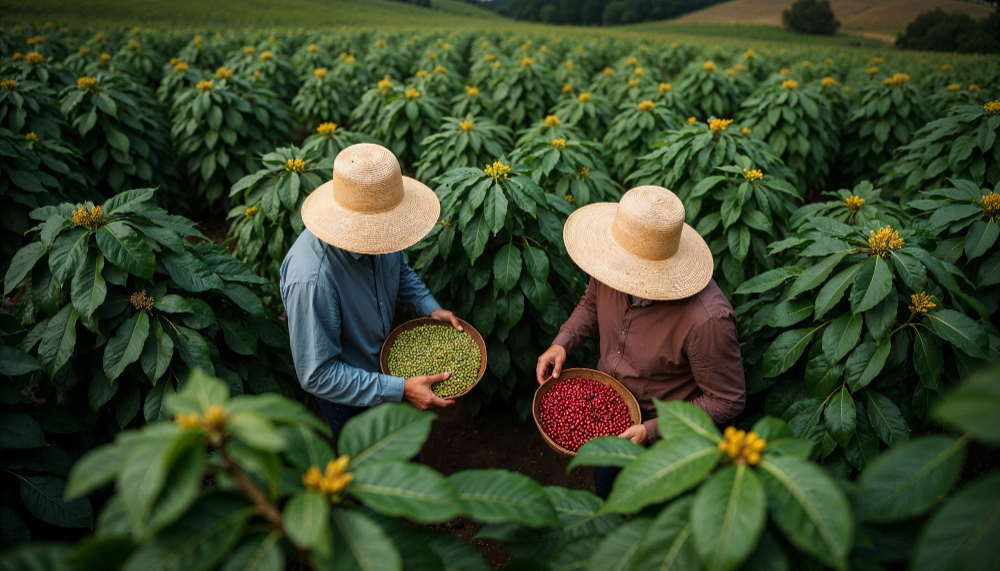
- Cherry collection baskets: Allow pickers to gather ripe cherries efficiently while minimising damage.
- Field crates: Provide sturdy storage for harvested cherries, ensuring proper handling before processing.
Post-Harvest & Quality Control Tools
Moisture & Environmental Monitoring
Accurate monitoring is essential in coffee farming to preserve quality after harvest.
- Moisture meters: Ensure beans are dried to the optimal 10–12 per cent moisture level to prevent mold and maintain safe storage conditions.
- Thermo-hygrometers: Measure temperature and humidity levels during drying and storage.
- Storage monitoring systems: Track environmental conditions to protect beans from spoilage and quality loss.
Drying Infrastructure
Proper drying infrastructure is crucial in coffee farming to maintain bean quality and prevent defects.
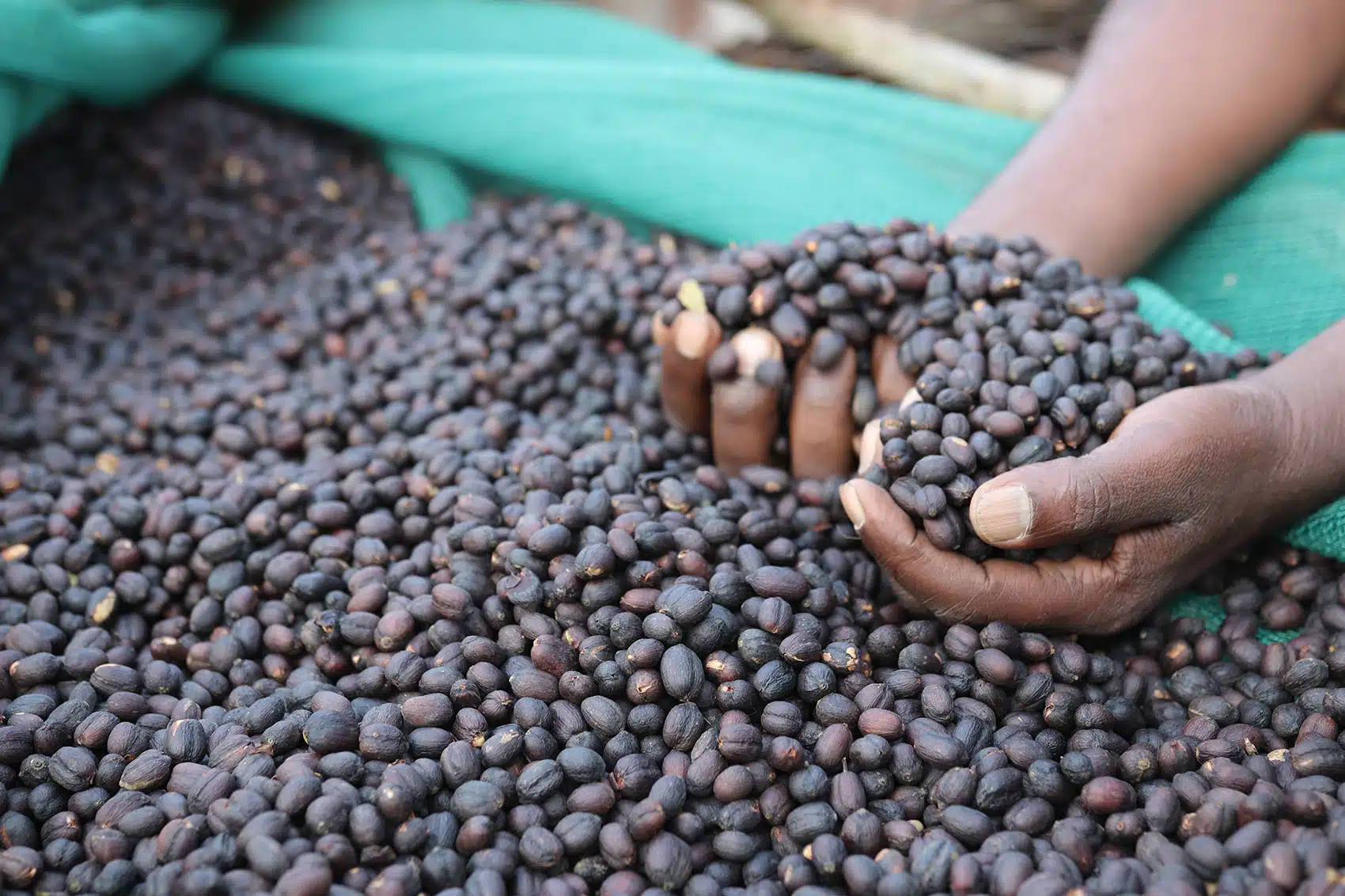
- Raised drying beds: Promote even airflow and uniform drying while reducing the risk of contamination.
- Tarpaulins: Provide a clean surface for sun drying and protect beans from ground moisture.
- Solar drying systems: Use controlled solar energy to speed up drying and improve efficiency during wet conditions.
Sorting & Grading Equipment
Sorting and grading equipment is essential in coffee farming to ensure uniform quality and meet market standards.
- Grading screens and sieves: Separate beans based on size for consistent batch quality.
- Density sorting tools: Remove low-density or defective beans to improve overall cup performance.
- Manual sorting tables: Allow careful visual inspection to eliminate damaged or inferior beans before final processing.
Sampling & Traceability Tools
Sampling and traceability tools help maintain quality control and transparency in coffee farming.
- Bean probes: Allow internal sampling of bean lots without damaging the batch.
- Batch labelling systems: Ensure proper identification and tracking of each harvest lot.
- Quality documentation tools: Record processing details and quality data to support compliance and market requirements.
Processing & Harvesting Machinery
Harvesting Methods & Equipment
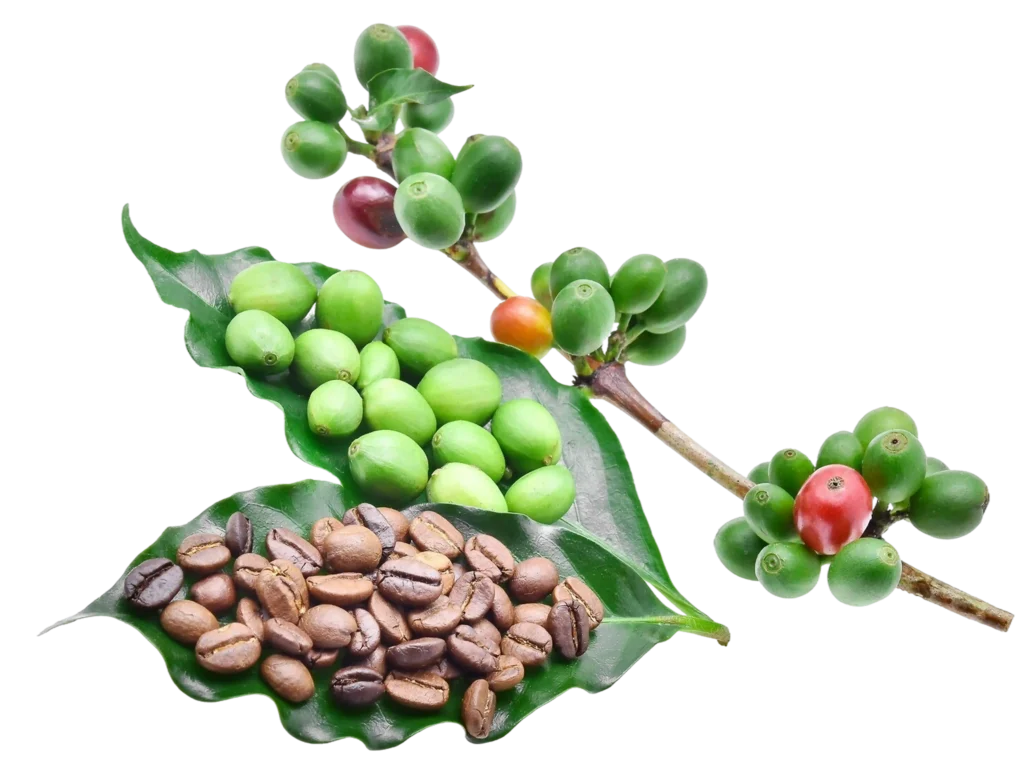
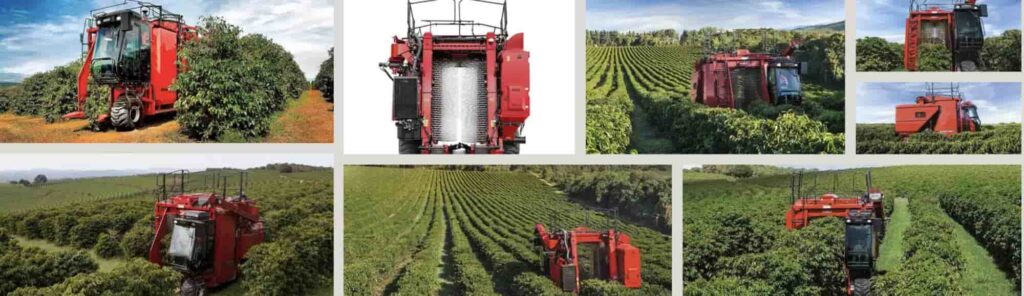
Harvesting is a critical stage in coffee farming, as it directly influences bean quality and final cup characteristics. Selective hand picking, commonly practised in the highland regions of Ethiopia, ensures that only fully ripe cherries are harvested, resulting in better flavour consistency and higher quality. In areas where terrain and farm size allow, mechanical cherry harvesters can improve efficiency and reduce labour time, while still requiring careful management to maintain quality standards.
Pulping & Fermentation Equipment
Pulping and fermentation equipment are essential in coffee farming to properly remove the outer fruit layer and prepare beans for drying. Disc pulpers and drum pulpers efficiently separate coffee cherries into parchment beans while minimising damage.
Water-efficient processing systems help reduce water usage during pulping and fermentation, supporting sustainable practices and maintaining high-quality standards.
Drying Acceleration Technology
Drying acceleration technology helps improve efficiency and maintain quality in coffee farming, especially during wet or high-humidity conditions. Mechanical dryers speed up the drying process while maintaining controlled temperatures.
Coffee turners ensure even drying by regularly rotating beans. Controlled drying chambers provide a stable environment with regulated airflow, temperature, and humidity to protect bean quality.
Hulling & Polishing Machinery
Hulling and polishing machinery is used in the final stage of coffee farming to prepare beans for the market.
- Mechanical hullers remove the parchment layer from dried beans to make them ready for grading and export.
- Polishers enhance bean appearance by smoothing the surface and removing residual layers.
- Export-ready finishing systems complete the cleaning and preparation process to ensure beans meet international quality standards.
Conveyor & Sorting Systems
Conveyor and sorting systems improve efficiency and quality control in coffee farming during post-harvest processing.
- Visual inspection tables allow workers to manually check and remove defective beans before final grading.
- Conveyor belt grading systems help move beans smoothly through different sorting stages, improving speed, consistency, and workflow efficiency.
Digital & Smart Technology in Coffee Farming
Farm Monitoring & Data Tools
Digital monitoring tools support smarter decision-making and improved efficiency in coffee farming.
- Crop tracking software helps monitor plant growth, field activities, and farm performance in real time.
- Yield forecasting tools analyse data to estimate production levels and plan harvests more effectively.
- Mobile farm management apps allow farmers to record data, track expenses, and manage operations directly from their smartphones.
Environmental Monitoring Systems
Environmental monitoring systems help improve planning and resource management in coffee farming.
- Soil moisture sensors measure water levels in the soil to optimise irrigation and prevent overwatering or drought stress.
- Weather stations provide real-time data on temperature, rainfall, humidity, and wind conditions.
- Climate tracking tools analyze long term environmental trends to support better farming decisions and risk management.
Traceability & Export Compliance Systems
Traceability and compliance systems are essential in modern coffee farming to meet international market requirements and ensure transparency.
- QR-based tracking allows each coffee batch to be scanned and traced back to its farm of origin.
- Blockchain traceability provides secure and transparent record-keeping across the supply chain.
- Documentation tools help coffee exporters from Ethiopia to manage certification records.
Sustainable Innovations in Coffee Farming
Sustainable innovations help improve efficiency while protecting the environment in coffee farming.
- Solar-powered dryers use renewable energy to speed up drying and reduce reliance on fuel.
- Water recycling systems minimise water waste during processing and support responsible resource management.
- Organic composting technology converts farm waste into natural fertiliser, improving soil health and reducing chemical inputs.
Conclusion
Modern coffee farming depends on the right combination of field tools, processing machinery, and digital technology to ensure consistent quality and efficiency. From cultivation and harvesting equipment to drying systems, sorting tools, and traceability solutions, each stage plays a vital role in producing high-grade beans.
Investing in advanced technology strengthens long-term productivity, improves sustainability, and reduces post-harvest losses. Most importantly, it supports speciality-grade production that meets international standards, helping farmers compete successfully in global markets while maintaining quality and profitability.