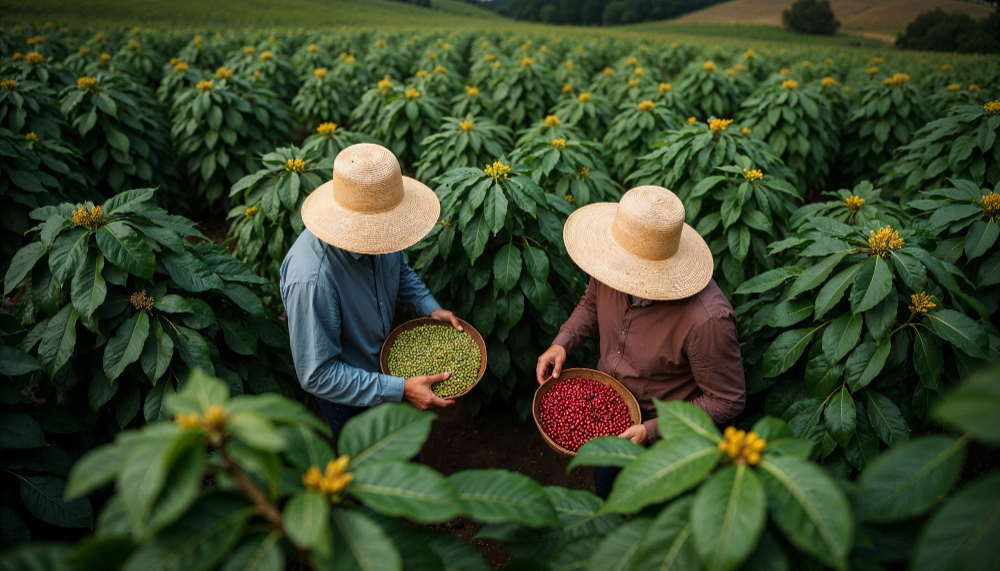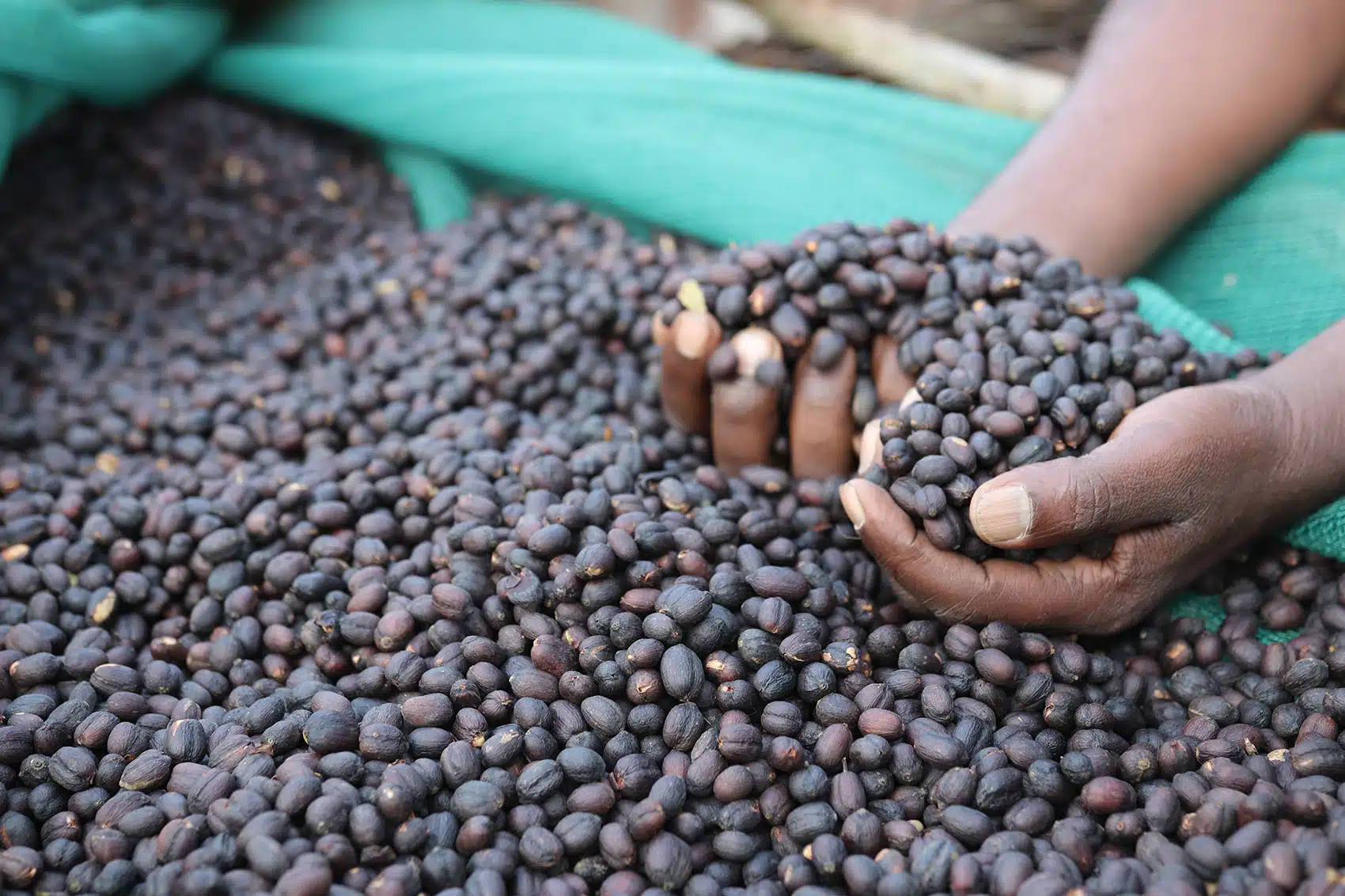
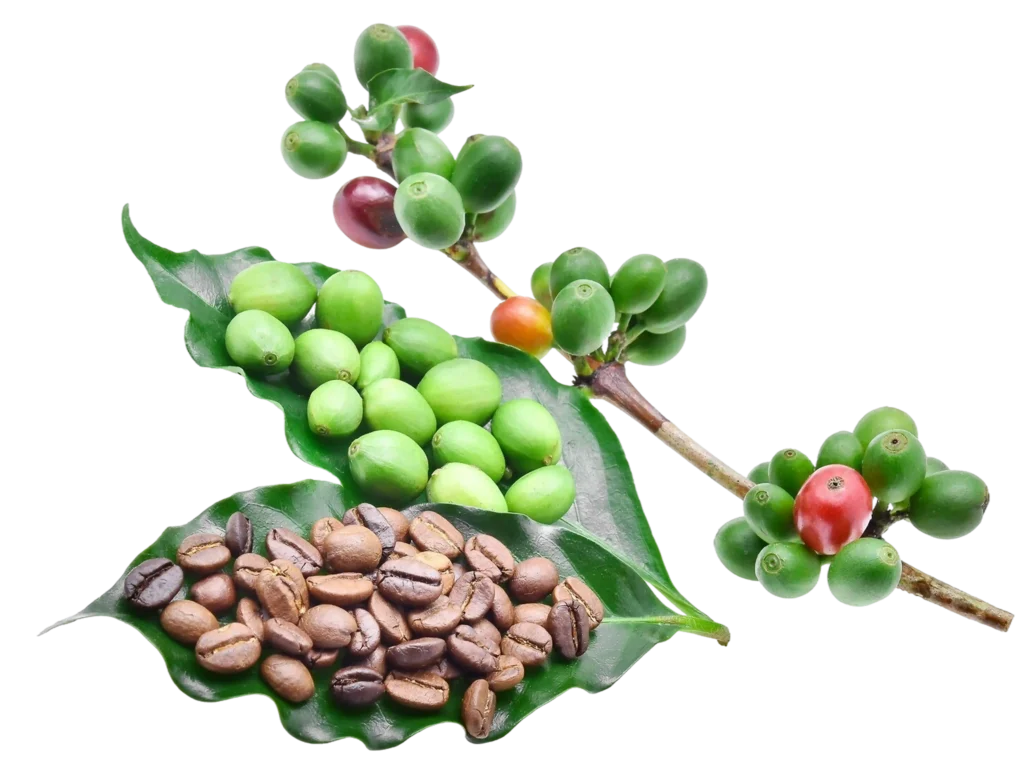
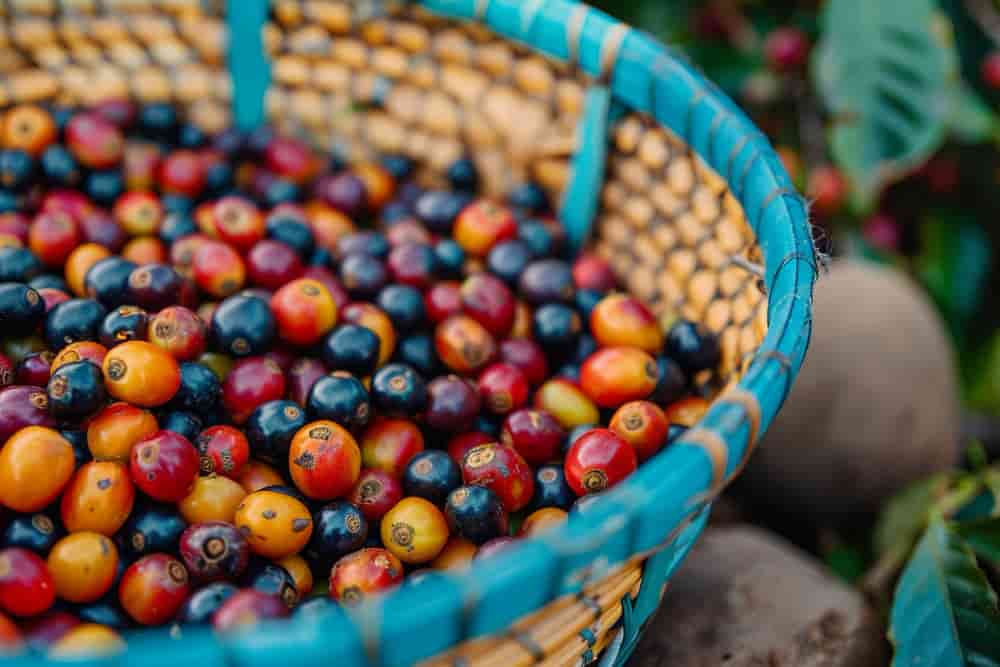
We all know that the quality cup of coffee, containing rich aroma and unique flavors, is from the world’s best coffee-growing regions. These regions, with ideal conditions like sunlight, rainfall, and nutrient-rich soil, create a climate for coffee plants to grow and produce quality beans. In this blog, we’ll explore what the coffee belt is and why it’s ideal for cultivating coffee.
Understanding the Coffee Belt
The Coffee Belt is an imaginary zone along the equator, between the Tropics of Cancer and Capricorn, where you can find major coffee-growing regions. There are more than 70 countries across this zone where coffee is cultivated. Coffee consumed all over the world is produced in this region.
Key Elements That Make the Coffee Belt Perfect for Coffee Cultivation
Coffee plants require specific conditions to produce the best coffee beans. The coffee belt offers an ideal environment for growing coffee.
- Temperature: A mild tropical climate with temperatures between 15°C and 24°C keeps the coffee plants in good condition.
- Altitude: The highland area of the coffee belts, from 600 to 2200 meters above sea level, provides cooler temperatures for beans.
- Soil quality: The volcanic and nutrient-rich soil in the coffee belt regions provides a unique taste profile to the coffee.
- Rainfall: Consistent rainfall in this region ensures proper irrigation for the coffee plants.
- Shade: Natural shade from tropical forests and native trees protects the coffee plants from harsh sunlight.
Major coffee-growing regions in the coffee belt
Latin America
The coffee beans from Latin America have smooth and balanced flavours and are loved globally. The perfect climatic conditions with volcanic soils and high-altitude farms help to produce the finest beans from this region. Latin American coffee is usually wet processed, and that results in a clean quality cup of brew.
- Brazil: The coffee beans from Brazil are a popular and affordable choice for espresso and other coffee blends. As the largest coffee producer in the world, Brazilian coffee beans are famous for their chocolatey, caramel, nutty, and fruity notes.
- Colombia: Arabica beans grown in the mountain terrain of Colombia are famous for their bright acidic notes.
- Costa Rica: Coffee grown in Costa Rica is Arabica coffee, which offers citrusy and berry-like flavours.
Africa
Africa has some of the complex flavours of coffee beans. The continent has diverse environments and microclimates, and the beans from Africa are famous for their unique flavour profile and aroma.
- Ethiopia: Ethiopia is the birthplace of coffee and grows coffee with floral, fruity, and wine-like flavours that have high demand all over the world.
- Kenya: Kenyan coffee is grown in the volcanic soil and provides beans with vibrant, acidic, and fruity notes.
- Tanzania: Tanzanian beans offer fruity brightness and a well-balanced flavour profile.
Asia/Pacific
The coffee beans from the Asia-Pacific region provide earthy and bold flavours, which are different from those of the Latin American and African continents.
- Vietnam: Vietnam is the world’s largest Robusta coffee producer that provides high-quality beans globally. It is also known for strong, intense coffee used in espresso blends.
- Indonesia: Islands like Sumatra, Java, and Sulawesi produce unique coffees with earthy, spicy, and herbal notes. The traditional wet hulling process practised widely in the country provides a distinct flavour to the coffee.
- India: Indian coffee beans carry subtle spicy and nutty flavours. These beans have a distinctive, mildly acidic, and rich profile.
Challenges Faced by Coffee Farmers in the Coffee Belt
Though the coffee belt region has ideal growing conditions for the coffee plant, coffee farmers who grow coffee in these regions face several challenges.
Climate change
Coffee plants are sensitive to temperature and rainfall changes. These days, the rising temperature, unpredictable weather, droughts, and floods disrupt the climate needed for healthy crops.
Pests and diseases
The warm and humid conditions within the coffee belt make the coffee plants vulnerable to various pests. These can affect the coffee yields and harvest, affecting farmers who lack access to resources for effective prevention and treatment.
Economic uncertainty
Global coffee prices are volatile at times. For smallholder farmers who produce coffee in the coffee belt, sudden drops in prices are a major problem. This instability makes it difficult for the farmers to invest in farm improvements and other sustainable practices.
Labour shortages
Coffee harvesting requires manual labour as hand-picking of ripe coffee cherries is common to ensure quality. However, many young generations are leaving the rural farming communities for better job opportunities in the cities.
Environment degradation
Deforestation, soil erosion, and unsustainable farming practices affect the coffee-growing regions. As forests are cleared for farming, the natural ecosystem is getting disrupted, which affects the coffee plants and coffee-growing regions.
Conclusion
The equatorial region around the globe that has ideal conditions for growing coffee is considered a coffee belt. This geographical region around the globe maintains the global coffee industry. From the high terrains and mountains of Latin America to the fertile lands of Africa and the volcanic islands of Asia, the coffee belt provides coffee loved by people all over the world. Understanding the origins of your favourite brew helps you to appreciate your cup of coffee.