Ethiopia is widely celebrated as the birthplace of Arabica coffee, a legacy that has shaped both its culture and global coffee history. Coffee has been part of Ethiopian life for centuries, and today it plays a central role in the world’s speciality coffee market.
Ethiopian coffee production continues to influence global supply, quality standards, and flavour diversity. Known for its rich aromas and unique regional profiles, Ethiopia remains one of the most important contributors to the international coffee industry. As global demand for high-quality Arabica grows, Ethiopia’s role as a major producer and a key coffee exporter becomes even more valuable.
Ethiopia’s Position in Global Coffee Production
Ethiopia holds the prestigious position as the fifth-largest coffee producer in the world and stands as the top coffee producer on the African continent. Ethiopia’s coffee production is deeply rooted in its culture and economy, making it a significant player in the global coffee market.
In the Ethiopian fiscal year ending July 2025, the country exported nearly 469,000 tons of coffee, generating a record $2.65 billion in revenue. This marks an impressive growth phase, with the first ten months alone showing a 70 per cent increase in export volume and an 87 per cent rise in revenue compared to the previous year. These numbers underscore Ethiopia’s growing influence in the global coffee market and its role as a major producer and exporter of coffee.
Ethiopia’s coffee production comes from well-known regions like Sidamo, Yirgacheffe, Harrar, Jimma and Limu. Each area has its own climate, altitude and soil, which creates the unique flavours Ethiopia is loved for. These regions are the backbone of the country’s strong coffee quality and global reputation.
What Drives Ethiopia’s Coffee Production?
Unique geography
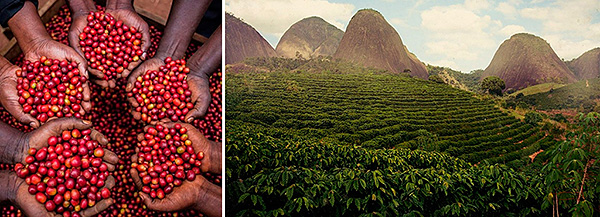
Ethiopian coffee production thrives due to its exceptional geography. The combination of high altitudes, favourable climate, and nutrient-rich soil creates ideal conditions for Arabica coffee cultivation. Regions like Sidamo, Yirgacheffe, Harrar, Jimma, and Limu offer unique microclimates that influence the flavour, aroma, and quality of the beans, making Ethiopian coffee distinct on the global stage.
Traditional farming practices
Ethiopia’s coffee production is deeply rooted in traditional farming methods that have been preserved for generations. Farmers cultivate coffee using three main systems: forest coffee, where wild coffee grows under natural forest canopies; garden coffee, cultivated in small home gardens alongside other crops; and plantation coffee, grown in larger, organised farms. These methods not only sustain biodiversity and soil fertility but also contribute to the unique flavours and high quality that Ethiopian coffee is celebrated for worldwide.
Role of smallholder farmers and cultivation methods
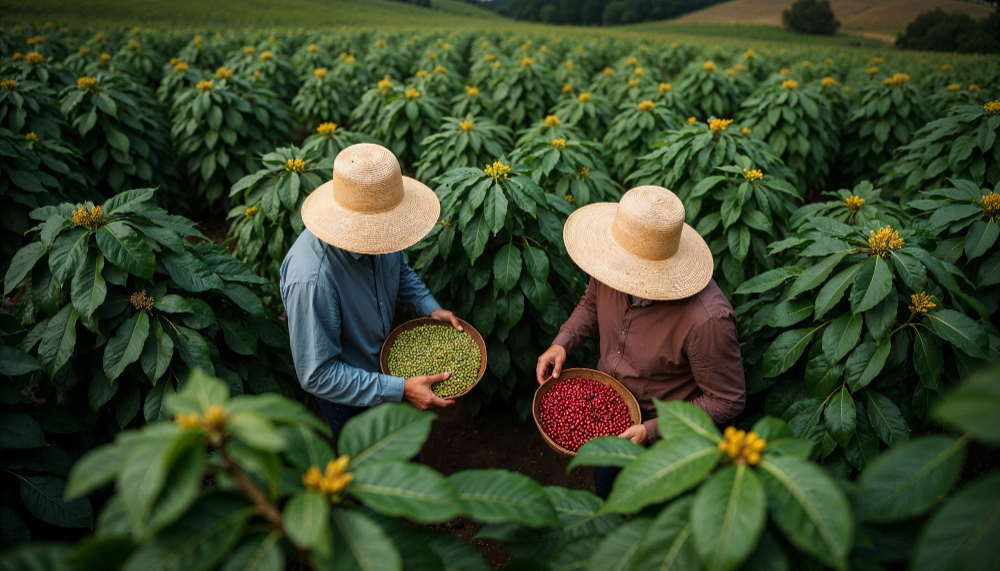
Smallholder farmers are the backbone of Ethiopia’s coffee industry, accounting for the majority of production. They employ careful cultivation methods, including selective picking, hand-sorting, and traditional drying techniques, to ensure the highest quality beans. Their intimate knowledge of local microclimates, soil conditions, and coffee varietals allows them to maintain sustainable practices while producing beans with distinct flavours and aromas that reflect Ethiopia’s diverse coffee-growing regions.
Processing methods
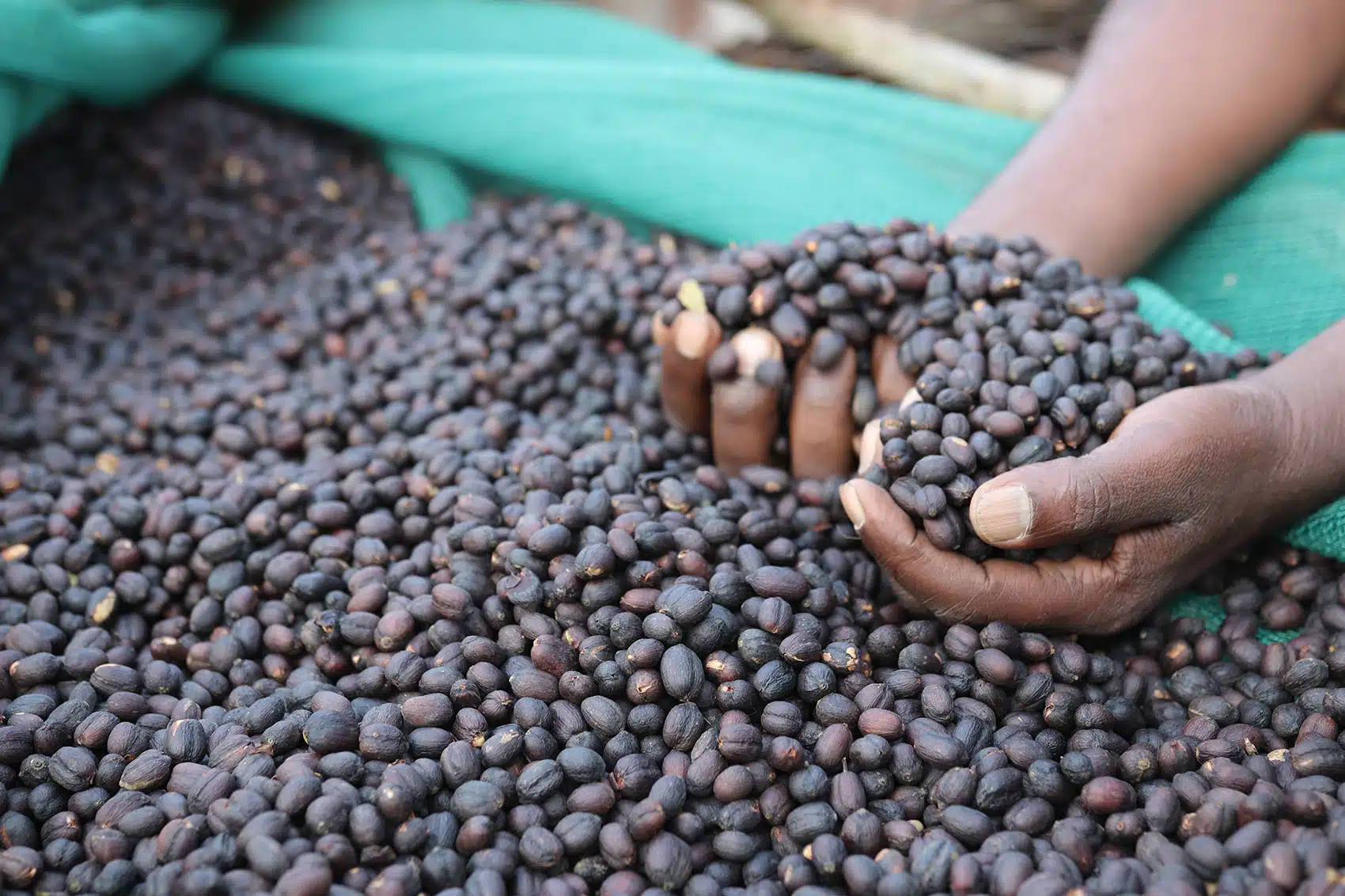
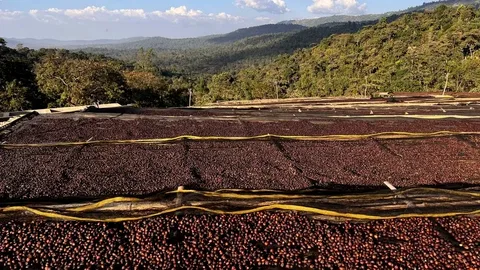
Ethiopian coffee owes much of its unique taste to diverse processing methods. The washed process involves fermenting and washing the beans, producing a clean and bright flavour profile. The natural process, where beans are dried inside the fruit, creates fruity and complex notes. The honey process, where some mucilage is left on the beans during drying, balances sweetness and acidity. Each method highlights different characteristics of the coffee, allowing Ethiopia to offer a wide spectrum of flavours that appeal to coffee enthusiasts worldwide.
The Role of Ethiopian Coffee in the National Economy
- Contribution to GDP and Rural Livelihoods: Coffee is a major driver of Ethiopia’s economy, supporting the livelihoods of millions of smallholder farmers and their families.
- Employment and Income Generation: The coffee sector provides jobs in farming, processing, transportation, and trading, sustaining communities across coffee-growing regions.
- Export Revenues and Foreign Exchange: As a leading export commodity, coffee generates significant foreign exchange, strengthening Ethiopia’s global trade position and economic stability.
- Cultural and Tourism Impact: Ethiopia’s coffee heritage attracts tourists and promotes cultural identity, further contributing to local economies and international recognition.
Unique Qualities and Characteristics of Ethiopian Coffee
- Distinct Flavour Profiles by Region: Each coffee-growing region, such as Sidamo, Yirgacheffe, Harrar, Jimma, and Limu, produces beans with unique flavours and aromas, ranging from floral and citrusy to fruity and wine-like notes.
- Organic and Sustainable Production Methods: Traditional farming practices and minimal use of chemicals make Ethiopian coffee naturally organic and environmentally sustainable.
- Speciality Coffee Reputation and Certifications: Ethiopian coffee is renowned globally for its high quality, often earning speciality coffee status and certifications that highlight its premium taste and ethical production standards.
Ethiopia’s Coffee Industry: Growth Potential and Future Trends
- Ethiopian Coffee Exports in Leading Global Markets: Ethiopia continues to expand its coffee exports to major markets such as the United States, Europe, and Asia. Leading exporters play a key role in promoting Ethiopian coffee globally, highlighting its unique flavours and premium quality.
- Challenges Facing the Industry: Climate change, unpredictable rainfall, pests, and infrastructure limitations pose significant challenges to consistent production and maintaining quality.
- Government Initiatives and Sustainability Programs: Policies supporting fair trade, quality improvement, farmer training, and sustainable farming practices aim to strengthen the coffee sector and ensure long-term growth.
- Opportunities for Speciality and Value-Added Coffee: Rising global demand for speciality and ethically produced coffee provides Ethiopia with the chance to expand its premium market share and diversify export offerings.
Conclusion
Ethiopian coffee production remains a cornerstone of the country’s culture, economy, and global reputation. As the fifth-largest coffee producer in the world and the top African coffee exporter, Ethiopia continues to set the standard for quality, diversity, and sustainability in the Arabica coffee market. With its unique geography, traditional farming practices, skilled smallholder farmers, and diverse processing methods, Ethiopian coffee stands out for its exceptional flavours and regional characteristics.
The industry not only supports rural livelihoods and generates significant export revenue but also drives tourism and cultural recognition. Despite challenges such as climate change and infrastructure limitations, government initiatives, fair trade programs, and growing global demand for speciality coffee offer promising growth opportunities. For coffee lovers and global markets alike, Ethiopia’s coffee production remains an enduring symbol of quality, heritage, and economic potential, reinforcing the nation’s position as a key coffee exporter in Ethiopia and a vital player in the international coffee landscape.