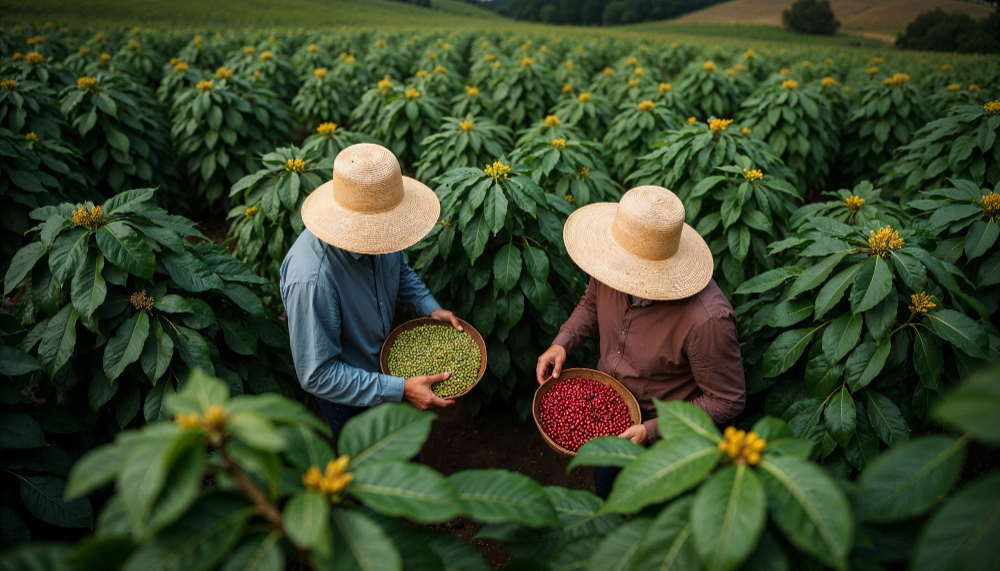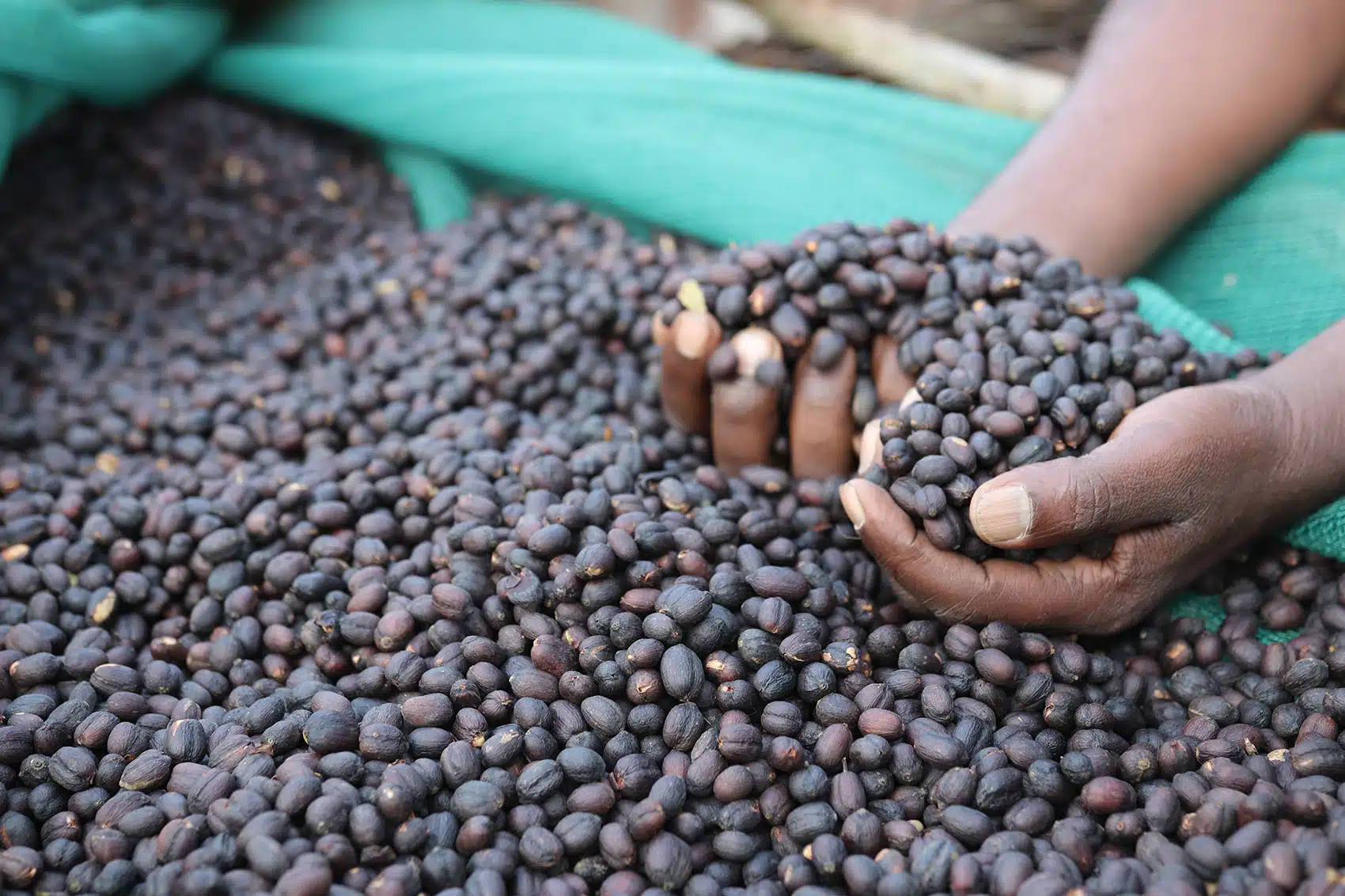
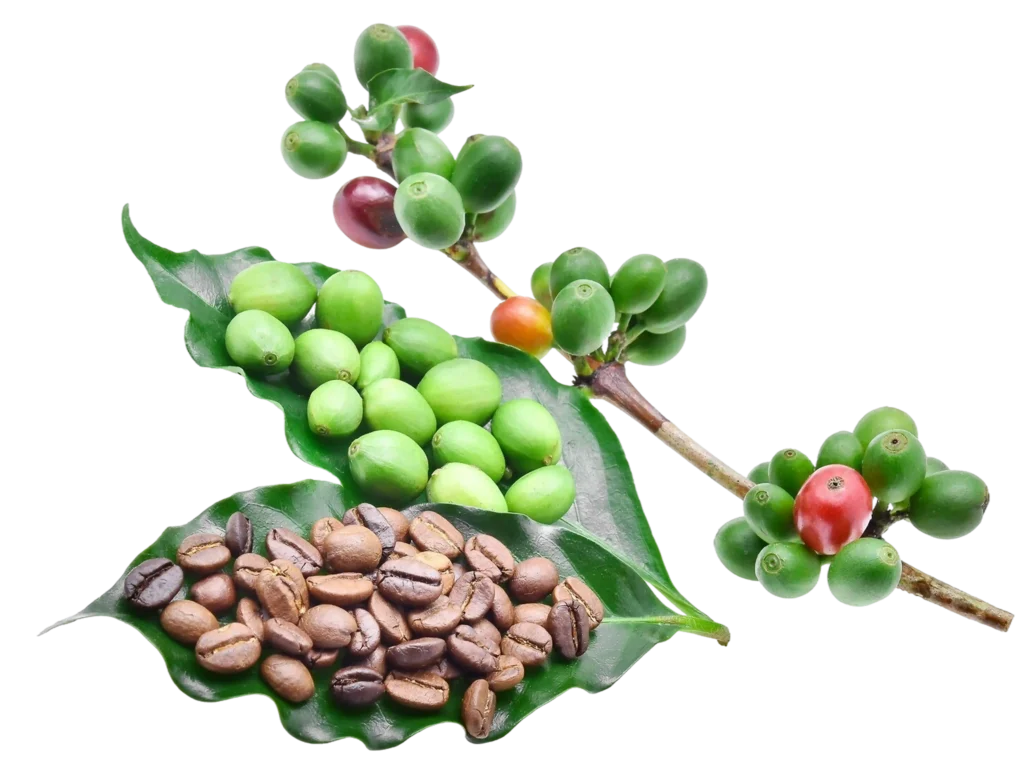

Ethiopia grows coffee that defines how the world judges quality. This is not just another coffee-producing country. It is where coffee was first discovered and cultivated naturally. The beans grown here are diverse, flavourful, and deeply connected to the land. If you drink speciality coffee, chances are its standards were shaped by Ethiopia. Read on to know exactly what type of coffee is grown in Ethiopia and why it stands apart globally.
What type of coffee is grown in Ethiopia
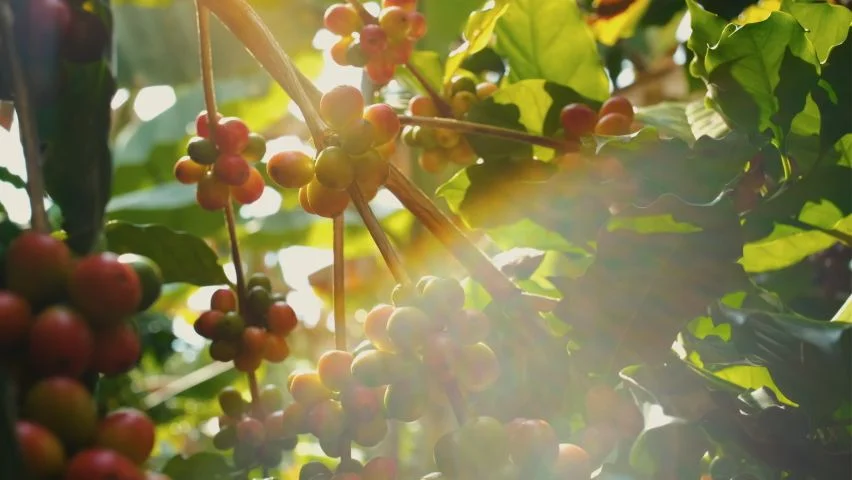
Ethiopia grows Arabica coffee only. No Robusta. No blends. Every coffee bean commercially grown in Ethiopia belongs to the Arabica family, scientifically known as Coffea arabica.
What makes this special is not just the species but the diversity within it. Ethiopia is the birthplace of Arabica coffee, and thousands of naturally occurring varieties grow across the country. Many of these varieties are not found anywhere else in the world.
Ethiopian coffee plants grow in forests, small farms, and garden plots. They are often cultivated with minimal chemical input, relying on natural rainfall, shade, and fertile soil. This natural growing style plays a big role in flavour quality.
In simple terms, when people ask what type of coffee is grown in Ethiopia, the answer is clear.
- 100 cent Arabica coffee
- Indigenous and wild varieties
- Naturally grown across diverse regions
Arabica coffee varieties native to Ethiopia
Ethiopia does not follow a single standardised coffee variety system. Instead, it is home to thousands of native Arabica plants that evolved naturally over centuries.
Heirloom coffee varieties
The term ‘heirloom’ is widely used to describe Ethiopian coffee. It refers to traditional, locally adapted coffee plants that have not been genetically modified or standardised.
Heirloom coffees are known for their wide range of flavours. One batch may taste floral and light, while another from a nearby area may taste fruity or spicy. This variation is normal in Ethiopia.
Key characteristics of heirloom coffee include
- High genetic diversity
- Unique flavor profiles
- Natural resistance to diseases
- Adaptation to local climate and soil
Because of this diversity, Ethiopian coffee often surprises roasters and drinkers with complex aromas and layered tastes.
Indigenous Arabica landraces
Landraces are local coffee plants that have grown naturally in specific areas for generations. These plants are not imported or engineered. They belong to the land itself.
Many Ethiopian coffee forests still contain wild Arabica plants. These forests are especially common in the southwest, near the historic coffee regions. Landrace coffees contribute to
- Global coffee research and breeding
- Climate resilience for future coffee crops
- Preservation of coffee biodiversity
This natural genetic pool is one of Ethiopia’s greatest contributions to the global coffee industry.
Major coffee-growing regions in Ethiopia
Ethiopia is divided into several well known coffee regions. Each region produces coffee with distinct taste characteristics influenced by altitude, climate, and processing style.
Yirgache
Yirgacheffe is one of the most famous coffee regions in the world. Coffees from this area are known for clean flavours and strong aromas.
Typical features include
- Floral notes like jasmine
- Citrus like lemon or bergamot
- Light to medium body
Most Yirgacheffe coffee is washed, which gives it a bright and crisp taste. It is popular among specialty coffee buyers and premium cafes.
Sidamo
Sidamo is a large and diverse coffee producing area. Because of its size, coffees from Sidamo can vary in taste.
Common characteristics include
- Balanced acidity
- Fruity and sweet notes
- Smooth mouthfeel
Sidamo coffee grows at high altitudes and is produced by thousands of small farmers. Both washed and natural processing methods are used here.
Harrar
Harrar is known for its traditional dry processing methods. This region produces bold and intense coffees.
Harrar coffee is often described as
- Wine like
- Deeply fruity
- Slightly wild and rustic
Natural processing gives Harrar coffee strong flavors that stand out, especially in darker roasts.
Limu
Limu produces well balanced and clean coffees. Limu coffee is mostly washed and appreciated for its smooth taste.
Flavor traits usually include
- Mild sweetness
- Soft acidity
- Gentle spice notes
Limu coffee is often chosen by buyers looking for consistency and easy drinkability.
Guji
Guji has gained recognition in recent years. Though once grouped under Sidamo, Guji is now valued as a distinct origin.
Guji coffees are known for
- Floral aromas
- Complex fruit flavors
- Elegant acidity
Many speciality buyers consider Guji coffee among the finest produced in Ethiopia today.
How coffee processing differs across Ethiopia
Processing plays a major role in how Ethiopian coffee tastes. Farmers use both traditional and modern methods depending on region and resources.
Washed coffee processing in Ethiopia
Washed processing involves removing the coffee fruit before drying the beans. This method highlights clarity and acidity.
Washed Ethiopian coffees usually offer
- Clean and bright taste
- Floral and citrus notes
- Consistent quality
Regions like Yirgacheffe, Limu, and parts of Sidamo commonly use washed processing.
Natural coffee processing in Ethiopia
Natural processing dries the coffee beans inside the fruit. This is the oldest method and is still widely used.
Natural Ethiopian coffees are known for
- Strong fruit flavors
- Heavier body
- Sweet and wine-like notes
Harrar and Guji are especially famous for naturally processed coffee.
Why Ethiopian coffee tastes different from other coffees
Ethiopian coffee tastes different because of several natural factors working together. These factors are difficult to replicate elsewhere.
Key reasons include
- High-altitude growing conditions
- Rich and diverse soil
- Indigenous Arabica varieties
- Traditional farming methods
Most Ethiopian coffee grows at elevations above 1500 meters. Cooler temperatures slow bean development, which improves flavor complexity. Many farms avoid heavy machinery and chemical use, preserving natural quality.
Unlike large plantations in other countries, Ethiopian coffee is often grown in small plots. This allows closer care and selective harvesting, which improves taste.
Is Ethiopia the only country that grows heirloom coffee
Ethiopia is the only country where heirloom coffee originates naturally. Other countries may grow Ethiopian varieties, but the original genetic source is Ethiopian soil.
While nations like Colombia or Brazil grow Arabica, their varieties were developed later through selective breeding. Ethiopia remains unique because
- Coffee grows both wild and cultivated
- Genetic diversity is unmatched
- New varieties continue to be discovered
This makes Ethiopia essential to the future of global coffee production.
Ethiopian coffee in the global specialty market
Ethiopian coffee holds a respected position in the specialty coffee world. Many premium roasters actively seek Ethiopian beans for their unique profiles.
Reasons for strong global demand include
- Single origin appeal
- Traceable small farm production
- Wide flavor spectrum
Ethiopian coffee often commands higher prices due to quality and limited supply. Cooperative systems and exporters play a key role in maintaining consistency and market access
Why Ethiopian coffee stands apart
Ethiopia grows only Arabica coffee, but what makes it exceptional is diversity. Thousands of native varieties, multiple growing regions, and traditional farming methods combine to produce coffees unlike any other. From floral Yirgacheffe to bold Harrar, Ethiopian coffee offers a wide range of experiences for drinkers worldwide. Its natural heritage, quality focus, and global influence ensure that Ethiopia remains central to the future of speciality coffee.
Trusted Ethiopian Coffee Exporter for Premium Arabica Beans
When sourcing authentic Ethiopian coffee, reliability and origin integrity are critical. AMG Coffee is a trusted coffee exporter in Ethiopia, supplying a wide range of coffee types in Ethiopia, including high quality Arabica beans from renowned regions such as Sidamo, Guji, and Yirgacheffe. With strict quality control, ethical sourcing practices, and proven export expertise, AMG Coffee connects global buyers with genuine Ethiopian coffee. For businesses seeking consistent flavor, traceable supply, and export ready beans, AMG Coffee delivers confidence in every shipment.