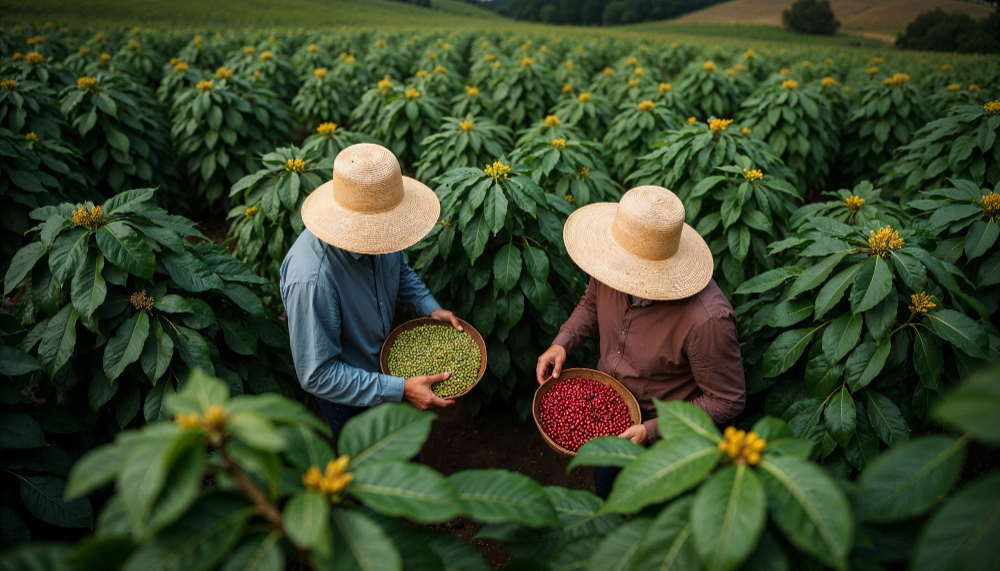
If you are planning to import coffee on a global level, Ethiopia cannot be ignored. As the birthplace of Arabica coffee, Ethiopia supplies beans that are highly valued across international markets. From specialty roasters to large distributors, demand for Ethiopian coffee continues to grow each year. This guide explains who is importing coffee from Ethiopia, what drives their interest, and where real business opportunities exist.
Who Is Actively Importing Coffee from Ethiopia
Coffee exporting from Ethiopia attracts buyers with different business sizes, sourcing goals, and market strategies. Some buyers focus on premium quality and traceability, while others prioritize volume, consistency, and logistics. What connects all of them is the demand for dependable Ethiopia coffee suppliers and beans that meet international quality standards.
Specialty Coffee Roasters
Specialty coffee roasters are among the most active importers of Ethiopian coffee. These businesses usually operate on a small to medium scale and focus on quality rather than volume. Many of them are based in North America, Europe, Australia, and Japan, where consumers are willing to pay more for well sourced coffee.
Specialty coffee Ethiopia is highly valued in this segment because of its complex flavors and strong origin identity. Single origin Ethiopian coffee is often sold with detailed information about the growing region, processing method, and harvest season. These roasters are not just buying coffee. They are buying consistency, character, and story.
Quality is the top priority for this group. Ethiopian arabica coffee meets their expectations due to its clean cup profile, floral notes, and balanced acidity.
Large Scale Coffee Importers and Distributors
Large scale importers and distributors purchase coffee in high volumes and supply it to cafes, retailers, hotels, and food service operators. Their primary focus is bulk coffee export Ethiopia, where reliability and consistency are critical.
Green coffee beans Ethiopia are commonly imported in large quantities and roasted locally or supplied to partner roasting facilities. These buyers usually operate on long term contracts and structured supply agreements.
Their purchasing decisions are guided by factors such as consistent quality across shipments, competitive pricing at scale, dependable logistics, and timely documentation. While quality remains important, stability and delivery performance often take priority.
Coffee Brands Building Premium Private Labels
Many coffee brands import coffee from Ethiopia to build premium private label products. These brands use Ethiopian coffee origin as a core part of their brand positioning.
Traceable coffee Ethiopia helps these brands communicate transparency, ethical sourcing, and authenticity to customers. Origin based storytelling allows them to stand out in competitive retail environments and justify premium pricing.
These buyers prefer working with experienced Ethiopian coffee exporters who can provide detailed sourcing data and repeatable quality across harvests.
Cafe Chains and Independent Coffee Shops
Cafe chains and independent coffee shops import Ethiopian arabica coffee to offer distinctive flavor experiences. Consumer awareness around coffee has increased, and many customers actively seek out origin specific beans.
Ethiopian coffee is known for floral coffee beans, bright acidity, and layered aromas. These qualities help cafes differentiate their menus and attract repeat customers. Some cafes import directly, while others work through regional distributors based on scale and operational capacity.
Why Ethiopia Attracts Global Coffee Buyers
Ethiopia continues to attract coffee buyers from around the world due to its heritage, regional diversity, and long standing reputation for producing high quality Arabica beans.
Birthplace of Arabica Coffee
Ethiopia is globally recognized as the birthplace of Arabica coffee. This origin status adds credibility and value in international markets and plays a major role in buyer interest.
The coffee export sector is regulated by the Ethiopian Coffee and Tea Authority, which oversees exporter licensing and compliance. This structured system helps maintain quality control and strengthens buyer confidence in coffee exporting from Ethiopia.
Diverse Flavor Profiles Across Regions
Ethiopia has multiple coffee growing regions, each offering unique flavor characteristics shaped by altitude, climate, and soil conditions. Well known regions include Sidamo, Yirgacheffe, and Harrar.
These Ethiopian coffee regions allow buyers to select beans based on specific taste preferences. Fruity floral coffee profiles are especially popular in specialty markets, while bolder profiles are often used in blends.
Strong Global Demand in Specialty Markets
Demand for Ethiopian coffee remains strong in specialty markets worldwide. Many lots meet high Specialty Coffee Association grading expectations and perform consistently well during cupping.
Specialty grade coffee Ethiopia is valued for clarity, brightness, and clean finishes, making it a preferred choice for premium coffee programs.
Countries Importing the Most Coffee from Ethiopia
Ethiopian coffee is imported by buyers across several regions, each with distinct consumption patterns and sourcing priorities.
United States
The United States is one of the largest importers of Ethiopian coffee. Growth in specialty cafes and third wave coffee culture has increased demand for single origin Ethiopian coffee, particularly for lighter roast profiles that highlight natural flavors.
Germany and European Union
Germany serves as a major entry point for Ethiopian coffee into Europe. Importers supply both bulk buyers and specialty roasters across the European Union. Many European buyers emphasize certifications, traceability, and consistent quality.
Japan and South Korea
Japan and South Korea are markets known for their focus on quality and precision. Buyers in these countries value clean processing, stable flavor profiles, and reliable sourcing. Ethiopian arabica coffee aligns well with these expectations.
Middle East
The Middle East is experiencing growth in premium cafe culture. Demand for Ethiopian coffee export markets in this region continues to rise, driven by specialty cafes and upscale retail outlets.
What Types of Buyers Source Coffee from Ethiopia
Different buyer types approach Ethiopian coffee sourcing with different objectives and purchasing methods.
Green Coffee Bean Importers
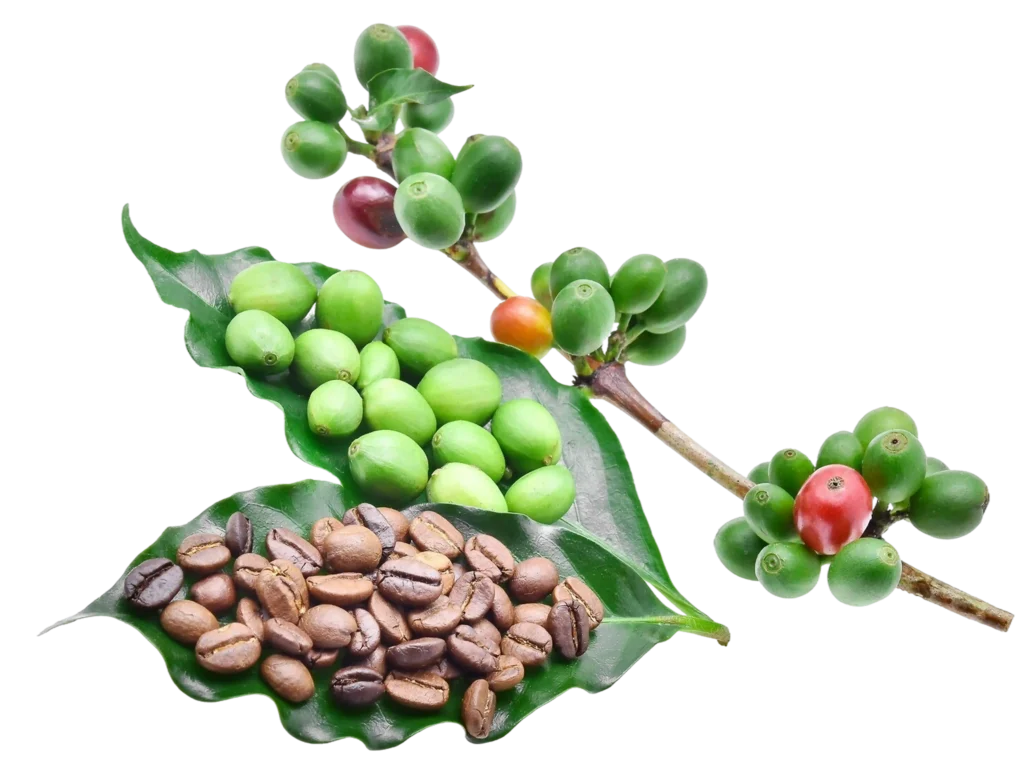
Green coffee bean importers purchase unroasted beans and handle roasting locally. Green coffee importing Ethiopia allows these buyers greater control over roast profiles, quality management, and branding.
Roasters Looking for Direct Trade
Some roasters prefer direct trade coffee Ethiopia to establish closer relationships with producers. This approach supports transparency and allows buyers to align sourcing with brand values. Volumes are often smaller, but customer trust and margins can be stronger.
Commodity Buyers for Blends
Commodity buyers source Ethiopian coffee bulk supply for blending purposes. These buyers focus on price stability, availability, and consistency, usually working through auctions or established exporters.
What Importers Look for When Buying Ethiopian Coffee
Importers evaluate Ethiopian coffee using a mix of quality, compliance, and operational factors. These points directly influence buying decisions and long term supplier relationships.
- Coffee grade and cup profile
Buyers rely on cupping scores to assess flavor clarity, balance, and overall quality. Specialty buyers seek distinctive taste characteristics, while commercial buyers prioritize consistency across shipments. Cup quality directly affects pricing, brand positioning, and repeat purchase decisions. - Export certifications and compliance
Many importers expect organic or fair trade certification when applicable. Phytosanitary certificates are essential for customs clearance. Complete and accurate documentation helps avoid shipment delays and builds trust with buyers. - Logistics and export readiness
Importers prefer exporters who handle packaging, shipping schedules, and communication efficiently. Clear timelines and reliable coordination reduce operational risk and improve supply chain stability.
How Coffee Exporting from Ethiopia Works
Coffee exporting from Ethiopia follows a regulated system supported by market based sales models.
Role of Ethiopian Coffee and Tea Authority
The Ethiopian Coffee and Tea Authority licenses exporters and oversees compliance with export standards. This role helps maintain quality, protect Ethiopia reputation, and ensure consistency in international trade.
Auction System and Direct Export Models
Ethiopian coffee is exported through two main channels. The auction system is commonly used for bulk and commodity trade, while direct export Ethiopia is preferred by specialty buyers seeking closer sourcing relationships.
Shipping and Documentation
Export shipments generally require an export license, phytosanitary certificate, commercial invoice, and bill of lading. Accurate documentation supports smooth customs clearance and timely delivery.
Challenges Faced by Coffee Importers
Importing coffee from Ethiopia offers strong opportunities, but it also comes with practical challenges that buyers must plan for.
- Price volatility
Coffee prices can change due to weather conditions, harvest size, and global market demand. These shifts can impact sourcing costs and profit margins. - Quality consistency
Quality may vary between harvests or regions. Building long term relationships with reliable Ethiopia coffee suppliers helps reduce this risk and improves consistency over time. - Logistics and lead times
Shipping delays, port congestion, and seasonal demand can affect delivery schedules. Careful planning and clear coordination with exporters are essential during peak periods.
Who Should Consider Importing Coffee from Ethiopia
Ethiopian coffee suits a wide range of business models, from small startups to established distributors.
New specialty coffee startups:Startups can create strong brand identity by highlighting Ethiopian coffee origin, unique flavor profiles, and transparent sourcing.
Established coffee brands expanding origin portfolios:Brands can attract premium customers by adding Ethiopian arabica coffee to their product range and offering origin focused selections.
Distributors targeting high end cafes:Distributors serving premium cafes and specialty retailers can strengthen their offerings by including specialty coffee Ethiopia in their supply mix.
Finding the Right Import Opportunity in Ethiopian Coffee
Importing coffee from Ethiopia appeals to buyers who value quality, origin, and long term supply relationships. From specialty roasters to large distributors, Ethiopian coffee supports multiple business models. With careful planning, reliable exporters, and clear sourcing goals, coffee exporting from Ethiopia remains a strong and sustainable opportunity in global markets.
Reliable Coffee Exporter in Ethiopia for International Buyers
AMG Coffee Exporters is a reliable coffee exporter in Ethiopia serving international buyers across specialty and bulk markets. With strong sourcing networks, export ready operations, and full compliance with Ethiopian regulations, AMG delivers consistent quality and dependable supply. AMG is a Member of the Ethiopian Chamber of Commerce, holds a Certificate of Competence for Coffee Exporters, and complies with FDA requirements, ensuring certified processes, clear documentation, and smooth global trade.