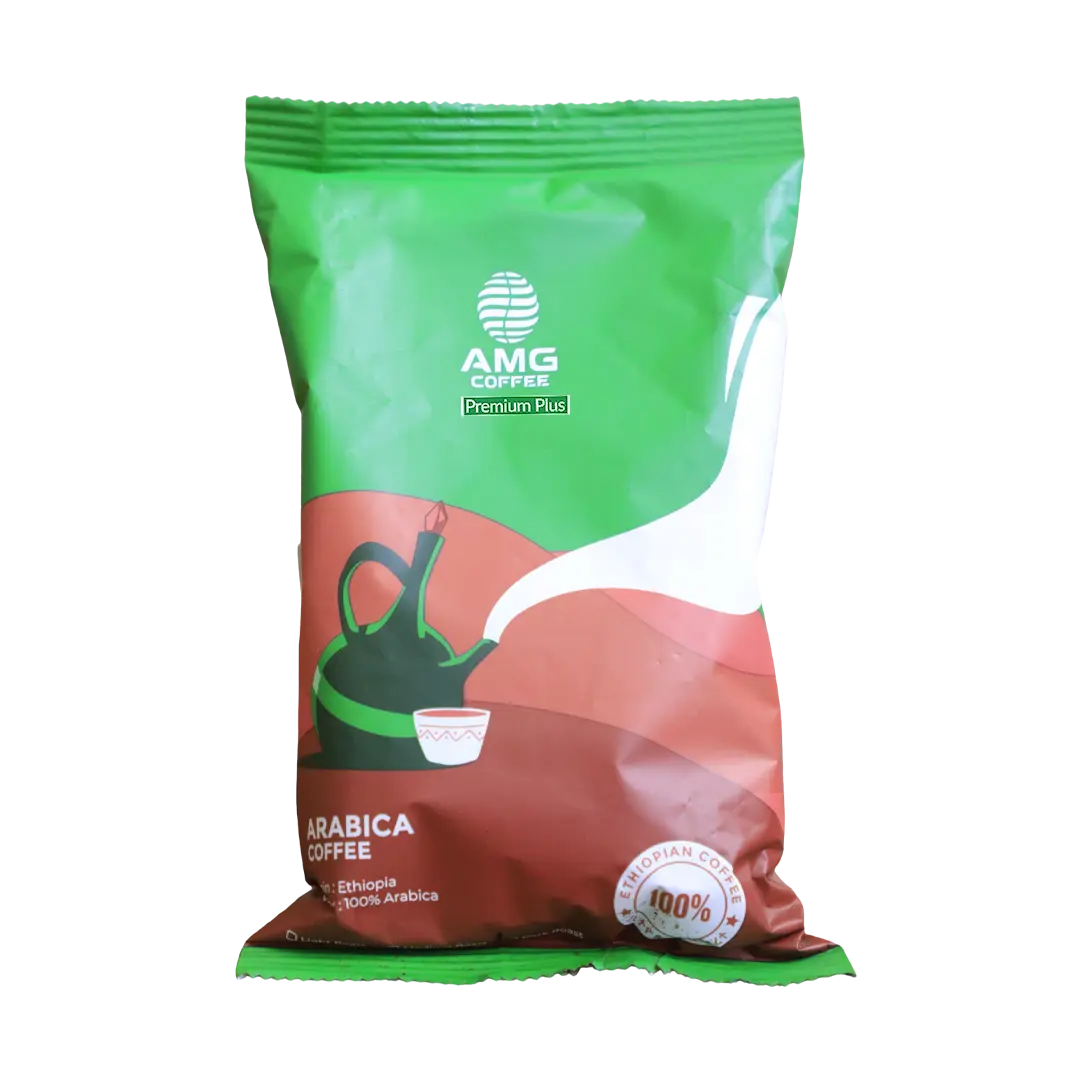
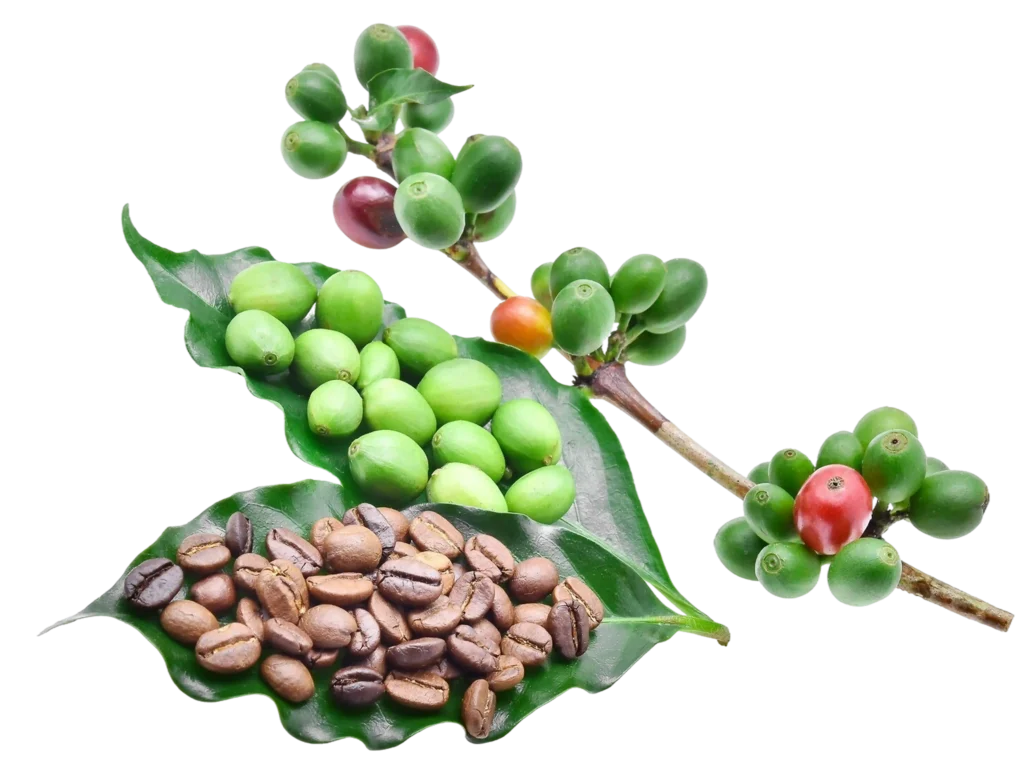

Ethiopian coffee is valued worldwide for its distinctive origin, exceptional flavor profiles, and speciality-grade quality, making consistent coffee quality assurance essential for successful exports. Every shipment must meet strict quality, packaging, and documentation requirements before reaching international buyers and customs authorities. Read on to explore the essential coffee quality assurance practices, export standards, and compliance steps that help protect product quality and ensure smooth global trade.
Why Quality Assurance Is Essential for Ethiopian Coffee Exports
Coffee quality assurance protects the reputation of Ethiopian coffee by ensuring every exported lot meets internationally accepted physical, sensory, and regulatory standards. Consistent quality helps preserve the unique characteristics buyers expect while reducing the likelihood of defects, spoilage, or quality deterioration during storage and overseas transportation.
Strong quality assurance also supports customs compliance, buyer confidence, and long term business relationships. Exporters who consistently meet specialty coffee standards are less likely to experience shipment delays, customs inspections, rejected consignments, or financial losses, while maintaining access to premium international markets that demand reliable product quality.
Quality Standards to Ensure Before Exporting Ethiopian Coffee
Every coffee shipment should undergo detailed quality evaluation before export. Physical quality, sensory performance, packaging integrity, and storage conditions all contribute to maintaining bean quality throughout transportation and successful market acceptance.
Physical Bean Quality Standards
- Moisture Content: Maintain moisture strictly between 10.0 percent and 12.5 percent to prevent mold development, fungal growth, excessive drying, and quality loss during storage and ocean transport.
- Screen Size: Specialty Grade 1 coffee should achieve screen size 15 or above, with at least 95 percent uniformity to ensure consistent roasting performance and bean appearance.
- Defect Count: Specialty Grade 1 allows 0 to 3 primary defects per 300 grams, while Specialty Grade 2 permits 4 to 12 primary defects, following recognized specialty grading standards.
- Bean Appearance: Green coffee beans should display uniform color, even size, clean surfaces, fresh crop aroma, and remain free from insect damage, black beans, sour beans, or visible contamination.
Sensory Quality Assessment
- Cupping Score: Specialty export coffee should generally achieve a minimum cupping score of 84 points using the Specialty Coffee Association evaluation protocol for premium market acceptance.
- Aroma: Beans should produce clean, fresh, and characteristic aromas without fermented, moldy, smoky, earthy, or other undesirable odor defects that reduce overall cup quality.
- Flavor Profile: Coffee should demonstrate balanced sweetness, pleasant acidity, clean finish, and origin specific tasting notes that match buyer expectations and contracted quality specifications.
- Uniformity: Multiple cups from the same sample should deliver consistent aroma, flavor, acidity, body, and aftertaste without noticeable variations between individual cups.
Packaging and Storage Requirements
- GrainPro or Ecotact Liners: Use hermetic GrainPro or Ecotact liners inside export grade jute bags to protect beans from moisture, oxygen exposure, insects, and external contamination.
- Jute Bags: Export coffee is commonly packed in 60 kilogram or 69 kilogram jute bags with clear labeling showing origin, grade, lot number, crop year, and certification details where applicable.
- Moisture Protection: Maintain dry warehouse conditions and use suitable desiccants during shipping to reduce condensation that may damage coffee quality during long ocean transit.
- Container Preparation: Load clean, odor free, and dry shipping containers. Refrigerated containers or properly prepared dry containers help preserve bean freshness during international transportation.
Certifications and Documents Required for Coffee Export
Coffee exports require both regulatory approvals and commercial documentation before customs clearance. Accurate certificates help verify product quality, origin, safety, and compliance with buyer requirements and importing country regulations.
Mandatory Export Documents
- Coffee Quality Certificate: Issued through the Ethiopian Coffee Exchange or designated government laboratories, confirming that exported coffee satisfies approved physical and sensory quality standards.
- Phytosanitary Certificate: Issued by the Ministry of Agriculture to certify that the coffee shipment is free from regulated pests and plant diseases before export.
- Certificate of Origin: Confirms Ethiopian origin and supports customs clearance, preferential trade agreements, and tariff benefits in eligible importing countries.
- ICO Certificate: Required by the International Coffee Organization to support international coffee trade reporting, shipment tracking, and export monitoring requirements.
- Commercial Invoice: Lists buyer information, product description, quantity, value, payment terms, and other commercial details required for customs processing.
- Packing List: Provides complete packaging information including bag count, weight, lot identification, dimensions, and shipment contents for customs verification.
- Bill of Lading: Serves as the official shipping document confirming cargo receipt, transportation details, ownership, and delivery instructions for international freight movement.
Optional Certifications That Add Market Value
- Organic Certification: Demonstrates compliance with approved organic production standards, increasing market appeal among environmentally conscious buyers.
- Fairtrade Certification: Confirms ethical sourcing practices and fair compensation for producers, supporting responsible international coffee trade.
- Rainforest Alliance Certification: Shows compliance with environmental sustainability, biodiversity protection, and responsible agricultural management standards.
- Buyer Specific Certifications: Some international buyers require additional certifications related to food safety, sustainability, traceability, or private quality assurance programs before approving purchases.
How to Achieve Quality Compliance Before Shipment
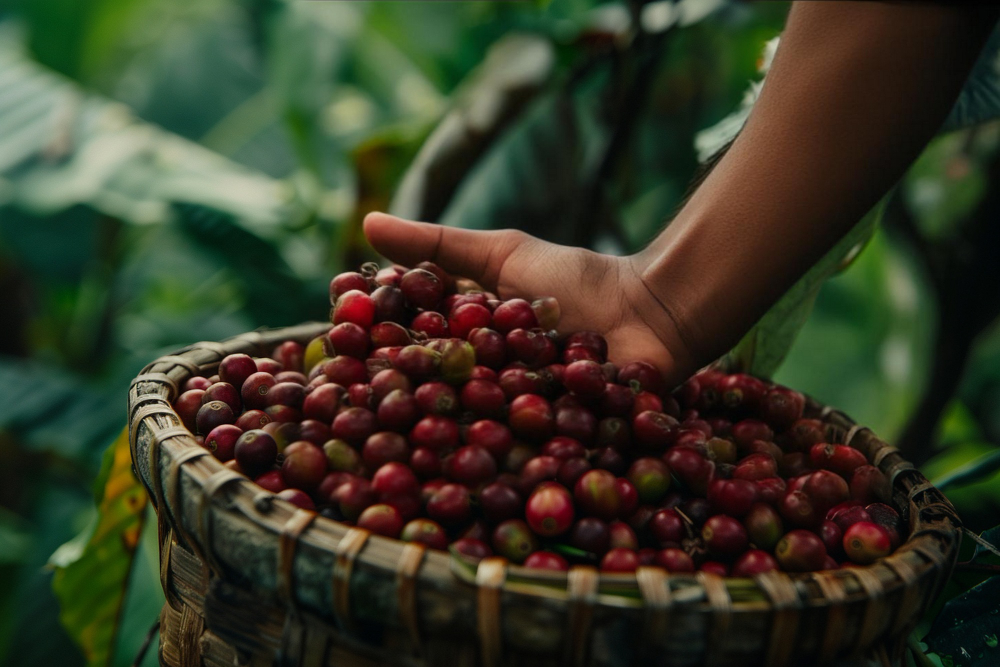
Quality compliance begins well before shipment. Following these essential steps helps exporters meet quality standards, complete documentation accurately, and prepare coffee for successful international trade.
Conduct Laboratory Testing
Every export lot should undergo professional coffee quality testing before shipment. Laboratories verify that moisture content remains between 10.0 and 12.5 percent, measure water activity, assess bean density, and inspect primary defects. Specialty coffee samples should also achieve the buyer’s required SCA cupping score, typically 84 points or higher, before export approval.
Complete Professional Coffee Grading
Coffee should be graded according to Ethiopian and international specialty standards. Certified graders inspect screen size, ensuring Grade 1 coffee achieves screen 15 or above with at least 95 percent uniformity. They also verify that primary defects remain within the permitted limits and evaluate green bean appearance before assigning the final export grade.
Prepare Export Documentation
Prepare all mandatory export documents before the shipment reaches customs. These normally include the Coffee Quality Certificate, Phytosanitary Certificate, Certificate of Origin, ICO Certificate, commercial invoice, packing list, bank permit where required, and Bill of Lading. Every document should match the shipment details, lot numbers, and export labels.
Perform Final Pre Shipment Inspection
Carry out a final inspection after packaging and before container sealing. Confirm that GrainPro or Ecotact liners are properly placed inside clean export grade jute bags, labels display the correct origin and lot information, desiccants are installed where required, and the shipping container is clean, dry, odor free, and ready for international transport.
What Happens If Export Quality Standards Are Not Met?
Failure to meet export quality standards can lead to shipment delays, customs complications, buyer rejection, and financial losses. The following are some of the most common consequences exporters may face when coffee quality assurance requirements are not fully met.
- Shipment Delays: Customs authorities or buyers may hold shipments for additional inspections when quality standards or required documentation do not meet export requirements.
- Customs Clearance Issues: Missing certificates, incorrect paperwork, or non compliant packaging can delay customs processing and increase administrative requirements before cargo release.
- Buyer Rejection: Buyers may reject coffee that fails agreed quality specifications, including moisture content, defect limits, cupping score, or packaging requirements stated in the purchase contract.
- Quality Claims: Importers may submit quality claims if the delivered coffee differs from contractual standards due to physical defects, poor storage, contamination, or transit related deterioration.
- Financial Losses: Exporters may face additional storage costs, replacement shipments, discounted pricing, contract penalties, or loss of future business opportunities.
- Reputation Damage: Repeated quality failures can reduce buyer confidence, making it more difficult to secure long term contracts and enter premium specialty coffee markets.
- Loss of Specialty Coffee Premium: Coffee that no longer meets specialty grade requirements may be sold as commercial grade, resulting in significantly lower market value.
- Contract Disputes: Failure to meet contractual quality specifications may lead to disagreements regarding payment, shipment acceptance, product replacement, or future business commitments.
Practical Quality Assurance Checklist for Coffee Exporters
✓ Verify moisture content remains between 10.0 percent and 12.5 percent
✓ Confirm specialty cupping score meets buyer requirements
✓ Inspect primary and secondary bean defects
✓ Verify screen size consistency for the selected grade
✓ Check green bean appearance for uniformity and freshness
✓ Use GrainPro or Ecotact liners inside export grade jute bags
✓ Ensure export bags are correctly labeled with origin, grade, and lot number
✓ Prepare Coffee Quality Certificate and Phytosanitary Certificate
✓ Verify Certificate of Origin and ICO Certificate where required
✓ Review the commercial invoice, packing list, and Bill of Lading
✓ Inspect shipping containers for cleanliness, dryness, and odor free conditions
✓ Use suitable moisture control measures during transportation
✓ Confirm all buyer specific certification requirements are fulfilled
✓ Perform a final quality inspection before container sealing
Making Quality Assurance a Priority for Every Coffee Export
Consistent coffee quality assurance is one of the most effective ways to protect Ethiopian coffee throughout the export process. By following recognised physical and sensory standards, maintaining proper packaging, preparing complete documentation, and performing detailed inspections before shipment, exporters can reduce trade risks and strengthen buyer confidence. Working with reliable Ethiopian coffee suppliers that prioritise quality assurance at every stage also helps ensure consistent product quality and supports long-term success in international markets.