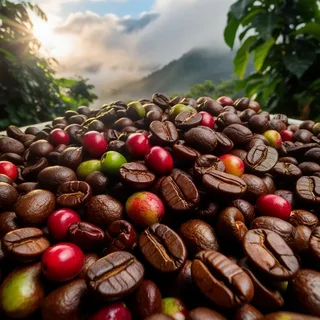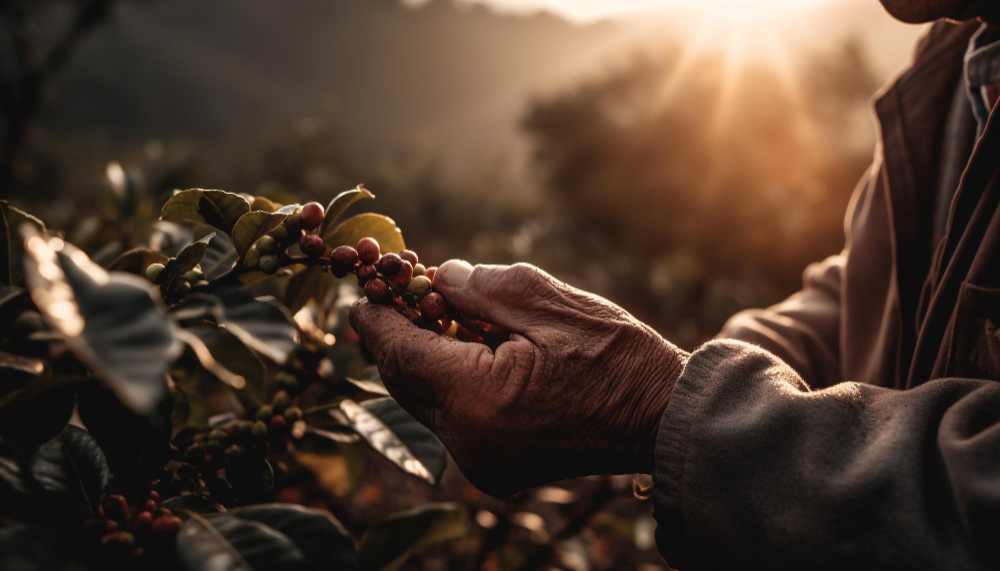

The coffee bean life cycle begins long before it reaches your cup. From planting and growth to harvesting and processing, each stage plays a role in quality and flavor. The life cycle of coffee involves natural changes in the plant as well as careful handling by farmers. Lets learn the full life cycle of a coffee bean, helping you see how it develops step by step from seed to final product.
What Is Coffee Bean Life Cycle
The coffee bean life cycle refers to the complete journey of coffee from seed planting to final processing. It includes growth stages, harvesting, and preparation for consumption. Each stage directly affects flavor, quality, and consistency. The coffee bean life cycle also connects farming practices with the global supply chain, making it an essential concept for both producers and buyers.
Coffee Bean Life Cycle From Seed to Harvest
The coffee bean life cycle begins with planting and continues through growth, flowering, and fruit development until harvesting. Each stage requires specific conditions to ensure healthy plants and high quality coffee beans.
Seed Planting and Germination
Coffee seeds are planted in shaded nurseries where they begin germination under controlled conditions. Roots develop first, followed by shoots that grow into seedlings. Proper moisture, soil quality, and care ensure healthy early development in this stage.
Growth of Coffee Plant
The young coffee plant develops leaves and branches over time, gradually increasing in size and strength. This stage can take several years before the plant matures enough to produce fruit, depending on climate and care.
Flowering Stage
Coffee plants produce small white flowers that bloom for a short period under the right conditions. These flowers are important because they lead to fruit formation, and their timing depends on rainfall, temperature, and plant health.
Coffee Cherry Development
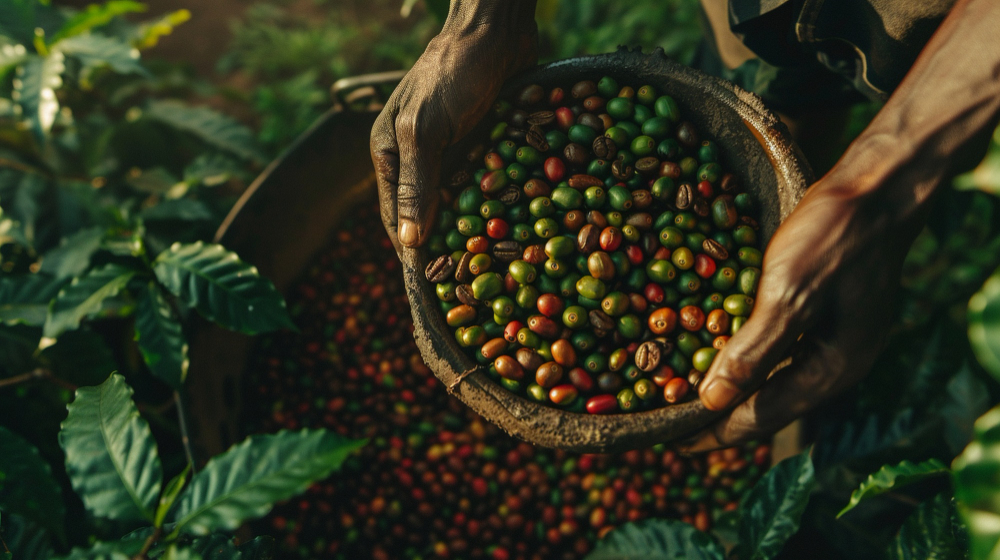
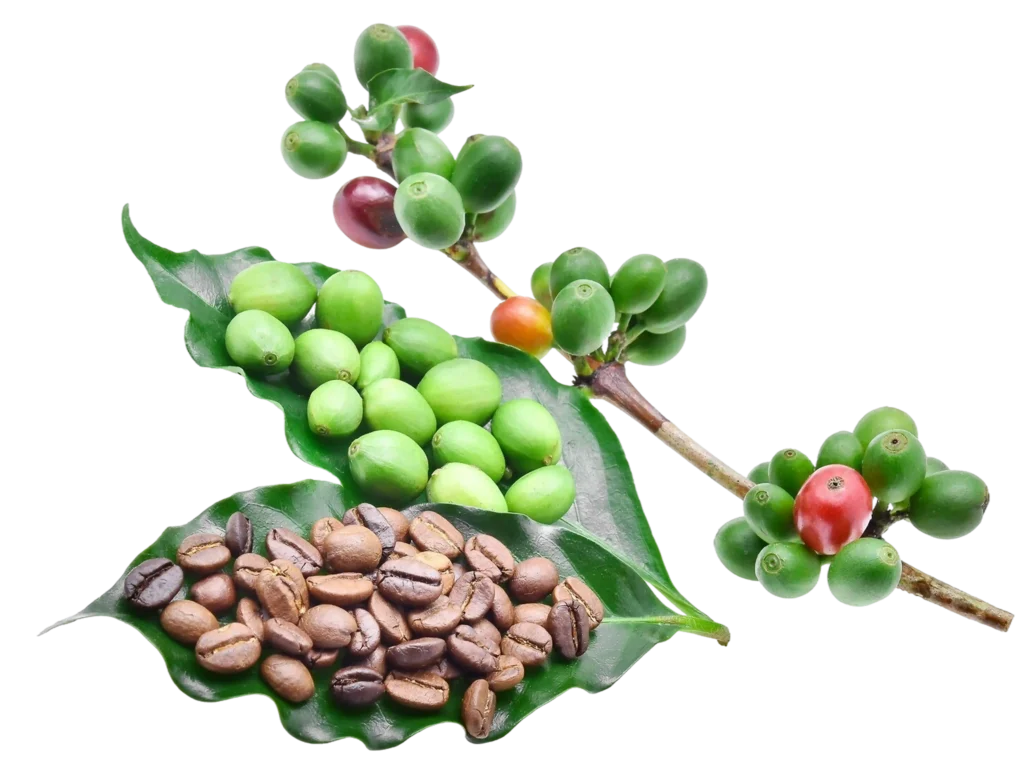
After flowering, green cherries begin to form and grow on the plant. Over time, they change color from green to red, indicating ripeness. This stage determines the quality and sweetness of the coffee beans inside.
Harvesting Stage
Coffee cherries are harvested either by hand picking or mechanical methods depending on the farm. Selective picking ensures only ripe cherries are collected, which improves quality and consistency in the final coffee product.
What Happens After Harvest in the Life Cycle of a Coffee Bean
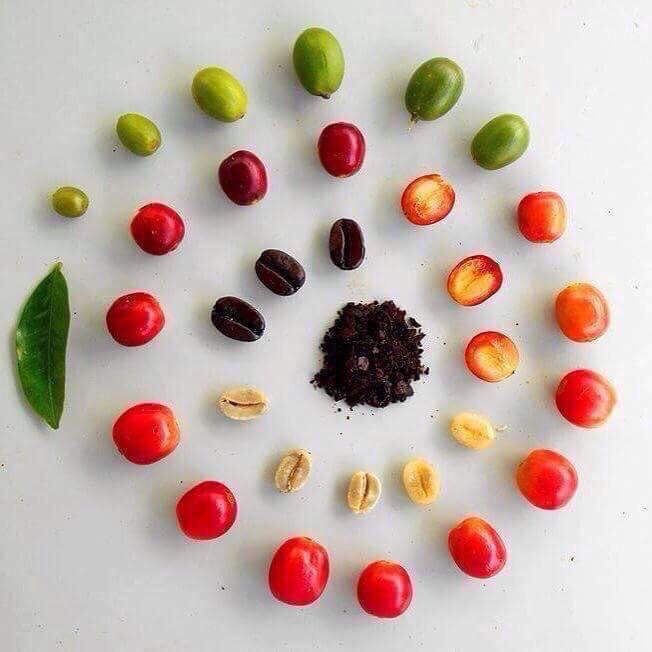
After harvesting, coffee cherries go through several steps that prepare them for consumption. These stages are important for preserving quality and developing the final flavor profile of the coffee beans.
Processing Methods
Coffee cherries are processed using washed, natural, or honey methods, each shaping the outcome in the coffee bean life cycle. These methods influence moisture levels, fermentation, and flavor development, affecting sweetness, acidity, and overall cup quality.
Drying and Sorting
Beans are dried to reduce moisture content and prevent spoilage. After drying, they are sorted based on size, weight, and quality to ensure consistency and remove defective beans before further processing.
Milling and Export
During milling, the remaining outer layers are removed to produce green coffee beans. These beans are then graded, packed, and prepared for export to roasting facilities around the world.
Life Cycle of Coffee and Its Impact on Quality
Each stage in the life cycle of coffee influences flavor, aroma, and consistency. From planting to processing, every step affects how the coffee develops, shaping the final taste and overall quality.
- Planting and Growth Stage: Healthy soil, balanced nutrients, and proper care support strong plant development, leading to better bean formation and improved quality throughout the coffee bean life cycle
- Flowering and Cherry Development: Timely flowering and even cherry ripening create balanced sweetness and flavor, while uneven growth can result in inconsistent taste and reduced overall coffee quality
- Harvesting and Processing Stage: Careful harvesting and correct processing methods preserve bean integrity, while poor handling can reduce flavor clarity and negatively impact the final cup experience
- Altitude and Climate Conditions: Higher altitude and stable climate slow plant growth, allowing beans to develop better density, enhanced acidity, and more complex flavor profiles
- Bean Type and Variety: Different coffee varieties produce unique flavor characteristics, with genetics and growing conditions influencing taste, aroma, and overall coffee profile
How Long Does the Coffee Bean Life Cycle Take
The coffee bean life cycle usually takes around three to four years for a plant to mature and start producing cherries. Once mature, coffee plants follow seasonal cycles where flowering, fruit development, and harvesting occur at specific times of the year. These cycles depend on climate and region, which influence how often coffee can be harvested and how consistent the yield remains.
What Affects the Life Cycle of Coffee Plants
Several environmental and farming factors influence how coffee plants grow, flower, and produce cherries. These conditions directly affect yield, quality, and the overall coffee bean life cycle.
- Soil pH Levels: Ideal pH between 5.5 and 6.5 supports nutrient absorption and healthy root development
- Temperature Range: Optimal temperature between 18 to 24 degrees Celsius ensures steady plant growth and flowering
- Altitude Range: Grown at 1000 to 2000 meters, higher altitudes improve bean density and flavor complexity
- Rainfall Levels: Annual rainfall of 1200 to 2200 mm supports proper flowering and cherry development
- Sunlight Exposure: Partial shade with filtered sunlight protects plants and improves slow, balanced growth
- Soil Composition: Well drained loamy soil with organic matter supports root health and nutrient retention
- Pruning Practices: Regular pruning improves airflow, plant shape, and better cherry production
- Pest and Disease Control: Timely management prevents damage from pests like coffee borer and leaf rust
How to Improve the Coffee Bean Life Cycle for Better Quality
- Maintain optimal soil pH and add organic nutrients for balanced growth
- Use selective hand picking to ensure only fully ripe cherries harvested
- Choose appropriate processing methods based on bean type and climate conditions
- Control drying conditions to maintain moisture levels and prevent bean defects
- Implement effective pest and disease control to protect plant health
- Monitor altitude, shade, and temperature conditions for consistent bean development
- Ensure proper storage and handling to preserve quality before roasting and export
The Growth Cycle That Defines the Final Cup
The coffee bean life cycle shapes every aspect of quality, from plant growth to final processing. Each stage adds value, influencing flavor, consistency, and overall reliability. When these stages are managed with care, the result is coffee that reflects both origin and precision.
For buyers, sourcing is not just about availability but about how well the coffee has been grown and processed. Choosing the right origin and partner ensures better quality and long term consistency. AMG Coffee Exporter stands as a reliable coffee exporter in Ethiopia, offering well sourced coffee backed by strong origin practices and consistent quality control.