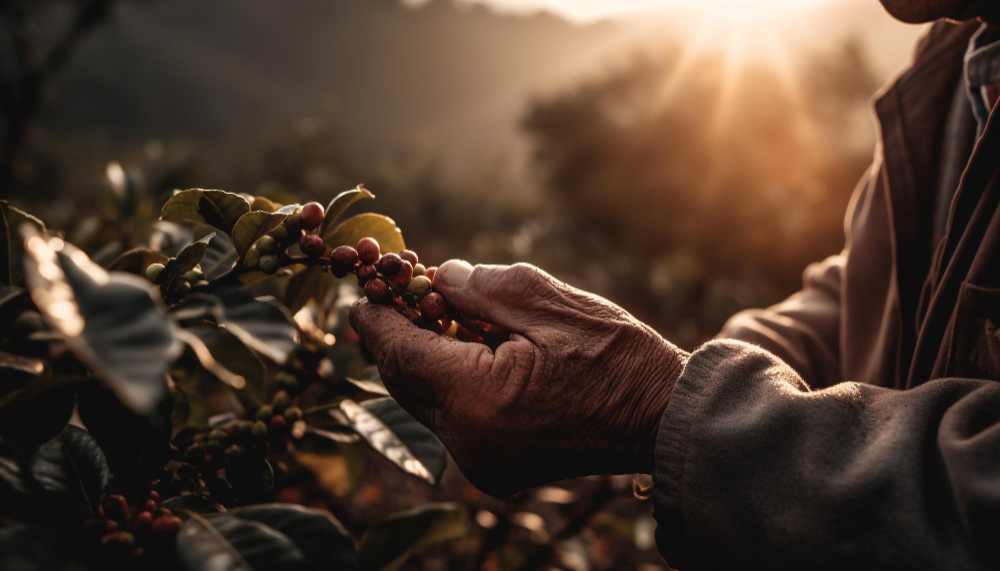
High-quality coffee beans matter in speciality markets, where buyers value consistent flavour, aroma, acidity, and body. Coffee farming practices, from variety selection and soil management to harvesting ripe cherries, play an important role in determining final bean quality.
Ethiopia is known for distinctive Arabica coffee, with flavour shaped by its altitude, climate, soil, and traditional farming methods. Careful processing, drying, and storage help preserve these qualities. A reliable organic Ethiopian coffee beans exporter can also support buyers seeking traceable and certified coffee.
What Growing Conditions Help Produce High-Quality Coffee?
Climate and Altitude
Coffee plants grow best in warm, stable climates with suitable rainfall and temperatures. Arabica generally prefers cooler conditions and higher elevations, while Robusta can tolerate warmer temperatures and lower elevations. Higher-altitude areas can slow cherry maturation, allowing more time for flavours and aromas to develop.
Soil, Shade and Terrain
Healthy coffee plants need fertile, well-drained soil with suitable acidity. Shade trees can help regulate temperature, protect plants from harsh sunlight, and support biodiversity. Slopes and local microclimates also influence sunlight, drainage, and temperature. Together, these conditions can support healthy plants and more consistent bean development.
What Are the Major Steps in Coffee Farming?
Selecting the Site and Planting Material
Farmers begin by choosing land with suitable soil, drainage, shade, and access to water. Healthy seeds or seedlings adapted to local conditions are selected for planting. Disease-resistant and quality-focused varieties can help maintain plant health and support consistent yields.
Planting and Early Plant Care
Coffee seedlings are planted at suitable spacing to give their roots and branches enough room to grow. Mulching helps retain moisture and control weeds, while shade protects young plants from excessive heat. Compost and other suitable organic inputs can provide nutrients for healthy growth.
Managing Mature Coffee Plants
Regular pruning helps maintain productive plants, improve airflow, and allow better light penetration. Farmers also monitor and manage weeds, pests, and diseases through timely interventions. Integrated or organic methods can reduce reliance on chemical inputs where appropriate. These practices are an important part of coffee farming, helping maintain plant health and consistent bean quality.
Harvesting Coffee Cherries for Better Quality
Selective Picking
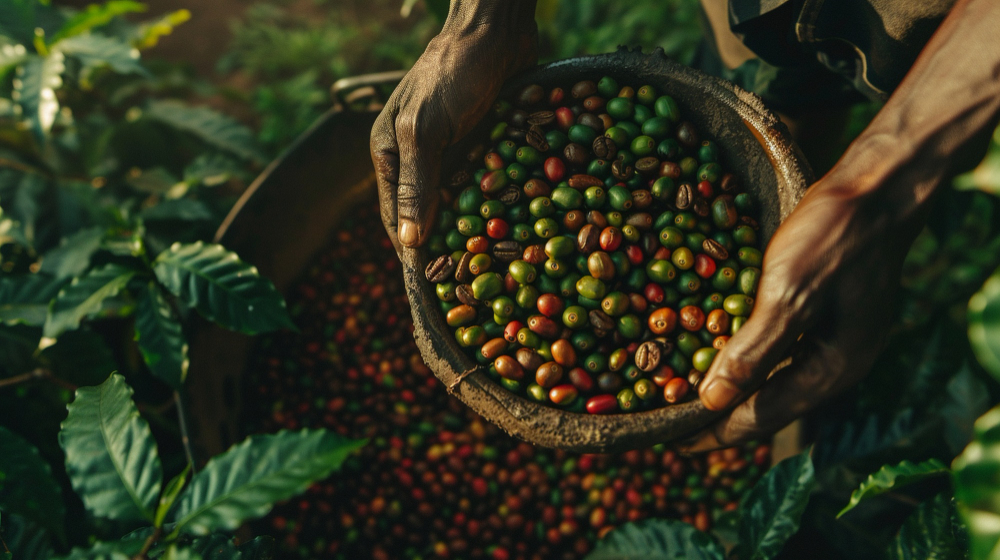
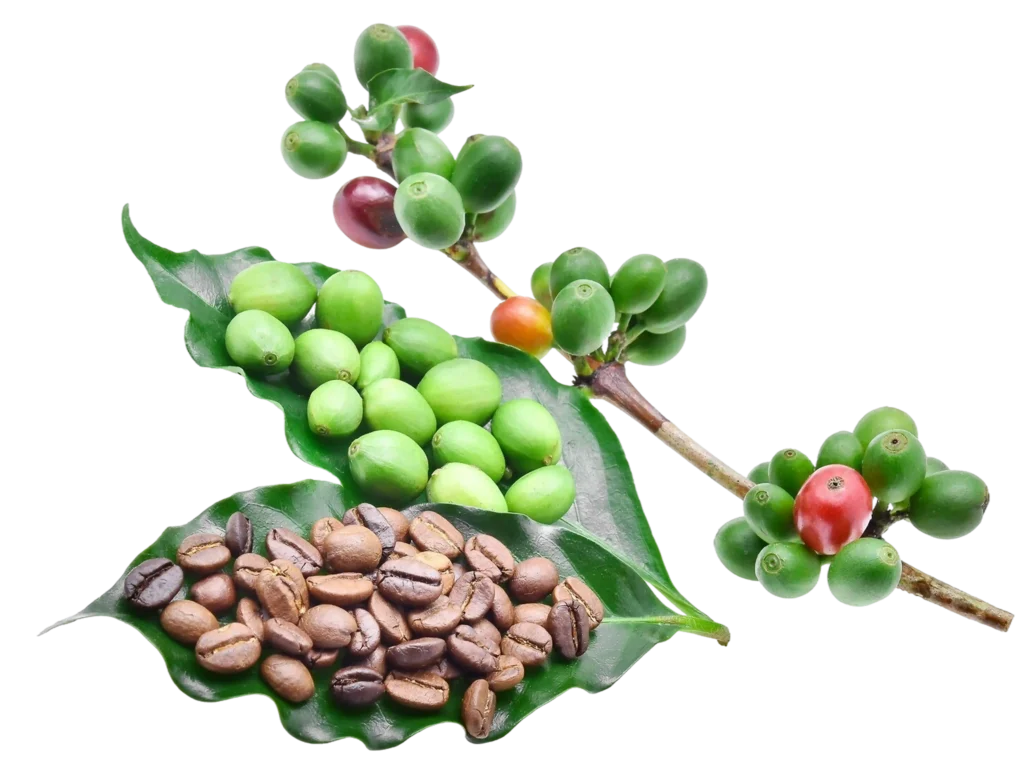
Ripe coffee cherries are preferred for speciality coffee because they generally develop better flavour and sweetness. Farmers often hand-pick ripe cherries while leaving unripe ones on the plant to mature. Overripe, damaged, and defective cherries are also removed to maintain consistency. In contrast, strip harvesting removes most cherries from a branch at the same time, regardless of their ripeness.
Harvest Timing
The ideal harvest period depends on factors such as climate, elevation, coffee variety, and growing region. Farmers may make several passes through the same fields during the harvest season, picking cherries as they reach the desired level of ripeness. Proper timing helps ensure that the harvested cherries have more consistent quality.
How Is Coffee Processed After Harvest?
Sorting, Pulping and Fermentation
After harvesting, cherries are sorted to remove damaged and unripe fruit. In washed processing, the cherries are pulped, fermented, and washed to remove the fruit layer. Properly controlled fermentation can help develop desirable flavours.
Natural, Washed and Honey Processing
Natural processing dries whole cherries, while washed processing removes the fruit before drying. Honey processing leaves some mucilage on the beans during drying. Each method can create different levels of body, acidity, and fruitiness.
Drying and Storage
Coffee beans are carefully dried to reach a safe moisture level and prevent mold. Proper storage in clean, dry conditions protects the beans from moisture, contamination, and quality loss.
How Ethiopian Coffee Reaches International Buyers
Ethiopia’s coffee industry relies heavily on smallholder farmers who grow coffee through forest, semi-forest, and garden systems. Many use traditional, low-input farming practices suited to local conditions. However, these practices should not automatically be considered certified organic unless the coffee meets recognized organic standards.
After harvesting, coffee may pass through cooperatives, washing stations, or other processing channels for cleaning, grading, and preparation. An organic Ethiopian coffee beans exporter can connect producers with international buyers while providing sourcing, traceability, and certification information.
Quality Control Before Export
Sorting and Grading
Before export, coffee beans are carefully sorted to remove defects and assess characteristics such as size, density, and appearance. Physical checks and cup evaluation help determine whether the coffee meets the quality requirements of buyers.
Traceability and Certification
Traceability allows buyers to understand where their coffee comes from and how it was processed. Organic and other certifications can provide additional assurance, but they should always be verified rather than assumed from farming practices. Working with a reliable organic Ethiopian coffee beans exporter can help buyers access properly documented and traceable coffee.
Challenges in Producing High-Quality Coffee
Producing consistently high-quality coffee can be challenging because farmers face environmental, financial, and production-related difficulties. These challenges can affect plant health, harvesting, processing, and the overall consistency of coffee beans.
- Climate change, unpredictable rainfall, and rising temperatures can affect flowering, cherry development, and harvest timing.
- Pests and diseases can damage coffee plants and reduce both yield and bean quality.
- Limited access to finance, training, equipment, and processing facilities can make quality management more difficult.
- Price fluctuations and limited market access can reduce farmers’ ability to invest in better farming and processing practices.
How Can Buyers Support Quality-Focused Coffee Farming?
Buyers can support better coffee quality by building long-term relationships with farmers, cooperatives, and reputable exporters. Paying fair, quality-based premiums can encourage producers to invest in improved farming and processing practices. Buyers can also support farmer training, better equipment, and sustainable production methods.
Prioritising traceable supply chains and verified certifications helps build trust and transparency. Rather than focusing only on the lowest price, buyers who value consistent quality and responsible sourcing can contribute to stronger relationships and more sustainable coffee production.
Conclusion
High-quality coffee begins with suitable growing conditions, healthy plants, and careful farm management. Selective harvesting, proper processing, drying, and storage are equally important for preserving bean quality. Ethiopia’s distinctive coffee-growing traditions and diverse production systems contribute to its strong reputation in the global market.
Strong connections between farmers and reliable international buyers can help maintain these quality-focused practices. Ultimately, consistent coffee quality depends on careful attention at every stage, from cultivation to export.