Ethiopian coffee attracts international roasters looking for distinctive flavour profiles, diverse regional origins, and speciality-grade Arabica beans. Choosing the right bulk Ethiopian coffee supplier is essential for maintaining quality, verifying bean traceability, managing purchasing costs, and securing a consistent supply for roasting operations.
Before placing a bulk order, buyers should evaluate coffee origins, processing methods, quality specifications, supplier credentials, minimum order quantities, and export capabilities. These factors help roasters identify suitable coffee lots and build reliable sourcing relationships that support their long-term business needs.
Why International Roasters Source Ethiopian Coffee
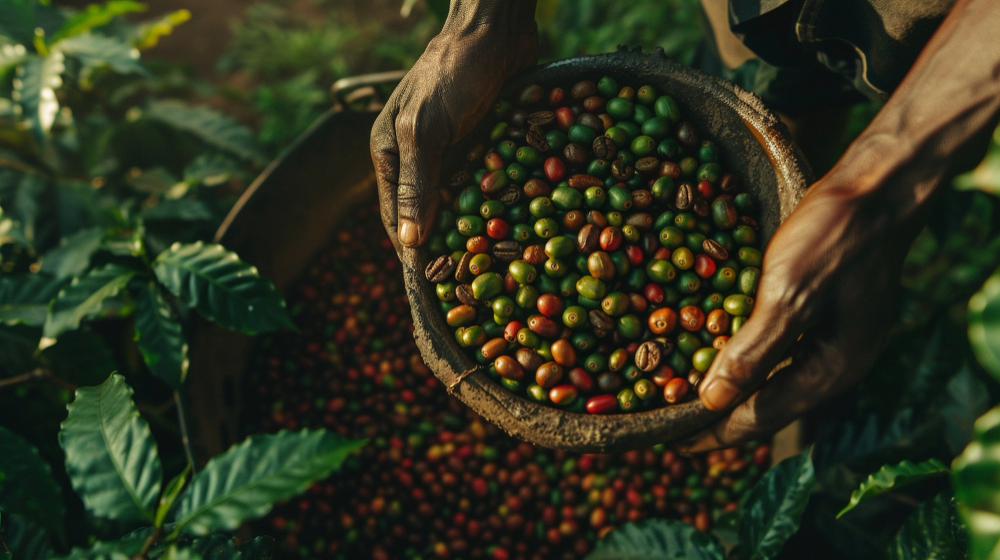
Ethiopia is widely recognised for its coffee-growing heritage and diverse Arabica coffee varieties. Its different growing regions produce beans with distinct sensory characteristics, making Ethiopian coffee an attractive choice for international roasters looking to expand their product range. Growing conditions, bean varieties, and processing methods influence the aroma, acidity, body, and flavour of each coffee lot.
Some key reasons roasters source Ethiopian coffee include:
- Distinctive flavour profiles: Ethiopian Arabica beans can offer floral aromas, citrus notes, fruity flavours, and varying levels of acidity.
- Regional diversity: Coffee from origins such as Yirgacheffe, Sidama, and Guji offers different sensory characteristics for diverse roasting requirements.
- Processing options: Washed processing often produces a cleaner cup profile, while natural processing can highlight fruit-forward flavours and perceived sweetness.
- Single-origin offerings: Roasters can showcase coffee from a specific region or lot, highlighting its origin and unique characteristics.
- Speciality blend development: Ethiopian beans can contribute aroma, complexity, and flavour contrast to carefully developed coffee blends.
For international roasters, these characteristics provide flexibility when developing products for different customer preferences. By evaluating origin, processing method, and cup quality, buyers can select Ethiopian coffee that aligns with their roasting profiles and product goals.
Popular Ethiopian Coffee Origins for Bulk Buyers
Ethiopia’s diverse coffee-growing regions offer international roasters a range of flavour profiles and sourcing options. Understanding the characteristics associated with each origin helps buyers select beans that suit their roasting methods, product lines, and customer preferences.
- Yirgacheffe: Ethiopian coffee from Yirgacheffe is often associated with floral aromas, citrus notes, and bright acidity. Washed lots can offer a delicate, clean cup profile, making them popular for specialty single-origin offerings.
- Sidama: Coffee from Sidama offers diverse flavour profiles, including fruity and floral notes. Both washed and naturally processed lots are available, giving roasters options for different flavour preferences.
- Guji: Guji coffee is often recognised for its fruit-forward characteristics, floral aromas, and complex flavour profiles. Its varied growing conditions and processing methods create opportunities for distinctive specialty coffee offerings.
- Limu: Limu coffee is commonly associated with balanced flavour profiles, gentle acidity, and floral or citrus notes. It can suit roasters seeking versatile beans for single-origin products or selected blends.
When sourcing these origins in bulk, buyers should remember that flavour is not determined by region alone. Altitude, coffee variety, harvest conditions, processing method, and lot-specific quality all influence the final cup profile. Requesting samples and reviewing current lot specifications helps international roasters make informed purchasing decisions.
Types of Ethiopian Coffee Available for Bulk Purchase
Green Ethiopian Coffee Beans
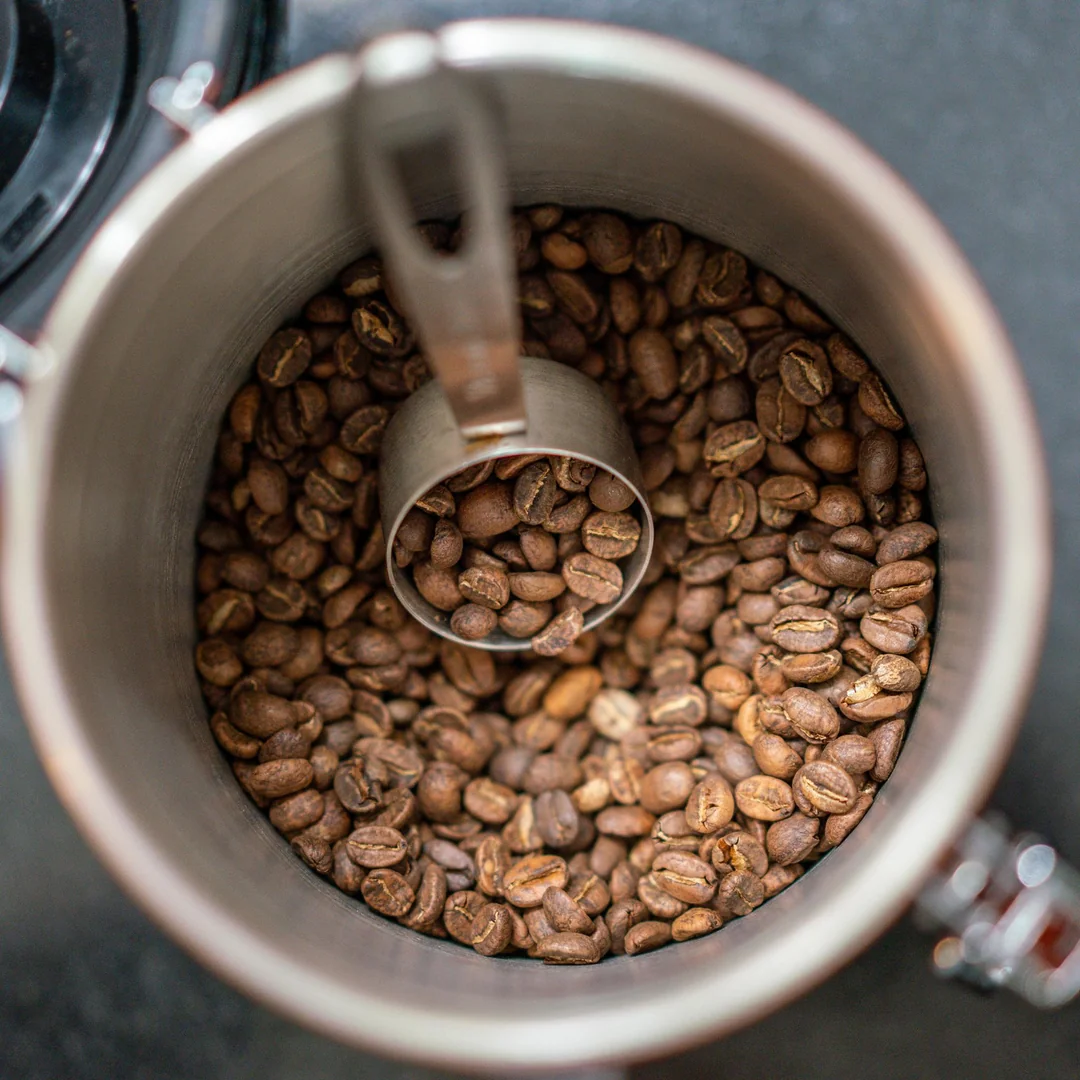
Green coffee beans are unroasted beans supplied to roasters who manage their own roasting, blending, and packaging. Buyers should assess origin, moisture content, bean defects, and storage conditions before placing bulk orders.
Washed Ethiopian Coffee
Washed coffee undergoes depulping, fermentation, and washing before drying. This processing method often produces a cleaner cup profile with pronounced acidity, allowing roasters to highlight the coffee’s floral and citrus characteristics.
Natural-Process Ethiopian Coffee
Natural-process coffee is dried with the fruit surrounding the beans, often resulting in fruit-forward flavours, noticeable sweetness, and a fuller flavour profile. International roasters can explore these lots for distinctive single-origin offerings and specialty blends.
Specialty-Grade Ethiopian Coffee
Specialty-grade coffee is selected based on quality assessments, including sensory evaluation and physical bean characteristics. Buyers can evaluate cupping quality, aroma, flavour, acidity, and defects to determine whether a lot meets their roasting and product requirements.
How to Choose the Right Bulk Ethiopian Coffee Supplier
Choosing a reliable bulk Ethiopian coffee supplier involves checking export credentials, coffee quality, sourcing practices, and experience with international buyers. Consider these factors before placing a bulk order:
- Review the supplier’s export credentials and experience with international shipments.
- Check available coffee origins, grades, processing methods, and lot sizes.
- Request samples and evaluate cup quality before bulk ordering.
- Ask about traceability, harvest details, and quality-control procedures.
- Confirm pricing, minimum order quantity (MOQ), and supply capacity.
- Review payment terms, packaging options, and shipping schedules.
- Check available export documentation and customs support.
- Confirm the supplier can support repeat orders with consistent quality and comparable specifications.
Quality Standards and Checks Before Bulk Ordering
Before bulk ordering, evaluate Ethiopian coffee through cupping to assess aroma, acidity, sweetness, body, and aftertaste. Check moisture content, bean size, and defect count to confirm the beans meet your quality specifications.
Verify the lot’s origin, processing method, and harvest information. Request relevant grading records and quality inspection reports to confirm the supplier’s details before approving the order.
Bulk Ordering, Pricing, and International Shipping
Bulk Ethiopian coffee purchasing involves comparing product costs, order quantities, and shipping requirements before confirming an order.
- Bulk pricing: Coffee origin, grade, processing method, and order volume influence pricing.
- Minimum order quantity (MOQ): Confirm the supplier’s MOQ and ask if sample orders are available for quality testing.
- Packaging and storage: Check green coffee packaging options, including jute bags and GrainPro liners, to protect beans during storage and transit.
- Freight and shipping schedules: Discuss freight forwarding, estimated delivery times, and shipment tracking with the supplier.
- Import documentation: Confirm customs clearance requirements, export documents, and agreed Incoterms to clarify shipping responsibilities and costs.
Questions to Ask Before Placing a Bulk Coffee Order
Before confirming an order, international roasters should clarify key details with their bulk Ethiopian coffee supplier to avoid quality issues and shipping delays.
- Which Ethiopian origins and processing methods are available?
- Can you provide coffee samples from the actual lot, along with its specifications?
- What are the minimum order quantity (MOQ), bulk pricing, and payment terms?
- How do you maintain quality consistency and traceability across coffee lots?
- Which export documents, freight arrangements, and customs requirements do you support?
- Can you fulfil repeat orders with comparable quality and specifications?
Ready to Source Ethiopian Coffee in Bulk for Your Roastery?
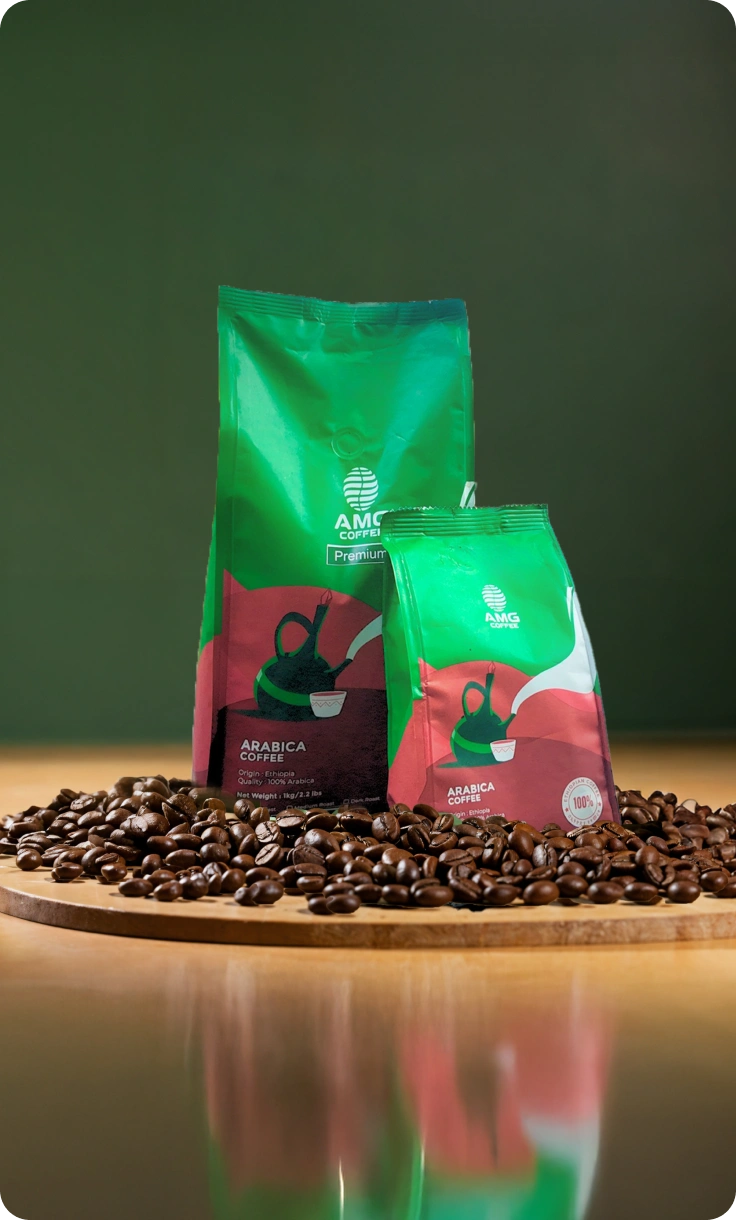
Looking for a reliable bulk Ethiopian coffee supplier? AMG Coffee Exporters can help you explore coffee sourcing options that match your preferred quality specifications and order volumes. Contact AMG Coffee Exporters to discuss your bulk coffee requirements and find suitable sourcing solutions for your roastery.