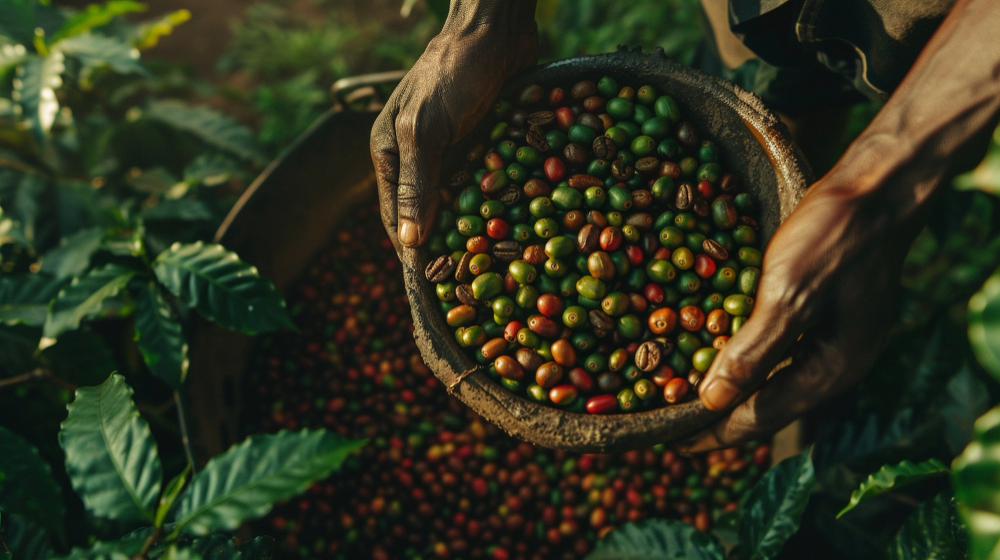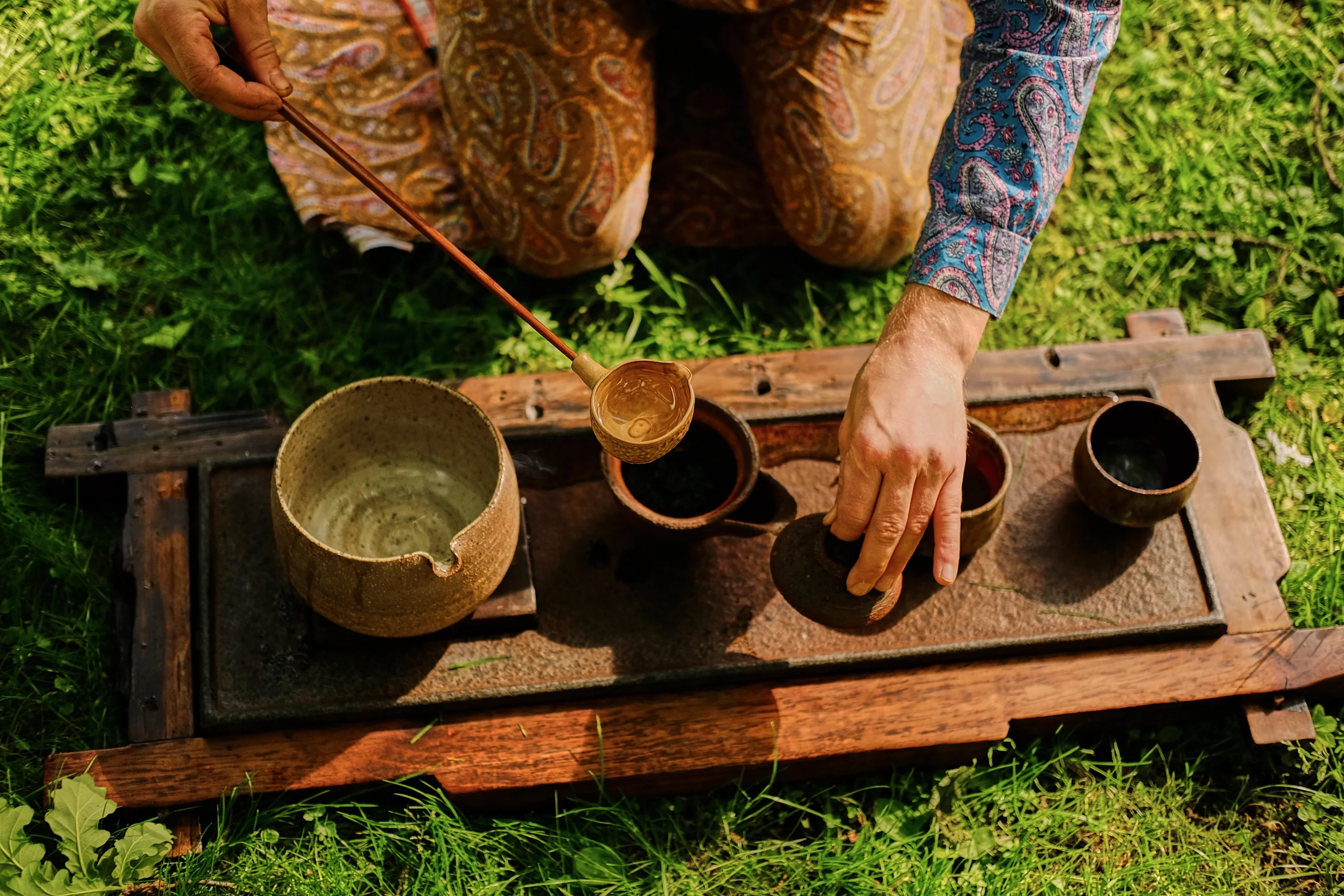
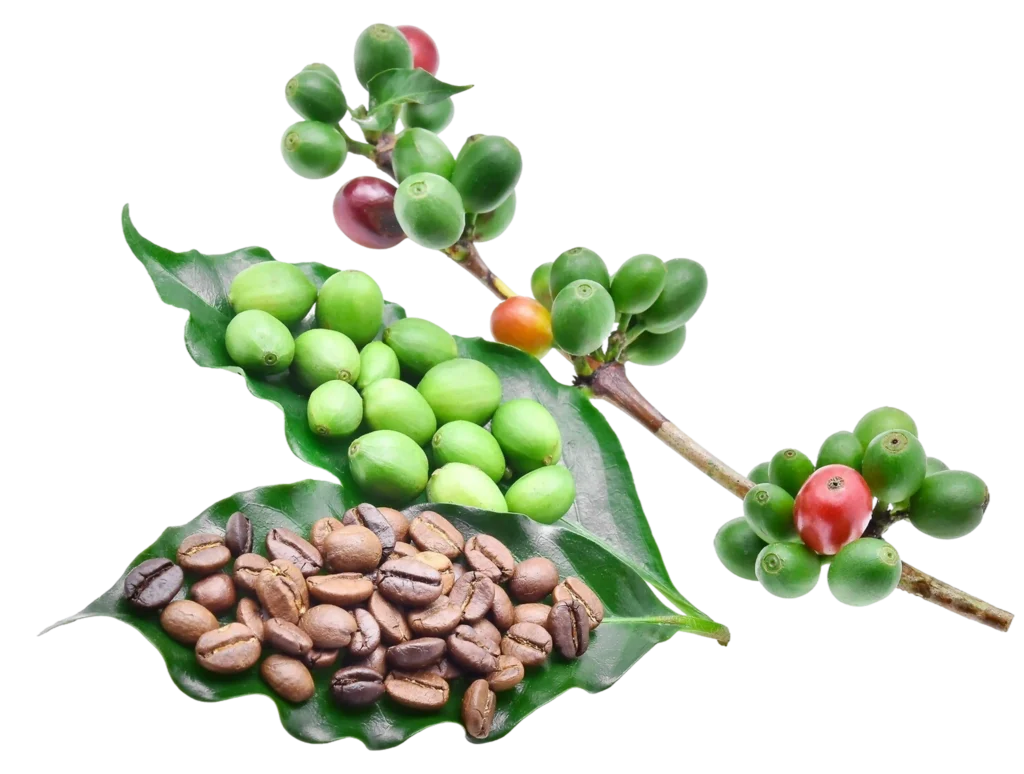

What gives Ethiopian coffee its distinctive flavour, from floral aromas and fruity notes to bright acidity? Soil conditions play an important role. Soil fertility, pH, drainage, and organic matter influence nutrient availability, root health, and coffee cherry development. Understanding these factors helps farmers maintain healthy crops and enables buyers to evaluate organic Ethiopian coffee beans based on their origin, cultivation practices, and overall quality.
How Ethiopian Soil Conditions Shape Coffee Growth and Quality
Ethiopia’s coffee-growing regions have diverse soil conditions influenced by elevation, rainfall, geology, and vegetation. Soil fertility, texture, drainage, and organic matter affect nutrient availability, root development, and moisture retention.
These factors influence coffee plant health, cherry development, and potential flavour characteristics. Understanding local soil conditions helps farmers manage crops effectively and enables buyers to evaluate organic Ethiopian coffee beans based on their origin and growing environment.
Major Soil Factors That Influence Ethiopian Coffee Quality
Soil conditions influence coffee plant health, nutrient absorption, and bean development. Key factors include:
- Soil Fertility and Nutrient Availability: Essential nutrients such as nitrogen, phosphorus, and potassium support plant growth, root development, and coffee cherry formation.
- Soil pH: Slightly acidic soil helps coffee plants absorb essential nutrients, while unsuitable pH levels can affect plant health.
- Soil Texture and Drainage: Soil texture affects water retention and root development, while proper drainage helps prevent waterlogging.
- Organic Matter and Soil Biodiversity: Decomposed leaves, plant residues, and compost improve soil fertility and moisture retention, while beneficial microorganisms support nutrient cycling and sustainable cultivation.
How Soil Conditions Affect Coffee Flavour and Bean Quality
Acidity and Flavour Complexity
Soil fertility and nutrient availability influence coffee plant growth and bean development, contributing to the potential flavour profile of the final cup. Ethiopian Arabica coffees are often known for bright acidity and floral, citrus, or fruity notes. However, these characteristics also depend on altitude, coffee variety, climate, harvesting, and processing methods.
Aroma and Fragrance
Growing conditions can influence the chemical compounds that develop in coffee beans and contribute to their aroma. Ethiopian coffees are often associated with floral, fruity, and citrus fragrances. Roasting releases and transforms aromatic compounds, while soil conditions, climate, and bean variety contribute to the characteristics developed before roasting.
Body and Mouthfeel
Coffee body refers to the perceived weight and texture of coffee in the mouth. Soil conditions can indirectly influence body by affecting plant health and bean composition. However, mouthfeel also varies with coffee variety, growing region, roasting profile, and brewing method, resulting in differences between Ethiopian coffee lots.
Bean Size and Density
Soil fertility, nutrient availability, and moisture conditions can influence coffee cherry development and bean size. Consistent growing conditions support healthy bean formation, although genetics and weather also play important roles. For buyers, bean size, density, uniformity, and defect levels are important indicators when assessing green coffee quality for roasting and export.
Soil Conditions in Ethiopia’s Major Coffee-Growing Regions
Ethiopia’s coffee-growing regions have varied soil conditions, climates, and elevations that influence coffee plant growth and bean development. These differences contribute to the distinct flavour profiles of Ethiopian coffee.
- Yirgacheffe: Highland growing conditions support coffees known for floral, citrus, and tea-like notes.
- Sidama: Varied soil, elevation, and rainfall contribute to fruity flavours, floral aromas, and bright acidity.
- Harrar: Drier growing conditions are associated with fruity, wine-like flavours, especially in naturally processed coffee.
- Jimma and Limu: Soil fertility, rainfall, and vegetation influence coffee growth and flavour profiles.
- Kafa and Forest Coffee Areas: Shade trees and leaf litter enrich the soil, support biodiversity, and help retain moisture.
The Role of Organic Farming in Ethiopian Coffee Quality
What Are Organic Ethiopian Coffee Beans?
Organic Ethiopian coffee beans are grown using farming practices that meet recognised organic standards. These practices restrict prohibited synthetic inputs and encourage sustainable cultivation. They appeal to buyers seeking certified organic coffee.
How Organic Farming Improves Soil Health
Organic farming uses compost and plant residues to improve soil fertility and structure. Shade trees and ground cover help retain moisture and reduce erosion. These practices also support soil biodiversity and nutrient cycling.
Organic Farming and Cup Quality
Healthy soil supports coffee plant growth and bean development. Sustainable cultivation can contribute to consistent coffee quality. However, flavour also depends on variety, altitude, harvesting, and processing.
Organic Certification and Traceability
Organic certification helps buyers verify whether coffee meets applicable organic standards. Traceability records provide information about the coffee’s origin and supply chain. Buyers should check valid certification and relevant export documentation before purchasing.
Other Factors That Influence Ethiopian Coffee Quality
- Altitude and Climate: Altitude and temperature influence coffee cherry maturation and bean development, shaping flavour and quality alongside soil conditions.
- Rainfall and Water Availability: Adequate rainfall supports plant growth, while water stress or excessive moisture can affect crop health and bean development.
- Coffee Varieties: Ethiopia’s diverse Arabica varieties have distinct genetic characteristics that influence flavour and bean quality under different growing conditions.
- Harvesting and Processing Methods: Harvesting ripe cherries, choosing suitable washed or natural processing methods, and ensuring proper drying and storage help preserve coffee quality.
Overall, soil, climate, altitude, variety, harvesting, and processing work together to determine the quality of Ethiopian coffee.
Sustainable Soil Management Practices for Coffee Farmers
Sustainable soil management helps Ethiopian coffee farmers maintain soil fertility, support healthy plant growth, and improve long-term productivity. Key practices include:
- Conduct regular soil testing to identify nutrient deficiencies.
- Apply compost and suitable organic amendments to improve soil fertility.
- Maintain ground cover to reduce erosion and protect soil moisture.
- Use shade trees and agroforestry to support soil health and biodiversity.
- Improve drainage and manage soil moisture effectively.
- Preserve soil biodiversity to maintain long-term fertility.
What Coffee Buyers Should Know About Soil Quality and Sourcing
Understanding growing conditions and quality standards helps buyers select Ethiopian coffee that meets their requirements. Key considerations include:
- Origin and traceability: Verify the coffee’s origin and available farm-level records.
- Flavour evaluation: Request samples and assess flavour through cupping.
- Bean quality: Check bean size, moisture content, and physical defects.
- Processing methods: Review washed or natural processing and quality specifications.
- Organic certification: Verify valid certification when sourcing organic Ethiopian coffee beans.
- Export requirements: Confirm product consistency, availability, and necessary export documentation.
Source Quality Ethiopian Coffee with AMG Coffee Exporters
Soil fertility, pH, drainage, and organic matter all contribute to Ethiopian coffee quality alongside altitude, variety, and processing methods. When sourcing organic Ethiopian coffee beans, buyers should consider origin, bean specifications, quality evaluation, traceability, and valid organic certification where applicable. Contact AMG Coffee Exporters to enquire about available Ethiopian coffee varieties, grades, and sourcing options for your business.