Decaf coffee offers a way to enjoy coffee with significantly reduced caffeine, but the method used to remove caffeine directly affects its taste, safety, and overall quality. Many people choose decaf without knowing how it is processed or which method suits them best. Small differences in processing can change flavor and experience. Read on to know which decaf coffee process fits your taste preferences and health needs.
What Is Decaf Coffee
Decaf coffee refers to coffee where most of the caffeine has been removed from the beans before roasting. It is not completely caffeine free, as small traces still remain depending on the decaffeination methods used during processing, which means it still contains minimal levels of caffeine.
Decaf coffee usually contains about 2 to 5 mg of caffeine per cup, compared to 70 to 140 mg in regular coffee. This makes it a suitable option for people who want to reduce caffeine intake while still enjoying coffee taste, aroma, and overall drinking experience.
How Is Decaf Coffee Made
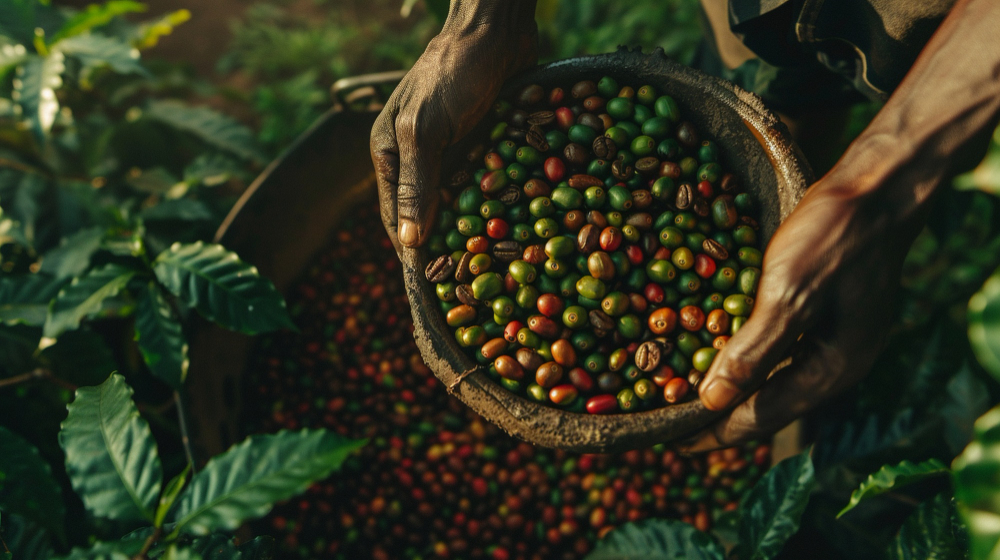
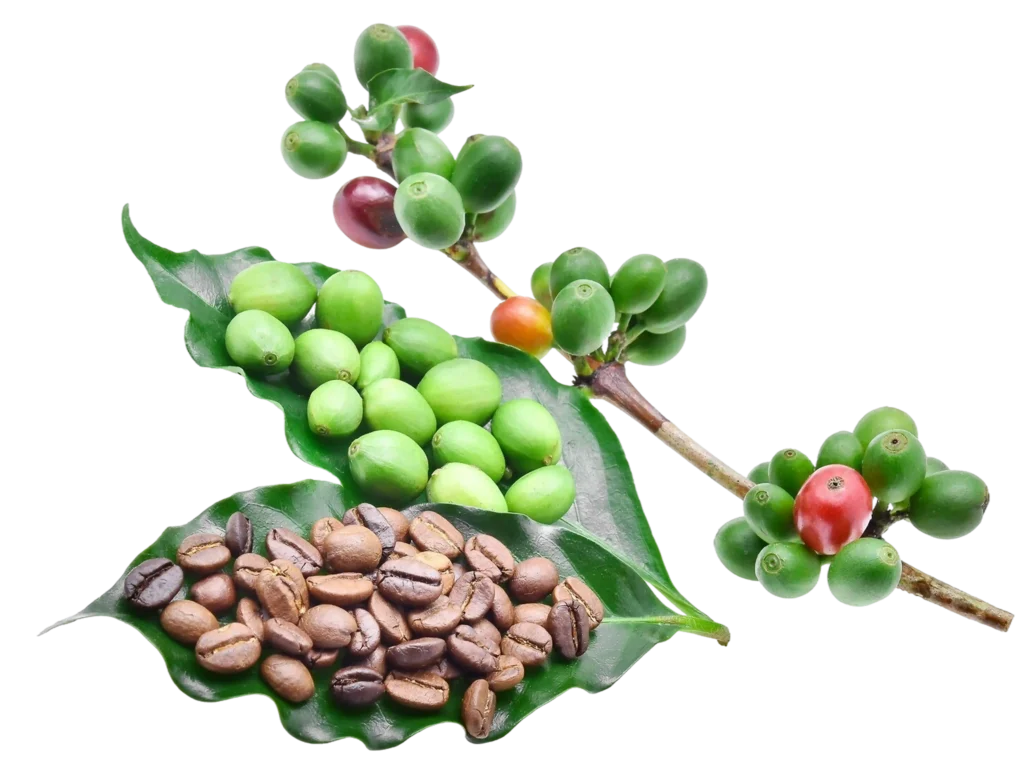
The decaf coffee process starts at the green coffee bean stage, where caffeine can be removed more effectively without damaging flavor compounds. At this stage, beans contain soluble caffeine along with oils and aromatic elements. Using controlled decaffeination methods like Swiss Water Process, Carbon Dioxide Process, or solvent-based extraction, caffeine is selectively removed while preserving taste, structure, and overall coffee quality.
- Green coffee beans are soaked in water to activate soluble compounds and loosen caffeine
- Caffeine is extracted using Swiss Water Process, Carbon Dioxide Process, or solvents like ethyl acetate or methylene chloride
- Beans are separated from the caffeine solution and carefully processed to retain flavor compounds
- Beans are dried to restore natural moisture levels before roasting
- Final roasting develops aroma, body, and taste similar to regular coffee
Main Decaffeination Methods Used
Different decaffeination methods are used depending on cost, quality, and desired flavor outcome. Each method removes caffeine in a different way, affecting the final taste and profile.
Swiss Water Process
This method uses water and carbon filters to remove caffeine without chemical solvents. It relies on solubility and filtration, allowing caffeine to be extracted while preserving natural coffee compounds. It is widely used in speciality coffee for its clean and balanced flavor.
CO₂ Decaffeination Method
The carbon dioxide process uses pressurised CO₂ to selectively remove caffeine from green coffee beans. It targets caffeine molecules without affecting other flavor elements, helping retain aroma and body. This method is often used for high-quality coffee production.
Solvent-Based Decaffeination
This method uses ethyl acetate or methylene chloride to dissolve and remove caffeine efficiently. It is faster and more cost-effective, making it common in commercial coffee. Proper processing ensures that solvent residues remain within safe limits set by food safety standards.
Which Decaf Method Is Best for Taste
The choice of decaffeination method directly affects the taste of the final cup. The Swiss Water Process retains more natural flavor and is preferred for speciality coffee, while CO₂ methods maintain balance, aroma, and body effectively. Solvent-based methods may slightly reduce complexity. Using high-quality beans with careful processing helps preserve oils and improves the overall flavor experience.
Natural vs Chemical Decaf Coffee
Decaf coffee can be processed using natural methods or chemical solvents, each offering different benefits. The choice depends on personal preference, cost, and quality expectations. Both methods aim to remove caffeine effectively while trying to preserve the original flavor, aroma, and overall coffee experience.
Natural methods like the Swiss Water Process and CO₂ decaffeination avoid chemical solvents and focus on selective caffeine removal. Chemical methods use approved solvents to speed up extraction efficiently. Some consumers prefer natural processes for purity, while others choose based on taste, availability, and overall affordability.
What Type of Coffee Beans Are Used for Decaf
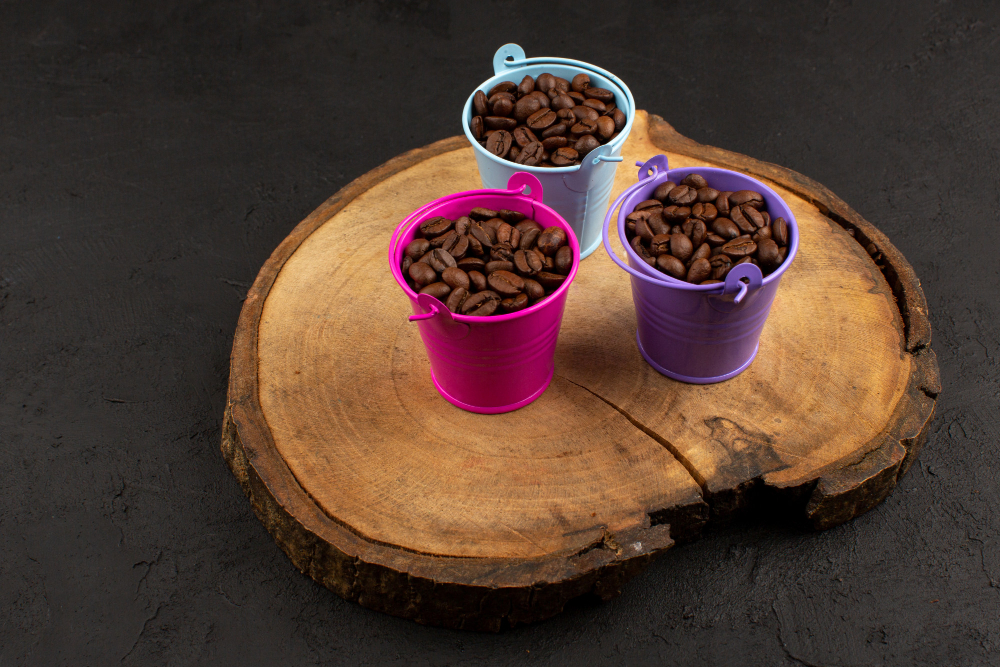
The quality of decaf coffee depends on the type of beans used before the decaffeination process begins. High quality Arabica beans are commonly preferred due to their smoother taste and lower bitterness. Ethiopian coffee beans are often chosen for their complex fruit and floral notes. Beans grown at high altitudes develop better acidity and sweetness, helping retain flavor even after caffeine removal and processing.
Why Ethiopian Coffee Beans Work Well for Decaf
Ethiopian coffee beans are known for their rich flavor profile and natural complexity. These qualities help preserve taste even after caffeine removal, making them suitable for decaf coffee production while maintaining aroma, balance, and overall cup quality.
- High-altitude growth enhances acidity and natural sweetness
- Complex fruit and floral notes remain after decaffeination
- Slow bean development improves depth and flavor stability
- Preferred by specialty coffee producers for quality decaf
- Diverse heirloom varieties add unique taste characteristics
- Natural processing supports better flavor retention
How Roasting Affects Decaf Coffee Flavor
Roasting plays an important role in shaping the final taste of decaf coffee. Since some flavor compounds are reduced during decaffeination, roasting helps restore balance, aroma, and body. Light roasts preserve delicate notes, medium roasts provide balanced flavor, and dark roasts enhance boldness. A well controlled roasting profile ensures consistency, improves taste, and helps maintain a satisfying coffee experience even after caffeine removal.
How to Choose Good Quality Decaf Coffee
Choosing the right decaf coffee requires attention to processing method, origin, and roast profile. These factors influence both taste and overall experience, helping you select a coffee that maintains flavor while meeting your caffeine preferences.
- Check if the coffee uses Swiss Water or CO2 decaffeination method
- Look for origin details such as Ethiopian coffee beans
- Choose freshly roasted coffee for better flavor retention
- Select roast level based on preference: light, medium, or dark
- Check packaging date to ensure freshness and quality
- Prefer specialty coffee for better sourcing and processing standards
- Look for clear labeling of decaffeination method
- Choose whole beans instead of pre-ground for better taste
- Ensure proper storage to maintain aroma and freshness.
Is Decaf Coffee Good for Health
Decaf coffee offers several benefits for individuals looking to reduce caffeine intake without giving up coffee. It can be part of a balanced lifestyle when consumed in moderation.
Decaf coffee supports people who experience caffeine sensitivity, sleep disturbances, or certain medical conditions. It still contains antioxidants and beneficial compounds found in regular coffee. By lowering caffeine intake, it helps reduce potential side effects like restlessness or increased heart rate.
Decaf Coffee Benefits
Decaf coffee offers several health benefits while allowing you to enjoy coffee without high caffeine intake. It supports overall wellness, improves comfort for sensitive individuals, and provides essential compounds found in regular coffee with fewer side effects.
- Rich in Antioxidants: Contains compounds like chlorogenic acid that help protect cells and support overall health
- Improved Sleep and Reduced Anxiety: Low caffeine helps avoid jitters, restlessness, and sleep disturbances
- Lower Risk of Disease: Linked to reduced risk of type 2 diabetes and certain neurological conditions
- Supports Heart Health: May help maintain healthy blood pressure and cardiovascular function
- Gentle on the Stomach: Lower acidity reduces chances of acid reflux and digestive discomfort
- Suitable for Sensitive Individuals: Ideal for pregnant women and people sensitive to caffeine
Can you drink decaf coffee every day
Decaf coffee can be consumed daily by most people without issues, as its low caffeine content makes it suitable for regular intake. It helps reduce the risk of sleep disturbance and is a good option for those sensitive to caffeine. Decaf still provides antioxidants found in regular coffee, supporting overall health. When consumed in moderate amounts as part of a balanced diet, it remains a safe and practical daily choice.
Does decaf coffee affect sleep
Decaf coffee has minimal impact on sleep compared to regular coffee because it contains very low caffeine. However, individual sensitivity can vary, and some people may notice mild effects if consumed in large quantities or later in the day. Choosing high-quality decaf with lower caffeine levels can further reduce this risk and support better sleep patterns without significantly affecting rest or relaxation.
Choosing the Right Decaf Coffee for Your Cup
Decaf coffee is more than just low caffeine; it is about choosing the right process, bean quality, and roast for a better experience. The decaffeination method directly affects taste, safety, and overall quality, making it important to select wisely. Options like Swiss Water and CO₂ offer better flavor retention, while bean origin, such as Ethiopian coffee, adds depth. A well-chosen decaf ensures consistent taste, comfort, and suitability for daily consumption.
Specialty Grade Arabica Decaf Coffee Beans Supplier and Exporter
AMG Coffee offers high-quality Arabica decaf coffee beans sourced from Ethiopia’s high-altitude regions, known for their rich flavor and natural complexity. Using advanced decaffeination methods, the beans retain their aroma, smooth taste, and signature profile. As a trusted exporter, AMG ensures consistent quality, reliable supply, and premium decaf coffee suitable for global markets.