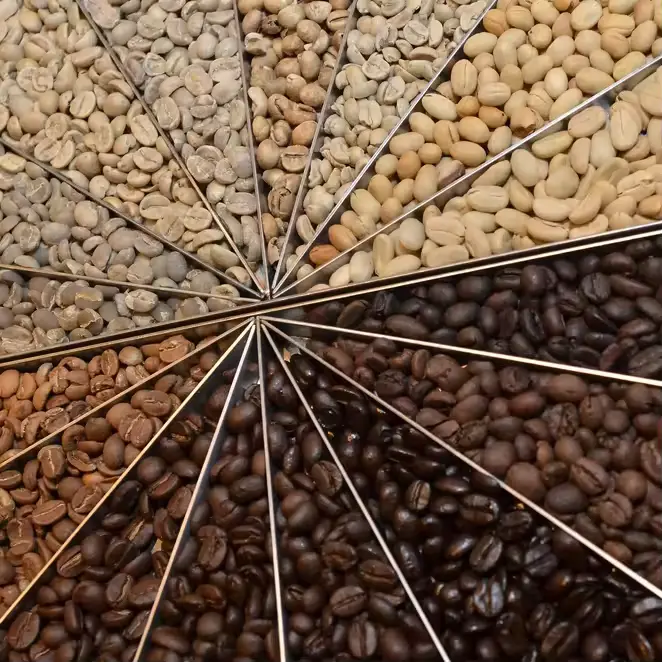
Ethiopia is globally recognized for producing some of the finest Arabica coffee, with strict quality standards that protect its reputation in international markets. Every coffee bean is carefully graded before it reaches buyers, influencing where it can be sold and how much it is worth. However, not all coffee grades are available in both local and export markets due to government regulations. Take a look at how Ethiopia’s coffee grading system works and why certain grades cannot legally be sold in the local market.
Why Is Coffee Graded?
Coffee grading is a standardized quality assessment process that evaluates beans based on physical appearance and cup characteristics. It helps classify coffee into different quality levels, ensuring consistency for farmers, traders, exporters, and buyers while maintaining recognized coffee quality standards across domestic and international markets.
Coffee grading also determines export eligibility, supports fair pricing, and allows buyers to select coffee that matches their quality requirements. By following a structured coffee classification system, Ethiopia protects its reputation as a leading producer of premium Arabica coffee and delivers consistent quality to global specialty and commercial coffee markets.
Ethiopia’s Coffee Grading System
Ethiopia’s coffee grading system is managed by the Ethiopian Coffee and Tea Authority (ECTA), while the Ethiopian Commodity Exchange (ECX) oversees regulated coffee trading. Every coffee lot undergoes detailed inspections before receiving an official grade based on its physical quality and cup characteristics, ensuring consistency for both domestic and export markets.
- Bean Defects: Evaluates the number of physical imperfections, including broken, damaged, insect affected, discolored, or immature beans present in each coffee sample.
- Cup Quality: Assesses the brewed coffee for aroma, flavor, sweetness, acidity, aftertaste, balance, and overall drinking experience through professional cupping sessions.
- Moisture Content: Measures the amount of moisture within coffee beans to ensure proper storage, stable quality, and reduced risk of spoilage during transportation.
- Bean Size: Examines bean uniformity and screen size, which influence roasting consistency, processing efficiency, and the overall quality classification.
- Aroma: Evaluates the fragrance of both dry and brewed coffee, identifying pleasant floral, fruity, chocolate, or spice notes expected in quality coffee.
- Flavor: Assesses the overall taste profile, including sweetness, complexity, clarity, and distinctive regional characteristics that define Ethiopian coffee.
- Acidity: Measures the brightness and liveliness of coffee, with balanced acidity often considered a desirable characteristic in premium specialty coffees.
- Body: Evaluates the weight and mouthfeel of brewed coffee, ranging from light and delicate to rich, smooth, and full bodied.
- Processing Quality: Reviews how carefully the coffee has been harvested, washed or naturally processed, dried, sorted, and prepared before grading.
- Uniformity: Ensures coffee beans within a lot maintain consistent size, appearance, moisture levels, and cup quality to deliver reliable roasting and brewing results.
Ethiopian Coffee Grades Explained
| Coffee Grade | Quality | Market | Typical Characteristics |
| Grade 1 | Highest Specialty | Export | Very few defects, exceptional cup quality |
| Grade 2 | Premium Specialty | Export | Excellent flavor and aroma |
| Grade 3 | High Commercial | Export | Very good quality |
| Grade 4 | Commercial Export | Export | Moderate defects, consistent quality |
| Grade 5 | Standard Export | Export | Acceptable export quality |
| Grade 6 | Domestic | Local Market | Lower cup quality |
| Grade 7 | Domestic | Local Market | More defects |
| Grade 8 | Domestic | Local Market | Basic commercial quality |
| Grade 9 | Domestic | Local Market | Lowest graded coffee |
| Under Grade (UG) | Domestic | Local Market | Does not meet export standards |
Which Coffee Grades Are Exported?
Ethiopia primarily exports green, unroasted Arabica coffee classified between Grade 1 and Grade 5. Before export, every coffee lot is inspected for bean defects, cup quality, and compliance with national quality standards. Higher grades are prioritized because they satisfy international buyer expectations, strengthen Ethiopia’s position in the global coffee industry, and generate valuable foreign exchange earnings.
Grade 1: The highest specialty coffee grade, featuring almost no defects, outstanding cup quality, distinctive floral and fruity notes, and Specialty Coffee Association scores above 80.
Grade 2: Premium specialty coffee with excellent aroma, balanced flavor, minimal defects, and consistently high cupping scores preferred by specialty coffee roasters worldwide.
Grade 3: High quality commercial coffee offering very good cup characteristics, moderate defect tolerance, and reliable consistency for international commercial buyers and exporters.
Grade 4: Commercial export coffee with acceptable quality standards, moderate bean defects, and dependable flavor profiles suitable for large scale coffee markets.
Grade 5: Standard export coffee that meets minimum export quality requirements, making it suitable for commercial roasting, blending, and international coffee trade.
Which Coffee Grades Are Sold in the Local Market?
Coffee that does not qualify for Ethiopia’s export market is generally supplied to the domestic market. These lower coffee grades are widely consumed across the country and play an important role in Ethiopia’s traditional coffee culture.
Grade 6: Suitable for domestic consumption, offering lower cup quality and more visible bean defects than export grades while remaining acceptable for local roasting.
Grade 7: Contains a higher number of bean defects and simpler flavor characteristics, making it a common choice for everyday coffee consumed within Ethiopia.
Grade 8: Basic commercial coffee with lower overall quality, suitable for local markets where affordability and availability are often prioritized over specialty characteristics.
Grade 9: The lowest officially graded coffee, featuring significant bean defects and limited cup quality, primarily supplied for domestic consumption.
Under Grade (UG): Coffee that does not meet the minimum quality requirements for grading or export and is reserved exclusively for Ethiopia’s local market.
Why Some Coffee Grades Cannot Be Sold in the Local Market
Ethiopia’s coffee grading and sales system is carefully regulated to protect coffee quality, strengthen export revenue, and maintain fair market practices. The Ethiopian Coffee and Tea Authority (ECTA) and the Ethiopian Commodity Exchange (ECX) determine which coffee grades can be exported or sold locally based on quality standards and national economic priorities.
Export Mandates: Premium Grade 1 and Grade 2 coffees are legally reserved for export because they represent Ethiopia’s highest quality specialty coffee. These beans typically score 80 or higher on the Specialty Coffee Association scale, feature exceptional floral and fruity flavor profiles, and generate valuable foreign exchange earnings for the country’s economy.
Quality-Based Market Allocation: Ethiopian coffee is graded from Grade 1 to Grade 9 based on bean defects and cup quality. Grades 1 to 5 meet export quality requirements and are primarily supplied to international buyers, while Grades 6 to 9 and undergrade coffee are allocated to the domestic market because they do not satisfy export quality standards.
Domestic Pricing Controls: The Ethiopian government applies pricing measures to maintain stability between domestic and export markets. These controls discourage premium export-grade coffee from being sold locally, helping preserve export value and prevent local prices from exceeding international market prices.
Limited Market Exceptions: During periods of unusual market conditions or price fluctuations, small quantities of premium coffee may occasionally appear in the local market through informal channels. However, these sales fall outside the regulated coffee trading system and do not reflect Ethiopia’s official coffee export policies.
Coffee Grades Restricted in Ethiopia
| Coffee Grade | Local Market | Export Market |
| Grade 1 | ❌ Restricted | ✅ Allowed |
| Grade 2 | ❌ Restricted | ✅ Allowed |
| Grade 3 | Mostly Export | ✅ Allowed |
| Grade 4 | Mostly Export | ✅ Allowed |
| Grade 5 | Export Grade | ✅ Allowed |
| Grade 6 | ✅ Allowed | ❌ Restricted |
| Grade 7 | ✅ Allowed | ❌ Restricted |
| Grade 8 | ✅ Allowed | ❌ Restricted |
| Grade 9 | ✅ Allowed | ❌ Restricted |
| Under Grade (UG) | ✅ Allowed | ❌ Restricted |
Who Regulates Coffee Sales in Ethiopia?
Ethiopia’s coffee industry is regulated through dedicated government organizations that oversee coffee grading, quality standards, export compliance, and market transparency. Together, they ensure coffee is correctly classified, traded fairly, and sold according to national regulations.
Ethiopian Coffee and Tea Authority (ECTA): The Ethiopian Coffee and Tea Authority establishes coffee grading standards, issues licenses, monitors export compliance, conducts quality assurance, and regulates coffee production and marketing to protect Ethiopia’s reputation as a leading coffee exporter.
Ethiopian Commodity Exchange (ECX): The Ethiopian Commodity Exchange manages regulated coffee trading, facilitates transparent auctions, maintains product traceability, and creates a reliable marketplace that connects farmers, cooperatives, exporters, and buyers.
Can Premium Coffee Ever Be Found in the Local Market?
Although Grade 1 and Grade 2 coffee are legally reserved for export, premium coffee may occasionally appear in the local market through informal sales or during periods of unusual price fluctuations. Some specialty cafés may also serve high quality Ethiopian coffee obtained through approved channels or limited exceptions. However, these cases are uncommon because strict regulations prioritize Ethiopian coffee export activities and limit the domestic availability of premium specialty coffee.
Balancing Quality, Local Demand, and Coffee Exports
Ethiopia carefully balances domestic coffee consumption with global market demand through its regulated grading system. Export quality coffee is prioritized for international trade, while lower grades remain available for local consumers. This strategy strengthens Ethiopian coffee exports, preserves product quality, and supports the long term sustainability of the country’s coffee industry.