Coffee buyers and specialty roasters are always looking for coffees that deliver both distinctive flavour and broad customer appeal. Honey coffee processing has gained popularity for creating coffees with natural sweetness, balanced acidity, and a rich mouthfeel without overpowering origin characteristics. Positioned between washed and natural processing, this method offers an attractive balance of clarity and complexity. Explore how honey processing works, how it influences flavour, and why it continues to attract attention in the specialty coffee market.
What Is Honey-Processed Coffee?
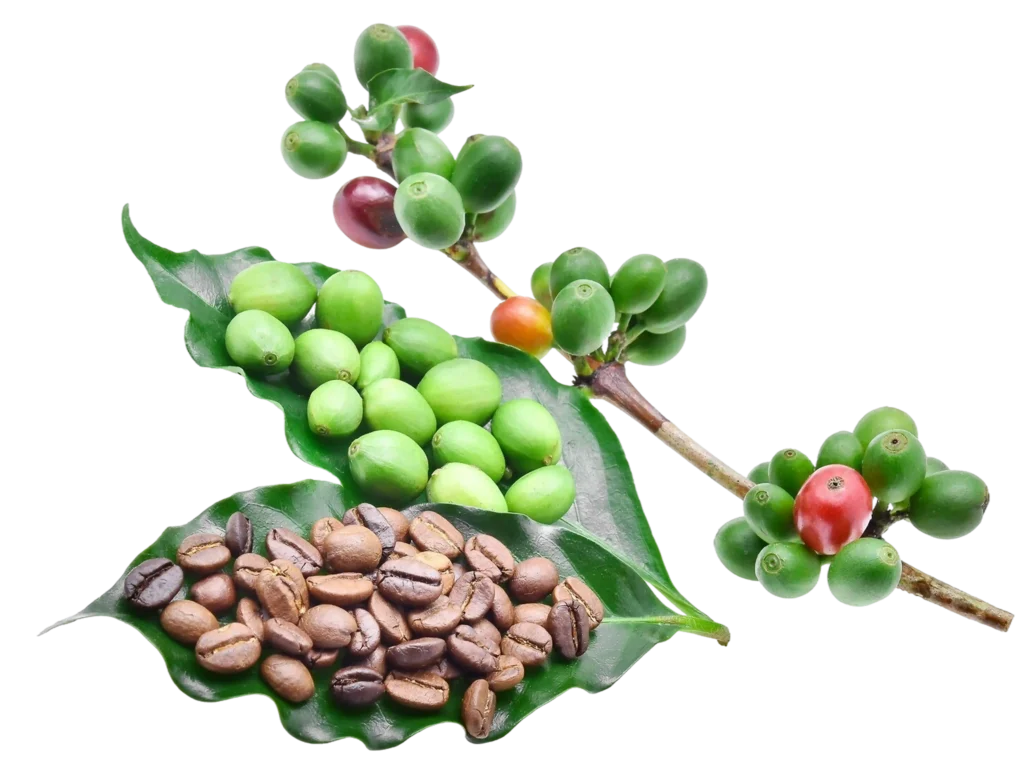
Honey-processed coffee is a type of coffee produced using a processing method in which the outer skin of the coffee cherry is removed, while part of the sticky fruit layer, known as mucilage, remains attached to the bean during drying. This retained mucilage contributes additional sweetness, body, and flavor complexity to the coffee. Despite the name, no honey is added during processing. The term “honey” refers to the sticky, honey-like texture of the mucilage left on the beans as they dry.
How Does Honey Coffee Processing Work?
Honey coffee processing carefully balances fruit contact and controlled drying. Each stage influences sweetness, flavour development, and overall cup quality.
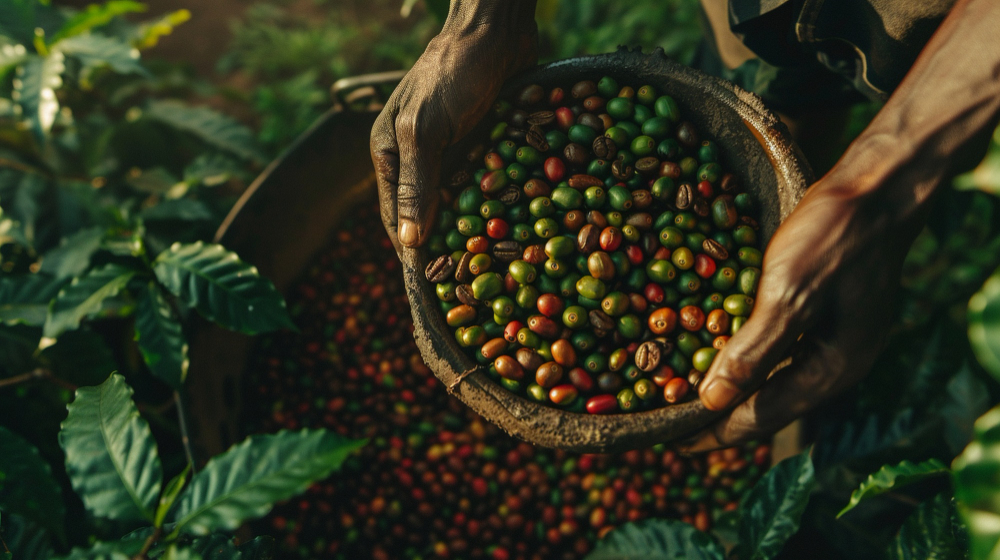
Harvesting
Only ripe coffee cherries are selected to ensure consistent sugar content and even flavour development. High quality cherries create a strong foundation for successful honey processing.
Depulping
After harvesting, the outer skin of the coffee cherry is removed. Unlike washed processing, a portion of the sticky mucilage remains attached to the bean.
Mucilage Retention
The amount of mucilage left on the bean determines the style of honey processing. More retained mucilage generally results in greater sweetness and body.
Controlled Drying
Beans are dried on raised beds or patios while the mucilage remains attached. Producers carefully monitor drying conditions to prevent defects and ensure uniform moisture levels.
Hulling and Preparation
Once the desired moisture content is achieved, the dried parchment layer is removed. The coffee is then sorted, graded, and prepared for export.
How Is Honey Processing Different From Washed and Natural Coffee?
Honey processing sits between washed and natural processing methods. It combines the cleanliness often associated with washed coffees and the sweetness commonly found in natural coffees.
| Aspect | Washed Processing | Honey Processing | Natural Processing |
| Sweetness | Moderate | High | Very High |
| Body | Light to Medium | Medium to Full | Full |
| Flavor Clarity | Very Clean | Balanced | Complex |
| Acidity | Bright | Balanced | Softer |
| Drying Method | Minimal fruit contact | Partial mucilage contact | Whole fruit drying |
| Processing Complexity | Moderate | Moderate to High | High |
| Consistency | Highly Consistent | Moderately Consistent | Can Vary by Batch |
| Typical Flavor Notes | Citrus, Floral, Tea-like | Caramel, Honey, Stone Fruit | Berry, Tropical Fruit, Wine-like |
| Consumer Appeal | Traditional Specialty Buyers | Broad Specialty Audience | Experimental Coffee Enthusiasts |
| Best For | Clarity and Origin Expression | Balance of Sweetness and Clarity | Bold, Fruit-Forward Profiles |
What Does Honey Processed Coffee Taste Like?
Honey processed coffee tastes sweeter and fuller-bodied than washed coffee, but cleaner and more balanced than natural coffee. Common flavor notes include honey, caramel, brown sugar, peach, apricot, berries, citrus, and milk chocolate. It typically has a smooth, syrupy mouthfeel, moderate acidity, and a lingering sweet finish, making it popular among specialty coffee drinkers seeking both sweetness and clarity.
What Are the Different Types of Honey Coffee Processing?
The amount of mucilage left on the bean during drying determines the type of honey process used. Each style produces different flavour characteristics.
White Honey
White honey processing removes most of the mucilage before drying. It produces a cleaner cup with subtle sweetness and bright acidity.
Yellow Honey
Yellow honey retains a moderate amount of mucilage, creating balanced sweetness, smooth acidity, and a clean finish.
Red Honey
Red honey processing leaves more mucilage on the bean, resulting in greater sweetness, fuller body, and increased flavour complexity.
Black Honey
Black honey retains the highest amount of mucilage and requires careful drying. It often produces intense sweetness, rich body, and concentrated fruit characteristics.
Why Are Specialty Roasters Choosing Honey Processed Ethiopian Coffee?
Honey processed Ethiopian coffee remains relatively rare compared to Ethiopia’s dominant washed and natural coffees, making it a distinctive offering for specialty roasters seeking exclusivity and differentiation. The combination of heirloom Ethiopian varieties and honey processing creates flavor profiles that are difficult to replicate elsewhere.
- Less common than washed and natural Ethiopian coffees, creating greater market differentiation.
- Showcases heirloom Ethiopian varieties through a processing method rarely seen at scale.
- Delivers premium cup complexity without the intense fermentation often associated with naturals.
- Frequently selected for limited releases, micro lots, and specialty seasonal offerings.
- Offers a distinctive flavor experience that stands apart on specialty coffee menus.
- Appeals to consumers actively seeking rare processing methods and unique origin stories.
- Combines origin character, processing innovation, and scarcity, supporting premium positioning and higher perceived value.
How to Source Premium Honey-Processed Ethiopian Coffee Beans Wholesale?
Finding high quality honey processed coffee requires careful supplier evaluation and product testing. Buyers should focus on consistency, transparency, and long term supply capability when selecting sourcing partners.
- Request recent cupping reports and quality evaluations.
- Review moisture content and drying records.
- Verify origin traceability and farm information.
- Evaluate samples before placing large orders.
- Assess consistency across multiple lots.
- Confirm export experience and logistics capabilities.
- Review certifications and quality assurance procedures where applicable.
- Partner with trusted wholesale Ethiopian coffee suppliers.
Honey Processed Coffee and Sustainability
Honey processing supports more sustainable coffee production by significantly reducing water consumption. Unlike traditional washed processing, which uses large amounts of water to remove mucilage through fermentation and washing, honey processing leaves part of the mucilage on the bean during drying. Studies indicate that honey processing can use up to 87.5% less water than conventional washed methods, while also reducing wastewater generation and preserving the sweetness, body, and complexity prized in specialty coffee.
Choosing the Right Coffee for Your Portfolio
Honey coffee processing offers a unique balance between the clarity of washed coffees and the sweetness of natural coffees. For roasters, importers, and coffee brands, it provides an opportunity to offer distinctive flavours while maintaining broad consumer appeal. When sourced from reliable producers and experienced Ethiopian coffee suppliers, honey processed coffees can strengthen product portfolios, support premium positioning, and deliver a memorable coffee experience for customers.