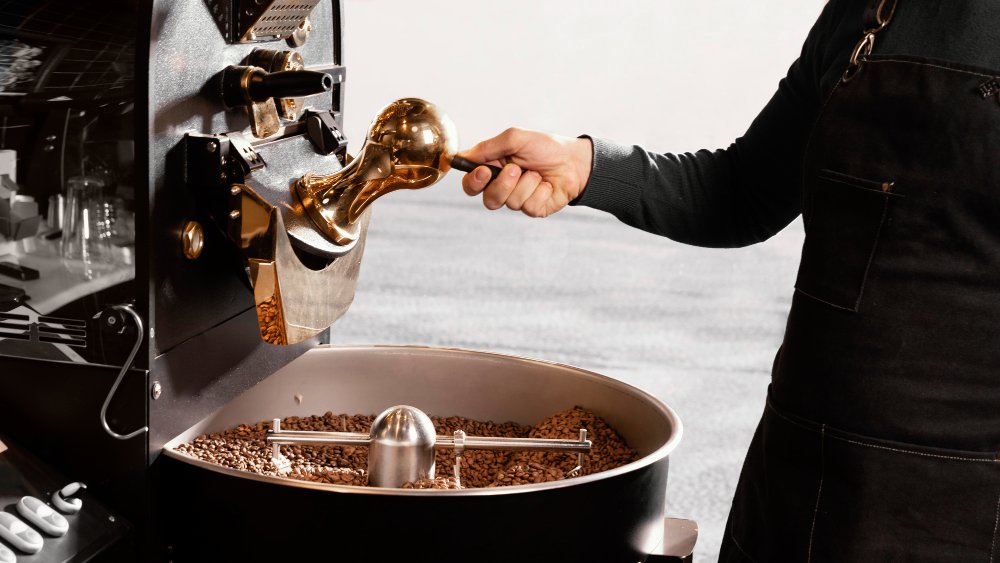
Anaerobic coffee processing is transforming how specialty coffee develops flavour, creating coffees with remarkable sweetness, vibrant fruit characteristics, and exceptional complexity. As demand for distinctive coffee experiences continues to grow, this innovative fermentation method is attracting the attention of roasters, importers, and specialty coffee buyers worldwide. Explore how anaerobic processing works, why it is gaining momentum in Ethiopian specialty coffee, and what to consider when sourcing these premium beans.
What Is Anaerobic Coffee Processing?
Anaerobic coffee processing is a specialty fermentation method where coffee cherries or depulped beans are placed inside sealed tanks without oxygen. During fermentation, naturally occurring yeasts and microbes break down sugars in a controlled environment, creating unique flavour compounds. The process often produces coffees with enhanced sweetness, complex fruit notes, wine like characteristics, and a fuller body.
How Does the Anaerobic Coffee Processing Method Work?
Anaerobic coffee processing follows a carefully controlled fermentation journey. Every stage influences flavour development, consistency, and cup quality, making process management essential for specialty coffee producers and buyers.
Selective Harvesting
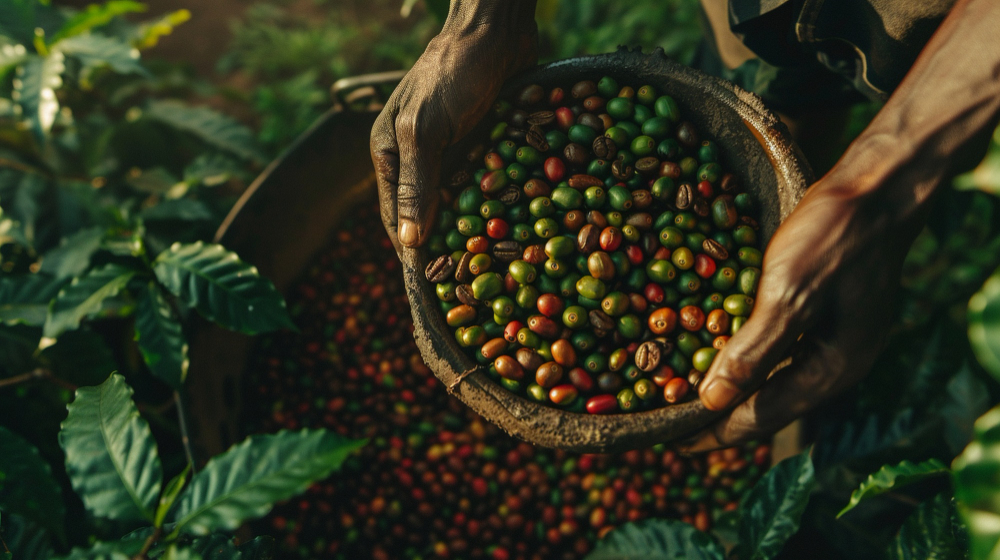
Only fully ripe coffee cherries are hand picked to ensure consistent sugar content. Uniform ripeness helps create predictable fermentation conditions, allowing producers to develop cleaner flavours and achieve greater consistency across batches.
Sorting and Washing
Freshly harvested cherries are sorted in water tanks to remove defects, debris, and underdeveloped fruit. This step improves quality control and ensures only healthy cherries continue into the fermentation stage.
Tank Loading and Sealing
Coffee cherries or depulped beans are placed inside airtight fermentation tanks. Producers seal the containers carefully, sometimes introducing carbon dioxide to remove remaining oxygen and create ideal anaerobic conditions.
Controlled Anaerobic Fermentation
Inside sealed tanks, yeasts and microorganisms convert sugars into acids, esters, and aromatic compounds. Producers closely monitor temperature, pH levels, and fermentation duration to achieve targeted flavour characteristics and prevent defects.
Anaerobic Processing Styles
- Natural Anaerobic: Whole coffee cherries ferment inside sealed tanks before drying, producing intense fruit flavours, wine like complexity, heavy body, and pronounced sweetness preferred by adventurous specialty coffee consumers.
- Washed Anaerobic: Coffee is depulped before fermentation, creating cleaner flavour expression, brighter acidity, refined sweetness, and greater transparency of origin characteristics within the finished cup.
- Honey Anaerobic: A portion of sticky fruit mucilage remains on the bean during fermentation, contributing rich sweetness, balanced acidity, and layered flavour complexity throughout roasting.
- Carbonic Maceration: Carbon dioxide fills the sealed fermentation environment, encouraging unique microbial activity that creates vibrant aromatics, juicy fruit notes, and highly expressive cup profiles.
- Co Fermentation: Selected fruits, yeasts, or botanical ingredients are introduced during fermentation, producing experimental flavour experiences designed for niche specialty coffee markets and limited releases.
What Is the Difference Between Aerobic and Anaerobic Coffee Processing?
Coffee buyers often compare fermentation methods when evaluating quality, flavour potential, and customer appeal. The table below highlights the main differences between aerobic and anaerobic coffee processing.
| Aspect | Aerobic Processing | Anaerobic Coffee Processing |
| Flavour Profile | Clean, balanced, and traditional coffee characteristics | Intense fruit notes, enhanced sweetness, wine like complexity, and distinctive flavour layers |
| Customer Appeal | Preferred by consumers seeking familiar specialty coffee experiences | Attracts specialty coffee enthusiasts looking for unique and experimental flavour profiles |
| Premium Pricing Potential | Moderate pricing opportunities in specialty markets | Higher value perception and stronger premium pricing opportunities |
| Product Differentiation | Similar to many specialty coffees available in the market | Helps roasters and retailers stand out with exclusive and memorable offerings |
| Consistency and Production Risk | Generally more predictable with lower processing risk | Requires strict fermentation control to maintain consistent quality across batches |
How Does Anaerobic Processing Affect Coffee Flavor and Aroma?
Anaerobic fermentation significantly changes how coffee tastes and smells. The oxygen free environment encourages the development of unique flavour compounds that create memorable sensory experiences.
How Flavor and Aroma Change with Anaerobic Coffee Processing
Intense Sweetness: Extended fermentation helps develop natural sugars, creating richer sweetness and reducing sharp flavour edges in the final cup.
Fruity Characteristics: Notes of berries, cherry, tropical fruits, plum, and stone fruits become more pronounced, adding depth and complexity.
Wine Like Acidity: Controlled fermentation produces smooth acidity that often resembles wine, enhancing structure without overwhelming the palate.
Fuller Body: Many anaerobic coffees deliver a creamy, syrupy mouthfeel that increases perceived richness and drinking satisfaction.
Best Roast and Brewing Applications
- Light Roast: Preserves delicate fruit notes, floral aromatics, and vibrant acidity, making it popular among specialty coffee roasters.
- Medium Roast: Balances sweetness, body, and complexity while maintaining the distinctive characteristics created during fermentation.
- Pour Over Brewing: Highlights flavour clarity, fruit expression, and layered acidity, making it ideal for showcasing anaerobic coffees.
- Espresso Preparation: Produces concentrated sweetness, intense aromatics, and a rich body that creates memorable espresso experiences.
- Cold Brew: Enhances sweetness while softening acidity, resulting in a smooth and refreshing beverage with unique flavour depth.
Why Is Anaerobic Processing Becoming Popular in Ethiopian Specialty Coffee?
Ethiopian specialty coffee is already known for exceptional floral aromas, bright acidity, and complex fruit notes. When combined with anaerobic coffee processing, these natural characteristics become even more expressive. Producers can create highly differentiated coffees that attract specialty roasters, coffee shops, and premium consumers seeking new flavour experiences. Growing global demand for experimental processing methods has also encouraged more Ethiopian farms to adopt controlled fermentation techniques. As a result, anaerobic coffees are becoming a valuable category within the Ethiopian specialty coffee market, offering both quality distinction and stronger commercial opportunities.
What Challenges and Quality Risks Exist in Anaerobic Coffee Processing?
While anaerobic coffee processing offers exciting flavour possibilities, it also requires careful management. Small variations during fermentation can significantly influence cup quality, making consistency a key consideration for buyers.
- Over Fermentation: Excessive fermentation time can create unpleasant flavours, excessive alcohol notes, and reduced cup balance.
- Batch Variability: Differences in temperature, cherry quality, and fermentation duration may cause flavour inconsistency between production lots.
- Microbial Control: Poor sanitation practices can introduce unwanted microorganisms that negatively affect flavour development and product quality.
- Higher Production Costs: Specialized equipment, monitoring systems, and skilled labour can increase production expenses for coffee producers.
- Supply Limitations: Premium anaerobic lots are often produced in smaller quantities, making large volume sourcing more challenging.
- Quality Verification: Buyers should request sample evaluations, cupping reports, and traceability information before making purchasing decisions.
How to Source High Quality Anaerobic Ethiopian Coffee Beans Wholesale?
Sourcing premium anaerobic coffees requires careful supplier evaluation and quality assessment. Buyers should focus on consistency, traceability, and production expertise to ensure reliable long term partnerships and exceptional cup quality.
- Verify farm level traceability and detailed processing records.
- Request recent cupping scores and sensory evaluation reports.
- Evaluate multiple samples before committing to large purchases.
- Confirm fermentation protocols and quality control procedures.
- Review consistency across different production lots.
- Assess export readiness, logistics capability, and supply reliability.
- Check certifications and sustainability practices where applicable.
- Partner with experienced suppliers specializing in Ethiopian coffee beans wholesale.
Making the Right Sourcing Decision
Anaerobic coffee processing continues to reshape specialty coffee by introducing bold flavours, enhanced sweetness, and remarkable sensory complexity. For roasters, importers, and coffee businesses, these coffees provide an opportunity to offer something truly distinctive to customers. When sourced carefully from trusted producers and reliable Ethiopian coffee beans wholesale suppliers, anaerobically processed coffees can deliver exceptional quality, stronger market differentiation, and lasting value within the growing world of Ethiopian specialty coffee.