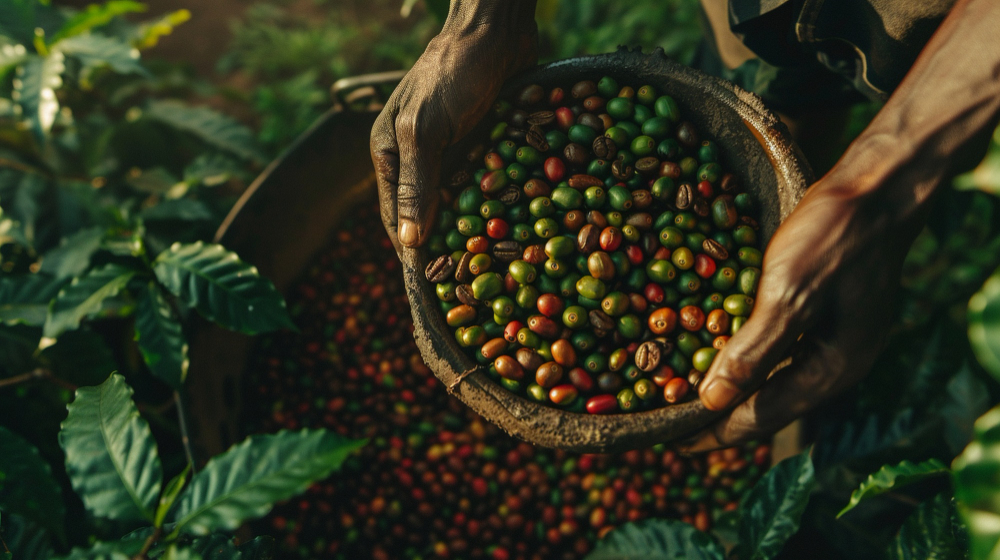
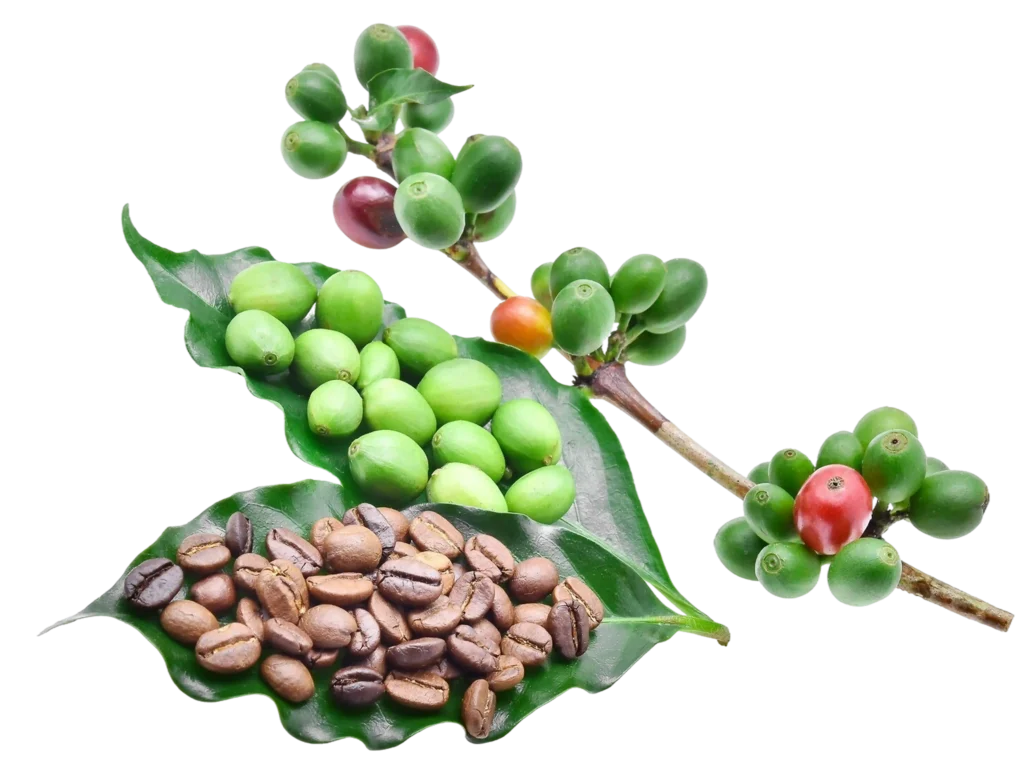

Carbon-neutral coffee production focuses on reducing greenhouse gas emissions across the coffee value chain while balancing any remaining emissions through sustainable practices. As climate change is affecting the major coffee-growing regions, adopting low-carbon farming methods has become essential for the industry’s future.
Coffee has a significant carbon footprint, with 75–91% of emissions occurring at the farm stage. Ethiopia is a pioneer in eco-friendly coffee production, using traditional forest-coffee systems and sustainable cultivation methods that support both environmental conservation and farmer resilience.
What Makes Coffee Production Carbon-Neutral?
Carbon neutrality in coffee production means reducing greenhouse gas emissions as much as possible and balancing any remaining emissions through carbon sequestration or other climate-friendly measures. The goal is to prioritise emission reduction rather than relying solely on offsets, creating a more sustainable approach to coffee farming.
The main sources of emissions in coffee production include soils and fertiliser application, which release greenhouse gases such as nitrous oxide; pruning and crop residue decomposition, which generate carbon emissions; and parchment coffee fermentation and wastewater from processing activities. Addressing these emission sources is essential for achieving carbon-neutral coffee systems.
How Coffee Farmers Can Reduce Carbon Emissions
Introducing Trees in Plantations
Agroforestry is one of the most effective ways to lower emissions in coffee farms. By integrating trees with coffee plants, commercial polyculture systems can capture and store significant amounts of carbon from the atmosphere. Leguminous trees also improve soil fertility by naturally fixing nitrogen, reducing the need for synthetic fertilisers, and supporting healthier coffee-growing ecosystems.
Precision Agriculture & Fertiliser Optimisation
Using data-driven farming techniques helps growers apply fertilisers more efficiently and only where needed. This approach can reduce emissions by up to 10% while lowering production costs. It also helps limit the release of nitrous oxide, a greenhouse gas that is approximately 273 times more potent than carbon dioxide, making fertiliser optimisation a key strategy for sustainable coffee production.
Sustainable Processing Methods
Processing methods also influence the environmental impact of coffee. Dry processing requires less water and avoids methane emissions commonly associated with wet milling and wastewater treatment. In addition, coffee residues can be converted into biochar and returned to the soil, helping sequester carbon while improving soil quality.
Renewable Energy in Roasting & Retail
The adoption of renewable energy can further reduce emissions across the coffee value chain. Solar-powered roasting facilities and energy-efficient equipment decrease reliance on fossil fuels, helping coffee businesses lower their carbon footprint while supporting long-term sustainability goals.
Why Ethiopia Leads Sustainable Coffee Farming
Known for its sustainable farming traditions, eco-friendly coffee production Ethiopia is driven by traditional forest-coffee systems that help reduce carbon emissions while preserving biodiversity. Coffee is often grown under the shade of native trees, creating a sustainable environment that supports carbon sequestration, soil health, and biodiversity. Unlike intensive farming systems, these low-input practices reduce dependence on synthetic fertilisers and help preserve natural ecosystems.
Traditional polyculture farming, combined with initiatives such as the Carbon Coffee Project, further strengthens Ethiopia’s sustainability efforts. In addition, policies that link coffee cultivation with biodiversity conservation help protect forests while supporting farmer livelihoods. These practices make Ethiopia a global benchmark for sustainable coffee farming and demonstrate how environmental conservation can work alongside productive coffee cultivation.
Challenges in Achieving Carbon-Neutral Coffee Production
Despite its benefits, achieving carbon-neutral coffee production can be difficult for many smallholder farmers. One of the biggest challenges is limited access to climate finance, which makes it harder to invest in sustainable farming practices, improved technologies, and renewable energy solutions. Many farmers also face financial risks when transitioning to new production methods without immediate returns.
Implementation can also be challenging across complex coffee supply chains. Measuring emissions, maintaining sustainability standards, and adopting new practices require coordination between farmers, processors, exporters, and buyers. To overcome these barriers, stronger regulatory support, financial incentives, and long-term partnerships between governments, organizations, and coffee businesses are essential for driving large-scale change.
How Consumers & Businesses Can Support Carbon-Neutral Coffee
Consumers can help reduce the environmental impact of coffee by choosing sustainably sourced products from brands that prioritise carbon reduction and responsible farming practices. Simple choices, such as using plant-based milk alternatives like oat or soy instead of dairy, can also help lower the carbon footprint of everyday coffee consumption.
Businesses can support carbon-neutral coffee by sourcing from sustainable producers and investing in environmentally responsible supply chains. Additionally, both consumers and businesses can adopt eco-friendly habits such as composting used coffee grounds and using reusable mugs to reduce waste and promote a more sustainable coffee culture.
💬 Connect on WhatsApp
Conclusion
Carbon-neutral coffee production is an achievable goal when farmers, businesses, and consumers work together to reduce emissions across the coffee value chain. Practices such as agroforestry, precision agriculture, sustainable processing methods, and renewable energy adoption can significantly lower the industry’s environmental impact while improving long-term resilience.
Ethiopia continues to lead the way through its forest-coffee systems and sustainable farming traditions, demonstrating how coffee cultivation can support both environmental conservation and farmer livelihoods. As demand for sustainable products grows, supporting carbon-neutral coffee brands and encouraging greater transparency in sourcing and production can help create a more climate-friendly future for the global coffee industry.
FAQs
What is carbon-neutral coffee production?
Carbon-neutral coffee production involves reducing greenhouse gas emissions throughout the coffee value chain and balancing any remaining emissions through carbon sequestration or other sustainable measures.
How does Ethiopia achieve eco-friendly coffee production?
Ethiopia achieves eco-friendly coffee production through traditional forest-coffee systems, polyculture farming, low-input cultivation methods, and initiatives that promote biodiversity conservation and sustainable land management.
Can smallholder farmers afford carbon-neutral practices?
While some sustainable practices require initial investment, support from climate finance programs, cooperatives, governments, and sustainability initiatives can help smallholder farmers adopt carbon-neutral methods more affordably.
What’s the carbon footprint of a cup of coffee?
The carbon footprint of a cup of coffee varies depending on farming, processing, transportation, and preparation methods. Farm-level activities typically account for the largest share of emissions in the coffee supply chain.
How do I identify eco-friendly coffee from Ethiopia?
Look for coffee sourced from sustainable Ethiopian farms and brands that provide transparency about their farming practices. Certifications and information about forest-grown or sustainably produced coffee can also help identify eco-friendly options.