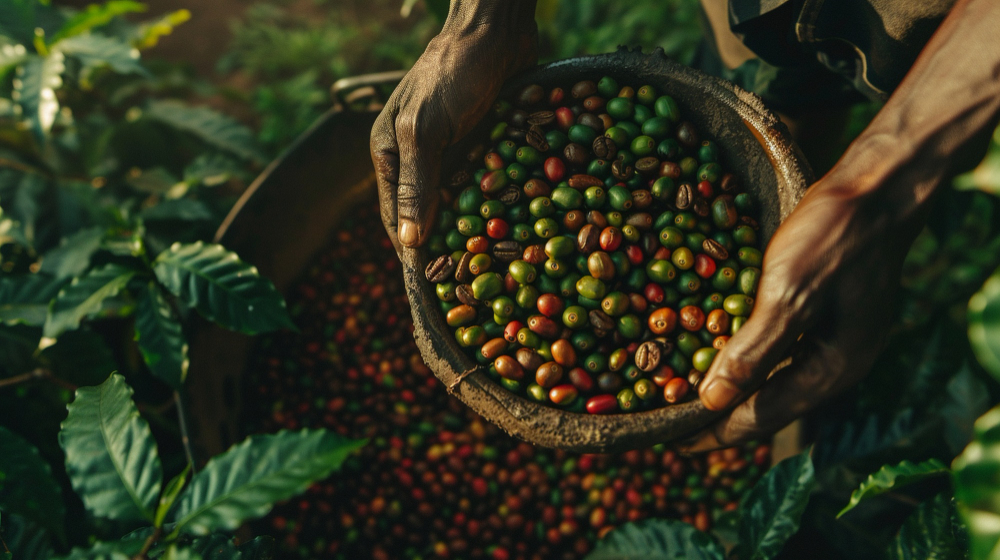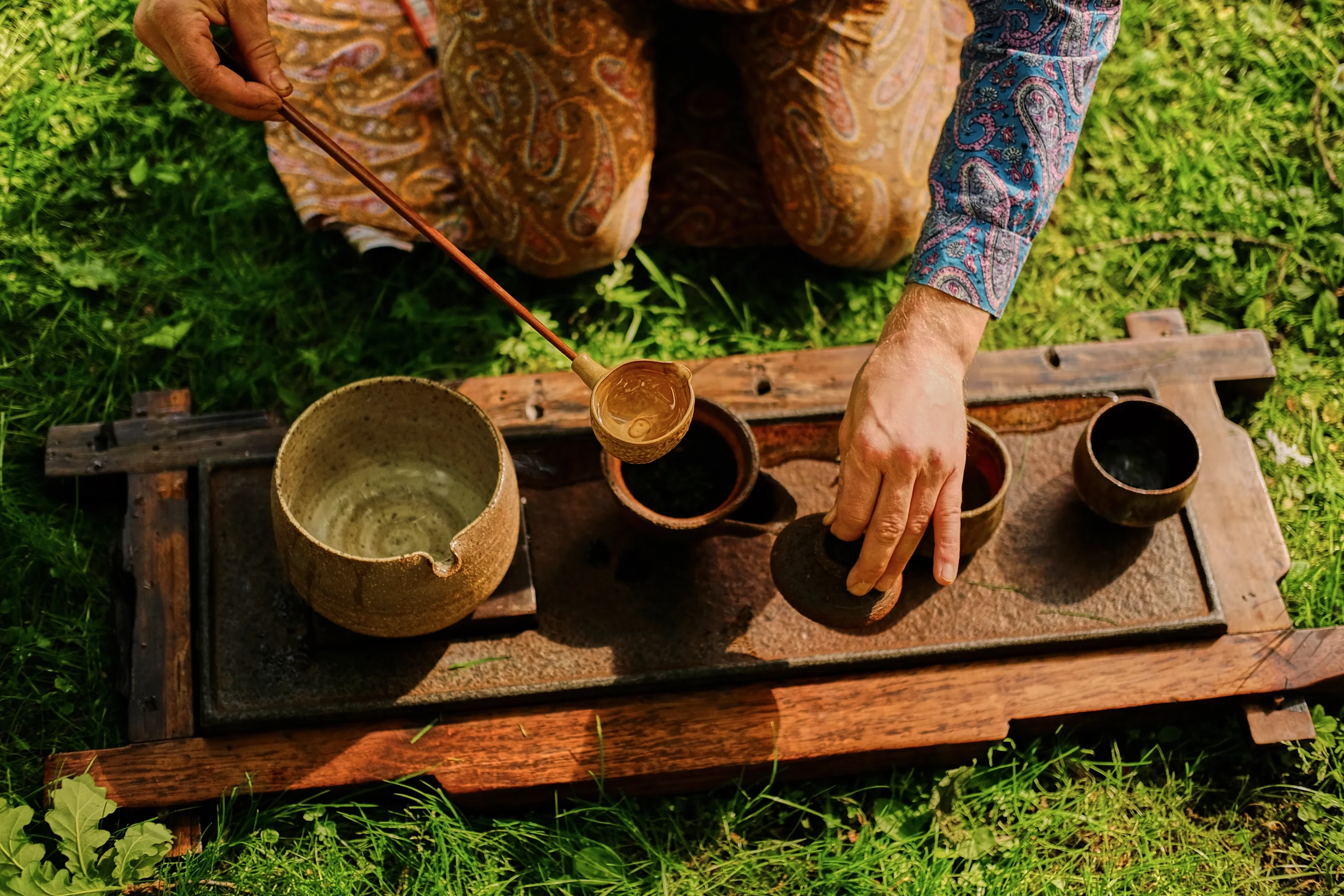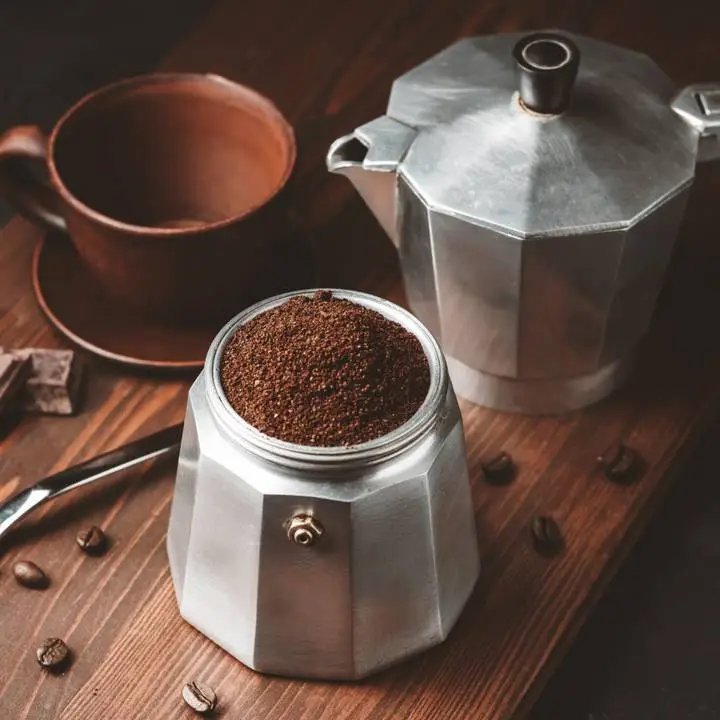
Did you know that the country where coffee is grown can have a major impact on its flavour, quality, and market value? Among the many coffee varieties cultivated worldwide, Arabica and Robusta are the two most traded and widely consumed types. Each offers unique characteristics that appeal to different buyers, roasters, and coffee drinkers.
A comparison of Arabica vs Robusta coffee reveals important differences in taste, caffeine content, growing conditions, and commercial value. In this article, we explore the leading Arabica and Robusta-producing countries and examine how origin influences coffee quality and global demand.
What Is Arabica Coffee?
Arabica coffee comes from the Coffea arabica plant and is the most popular coffee variety in the world. It is known for its smooth, balanced flavour with fruity, floral, and sweet notes. Arabica grows best at higher elevations with cooler temperatures, which helps develop its complex taste profile.
Many buyers consider Arabica a premium coffee because of its quality and refined flavour. This is one reason why coffee enthusiasts and businesses often search for the best Arabica coffee in the world when sourcing speciality coffee.
What Is Robusta Coffee?
Robusta coffee comes from the Coffea canephora plant and is known for its strong, bold flavour and higher caffeine content. Its taste is often more earthy and bitter than Arabica, making it a popular choice for espresso blends and instant coffee.
Robusta grows well at lower altitudes in warm tropical climates and is more resistant to pests and diseases. These characteristics make it a reliable and widely cultivated coffee variety in many producing countries.
How Arabica and Robusta Coffee Differ
Arabica and Robusta each have unique qualities that affect flavour, cultivation, and commercial value. A closer look at their differences reveals why both varieties continue to play important roles in the global coffee industry.
- Arabica is known for its smooth, sweet, and complex flavour with fruity and floral notes, while Robusta offers a stronger, bolder taste that is often earthy and bitter.
- One of the biggest differences in Arabica vs Robusta coffee is caffeine content. Robusta contains significantly more caffeine than Arabica, contributing to its stronger flavour and natural resistance to pests.
- Arabica thrives in cooler climates and at higher elevations, whereas Robusta grows well in warmer regions at lower altitudes.
- Robusta plants typically produce higher yields and are more resistant to pests and diseases, while Arabica requires more careful cultivation.
- Arabica generally commands higher prices due to its premium quality and popularity in specialty coffee markets, whereas Robusta remains widely used in espresso blends and instant coffee production.
Top Arabica-Producing Countries
Arabica coffee is cultivated in several regions around the world, with each producing country offering distinct flavour characteristics and growing conditions. From the chocolatey profiles of Brazil to the floral and fruity notes of Ethiopia, these origins play a significant role in shaping the global speciality coffee market.
- Brazil: Brazil is the world’s largest Arabica producer and is known for coffees with nutty, chocolatey, and low-acidity flavour profiles. Its large-scale production makes it a major supplier to global markets.
- Colombia: Colombian Arabica is valued for its balanced acidity, sweetness, and smooth body. The country’s mountainous terrain provides ideal conditions for high-quality coffee cultivation.
- Ethiopia: As the birthplace of Arabica coffee, Ethiopia is renowned for producing distinctive speciality coffees with floral, fruity, and complex flavour notes. Many coffee experts associate Ethiopian origins with some of the Best Arabica coffee in the world.
- Honduras: Honduras has become an important Arabica producer, offering coffees with sweet, fruity, and chocolate-like characteristics. The country is increasingly recognised in the speciality coffee sector.
- Guatemala: Guatemalan Arabica is known for its rich body, bright acidity, and complex flavour profiles. Volcanic soils and high elevations contribute to its quality.
- Kenya: Kenyan coffee is celebrated for its vibrant acidity and bold fruit-forward flavours. Its distinctive taste makes it highly sought after in speciality coffee markets.
- India: India produces Arabica coffee with mild acidity, smooth body, and subtle spice notes. The country’s shade-grown coffee practices contribute to its unique character.
Why Ethiopia Is the Birthplace of Arabica Coffee
Ethiopia is widely recognized as the birthplace of Arabica coffee, with a coffee-growing history that dates back centuries. According to tradition, coffee was first discovered in the Ethiopian highlands, making the country an important part of coffee’s global story.
The country is home to a remarkable diversity of native Arabica varieties, many of which are found nowhere else in the world. This rich genetic diversity contributes to the unique flavour profiles that Ethiopian coffees are known for today.
Ethiopian Arabica is highly valued in speciality coffee markets for its distinctive floral, fruity, and complex characteristics. Combined with favourable growing conditions and traditional cultivation practices, these qualities have helped establish Ethiopia as one of the world’s most respected sources of premium Arabica coffee.
Famous Ethiopian Coffee Regions
Ethiopia is home to several renowned coffee-growing regions that produce distinctive Arabica coffees sought after by specialty buyers worldwide.
- Yirgacheffe coffees are known for their bright acidity, floral aromas, citrus notes, and clean finish.
- Sidamo coffees offer fruity sweetness, balanced acidity, and flavours that may include berries, citrus, and chocolate.
- Guji coffees are recognised for their floral fragrance, tropical fruit notes, smooth body, and complex flavour profile.
These regions are highly regarded for their exceptional quality, traceability, and unique characteristics, making them popular choices in the speciality coffee market.
Top Robusta Producing Countries
Robusta coffee is primarily grown in warm, humid, and low-altitude tropical regions where the plants can thrive. Its high yield, resilience, and strong flavour profile make it an essential coffee variety for commercial blends, espresso, and instant coffee production.
- Vietnam: Vietnam is the world’s largest Robusta producer and a major supplier to the global coffee industry. Its large-scale production supports both instant coffee manufacturers and commercial roasters.
- Brazil: In addition to being a leading Arabica producer, Brazil cultivates significant volumes of Robusta. The country’s coffee sector plays an important role in meeting global demand for both varieties.
- Indonesia: Indonesian Robusta is known for its full body, earthy characteristics, and bold flavour. The country’s tropical climate provides favourable conditions for cultivation.
- India: India produces Robusta alongside Arabica, with much of its cultivation concentrated in the southern coffee-growing regions. Indian Robusta is widely used in blends and espresso-based products.
- Uganda: Uganda is one of Africa’s leading Robusta producers and has a long history of cultivating the variety. Its coffee exports contribute significantly to international commercial coffee markets.
What Defines the Best Arabica Coffee in the World?
The quality of Arabica coffee depends on several factors, including where it is grown, how it is processed, and how it is sourced. While preferences may vary, the best Arabica coffees often share certain characteristics that contribute to exceptional flavour and consistency.
- High altitude and cool climates help coffee cherries mature slowly, resulting in greater flavour complexity and balanced acidity.
- Nutrient-rich soils, particularly volcanic soils, contribute to distinctive flavour profiles and overall bean quality.
- Careful processing methods and strict quality control help preserve the unique characteristics of the coffee.
- Traceability and sustainable sourcing provide transparency while supporting consistent quality and responsible production practices.
- Countries such as Ethiopia, Colombia, and Brazil are widely recognised for producing premium Arabica coffee. Ethiopia is known for floral and fruit-forward flavours, Colombia for balanced sweetness and acidity, and Brazil for smooth, chocolatey profiles.
Choosing Between Arabica and Robusta for Your Business
The choice between Arabica and Robusta depends on your target market and product requirements. When comparing Arabica vs Robusta coffee, factors such as flavour, quality expectations, pricing, and intended use should all be considered. Arabica is often preferred for speciality coffee and premium products because of its smooth taste and complex aroma.
Robusta is commonly used in espresso blends and instant coffee due to its strong flavour, higher caffeine content, and affordability. Before sourcing coffee internationally, buyers should evaluate origin, quality standards, consistency, availability, and market demand to ensure they select the right coffee for their business needs.
Sourcing Premium Arabica from Ethiopia
An Ethiopian coffee exporter plays an important role in connecting global buyers with high-quality Arabica coffee from some of the country’s most renowned growing regions. By sourcing coffee directly from specific origins, exporters help ensure consistent quality, traceability, and access to distinctive flavor profiles that are highly valued in international markets.
The demand for Ethiopian speciality coffee continues to grow as roasters and consumers seek unique, origin-specific coffees. With its rich coffee heritage, diverse Arabica varieties, and well-established quality standards, Ethiopia remains a preferred sourcing destination for buyers looking for premium coffee products.
Conclusion
Arabica and Robusta each offer unique qualities, from flavour and caffeine content to growing conditions and market applications. Understanding these differences helps buyers choose the right coffee for their business and customer preferences.
Coffee origin is equally important, as it influences quality, taste, and value. Ethiopia remains a leading source of premium Arabica coffee, and selecting the right producing country can have a significant impact on product quality, pricing, and market appeal.