
Ethiopian coffee has gained recognition among speciality coffee enthusiasts for its distinctive flavour profiles, diverse growing regions and traditional cultivation practices. For coffee shop owners looking to expand their offerings, Ethiopian coffee beans wholesale presents an opportunity to introduce customers to unique single-origin varieties while developing a more distinctive coffee menu.
However, finding reliable Ethiopian coffee suppliers involves more than comparing prices. Knowledge of coffee origins, processing methods, bean quality and sourcing relationships helps café owners make informed purchasing decisions. Direct sourcing also creates opportunities to establish closer connections with producers and exporters while gaining greater visibility into where their coffee comes from.
Why Should Coffee Shops Source Ethiopian Coffee Directly?
Directly sourcing Ethiopian coffee gives coffee shops greater involvement in selecting the beans they serve and the suppliers they work with. Instead of relying entirely on multiple distribution channels, café owners can build connections with Ethiopian producers, cooperatives and exporters. This approach offers several advantages:
- Access to distinctive single-origin coffee from regions such as Yirgacheffe, Sidama and Guji, each offering different flavour characteristics and processing styles.
- Better origin transparency and traceability, with clearer information about where the coffee was grown, how it was processed and which producers or cooperatives were involved.
- Opportunities to establish stronger relationships with producers and exporters through direct communication about bean preferences, quality expectations, harvest availability and future orders.
- Greater control over bean selection and purchasing by comparing different grades, processing methods, flavour profiles and order quantities before committing to wholesale purchases.
- Potentially fewer intermediary costs by working directly with exporters or cooperatives, although actual savings depend on order volume, freight charges, import duties and supplier pricing.
How to Find Reliable Ethiopian Coffee Suppliers and Choose the Right Origins
Ethiopia has several recognized coffee-growing regions, each offering distinct flavour profiles. Yirgacheffe is known for floral and citrus notes, Sidama for fruity flavours and balanced acidity, Guji for berry-like characteristics, Harrar for fruity and wine-like notes, and Limu for balanced flavours. Exploring these origins helps coffee shop owners identify beans that suit their menu and customer preferences.
Once they select their preferred origins, cafe owners can approach licensed exporters, coffee cooperatives, producer organisations and washing stations. Check supplier credentials, export experience and product traceability. Request details about harvest periods, processing methods, growing regions and individual coffee lots before placing wholesale orders.
Choosing the Right Ethiopian Coffee Beans for Your Cafe
Selecting the right Ethiopian coffee beans requires considering their varieties, processing methods, quality grades and intended brewing applications. Coffee shop owners should evaluate the following factors before placing wholesale orders:
- Explore Ethiopia’s diverse Arabica heirloom varieties, known for their distinctive flavour characteristics and regional differences.
- Compare washed, natural and honey-processed beans based on their flavour, sweetness, acidity and body.
- Check coffee grades, physical defects, screen sizes and quality standards when evaluating wholesale options.
- Select flavour profiles that complement your café’s brewing preferences, whether espresso, pour-over or filter coffee.
- Decide between green coffee beans, which offer greater control over roasting, and roasted beans, which are convenient for cafés without in-house roasting facilities.
How to Evaluate Coffee Quality Before Wholesale Purchasing
Before purchasing Ethiopian coffee beans wholesale, coffee shop owners should request samples from suppliers to assess their quality. Sample roasting and cupping help evaluate important characteristics such as aroma, acidity, body, sweetness and aftertaste. This allows buyers to compare different origins and processing methods before committing to bulk orders.
Physical quality checks are equally important. Examine moisture content, bean density, colour uniformity and visible defects to assess bean condition. Comparing samples from different batches also helps identify quality variations and determine whether a supplier can maintain consistent standards across repeat orders.
Factors That Influence Ethiopian Coffee Wholesale Prices
The cost of purchasing Ethiopian coffee beans wholesale depends on several factors that coffee shop owners should evaluate before placing an order:
- Check the minimum order quantity (MOQ) required by suppliers and whether larger orders qualify for different pricing.
- Compare wholesale prices based on bean origin, grade, processing method and order volume.
- Consider FOB pricing, international shipping, insurance and port handling charges when calculating the total purchasing cost.
- Review advance payments, balance payments, payment schedules and purchase agreement conditions before confirming an order.
- Consider harvest periods and seasonal availability when planning purchases and scheduling repeat orders.
Shipping and Importing Ethiopian Coffee Beans
Importing Ethiopian coffee requires proper export documentation, freight arrangements and customs clearance. Coffee shop owners should check commercial invoices, packing lists, certificates of origin and applicable import requirements. Working with experienced freight forwarders can help coordinate shipping routes and delivery schedules.
Proper packaging and storage also help preserve bean quality during transportation. Green coffee beans should be protected from moisture and humidity, with suitable storage conditions and inventory management practices maintained after delivery.
Building Long-Term Relationships with Ethiopian Coffee Suppliers
Establishing long-term relationships with Ethiopian coffee suppliers helps coffee shops maintain a reliable source of quality beans. Regular communication about flavour preferences, quality standards, order quantities and delivery expectations creates better coordination between buyers and suppliers.
Coffee shop owners should also plan repeat purchases around harvest seasons, monitor batch consistency and discuss future availability with their sourcing partners. Building dependable supply partnerships can support consistent coffee quality and smoother purchasing decisions as the business grows.
Source Ethiopian Coffee for Your Coffee Shop
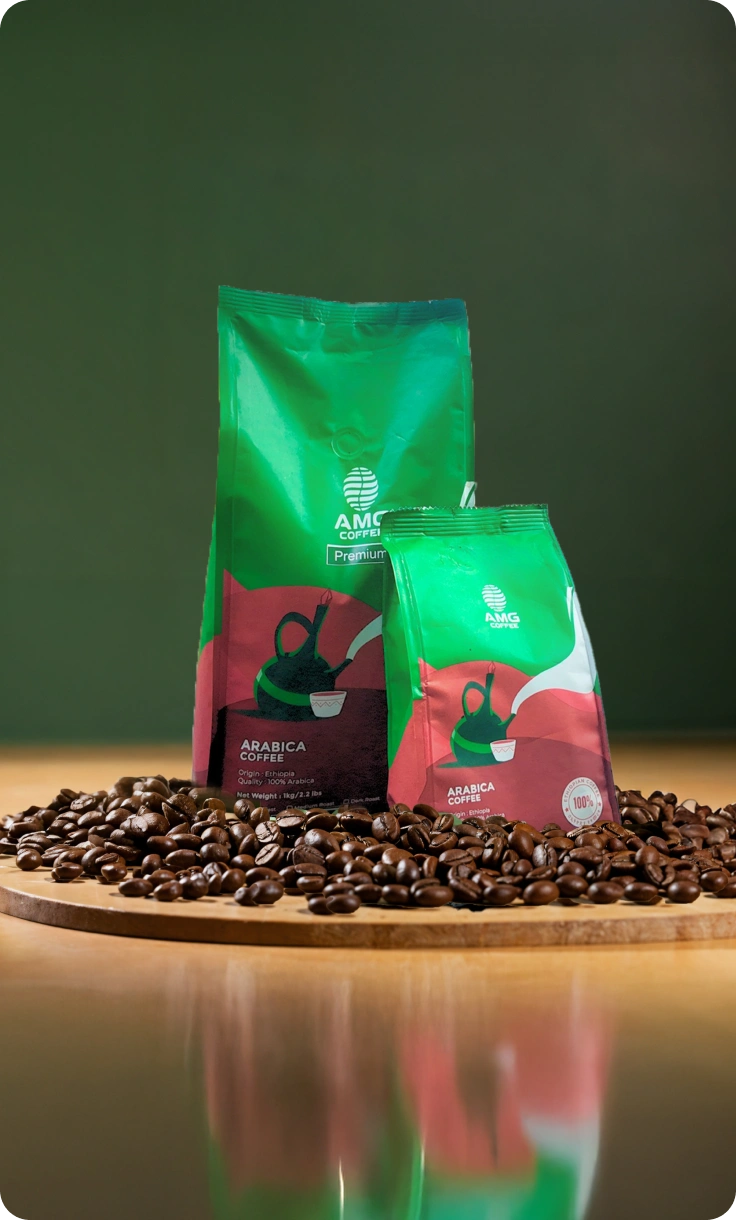
Choosing the right Ethiopian coffee involves evaluating bean quality, verifying suppliers and understanding wholesale purchasing requirements. AMG Coffee Exporters exports coffee, connecting buyers with Ethiopian coffee sourcing opportunities. Coffee shops and roasters can explore suitable Ethiopian coffee beans wholesale options based on their preferred origins, flavour profiles and purchasing needs.
Contact AMG Coffee Exporters to enquire about Ethiopian coffee exports and discuss your coffee shop’s wholesale requirements.