
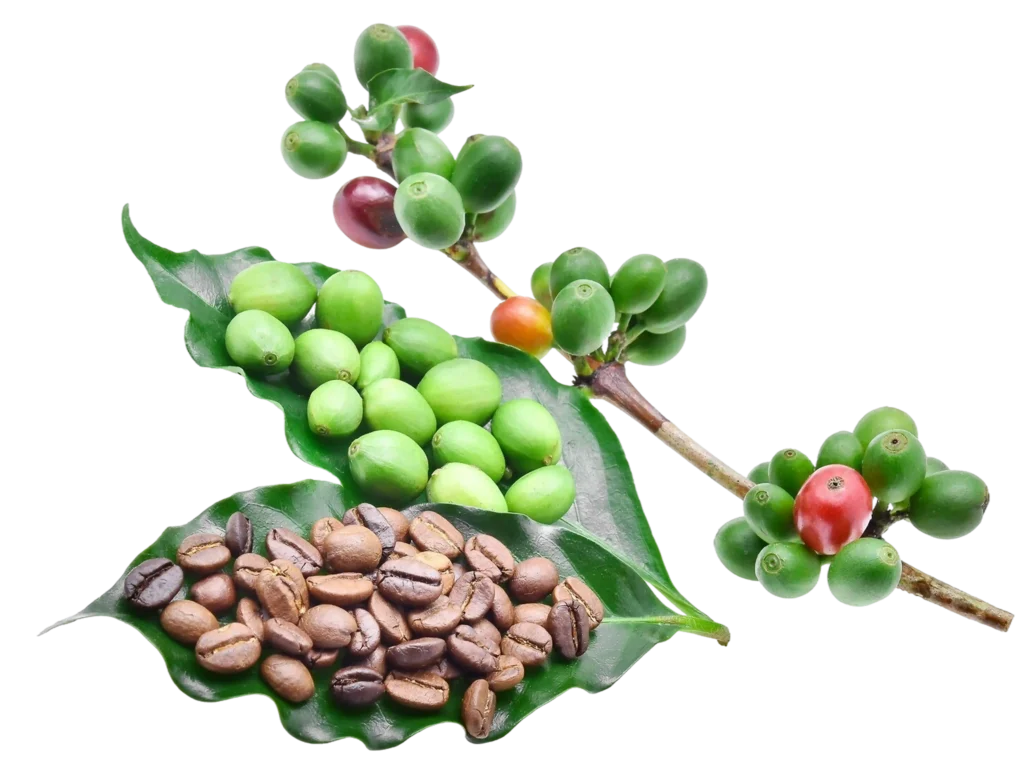
Do you know that one of the important processes in developing the signature flavors of Ethiopian coffee is fermentation? It is the process that transforms harvested coffee cherries into bright, aromatic beans exported globally. From traditional drying methods to advanced anaerobic fermentation, various fermentation practices in Ethiopia demonstrate the country’s cultural and innovative spirit.
The coffee fermentation process determines the flavor of the coffee and is a major part of coffee processing methods. Here, let us explore the methods and regional practices that define the fermentation of coffee cherries in Ethiopia.

What is coffee fermentation?
Coffee fermentation is a major process where the mucilage layer of the coffee beans is broken down by the activity of natural microbes. This step is important in providing the final flavor of the coffee. During this process, bacteria and yeast feed on sugars and pectins, producing acids and other compounds that give specialty Ethiopian coffees their bright acidity, floral aroma, and fruity profiles.
Coffee fermentation techniques in Ethiopia
Dry fermentation
In the dry or natural fermentation method, the coffee cherries are spread on a raised bed and fermented, exposed to sun and air for up to 2 weeks. This method is practiced in regions like Sidamo and Yirgacheffe, which provide intense fruity and floral flavors to the coffee bean. The use of water is minimal in this process, making it an environmentally sustainable practice.
The sun-dried or natural method is the major coffee processing method of Ethiopia. And the advantages of this process are environmental sustainability, low processing cost, and development of a deep fruity flavor. The natural fermentation process is long and lasts up to 2 weeks, allowing deeper microbial activity.
Wet fermentation
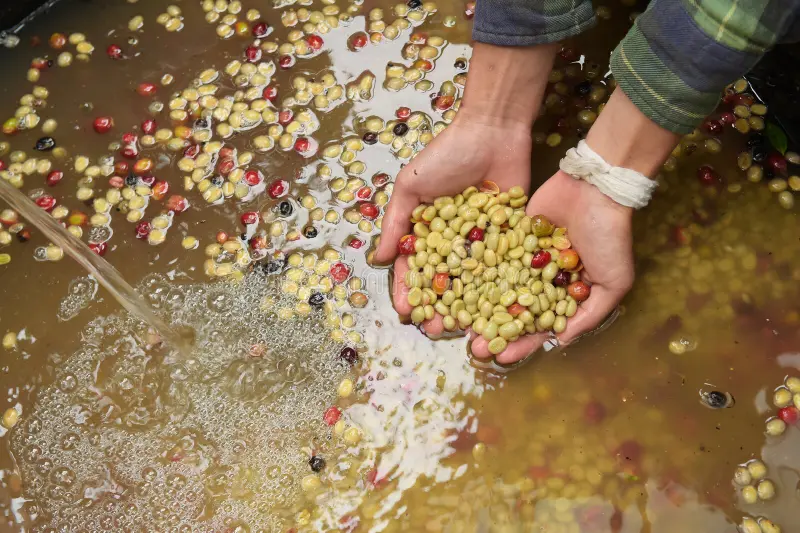
The outer skin and the pulp of the coffee cherries are removed as a first step in the wet or washed fermentation process. Then, the coffee beans with the mucilage layer are placed in the water tanks for fermentation.
The microbes ferment the mucilage layer around the coffee bean for about 24-72 hours, and the pH drops from 5.5-6.0 to 3.5-4.0. When the fermentation process is completed, the coffee beans are washed and dried under the sun. Such wet or washed fermented coffee beans have bright floral and citrus flavors.
Anaerobic fermentation
The anaerobic fermentation process involves fermenting coffee cherries in sealed tanks without oxygen. This method controls the flavor development as it provides sweetness and fruity notes to the beans.
Why does fermentation matter?
When the coffee bean fermentation process starts, the starting pH will be 5.5-6.0. However, during the fermentation process, the pH drops to 3.5-4.0 as acids are produced as a result of the proper breaking down of the mucilage, providing a unique flavor to the coffee.
The optimal temperature of fermentation is 25-30°C, ensuring the microbes, such as lactic acid bacteria and yeast, flourish. However, excessive fermentation or letting the pH drop quickly results in over-acidity and won’t provide the desired flavor.
The main purpose of the fermentation process in all the methods is to remove the mucilage layer covering the coffee beans, rich in polysaccharides, to enhance the flavor controlled by microbial actions.
The way coffee fermentation is carried out will affect the flavor and aroma of the coffee bean. If fermented properly, the coffee bean provides vibrant floral, citrussy, and fruity notes. Furthermore, controlled fermentation practices result in providing coffee beans with uniform quality, which is essential for premium speciality coffees.
Challenges in the fermentation process
Even though fermentation is an important process in coffee processing methods, it comes with its challenges:
- Overfermentation will not give the desired flavor and aroma to the coffee bean.
- Underfermentation can leave mucilage on the beans, which leads to issues in coffee processing.
- Factors such as weather, water availability, and temperature changes make the fermentation process difficult for the smallholder farmers.
Why does Ethiopian coffee fermentation stand out?
In Ethiopia, the common practice involves coffee farmers handpicking ripe, red coffee cherries. Then, during the wet processing, the cherries are pulped, where the skin is removed, and the beans are placed in water. The mucilage breaks down in water tanks in wet fermentation and on raised beds in dry fermentation.
In the washing method after fermentation, beans are washed to fully remove the mucilage, and in the drying method, the beans are dried on raised African beds for 10 to 20 days. Uniform drying is important to avoid defects and to preserve flavors.
Ethiopia’s rich biodiversity results in unique fermentation and provides particular flavors to the coffee beans. Moreover, the traditional knowledge and practices of coffee fermentation also make the fermentation process in Ethiopia different. Since the dry or natural fermentation method uses little water, it is a sustainable practice.
Conclusion
The Ethiopian coffee fermentation process involves traditional methods practiced for centuries in the nation. Understanding the pH, microbial action of coffee beans during the process, and the time duration required for fermentation helps you to appreciate the coffee even more. It also highlights why beans from coffee exporters in Ethiopia are in demand all over the world.