The Ethiopian coffee harvest season plays a major role in the flavor, freshness, and export availability of some of the world’s most respected specialty coffees. Harvest timing changes across Ethiopia due to altitude, climate, rainfall, and regional growing conditions. These seasonal shifts directly influence sweetness, acidity, floral notes, and export schedules for global buyers and roasters. Read on to explore Ethiopia’s coffee harvest calendar, regional timelines, and fresh crop availability in detail.
What Are the Main Coffee Harvest Seasons in Ethiopia
The Ethiopian coffee harvest season usually begins in October and continues until February. Harvest timing changes between regions due to altitude, climate, and cherry ripening speed, creating different fresh crop and export schedules throughout the year.
Main Harvest Period: October to February
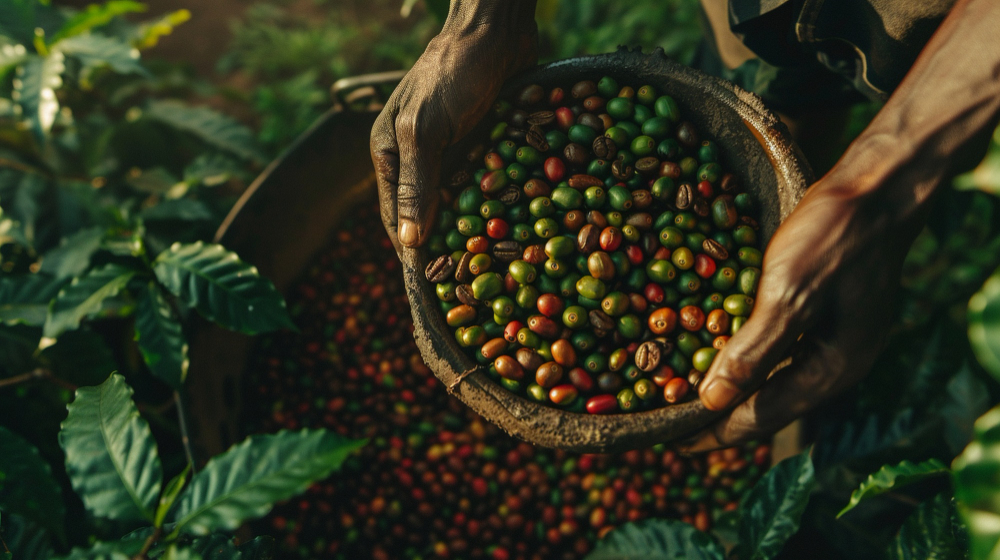
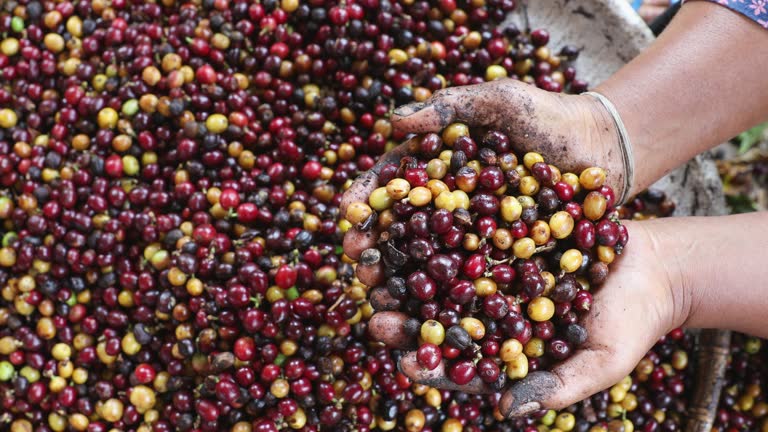
Coffee harvesting across Ethiopia mainly runs from October to February. Farmers hand pick ripe cherries during this period, while washing stations and dry mills begin preparing fresh crop coffees for export and international specialty coffee markets.
Peak Harvesting: November to January
The busiest harvesting period takes place between November and January across major coffee producing areas like Yirgacheffe, Guji, Sidama, and Limu. Processing stations operate at maximum capacity as large volumes of fresh cherries arrive daily.
Early Harvest, October and November
Early harvesting starts in lower altitude farms and western Ethiopian coffee regions during October and November. Warmer climates allow cherries to mature faster, helping some coffees enter processing and export preparation earlier than high elevation regions.
Late Harvest, January and February
Late harvesting continues into January and February in cooler high altitude coffee farms. Slow cherry maturation at higher elevations helps develop complex sweetness, bright acidity, floral aromas, and refined specialty coffee flavor profiles.
What Affects Coffee Harvesting Timelines in Ethiopia
Several environmental and agricultural factors influence the Ethiopian coffee harvest season. Climate shifts, altitude, rainfall, and cherry development speed all affect when coffee cherries fully ripen across different growing regions.
- Altitude: Higher altitude farms experience slower cherry maturation due to cooler temperatures, while lower altitude farms often begin harvesting earlier because cherries ripen faster in warmer growing conditions.
- Rainfall Patterns: Seasonal rainfall directly affects flowering, cherry growth, and harvest timing. Delayed or inconsistent rains can shift harvesting schedules across several Ethiopian coffee producing regions.
- Flowering Cycles: Coffee flowering periods determine when cherries mature for picking. Earlier flowering often leads to earlier harvesting, while delayed flowering extends coffee harvesting schedules.
- Temperature: Warmer temperatures speed up coffee cherry ripening, while cooler mountain climates slow development and extend harvest periods in high elevation specialty coffee farms.
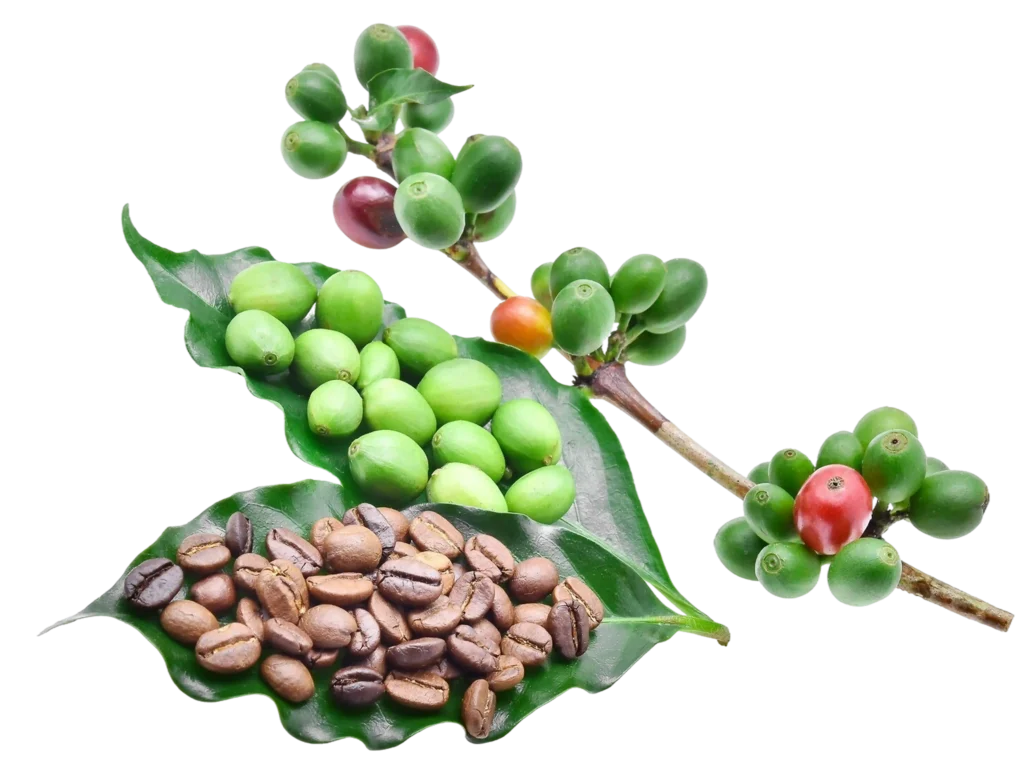
- Cherry Ripening Speed: Coffee cherries ripen at different speeds depending on sunlight exposure, farm elevation, rainfall, and soil conditions, creating regional variations in harvest schedules.
- Regional Climate Differences: Ethiopia’s diverse microclimates create major harvest differences between regions. Some areas experience earlier harvests, while cooler and wetter regions continue harvesting later into February.
Ethiopian Coffee Harvest Seasons by Region
Harvest timing differs across Ethiopian coffee regions because of altitude, rainfall, climate, and cherry maturation speed. Each region follows a slightly different harvesting calendar and develops unique specialty coffee flavor characteristics.
Yirgacheffe Harvest Season
Yirgacheffe coffee is mainly harvested between October and January, with higher elevation farms often harvesting later into January. Slow ripening at 1,700 to 2,200 meters helps create floral aromas, tea like body, lemon brightness, and delicate specialty coffee profiles.
Sidama Harvest Season
Sidama coffee harvesting usually begins between September and November and continues into December in cooler highland areas. The region’s elevated growing conditions support slower cherry maturation, producing coffees known for citrus acidity, sweetness, clean cup clarity, and balanced flavor profiles.
Guji Harvest Season
Guji coffee is generally harvested from November to January, while some higher altitude farms continue harvesting later into February. Extended cherry development creates fruit forward coffees with berry sweetness, floral complexity, and vibrant specialty coffee characteristics highly valued by roasters.
Djimma and Limu Harvest Season
Djimma and Limu coffees often begin harvesting earlier, usually from October through December, because many farms sit at lower elevations with warmer climates. Earlier cherry ripening supports faster processing schedules and earlier export readiness for international coffee buyers.
Oromia Coffee Harvest Timeline
Oromia’s coffee harvesting season usually runs from October to February, although timelines vary widely across its large coffee growing zones. Different microclimates and elevations create staggered harvest periods, influencing coffee processing speed, export timing, and regional flavor diversity.
Peak Ethiopian Coffee Harvest Season
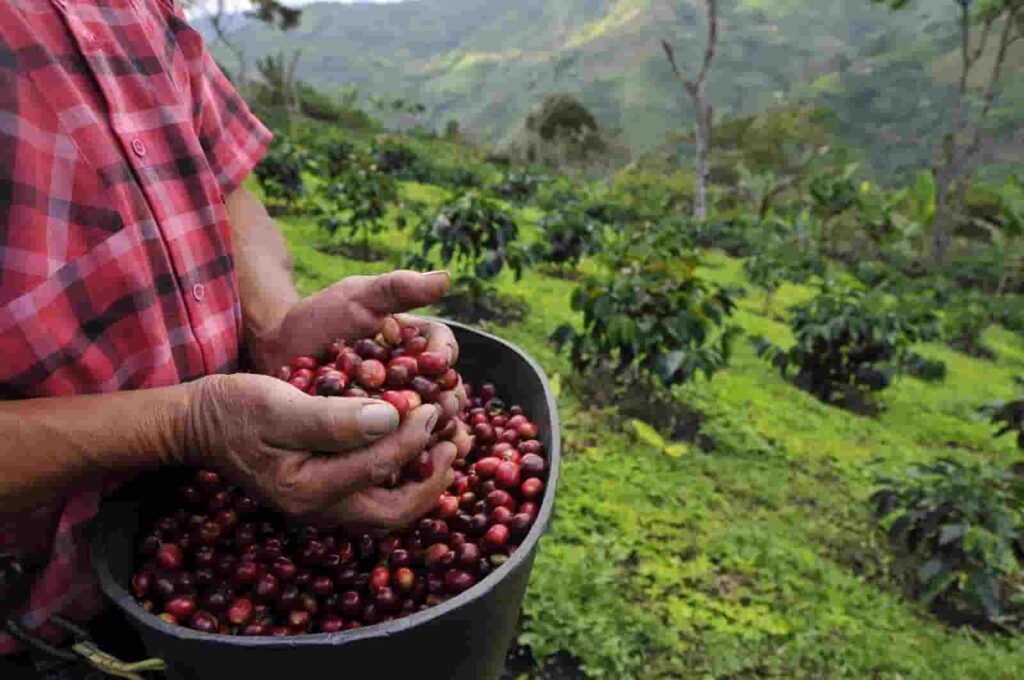
The peak Ethiopian coffee harvest season takes place between November and January, when harvesting activity reaches its highest level across major coffee producing regions. During this period, washing stations receive large volumes of fresh cherries every day, and coffee processing operates continuously. Specialty coffee buyers and importers closely monitor this season because it delivers the freshest crop availability and the widest selection of premium Ethiopian coffee lots for sourcing and export preparation.
Coffee Harvest Season and Bean Quality
Harvest timing strongly affects Ethiopian coffee quality, flavor development, and cup consistency. Slow cherry ripening, altitude, freshness, and processing methods all contribute to the final specialty coffee profile.
Slow Ripening and Sweetness: Longer cherry maturation allows sugars to develop gradually, creating sweeter coffee profiles with deeper flavor complexity and improved balance during roasting and brewing.
Altitude and Acidity: High altitude coffee farms often produce brighter acidity and cleaner flavor clarity because cooler temperatures slow cherry development and extend maturation periods.
Harvest Freshness: Freshly harvested Ethiopian coffees usually deliver more vibrant aromas, brighter flavors, and stronger specialty coffee characteristics compared to older stored green coffee lots.
Flavor Clarity: Proper harvesting and careful cherry selection help improve flavor separation, cup cleanliness, sweetness, and consistency in both washed and natural Ethiopian coffees.
Floral Notes: Late harvested high altitude coffees often develop delicate floral aromas, jasmine characteristics, and tea like qualities highly valued in specialty coffee sourcing.
Fruit Intensity: Slow cherry development increases fruit complexity in many Ethiopian coffees, especially natural processed lots known for berry, citrus, and tropical fruit notes.
Washed vs Natural Profiles: Washed coffees generally highlight acidity and clean flavors, while natural coffees often deliver heavier fruit sweetness, fuller body, and stronger fermentation characteristics.
Ethiopian Coffee Processing and Export Timeline
After harvesting, Ethiopian coffees move through several processing stages before export preparation begins. Washed coffees usually undergo pulping, fermentation, washing, and drying on raised beds for several weeks. Natural coffees remain sun dried with the fruit intact, often requiring longer drying periods before moisture stabilization and grading.
Once drying and stabilization are completed, green coffees are transported to dry mills for hulling, sorting, grading, and bagging. Export preparation usually begins between January and March, while international shipments increase between March and August depending on processing style, harvest timing, and buyer demand for fresh crop Ethiopian coffees.
Fresh Crop Ethiopian Coffee Availability in Ethiopia
Fresh crop Ethiopian coffees usually begin reaching international importers and specialty roasters between February and June. Roasters often plan buying schedules around these arrival periods to secure brighter, fresher, and more vibrant coffee profiles. Seasonal availability changes throughout the year depending on harvest timing, processing speed, export preparation, and shipping schedules from different Ethiopian coffee regions. Specialty coffee buyers closely track fresh crop arrivals to source high quality lots with strong acidity, floral aromas, and fruit driven flavor profiles.
Best Time to Import Coffee From Ethiopia
The best time to import Ethiopian coffee is usually between March and June, when freshly harvested coffees begin arriving in larger export volumes. This period offers buyers access to newly processed lots from regions like Yirgacheffe, Sidama, and Guji. Importers and specialty roasters often secure contracts during this season to access fresher coffees with brighter acidity, floral complexity, and stable pricing before premium lots become limited in global specialty coffee markets.
Choosing the Right Ethiopian Coffee Harvest Window
The Ethiopian coffee harvest season directly influences freshness, flavor quality, export timing, and specialty coffee availability throughout the global market. Buyers, roasters, cafes, and importers who follow seasonal harvest patterns can secure fresher coffees with stronger floral notes, sweetness, and acidity. Working with experienced bulk coffee suppliers in Ethiopia helps businesses access properly processed fresh crop coffees during peak sourcing windows while maintaining consistent quality and reliable export preparation schedules.