Coffee farmers grow the beans that power one of the most traded beverages in the world, yet many farmers still face unstable income and limited resources. NGOs play an important role in improving farming practices, strengthening supply chains, and helping farmers reach global markets. Their programs support better production, fair trade access, and community development. Read on to know how NGOs support coffee farmers and connect them with global coffee markets.
Why Coffee Farmers Need Support in the Global Coffee Market
Coffee farming supports millions of rural families, especially in countries like Ethiopia. However, small scale farmers often face many challenges that affect their income and long term stability. Market fluctuations, environmental risks, and limited access to modern farming resources make it difficult for many farmers to compete in the global coffee industry.
Coffee farmers are usually smallholders who manage small plots of land and rely heavily on seasonal harvests. Because of this, their income can change significantly depending on market demand and weather conditions. Even when the quality of beans is high, farmers may not always receive fair prices due to weak bargaining power in the supply chain.
Several challenges make support essential for these farming communities.
• Global coffee prices change frequently and can reduce farmer income
• Climate change affects rainfall patterns and crop productivity
• Plant diseases such as coffee leaf rust damage coffee plants
• Limited access to farming equipment and fertilizers reduces yield
• Smallholder farmers often lack financial support and training
These issues highlight why assistance programs from development organizations and NGOs are important. Support programs help coffee farmers improve production quality, increase resilience to environmental challenges, and strengthen their position in the global coffee supply chain.
Role of NGOs in Supporting Coffee Farmers
Non governmental organizations play an important role in strengthening agricultural systems in coffee producing regions. Their programs focus on improving farm productivity, supporting sustainable practices, and connecting farmers with international markets.
Many NGOs work closely with farmer cooperatives and local agricultural experts to ensure training and support programs reach smallholder coffee farmers effectively.
Agricultural Training and Farming Education
Education and training programs are one of the most important ways NGOs support coffee farmers. By providing knowledge and practical skills, these programs help farmers increase yield while maintaining quality.
Coffee cultivation requires careful management of soil, plants, and harvesting methods. Many farmers traditionally rely on inherited farming practices, which may not always match modern agricultural recommendations.
Training programs organized by NGOs focus on practical techniques that improve productivity.
- Farmers learn proper pruning techniques that help coffee trees grow stronger and produce better cherries.
- Soil management training teaches farmers how to maintain soil nutrients and prevent erosion.
- Pest control programs help farmers identify plant diseases early and protect their crops.
- Climate resilient farming methods help farmers adapt to changing weather conditions.
These training initiatives improve both the quantity and quality of coffee produced by farming communities.
Access to Financing and Farming Resources
Access to financial resources is another major challenge faced by coffee farmers. Many farmers do not have access to formal banking systems, which limits their ability to invest in better farming tools or equipment.
NGOs often create programs that provide financial assistance and essential resources to farming communities.
• Microfinance initiatives provide small loans for farming investments
• Farmers receive improved seedlings that produce higher quality coffee
• Agricultural tools and irrigation equipment improve efficiency
• Cooperative support programs help farmers share resources and reduce costs
These programs make it easier for coffee farmers to expand production and adopt better farming techniques.
Connecting Farmers to Global Buyers
One of the most important roles of NGOs is helping farmers reach international markets. Without proper connections, many farmers must sell their harvest to local intermediaries at lower prices.
Through partnerships with Ethiopian coffee exporters, NGOs help farmers participate in global coffee trade networks. These partnerships often improve transparency and ensure that farmers receive fair value for their crops.
Many programs focus on strengthening farmer cooperatives and improving supply chain transparency. When farmers are organized into cooperatives, they gain stronger negotiating power and better access to buyers.
NGOs Supporting Coffee Farmers in Ethiopia
Ethiopia is one of the most important coffee producing countries in the world. Coffee is deeply connected to the country’s culture and economy. Millions of smallholder coffee farmers depend on coffee production for their livelihood.
NGOs working in Ethiopia focus on improving both productivity and quality within farming communities. Their programs support farmers from cultivation to export readiness.
Several initiatives help Ethiopian coffee farmers improve production.
• Training farmers in selective harvesting to improve bean quality
• Supporting cooperative development to strengthen market access
• Providing certification guidance for specialty coffee markets
• Introducing improved processing techniques for better export value
NGOs also collaborate with Ethiopian coffee exporters to improve traceability in the supply chain. This helps ensure that coffee beans reaching international buyers meet quality standards and sustainability expectations.
Coffee growing regions such as Sidamo, Yirgacheffe, and Djimma benefit from these development programs. Farmers in these regions often gain better access to training and global buyers through NGO partnerships.
How NGO Programs Improve Coffee Quality and Farmer Income
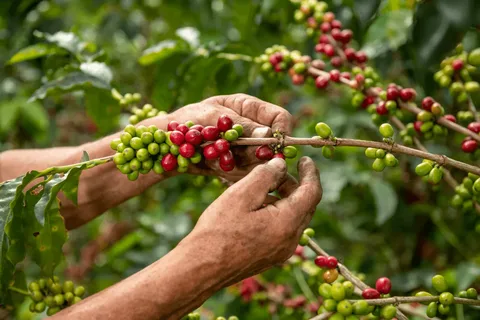
NGO initiatives are not limited to training or funding. Many programs also focus on improving coffee quality and increasing income opportunities for farmers.
Quality improvement begins at the farm level. Harvesting methods, post harvest processing, and storage conditions all influence the final quality of coffee beans.
NGO supported programs introduce better practices across these stages.
- Selective harvesting ensures only ripe cherries are picked for processing.
- Improved washing stations help farmers process beans more efficiently.
- Drying techniques reduce moisture damage and maintain bean quality.
- Training programs help farmers understand grading standards used in export markets.
When quality improves, farmers can sell their coffee at higher prices. This creates better income opportunities and encourages farmers to continue investing in quality focused production.
In many regions, farmers who participate in NGO supported programs also gain access to specialty coffee markets. These markets often offer higher premiums for high quality beans.
Partnerships Between NGOs and Ethiopian Coffee Exporters
Partnerships between development organizations and exporters play an important role in strengthening the coffee supply chain. NGOs often collaborate with Ethiopian coffee exporters to improve traceability, quality control, and sustainability programs.
These partnerships create mutual benefits for farmers and exporters. Exporters receive better quality coffee, while farmers gain reliable buyers and improved income opportunities.
Key outcomes of these collaborations include
• Transparent supply chains that allow buyers to trace coffee to specific farms
• Sustainable sourcing programs that promote environmentally responsible farming
• Quality improvement initiatives that raise export standards
• Training programs that align farming practices with international market requirements
By working together, NGOs and exporters help create a more stable and sustainable coffee industry.
Challenges NGOs Face While Supporting Coffee Farmers
While NGO programs have significant benefits, they also face several operational challenges. Agricultural development programs require long term commitment and resources, which can be difficult to maintain in rural areas.
NGOs must also adapt to complex economic and environmental conditions that affect coffee farming.
Some of the main challenges include
- Limited funding for large scale agricultural programs
- Infrastructure gaps in remote farming regions
- Unpredictable weather patterns that affect crop production
- Market volatility that influences coffee prices
Despite these challenges, NGOs continue to play an essential role in supporting coffee farmers and strengthening agricultural systems.
Future of NGO Support for Coffee Farmers
The future of coffee farming will depend on innovation, sustainability, and strong partnerships. NGOs are increasingly using technology and data driven strategies to support farming communities more effectively.
Digital agriculture tools are becoming more common in development programs. These tools help farmers track weather patterns, monitor crop health, and improve farm management decisions.
Several trends are shaping the future of NGO support for coffee farmers.
• Climate resilient crop varieties are being introduced to protect harvests
• Digital training platforms help farmers access agricultural education
• Blockchain technology improves supply chain transparency
• Direct trade partnerships connect farmers with international buyers
These initiatives will continue to strengthen the global coffee industry while supporting rural farming communities.
How Do NGOs Help Coffee Farmers Improve Production
NGOs help coffee farmers improve production by introducing better farming methods and providing access to essential resources. Through structured training programs, farmers learn techniques for soil management, pest control, pruning, and proper harvesting. These practices increase crop yield and improve coffee quality. Many NGOs also support cooperative development, enabling farmers to share equipment, access modern processing facilities, and strengthen collective bargaining power, which improves productivity and long term sustainability in coffee farming communities.
Why Do Coffee Farmers Work With NGOs
Coffee farmers work with NGOs because these organizations provide practical support that improves both farming and financial stability. NGOs offer agricultural training, access to improved seedlings, and guidance on sustainable farming practices. They also help farmers connect with international buyers and certification programs. This support increases crop quality and market value, allowing farmers to earn better income while maintaining environmentally responsible farming practices that protect soil health and long term coffee production.
How Do Ethiopian Coffee Exporters Work With NGOs
Ethiopian coffee exporters often collaborate with NGOs to strengthen the coffee supply chain and improve product quality. Exporters support farmer training programs focused on harvesting, processing, and quality control. NGOs also help introduce certification standards that ensure traceability and responsible sourcing. These partnerships allow farmers to produce high quality coffee that meets global market expectations while promoting transparency, fair pricing, and sustainable practices throughout the Ethiopian coffee export sector.
Strengthening Coffee Farming Communities Through NGO Support
NGOs continue to play a vital role in strengthening the global coffee industry by supporting coffee farmers at multiple levels. Their programs provide training, financial support, and market access that improve production and farmer income.By working alongside cooperatives, development organizations, and Ethiopian coffee exporters, NGOs help create a stronger and more sustainable coffee supply chain. These partnerships ensure that coffee farmers receive the knowledge, resources, and opportunities needed to thrive in a competitive global market.
Trusted Ethiopian Coffee Exporter for Global Markets
AMG Coffee is a reliable global coffee exporter based in Ethiopia, sourcing premium beans directly from experienced coffee farmers across renowned growing regions such as Yirgacheffe, Sidamo, and Djimma. The company works closely with farming communities and cooperatives to ensure quality, traceability, and sustainable sourcing. With a strong focus on specialty grade Arabica coffee and responsible export practices, AMG Coffee connects international buyers with authentic Ethiopian coffee known for its rich flavor and distinctive origin character.