Ethiopia is one of the world’s recognised Arabica coffee origins, known for its diverse growing regions, distinctive flavour profiles and traditional coffee cultivation practices. For European importers, working with reliable Ethiopian Coffee Suppliers offers access to different coffee varieties for specialty roasting, wholesale distribution and retail markets.
However, sourcing coffee internationally involves more than selecting beans based on flavour. Buyers must also consider supplier reliability, quality standards, processing methods, traceability and export documentation. Understanding how direct coffee sourcing from Ethiopia works and what to expect from the coffee export from Ethiopia process helps European businesses make informed purchasing decisions and establish dependable supply relationships.
Major Ethiopian Coffee Origins and Growing Regions
Ethiopia has several established coffee-growing regions, each offering distinct characteristics influenced by altitude, climate, soil conditions and processing methods. Understanding these origins helps European importers select coffee that matches their roasting requirements and customer preferences.
Some important Ethiopian coffee origins include:
- Yirgacheffe: Recognised for floral aromas, citrus notes and bright acidity, particularly in washed coffees.
- Sidamo: Produces diverse coffee profiles, often featuring fruity, floral and balanced characteristics.
- Guji: Known for specialty coffee with complex flavours, aromatic qualities and distinctive regional characteristics.
- Harrar: Associated with naturally processed coffee, often displaying fruity and wine-like flavour notes.
- Limu: Produces coffee commonly appreciated for its balanced acidity and smooth flavour.
- Jimma: An important coffee-producing area offering both washed and natural processing options.
- Nekemte: Known for its regional coffee characteristics and traditional production practices.
Washed and Natural Coffee Processing
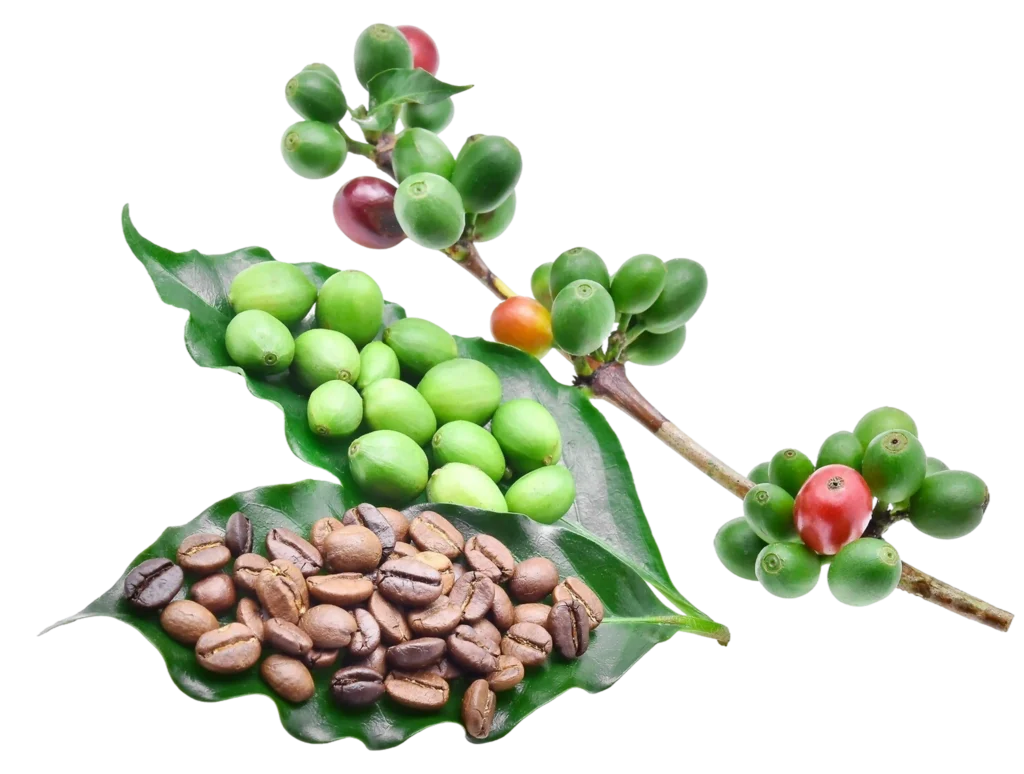
Processing also influences the final cup profile. In washed processing, the outer fruit pulp is removed before the beans are fermented, washed and dried. This method often produces a cleaner cup with clearly expressed acidity. Natural processing involves drying coffee cherries with the fruit intact, which can contribute to fruit-forward flavours and greater perceived sweetness.
These regional and processing differences give importers access to a broad selection of Ethiopian Arabica coffee beans for different market segments.
Why European Importers Source Coffee from Ethiopia
European coffee buyers look to Ethiopia for its distinctive origins, diverse flavour profiles and established position in the speciality coffee market. Its Arabica varieties offer opportunities for roasters and distributors seeking products with identifiable regional characteristics.
Distinctive Flavour Profiles
Ethiopian coffee can offer floral aromas, citrus notes, berry-like flavours and varying levels of acidity. These characteristics differ between growing regions and processing methods. Importers can select single-origin lots or suitable blends depending on their product range and customer preferences.
Opportunities in European Speciality Coffee Markets
Single-origin coffee is an important product category for specialty roasters and premium coffee retailers. Information about the growing region, processing method and harvest can help businesses communicate product identity to customers. Sourcing different Ethiopian origins also allows importers to develop varied coffee selections rather than depending on one flavour profile or supply source.
For European businesses, the combination of regional diversity and specialty coffee potential makes Ethiopian coffee an interesting addition to their sourcing portfolio.
Direct Coffee Sourcing from Ethiopia: What Importers Should Know
Direct coffee sourcing from Ethiopia involves establishing purchasing relationships with exporters and supply networks connected to coffee-producing areas. Depending on the sourcing arrangement, exporters may work with individual farmers, cooperatives, washing stations and partner farms to procure coffee for international buyers.
Understanding the Sourcing Process
Importers do not always purchase directly from individual farmers. Export companies often coordinate procurement, collection, processing, quality assessment and shipment preparation. Understanding these roles helps buyers identify where their coffee comes from and how it moves through the supply chain.
Benefits of Direct Sourcing
A well-organised sourcing relationship can offer several advantages:
- Origin visibility: Buyers can obtain information about the coffee-growing region and available lots.
- Supplier communication: Direct engagement with exporters can make it easier to discuss specifications, samples and order requirements.
- Product selection: Importers can explore different origins, grades and processing methods.
- Supply planning: Established relationships can support repeat orders and discussions about seasonal availability.
- Quality coordination: Buyers can communicate their preferred cup profiles and physical quality requirements before confirming purchases.
Importers should clarify the sourcing arrangement and request relevant origin and lot information before placing bulk orders.
How Coffee Export from Ethiopia Works
The coffee export from Ethiopia process involves several stages, from sourcing raw coffee to preparing shipments for international buyers. Each stage contributes to the quality, consistency and condition of the coffee delivered to its destination.
Stages of Coffee Export
- Coffee sourcing and procurement: Exporters obtain coffee through farmers, cooperatives, washing stations and regional supply networks.
- Processing and cleaning: Coffee undergoes washed or natural processing, followed by cleaning and preparation.
- Grading and quality inspection: Beans are assessed for physical defects, moisture content, size and cup quality.
- Sample approval: Importers can evaluate samples against their preferred specifications before confirming bulk orders.
- Packaging and shipment preparation: Export-ready coffee is packed in suitable materials to protect it during transportation.
- Documentation and customs clearance: Exporters prepare the required commercial, origin and shipment documents.
- International shipping: Coffee is dispatched according to agreed shipping terms and delivery arrangements.
Working with an Experienced Exporter
An established exporter can coordinate these activities and communicate important details about order quantities, coffee specifications, packaging and shipment schedules. European importers should clarify delivery terms, payment arrangements and responsibilities for freight and insurance before confirming an order.
Coffee Quality Standards and Certifications for European Buyers
Coffee quality is an important consideration when selecting suppliers. European importers need products that meet their preferred physical specifications, cup profiles and applicable market requirements.
Coffee Quality and Grading
Before purchasing bulk quantities, buyers should review the following:
- Bean size and defects: Physical inspection helps assess bean uniformity and identify defective or damaged beans.
- Moisture content: Appropriate moisture levels are important for maintaining coffee quality during storage and transportation.
- Cup quality: Cupping evaluations help assess aroma, acidity, body, flavour and aftertaste.
- Processing method: Washed and natural coffees should be evaluated according to their respective quality characteristics.
- Sample evaluation: Pre-shipment or pre-order samples help buyers determine whether a coffee meets their requirements.
Certifications and Quality Documentation
Certifications can provide additional information about a supplier’s quality management and production practices. Depending on the product and sourcing arrangement, buyers may look for:
- ISO 9001 for quality management systems.
- EU Organic certification for eligible organic coffee.
- USDA Organic certification for products intended for the US organic market.
- Rainforest Alliance certification for products covered by the applicable certification programme.
Importers should verify the validity and scope of each certification, including whether it applies to the specific product and supply chain.
EU Import Requirements and Coffee Traceability
European businesses importing coffee from Ethiopia must consider applicable food safety, customs and supply chain requirements. Having the correct documentation helps facilitate import procedures and provides information about the product’s origin.
Essential Export and Import Documents
Depending on the shipment and applicable regulations, buyers may need:
- Commercial invoice containing product and transaction details.
- Packing list specifying packaging and shipment quantities.
- Certificate of origin identifying the country of production.
- Phytosanitary documentation, where applicable.
- Relevant quality, inspection and shipment certificates.
Importers should confirm the exact documentation requirements with their customs broker and relevant authorities before shipment.
Understanding EUDR Requirements
The EU Deforestation Regulation (EUDR) includes coffee among the commodities covered by its requirements. It addresses deforestation-free production, legal compliance in the country of production and supply chain traceability.
For coffee imports, relevant due diligence information can include the geographical location of the plots where the coffee was produced. Importers should discuss traceability data and supporting documentation with their Ethiopian suppliers before confirming orders.
As of November 2026, the EUDR application date for large and medium-sized operators and traders is 30 December 2026, while the date for most micro and small enterprises is 30 June 2027. European buyers should review the latest requirements applicable to their business category and supply chain.
How to Evaluate and Select Reliable Ethiopian Coffee Suppliers
Choosing a suitable supplier requires evaluating more than the quoted price per kilogram. Importers should assess the company’s sourcing arrangements, quality control procedures and ability to meet international shipment requirements.
Consider these factors when comparing Ethiopian coffee suppliers:
- Export registration: Verify the supplier’s registration and relevant Ethiopian export authorisations.
- Coffee origins: Check whether the supplier can provide information about the growing regions and available coffee lots.
- Product samples: Request samples to evaluate flavour, aroma and physical quality before bulk purchasing.
- Quality control: Understand the grading, cleaning, processing and inspection procedures.
- Certifications: Check relevant quality and organic certifications where required.
- Traceability: Ask about farm-level information and supporting documentation for applicable EU requirements.
- Order quantities: Confirm minimum order quantities and seasonal availability.
- Shipping arrangements: Discuss packaging, shipping terms, delivery schedules and insurance responsibilities.
- Ongoing communication: Evaluate how effectively the supplier responds to product enquiries and shipment-related questions.
A supplier that communicates clearly about product specifications, sourcing arrangements and export procedures can make international purchasing easier to manage.
Building Reliable Ethiopian Coffee Supply Relationships
Ethiopia offers European importers access to diverse Arabica coffee origins, processing methods and flavour profiles. Selecting the right Ethiopian Coffee Suppliers requires careful evaluation of product quality, sourcing transparency, certifications, traceability and export capabilities. Understanding the stages of direct coffee sourcing from Ethiopia also helps buyers establish more informed purchasing relationships.
AMG Coffee Export works with Ethiopian coffee origins and international buyers, offering sourcing and export services for different requirements. Contact AMG Coffee Export to discuss available coffee varieties, request samples and explore bulk export opportunities for your European business.