
Guji, located in southern Ethiopia, is known for producing distinctive coffees valued by speciality coffee roasters and buyers. Guji green coffee beans attract interest from importers, wholesalers and coffee businesses looking for quality beans with unique flavour characteristics. Understanding their origin, processing methods, grading and storage requirements helps buyers make informed sourcing decisions and maintain consistent coffee quality.
Guji Coffee: Origin, Growing Conditions and Bean Characteristics
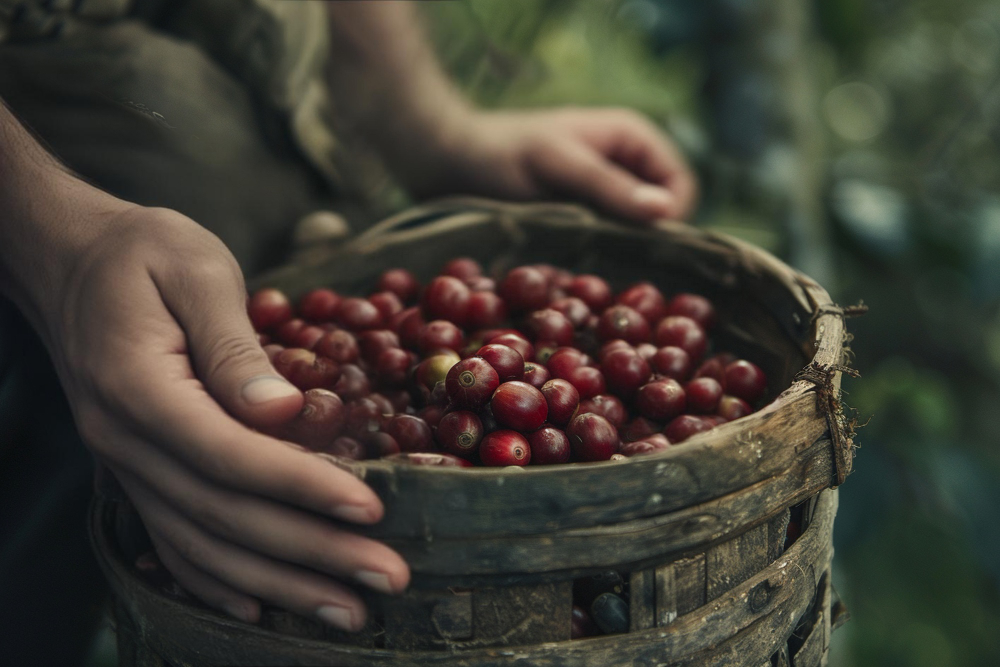
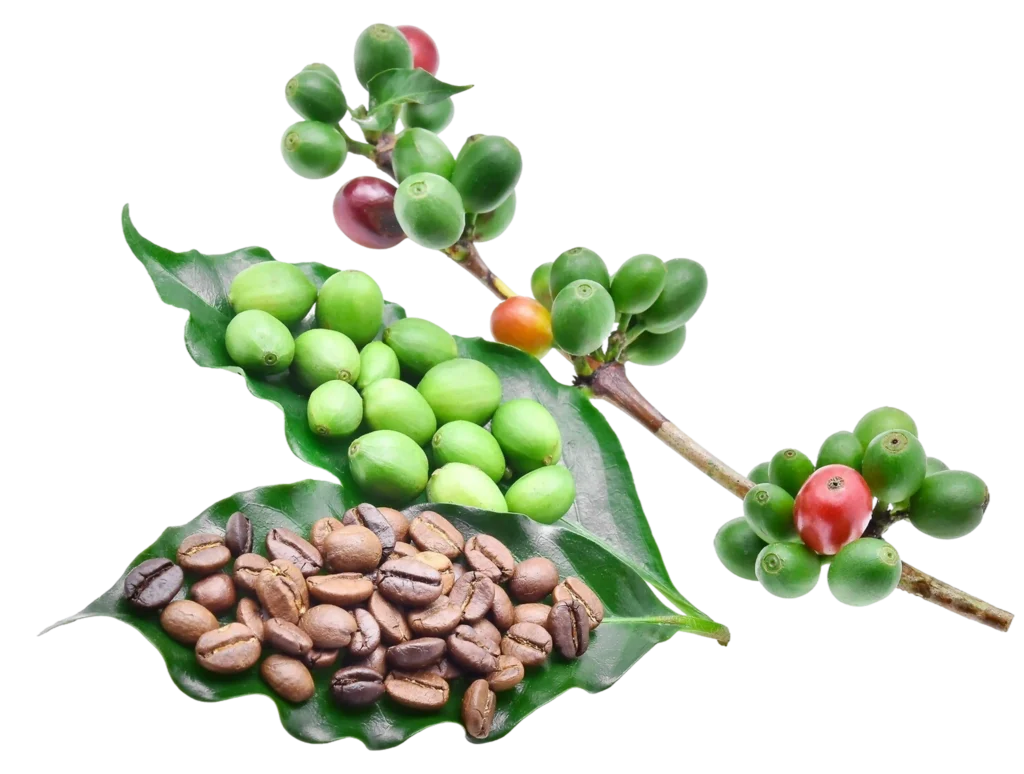
Guji is a prominent coffee-growing region in southern Ethiopia, known for its high-altitude farms and favourable coffee cultivation conditions. The region’s elevation, rainfall, soil composition and local climate influence coffee cherry development and bean quality. These factors contribute to the distinctive characteristics of Guji green coffee beans, making them sought after by specialityxf coffee roasters and international buyers.
Guji coffees are often associated with floral aromas, fruity notes, bright acidity and balanced sweetness. However, flavour profiles vary depending on the growing location, harvest conditions and processing method. Green coffee beans are purchased before roasting, allowing roasters to control the roasting process and develop flavour profiles suited to their preferences and customers’ expectations.
How to Source Guji Green Coffee Beans
Sourcing quality Guji green coffee beans requires careful supplier selection and an understanding of origin, processing and quality specifications. Coffee roasters, importers and wholesale buyers should evaluate each lot before making bulk purchases.
The following steps can help simplify the sourcing process:
1. Identify Reliable Suppliers: Look for established coffee suppliers and exporters with experience in Ethiopian coffee. AMG Coffee Exporters can be explored as a potential sourcing contact.
2. Verify Coffee Origin: Check the coffee’s Guji origin and request available information about its growing area, harvest and sourcing details.
3. Review Lot Specifications: Examine grading details, processing methods, moisture content, defect levels and other available quality information.
4. Request Samples: Evaluate samples through visual inspection and cupping before committing to a large order.
5. Compare Pricing and Quantities: Consider order volumes, quality grades, pricing and minimum purchase requirements.
6. Confirm Export Arrangements: Discuss packaging, shipping schedules, documentation and delivery terms with the exporter before finalising the purchase.
Processing Methods Used for Guji Coffee
Coffee processing plays an important role in developing the flavour, aroma and overall quality of Guji coffee. After harvesting, coffee cherries undergo different processing methods to remove the outer fruit and prepare the beans for drying, storage and export. The three common methods include washed, natural and honey processing.
Washed Processing
In washed processing, ripe coffee cherries are pulped to remove the outer skin and fruit. The beans are then fermented to break down the remaining mucilage, washed with water and dried. This method often produces a cleaner cup with brighter acidity and more clearly defined flavour notes.
Natural Processing
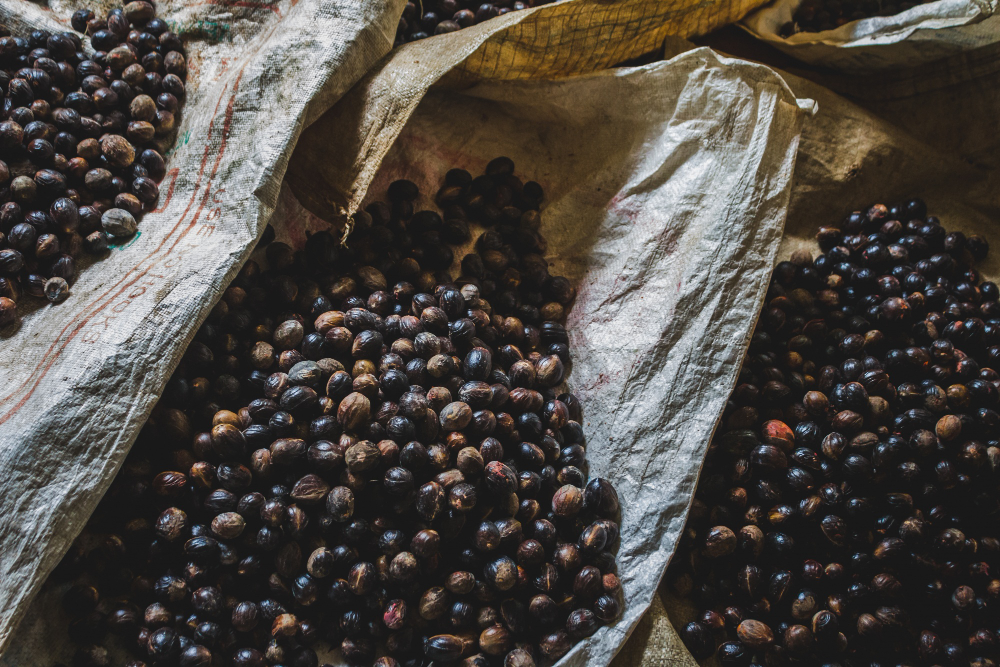
Natural processing involves drying whole coffee cherries with the fruit intact. The cherries are spread across raised beds or drying surfaces and turned regularly to promote even drying. Once dried, the outer layers are removed to collect the beans. This method can contribute to fruit-forward flavours, greater sweetness and a fuller body.
Honey Processing
Honey processing involves removing the outer skin of coffee cherries while leaving some mucilage attached to the beans during drying. The amount of mucilage retained influences the processing style and final cup characteristics. This method can contribute to increased sweetness, balanced acidity and complex flavour development.
Quality Factors to Check Before Buying Guji Green Coffee
Evaluating green coffee quality before purchasing helps buyers select beans that meet their roasting and business requirements. Consider the following factors when assessing Guji green coffee beans:
- Bean Appearance: Check the colour, size and uniformity of the beans for visible inconsistencies.
- Moisture Content: Review moisture levels and storage conditions to assess bean quality and reduce the risk of deterioration.
- Defect Levels and Grading: Examine grading information and check for broken, discoloured or damaged beans.
- Cup Quality: Evaluate aroma, acidity, sweetness, body and flavour consistency through coffee cupping.
- Processing Details: Understand whether the beans are washed, naturally processed, or honey processed, as this influences their flavour characteristics.
- Sample Evaluation: Request and test samples before placing bulk orders to confirm that the coffee meets your quality expectations.
Buying Guji Green Coffee for Different Business Needs
Different coffee businesses have specific requirements when purchasing green coffee. Understanding these needs helps buyers select suitable beans, evaluate suppliers and plan their purchases effectively.
Coffee Roasters
Coffee roasters select green beans based on their preferred roast profiles, flavour characteristics and target customers. Guji green coffee beans offer different flavour possibilities depending on their origin and processing method. Buyers should evaluate samples to determine their suitability for light, medium or dark roasting.
Coffee Importers and Distributors
Importers and distributors need to assess coffee origin, lot specifications, quality grades and available supply volumes. They should also consider export documentation, shipping arrangements and delivery schedules when sourcing Guji coffee from Ethiopian exporters.
Wholesale Coffee Buyers
Wholesale buyers generally focus on order quantities, competitive pricing and consistent quality. Evaluating supplier reliability, bulk availability and product specifications helps them plan purchases and meet the requirements of their roasting or distribution customers.
Storage and Supply Considerations for Green Coffee Beans
Proper storage and transportation are essential for preserving the quality of Guji green coffee beans before roasting. Exposure to moisture, heat, direct sunlight and strong odours can affect bean condition and flavour. Buyers and suppliers should consider the following factors:
- Moisture Control: Maintain suitable moisture levels and store beans in dry conditions to prevent mould growth and quality deterioration.
- Suitable Packaging: Use appropriate packaging that protects green coffee beans from moisture, contaminants and external conditions.
- Transportation and Shipping: Plan shipping arrangements, handling procedures and delivery schedules to reduce delays and exposure to unfavourable conditions.
- Storage Environment: Keep coffee beans in clean, cool and well-ventilated storage areas, away from direct sunlight and strong odours.
- Quality Monitoring: Inspect beans during storage and transit to identify any signs of damage, moisture exposure or deterioration.
- Inventory Management: Follow proper stock rotation practices to manage storage duration and maintain consistent bean quality.
Common Mistakes to Avoid When Buying Guji Green Coffee
Buying Guji green coffee requires careful evaluation of quality, origin and supplier reliability. Overlooking important details can affect the coffee’s condition, flavour and overall purchase value. Here are some common mistakes to avoid:
- Buying without requesting and evaluating samples before placing bulk orders.
- Ignoring processing methods, grading details and lot specifications.
- Overlooking moisture levels and proper storage conditions.
- Choosing suppliers without checking their experience and available export information.
- Focusing only on price instead of considering overall bean quality.
- Failing to confirm order quantities, packaging and delivery terms before purchasing.
- Not checking the harvest period and available crop information.
- Overlooking shipping arrangements and potential delivery delays.
- Failing to clarify quality expectations and product specifications with the supplier.
- Not considering storage requirements after receiving the shipment.
Source Quality Guji Green Coffee for Your Business
Buying quality Guji green coffee beans involves understanding their origin, processing methods, grading and storage requirements. Evaluating samples, checking lot specifications and working with reliable exporters can help coffee roasters, importers and wholesale buyers make informed purchasing decisions.
AMG Coffee Exporters offers an opportunity for coffee businesses to explore Ethiopian coffee sourcing. If you are looking to purchase Guji green coffee beans for roasting, distribution or wholesale supply, connect with AMG Coffee to discuss your sourcing requirements and explore suitable export options.