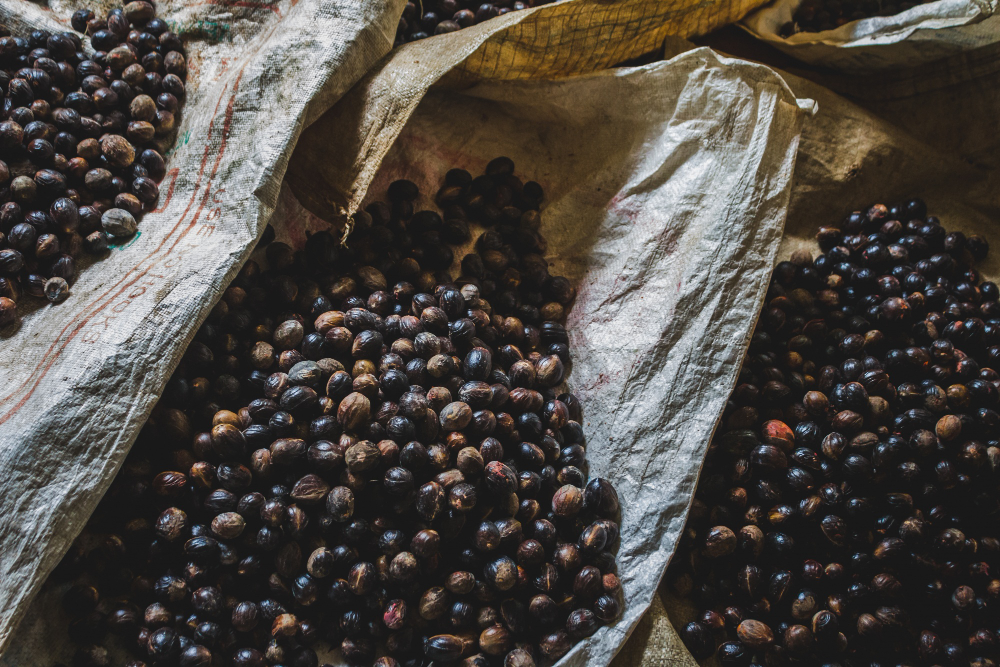
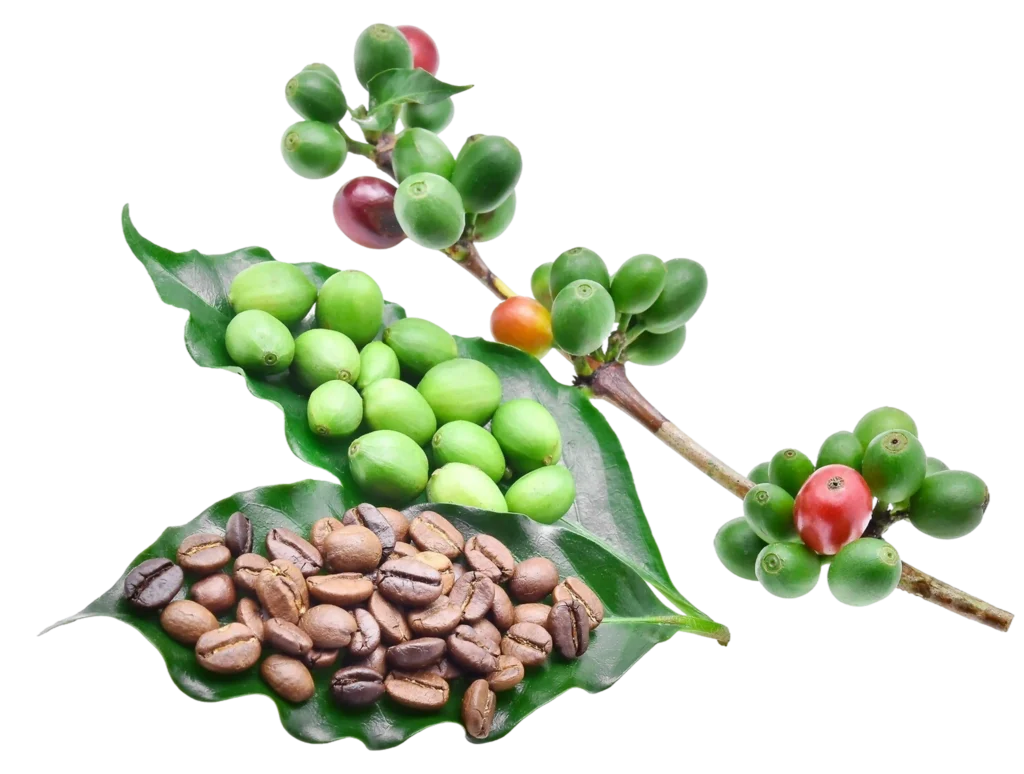

When purchasing green coffee beans, appearance, origin and processing method are not the only factors worth evaluating. Coffee moisture content is another important quality parameter that influences bean condition, storage stability, flavor preservation, and roasting consistency. For importers, roasters and wholesale buyers, understanding moisture levels helps assess whether a coffee lot is suitable for storage, transportation and further processing.
This is particularly relevant when sourcing from international markets. Buyers working with coffee exporters in Ethiopia should consider moisture readings alongside bean quality, processing practices and storage conditions. A suitable moisture level helps preserve green coffee quality from post-harvest processing through export and delivery.
What Is Coffee Moisture Content?
Coffee moisture content refers to the amount of water present inside coffee beans, expressed as a percentage of their total weight. Freshly harvested coffee cherries contain considerable moisture, which must be reduced through drying before the beans are prepared for storage and export.
Green coffee beans generally require controlled drying to reach a suitable moisture range. The drying process removes excess water while helping preserve the beans’ physical and chemical characteristics. Moisture content is usually measured using specialised equipment and recorded as a percentage.
For coffee buyers, this measurement provides useful information about the condition of green coffee before purchasing. It also helps identify whether beans have been dried and stored under appropriate conditions.
Why Is Coffee Moisture Content Important?
Moisture content affects several aspects of green coffee quality. Monitoring it helps producers, exporters and buyers maintain suitable conditions throughout processing, storage and transportation.
1. Preserving Coffee Quality and Flavour
Coffee beans contain natural compounds that contribute to their aroma, flavour and overall cup profile. Improper moisture levels can affect how well these characteristics are preserved during storage.
Excess moisture can encourage unwanted biological activity and quality deterioration. On the other hand, excessively dry beans can become more fragile and susceptible to physical damage during handling. Maintaining an appropriate moisture level helps preserve the beans’ original characteristics until roasting.
2. Preventing Mould Growth and Spoilage
High moisture levels, particularly when combined with warm temperatures and poor ventilation, can create conditions that favour mould growth. This can compromise green coffee quality and make affected lots unsuitable for certain buyers.
Proper drying is therefore an important part of post-harvest coffee processing. Beans should reach a suitable moisture level before being stored in warehouses or prepared for export. Buyers should also consider storage conditions because moisture can increase if beans are exposed to humid environments.
3. Maintaining Shelf Life
Green coffee beans are often stored for extended periods before reaching roasters and other buyers. Their condition during this period depends partly on moisture stability.
Appropriate moisture levels, combined with suitable packaging and storage conditions, help reduce the risk of deterioration. Exposure to humidity, condensation and poor warehouse ventilation can affect moisture levels even after the initial drying process is complete.
For importers purchasing large coffee lots, checking moisture content before shipment and after arrival can help identify potential storage or transportation issues.
4. Supporting Consistent Roasting Results
Moisture content also influences how green coffee beans respond to heat during roasting. Water inside the beans affects heat transfer and the energy required to raise their temperature.
When moisture levels vary significantly between batches, roasters may need to adjust their roasting profiles to achieve consistent results. Monitoring moisture helps buyers and roasters understand the condition of their raw material and plan their roasting processes accordingly.
What Is the Ideal Moisture Content for Green Coffee Beans?
The commonly used reference range for green coffee moisture content is approximately 10–12%. This range is widely used as a practical benchmark when evaluating export-ready green coffee beans, although exact requirements can differ according to buyer specifications and applicable quality standards.
Understanding the differences between moisture levels is important:
- Above 12%: Higher moisture levels can increase the risk of mould development, spoilage and quality deterioration, particularly under unsuitable storage conditions.
- Between 10% and 12%: This is a commonly accepted reference range for properly dried green coffee intended for storage and export.
- Below 10%: Lower moisture levels are not automatically an indication of poor quality, but excessive drying can make beans more brittle and increase the risk of physical damage.
Buyers should not rely on a single percentage when assessing a coffee lot. Moisture readings should be considered alongside water activity, bean appearance, physical defects, processing history and storage conditions.
Factors That Influence Coffee Moisture Content
Several factors determine how much moisture remains in green coffee beans after harvesting and processing. Understanding these influences helps buyers evaluate the handling practices used throughout the supply chain.
- Harvesting Conditions: Weather, rainfall and the maturity of coffee cherries can influence their initial moisture levels. Coffee harvested during wet periods may require careful drying to achieve suitable storage conditions.
- Processing Methods: Washed, natural and honey processing involve different approaches to removing moisture. Washed coffee undergoes depulping and washing, while natural coffee dries with the fruit surrounding the beans. Honey processing retains some mucilage during drying.
- Drying Conditions: Sunlight, airflow, temperature and drying duration influence how quickly moisture is removed. Uneven drying can also result in variations between beans within the same lot.
- Storage Environment: Humidity, ventilation and packaging conditions can affect moisture stability. Green coffee stored in damp or poorly ventilated warehouses can absorb moisture from its surroundings.
- Transportation: Long-distance shipping exposes coffee to changing environmental conditions. Condensation inside containers and unsuitable packaging can contribute to moisture-related quality problems.
How Is Coffee Moisture Content Measured?
Measuring moisture content helps determine whether green coffee beans have reached suitable conditions for storage and trade. Producers, quality control teams and exporters commonly use specialised equipment and testing procedures.
Digital Moisture Meters
Digital moisture meters are commonly used to obtain quick moisture readings from green coffee samples. These devices estimate moisture content through electrical properties of the beans.
Some models are designed specifically for coffee and include settings for different bean types. They are useful for routine quality checks during drying, storage and export preparation.
Laboratory Testing
Laboratory testing provides a controlled approach to determining moisture content. Reference methods, including oven-drying procedures, measure the change in sample weight after moisture removal under specified conditions.
These methods can be useful for verifying results when buyers require more detailed quality assessments or independent testing.
Representative Sampling
The accuracy of a moisture assessment also depends on how samples are collected. Testing only a small portion of a coffee lot may not reveal variations across the entire batch.
Representative samples should be collected from different bags or sections of a lot where appropriate. Multiple readings help buyers and quality teams identify inconsistencies and make more informed purchasing decisions.
How Coffee Moisture Content Affects International Trade
Moisture content is an important consideration in the international coffee trade because green coffee often travels long distances before reaching its final destination. Maintaining suitable conditions throughout the supply chain helps protect the quality of the shipment.
For coffee exporters in Ethiopia, moisture monitoring is an important part of preparing green coffee for international buyers. Ethiopia supplies different coffee varieties and processing styles to global markets, making quality assessment an important consideration for importers and roasters.
Here are some reasons moisture content matters in international trade:
- Quality Inspection: Buyers may request moisture readings as part of their pre-shipment quality assessment. These results help them evaluate the condition of the coffee before accepting a lot.
- Storage and Transportation: Appropriate moisture levels, combined with suitable packaging and container conditions, help protect beans during long-distance transportation.
- Buyer Specifications: Importers and roasters may have specific moisture requirements depending on their quality standards and intended use. Exporters need to understand these expectations before preparing shipments.
- Shipment Acceptance: Moisture readings can form part of the quality documentation used during purchasing and inspection. Significant deviations from agreed specifications may lead to further testing or quality discussions.
- Consistency Across Lots: Maintaining consistent moisture levels helps buyers evaluate different shipments and plan their roasting and storage requirements.
What Should Buyers Check Before Purchasing Ethiopian Coffee?
Moisture content is an important starting point, but buyers should assess several other quality parameters before finalising a green coffee purchase. A broader evaluation helps importers and roasters understand what they are receiving and whether it meets their requirements.
- Moisture Content Reports: Request recent moisture readings and relevant quality inspection reports to understand the condition of the coffee.
- Processing Methods: Check whether the beans are washed, naturally processed, or honey processed, as each method influences their characteristics.
- Bean Appearance: Examine bean size, colour, uniformity and visible defects to assess physical quality.
- Storage and Packaging: Understand how the coffee has been stored and packaged before shipment. Suitable packaging helps protect beans from external moisture and environmental exposure.
- Origin and Traceability: Check the coffee’s origin, variety and available processing information to understand its background and sourcing.
- Export Requirements: Confirm that the coffee meets the agreed buyer specifications and applicable import requirements in the destination market.
Make Informed Decisions When Sourcing Ethiopian Coffee
Coffee moisture content is an important metric when evaluating green coffee beans for purchasing, storage and export. Maintaining suitable moisture levels helps preserve bean quality, reduce the risk of spoilage and support consistent roasting results. Buyers should also consider this measurement alongside processing methods, physical characteristics, origin, packaging and storage conditions to make informed sourcing decisions.
At AMG Coffee Exporters, quality assessment is an important part of preparing Ethiopian coffee for international buyers. By paying attention to moisture levels, processing methods and bean characteristics, the company aims to meet buyer expectations and support informed sourcing decisions. Contact the team to discuss your Ethiopian coffee requirements and explore available sourcing options.