
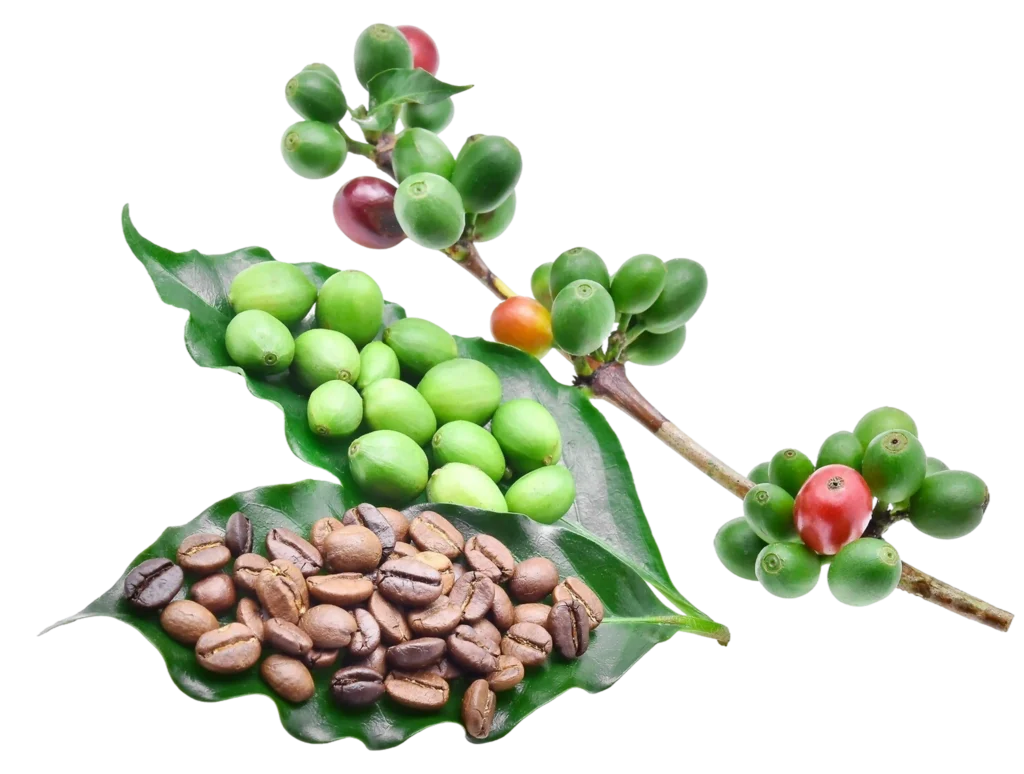

Guji is one of Ethiopia’s well-known coffee-growing regions, located in the southern part of the country. It has gained recognition in the speciality coffee market for producing distinctive coffees with complex flavour profiles and diverse processing characteristics. The region’s high-altitude growing areas, favourable climate and coffee-growing traditions contribute to the unique qualities associated with Guji coffee.
For Ethiopian coffee buyers, Guji offers an appealing combination of flavour diversity, origin identity and speciality coffee potential. Depending on the variety and processing method, Guji coffee can feature floral aromas, fruity notes, pleasant sweetness and bright acidity. These characteristics make it an interesting choice for coffee importers, wholesalers and speciality roasters looking for distinctive Ethiopian coffee offerings.
Guji Coffee Growing Region: Location, Climate and Unique Characteristics
Guji is a prominent coffee-growing region in southern Ethiopia, situated within the Oromia Region. Its coffee production is associated with areas such as Hambela, Uraga, Shakiso and Kercha. The region has gained recognition among speciality coffee producers and buyers for its distinctive coffee characteristics. Its varied landscape and high-altitude growing areas provide favourable conditions for cultivating Arabica coffee.
Several geographical and environmental factors influence the quality and characteristics of Guji coffee:
- High altitude: Coffee cultivation at higher elevations generally allows cherries to mature more slowly, contributing to bean density and flavour development.
- Climate and rainfall: Suitable temperatures and seasonal rainfall support coffee plant growth and cherry development.
- Soil conditions: Soil composition and fertility influence the nutrients available to coffee plants and their overall growth.
- Coffee varieties: Different Arabica varieties contribute to variations in aroma, acidity, sweetness and overall cup characteristics.
- Harvesting practices: Selective cherry picking and careful handling help maintain the quality of harvested coffee.
These factors, combined with different processing methods, give Guji coffee its distinctive identity in the Ethiopian speciality coffee market. Unlike a single uniform flavour profile, Guji offers diverse coffee characteristics depending on its specific growing area, variety and processing technique. This diversity makes the region interesting for speciality coffee roasters, importers and Ethiopian coffee buyers.
What Makes Guji Coffee’s Flavour Profile Distinctive?
Guji coffee is known for its diverse flavour characteristics, making it an interesting choice for speciality coffee roasters and buyers. Depending on the coffee variety, growing area and processing method, its flavour profile can include:
- Delicate floral aromas, including jasmine.
- Fruity notes such as berries, citrus and stone fruits.
- Honey-like sweetness and ripe fruit characteristics.
- Bright acidity that adds freshness and liveliness to the cup.
- A smooth mouthfeel with a light to medium body, depending on the coffee lot.
Several factors influence these flavour variations:
- Higher growing elevations can encourage slower cherry maturation and contribute to flavour development.
- Different Arabica varieties produce distinct aroma and taste characteristics.
- Washed processing often highlights cleaner flavours, floral notes and brighter acidity.
- Natural processing can bring out fruit-forward flavours, sweetness and a fuller mouthfeel.
This flavour diversity makes Guji coffee appealing to speciality roasters and Ethiopian coffee buyers looking for distinctive single-origin coffee offerings.
Coffee Processing Methods That Shape Guji Coffee
Coffee processing influences the flavour, aroma, acidity and body of Guji coffee.
- Washed processing: Produces clean, bright flavours with floral aromas, citrus notes and lively acidity.
- Natural processing: Often develops berry, tropical fruit and wine-like notes, with greater perceived sweetness and fuller body.
- Anaerobic fermentation: Uses sealed containers with limited oxygen to develop distinctive fruity, floral and wine-like flavour characteristics.
- Experimental processing: Techniques such as honey processing and extended fermentation offer additional flavour possibilities.
- Options for speciality roasters: Different processing methods help roasters select flavour profiles for filter coffee, espresso and speciality single-origin offerings.
What Makes Guji Coffee Popular Among Ethiopian Coffee Buyers?
Guji coffee attracts speciality coffee buyers through its distinctive flavour profiles, diverse processing methods and recognised Ethiopian origin. Its appeal comes from several factors:
- Distinctive flavours: Floral, citrus, berry and tropical fruit notes appeal to speciality coffee markets.
- Single-origin demand: Growing interest in Ethiopian single-origin coffee creates opportunities for Guji among international buyers.
- Processing diversity: Washed, natural and selected experimental processing methods offer different flavour experiences.
- Premium positioning: High-quality lots can support premium coffee selections and limited-edition offerings.
- Traceability: Information about growing areas, varieties and processing stations helps buyers understand the coffee’s geographical origin.
- Roasting versatility: Different flavour profiles offer options for filter coffee, espresso and other speciality brewing preferences.
Guji Coffee vs Other Ethiopian Coffee Origins
Ethiopia has several recognised coffee-growing regions, each offering different flavour characteristics and processing traditions. Here’s how Guji compares with three popular Ethiopian origins.
| Coffee origin | Common flavour characteristics |
| Guji | Floral, berry, citrus and tropical fruit |
| Yirgacheffe | Jasmine, bergamot, citrus and tea-like notes |
| Sidama | Red berries, citrus, stone fruit and sweetness |
| Harrar | Blueberry, dried fruit, wine-like and spicy notes |
Guji offers a combination of washed and natural processing options, while Harrar is particularly associated with traditional natural processing. Yirgacheffe is widely recognised for its delicate floral and citrus profiles, while Sidama offers varied fruit-forward and balanced coffees.
For buyers, origin is an important consideration when selecting Ethiopian coffee. Growing conditions, coffee varieties, processing methods and regional characteristics help determine which lots suit their flavour expectations and target markets. However, individual samples should always be evaluated before purchasing.
Quality Factors Buyers Should Consider When Sourcing Guji Coffee
Sourcing quality Guji coffee involves evaluating both the green beans and their production background. Buyers should pay attention to these important factors before finalising a purchase.
- Growing conditions and variety: Check the coffee variety or local landrace, growing altitude and specific production area. These details provide useful information about the coffee’s origin and growing environment.
- Harvesting and processing: Proper cherry selection, consistent fermentation and controlled drying practices help maintain green coffee quality. Buyers should understand how the coffee was harvested, processed and prepared.
- Physical quality: Moisture content, bean uniformity, foreign matter and defect levels are important indicators when assessing green coffee. Request physical quality reports where available.
- Cup quality: Evaluate aroma, acidity, sweetness, body, flavour clarity and aftertaste through sample roasting and cupping. Cupping scores can help compare lots, but the actual cup profile should guide purchasing decisions.
- Traceability and documentation: Request information about the growing area, washing station, harvest season, processing method and lot identification. Supporting quality records help verify product specifications.
- Export and supplier reliability: Check applicable export documentation, packaging, storage arrangements, shipment timelines and the supplier’s experience in handling Ethiopian coffee exports.
How Ethiopian Coffee Buyers Can Source Guji Coffee
Sourcing Guji coffee requires careful supplier selection and quality evaluation. Buyers should consider the following factors before placing an order:
- Identify reliable suppliers: Look for Ethiopian coffee exporters with experience in speciality coffee sourcing and established supply networks.
- Request samples: Evaluate aroma, flavour, acidity, body and overall cup quality before committing to a purchase.
- Compare coffee lots: Review grades, processing methods, varieties and harvest details to find coffee that meets your requirements.
- Understand order quantities: Check minimum order quantities (MOQs), bulk purchasing options and pricing terms.
- Verify export arrangements: Confirm packaging, storage, shipping schedules and required export documentation.
- Build long-term relationships: Work with dependable suppliers to support consistent quality, regular communication and future sourcing needs.
Looking to Source Quality Guji Coffee for Your Business?
Explore the distinctive flavours and processing options of Guji coffee with AMG Coffee Exports. Whether you are a speciality coffee roaster, importer or wholesale buyer, connect with our team to discuss your sourcing requirements and explore suitable Ethiopian coffee options for your business.