Ethiopian coffee is known for its unique floral, fruity and citrus flavours. Freshness, origin, processing, grind size, water quality and brewing method all affect its taste. Using fresh organic Ethiopian coffee beans is a good starting point for a flavorful cup at home.
Organic certification does not alone determine coffee quality. The roast date, bean quality and Ethiopian coffee preparation method also matter. Here are 10 simple tips to help you make better Ethiopian coffee at home.
1. Choose Fresh Organic Ethiopian Coffee Beans
Freshness plays an important role in the flavour and aroma of coffee. Choose recently roasted organic Ethiopian coffee beans and check the roast date before buying. Whole beans are also a better choice than pre-ground coffee as they retain their aroma for longer.
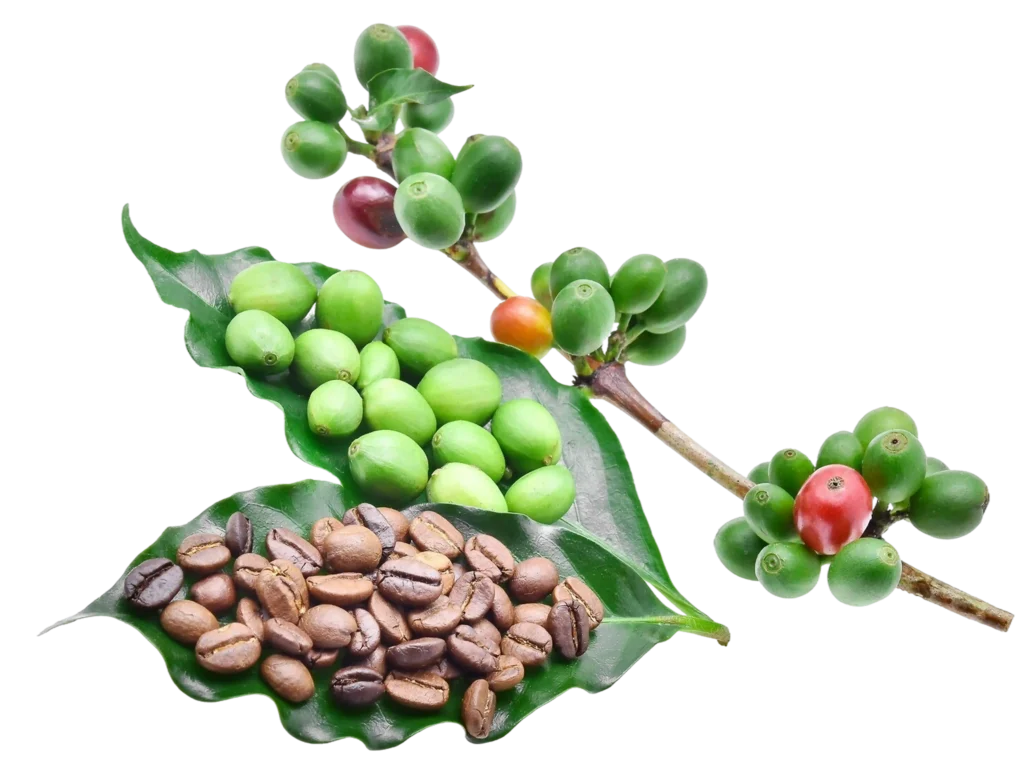
Depending on their origin and processing method, Ethiopian coffee beans can have floral, fruity, citrus, berry or tea-like notes. Buying smaller quantities and using them while they are fresh can help you enjoy these flavours more clearly.
2. Check the Origin and Processing Method
The origin of organic Ethiopian coffee beans can affect their flavour and aroma. Popular coffee-growing areas such as Yirgacheffe, Sidamo, Guji and Harrar are known for different flavour profiles. Checking the origin on the package can help you understand what to expect from the coffee.
The processing method also affects the final taste. Natural processing can bring more fruity and sweet notes, while washed coffee often has a cleaner and brighter taste. Honey processing can offer a balance of sweetness and acidity. Choose beans based on your taste preferences and the details provided by the roaster.
3. Store the Beans Correctly
Store organic Ethiopian coffee beans in an airtight, opaque container to protect them from air, light and moisture. Keep the container in a cool, dry cupboard away from heat, sunlight and strong-smelling foods.
Avoid keeping coffee in the refrigerator, as moisture and surrounding odours can affect its quality. If you do not drink coffee regularly, buy smaller quantities so the beans stay fresh for longer.
4. Grind the Beans Just Before Brewing
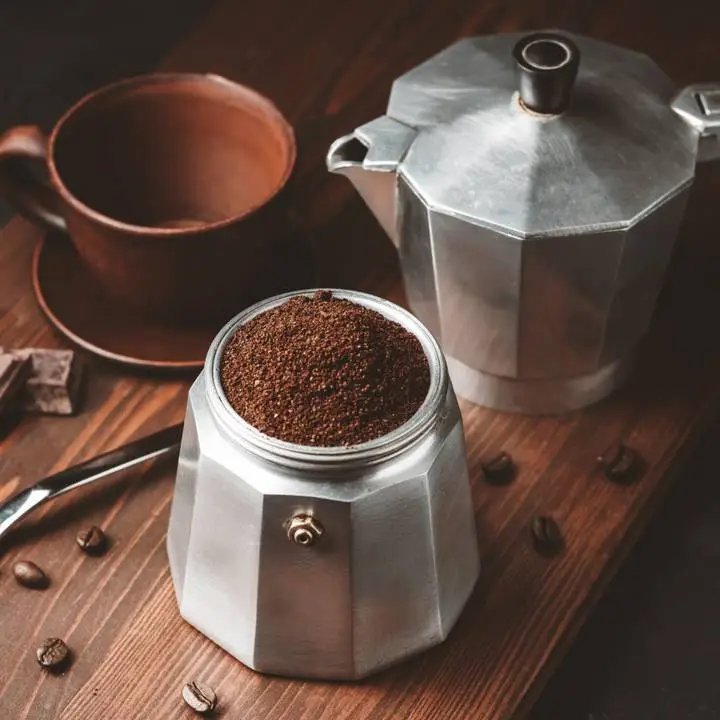
Grinding coffee just before brewing helps preserve its aroma and flavour. A burr grinder is a good choice because it produces a more consistent grind than many blade grinders. Avoid grinding all your beans in advance, as ground coffee loses freshness faster.
The right grind size also depends on the brewing method. Use a medium-fine grind for pour-over, medium-coarse for French press and fine to very fine for traditional jebena-style preparation. Adjust the grind based on the taste and brewing method you use.
5. Use Good-Quality Water
Water makes up most of your Ethiopian coffee, so its quality can affect the final taste. Use fresh, filtered water with a clean flavour when preparing Ethiopian coffee at home. Avoid heavily chlorinated, stale or strongly mineralised water.
For pour-over and similar Ethiopian coffee preparation methods, use water just below boiling. Very hot, aggressively boiling water can affect extraction and make the coffee taste bitter.
6. Measure the Coffee and Water
Using the right amount of coffee and water can make your Ethiopian coffee preparation more consistent. A kitchen scale helps you measure both accurately. As a starting point, use about 1 gram of coffee for every 15–17 grams of water.
You can adjust this ratio based on your preference. Use more coffee if you prefer a stronger cup, or add more water for a lighter taste. This simple adjustment can help you find the right balance for your Ethiopian coffee.
7. Choose the Right Brewing Method
The brewing method can change the taste and texture of your Ethiopian coffee.
Some common options include:
- Pour-over: Brings out clean, bright and aromatic flavours.
- French press: Produces a fuller-bodied cup.
- AeroPress: Offers a concentrated and flexible brew.
- Stovetop or saucepan: A simple option for home brewing.
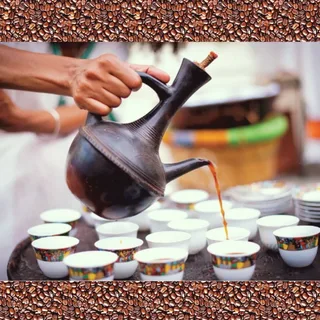
- Jebena: Offers an experience inspired by traditional Ethiopian coffee preparation.
Lighter Ethiopian roasts often work well with methods that highlight delicate floral, fruity and citrus notes. Try different methods to find what suits your preferred Ethiopian coffee flavour.
8. Try Traditional Ethiopian Coffee Preparation
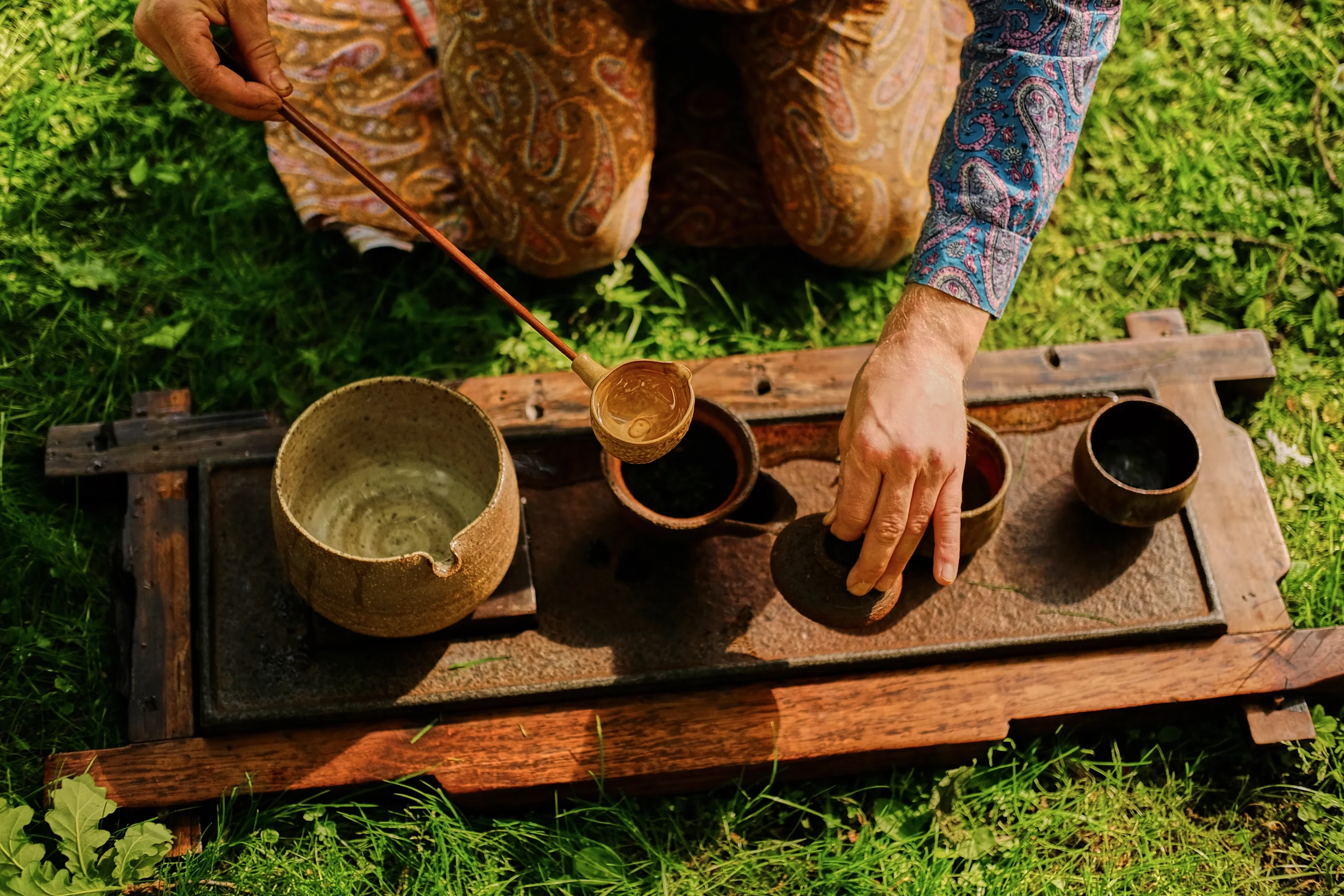
Traditional Ethiopian coffee preparation often uses a jebena, a clay coffee pot used during Ethiopian coffee ceremonies. At home, you can take inspiration from this method by following a simple process:
- Roast green coffee beans.
- Grind the roasted beans finely.
- Add the coffee grounds and water to the jebena.
- Heat the mixture gently.
- Allow the grounds to settle before serving.
The Ethiopian coffee ceremony traditionally involves roasting, grinding, brewing and serving coffee. It is also a social experience linked with hospitality and community, and coffee may be served in several rounds. Home brewing can take inspiration from this tradition without being presented as a complete reproduction of the traditional ceremony.
9. Control Brewing Time and Temperature
Brewing time and temperature affect the flavour of Ethiopian coffee. Over-extraction can make the coffee bitter or dry, while under-extraction may result in a weak or sour taste. For pour-over, start with a short bloom and pour the water slowly and evenly.
For French press, around four minutes is a good starting point. When using a jebena or saucepan, heat the coffee gently instead of allowing it to boil strongly. Change only one factor at a time when adjusting your Ethiopian coffee preparation.
10. Taste, Adjust and Let the Coffee Settle
Let freshly roasted organic Ethiopian coffee beans rest for a few days before brewing, based on the roast and roaster’s recommendation. If you are using an unfiltered method, allow the brewed coffee to settle briefly so the grounds stay at the bottom. Taste your coffee before adding sugar or milk.
Use the taste to adjust your recipe. If it tastes sour or sharp, try a finer grind or longer extraction. If it is bitter or dry, try a coarser grind or shorter brewing time. For a weak cup, use more coffee or less water. You can also note the grind size, coffee-to-water ratio and brewing time to find what works best for your Ethiopian coffee.
💬 Connect on WhatsApp
Common Mistakes to Avoid
Even with good organic Ethiopian coffee beans, a few simple mistakes can affect the flavour of your coffee. Avoid these common errors to get better and more consistent results at home:
- Using stale organic Ethiopian coffee beans.
- Storing the beans incorrectly.
- Using the wrong grind size for your brewing method.
- Using poor-quality or stale water.
- Guessing the coffee-to-water ratio each time.
- Boiling the coffee too aggressively.
- Ignoring the roast date, origin or processing method.
- Changing several brewing variables at the same time.
- Assuming organic certification alone determines coffee flavour.
Enjoy Better Ethiopian Coffee at Home
Making good Ethiopian coffee at home starts with fresh organic Ethiopian coffee beans, proper storage and fresh grinding. Good-quality water, the right coffee-to-water ratio and a suitable brewing method can also make a noticeable difference in the final cup.
Try different grind sizes, ratios and brewing times to find what suits your preferred Ethiopian coffee profile. If you are looking for quality coffee beans for your next brew, explore the range from AMG Coffee Export and choose beans that suit your taste and brewing method.