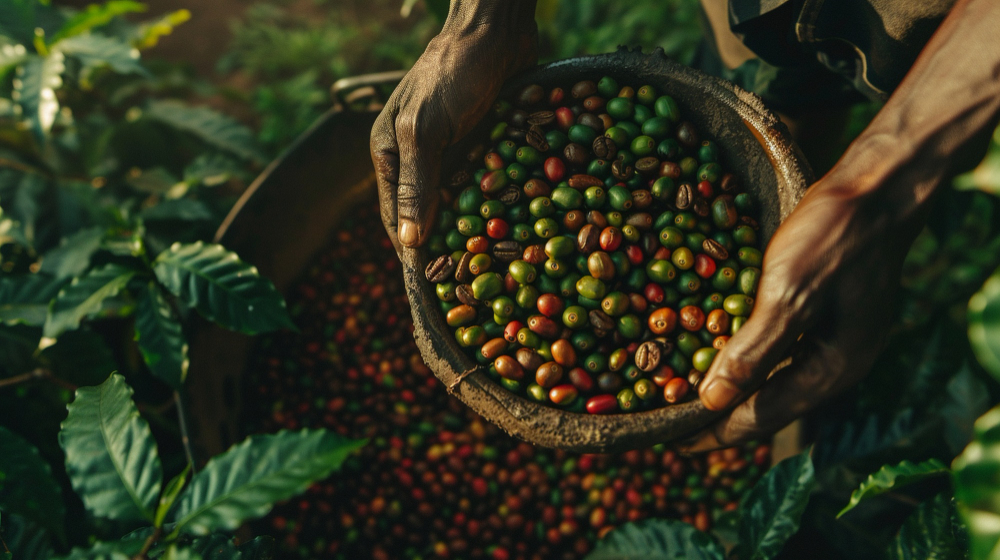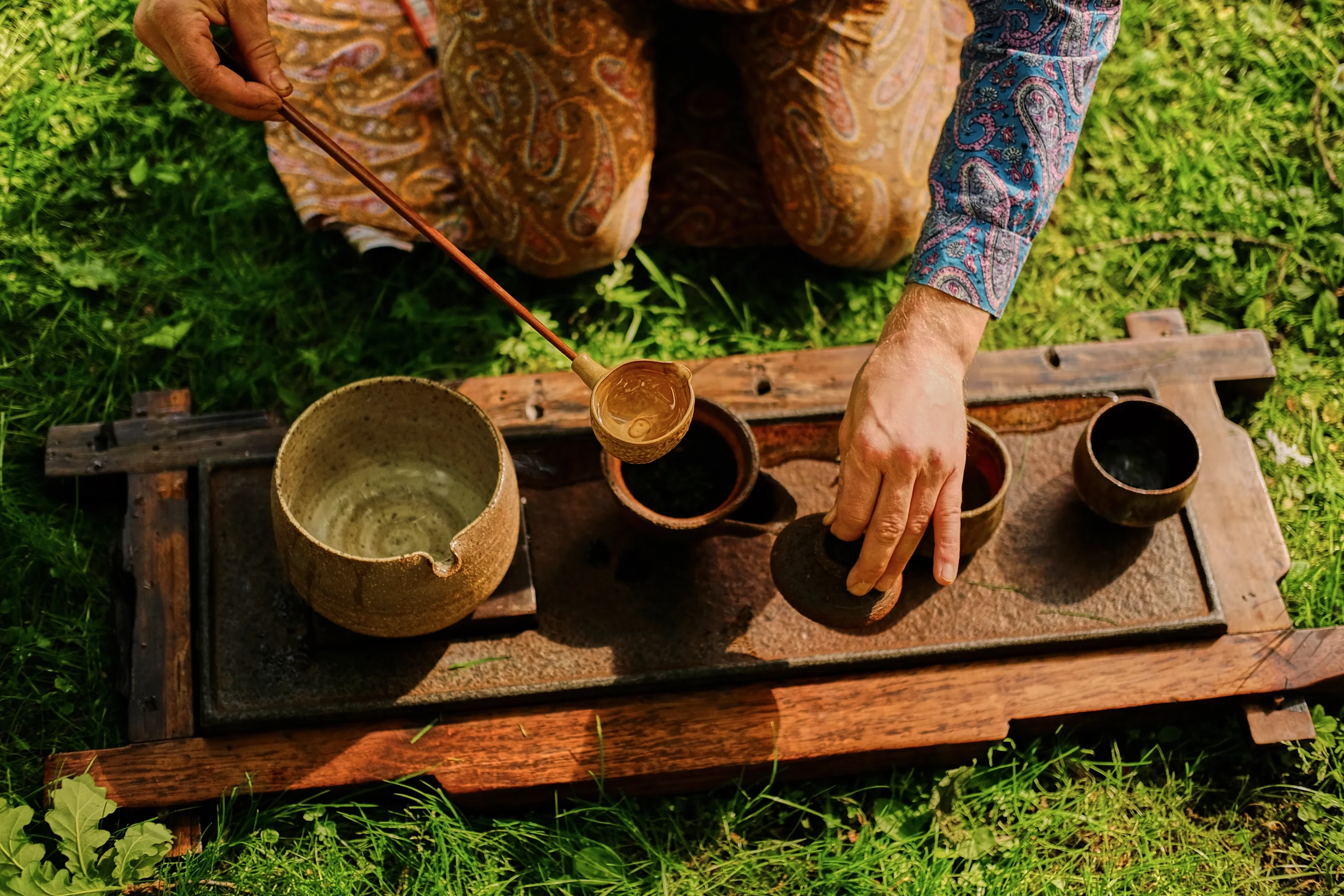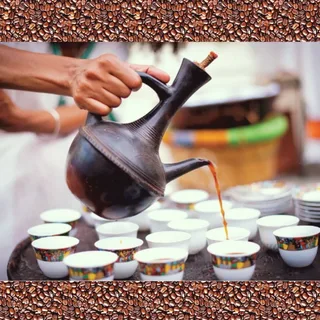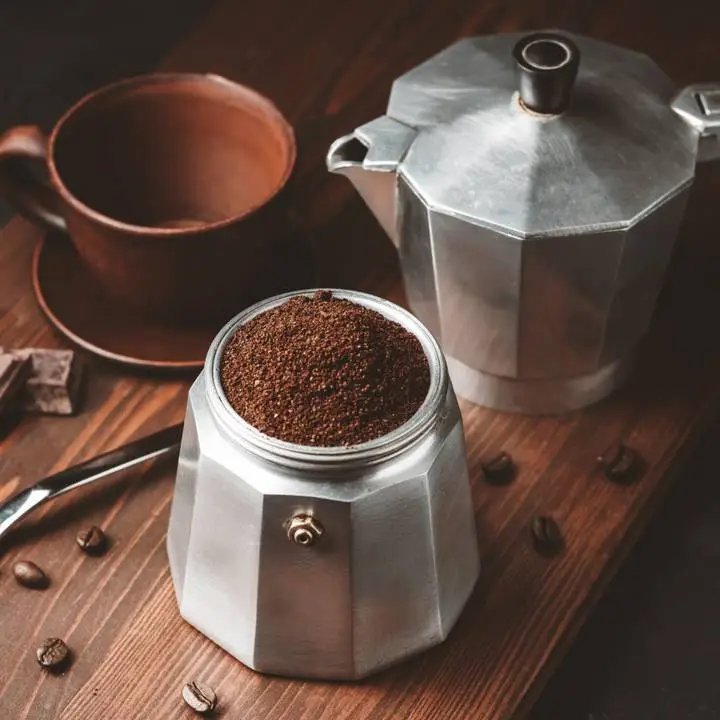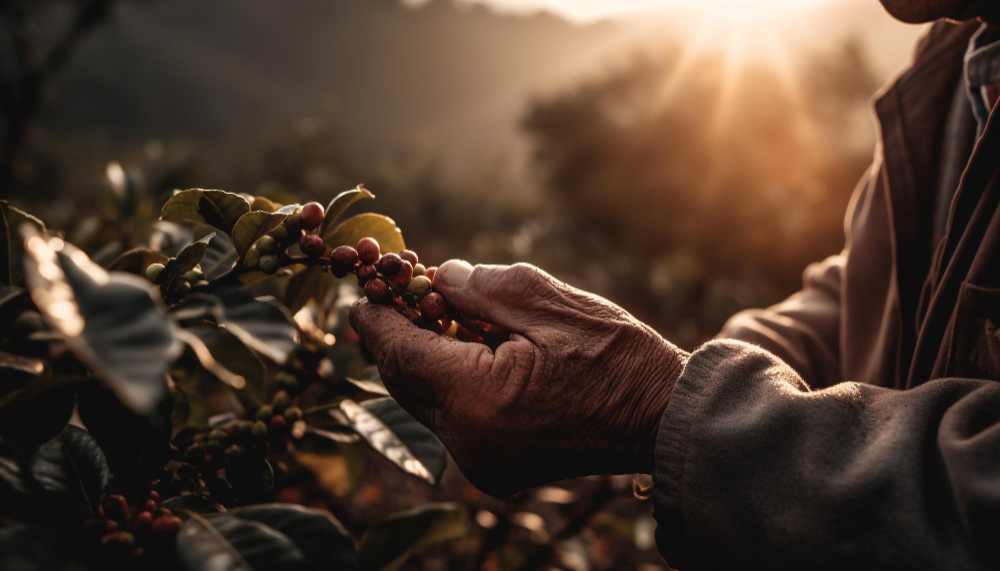
The traditional Ethiopian coffee ceremony, or jebena bunna, begins with the careful selection of coffee beans. Fresh Ethiopian Arabica beans are washed, hand sorted, roasted and ground during the ceremony. Rather than using one standard blend, families choose beans from local harvests or different regions. Want to choose the right beans for your ceremony? Here’s what to look for.
What Coffee Beans Are Used in an Ethiopian Coffee Ceremony?
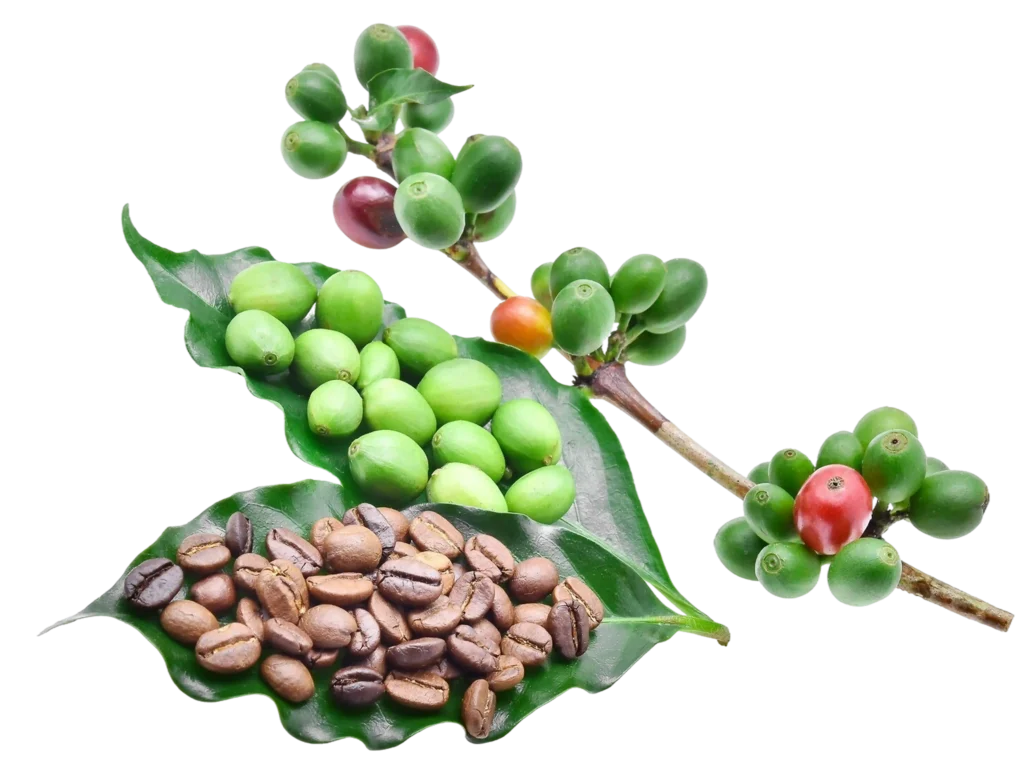
Traditional Ethiopian coffee ceremonies use freshly harvested, unroasted green beans from 100% Arabica coffee, Coffea arabica, grown in Ethiopia. Families commonly choose regional single origin beans or local harvests, with beans often hand sorted before being washed, roasted, and freshly ground during the ceremony.
Best Bean Origins for an Ethiopian Coffee Ceremony
The coffee’s origin strongly influences its aroma, acidity, sweetness, body, and overall character. For a traditional Ethiopian coffee ceremony, these regional origins offer distinct flavor profiles:
Yirgacheffe Coffee Beans
Yirgacheffe beans are known for delicate floral aromas, bright citrus notes, and a light, tea like body. Choose them for jasmine, lavender, lemon, or bergamot characteristics and a clean, refined cup.
Sidama Coffee Beans
Sidama, also called Sidamo, produces balanced and sweet coffee with noticeable berry and citrus characteristics. These beans suit ceremonies where you prefer a fuller, fruit forward cup without an intensely bold profile.
Guji Coffee Beans
Guji coffee is recognized for vibrant fruit sweetness, tropical notes, and a silky or syrupy body. It is a suitable choice if you prefer layered, sweet, fruit forward Ethiopian coffee with pronounced aromatic character.
Harrar Coffee Beans
Harrar, also spelled Harar, is known for bold, wine like fruitiness with blueberry and chocolate characteristics. Its naturally processed profile suits those who prefer a deeper, richer coffee with distinctive fruit intensity.
Limu Coffee Beans
Limu coffee offers a balanced profile with relatively lower acidity and subtle wine and spicy characteristics. It provides an alternative for ceremony guests who prefer a smoother and less intensely fruit driven Ethiopian coffee.
Djimma and Illubabor Coffee Beans
Djimma, also spelled Jimma, and Illubabor coffees come from southwestern Ethiopia and are associated with deeper, earthy and full bodied profiles. They suit those who prefer moderate acidity and richer, more grounded coffee flavors.
Best Coffee Grades for an Ethiopian Coffee Ceremony
The coffee grade indicates bean quality and the number of physical defects present. For a traditional Ethiopian coffee ceremony, Grade 1 and Grade 2 specialty beans are the primary options to consider.
Grade 1 Ethiopian Coffee Beans
Grade 1 is the highest specialty grade, with 0–3 physical defects per 300 g sample and an SCA cupping score of 85+ points. These beans offer exceptional cleanliness, aromatic complexity, and flavor clarity.
Grade 2 Ethiopian Coffee Beans
Grade 2 is a very good specialty grade, allowing 4–12 physical defects per 300 g sample and an SCA cupping score of 80–84 points. It provides good specialty coffee quality and is a practical alternative to Grade 1 beans.
What Makes an Authentic Ceremony Bean?
Authentic beans for the Ethiopian coffee ceremony are raw, unroasted green Arabica beans that guests can inspect and experience as they are roasted on a flat pan called a tikekadad. For greater flavor depth, choose single origin, high altitude Ethiopian Arabica beans grown above 1,500 meters.
How to Buy Green Ethiopian Coffee Beans for a Coffee Ceremony
Choosing beans for an Ethiopian coffee ceremony is about more than finding coffee labelled “Ethiopian.” Check the origin, processing method, grade, quantity and storage details to select green beans that suit your ceremony and preferred flavour profile.
Where to Buy Ethiopian Green Coffee Beans
Look for sellers that clearly state the Ethiopian origin, bean type, processing method, grade and available pack sizes. AMG Coffee Export offers Ethiopian Arabica beans in green form, with retail packets from 50g to 5kg and larger wholesale quantities. Their listed origins include Yirgacheffe, Sidamo, Guji and Jimma.
How Much Coffee Do You Need
For 8 people, 500g of green coffee beans is a practical quantity for a traditional ceremony, giving enough flexibility for roasting and multiple servings. For a smaller gathering, 250g may be sufficient, while 1kg is suitable for larger groups or repeated rounds. The exact quantity depends on serving size and how many times coffee is prepared.
Check the Coffee Label
Before buying, check that the packet clearly identifies:
- Origin: Ethiopia
- Coffee type: 100% Arabica
- Region: Yirgacheffe, Sidama, Guji, Harrar or another named origin
- Processing: Washed or natural
- Grade: Grade 1 or Grade 2
- Form: Unroasted green beans
- Harvest information: When available
Choose Single Origin or a Blend
Single origin beans are easier to choose when you want the ceremony to highlight a particular Ethiopian region. A Yirgacheffe bean can bring floral and citrus notes, while Guji can offer sweeter tropical fruit characteristics. Blends can be considered when you prefer a combination of flavour profiles rather than one regional character.
Choose the Right Pack Size
For planning your purchase, choose from:
- 250g: Smaller ceremony or limited preparation
- 500g: Around 8 guests with enough flexibility
- 1kg: Larger gathering or multiple ceremony preparations
- 5kg: Frequent ceremonies or bulk requirements
How to Tell if Ethiopian Green Coffee Beans Are Good Quality
Identify the Origin: Choose beans with a clearly stated Ethiopian region, zone, cooperative, washing station, or producer to understand their provenance.
Assess Bean Quality: Look for green beans with few visible defects, including broken, hollow, damaged, or poorly processed beans.
Look for Consistent Appearance: Good quality green beans generally have a reasonably uniform appearance, size, and colour with limited visible damage.
Compare Coffee Grades: Grade 1 offers the highest stated quality, while Grade 2 provides a strong specialty coffee option for the ceremony.
Consider the Processing Method: Choose washed beans for cleaner, brighter profiles or naturally processed beans for sweeter, fruitier and fuller flavours.
Check Harvest and Storage Details: Prefer beans with available harvest information and proper storage conditions to support freshness and preserve their quality.
Match Beans to Your Preference: Use the region, processing method, grade and described tasting notes together to select beans that suit your preferred ceremony flavour.
How Are Coffee Beans Handled During an Ethiopian Coffee Ceremony?
The coffee beans are prepared from their raw green form during the ceremony, allowing guests to experience the roasting, aroma and grinding process firsthand.
- Washing and Sorting the Beans: The green coffee beans are washed and hand sorted before roasting. Sorting helps remove broken, hollow and unwanted beans so that the selected coffee is ready for roasting.
- Roasting the Green Coffee Beans: The beans are placed on a flat metal pan called a tikekadad and roasted over hot coals or an open flame. They are roasted until they pop and develop a glossy medium to dark brown colour.
- Sharing the Fresh Coffee Aroma: Once roasted, the coffee is brought closer to the guests so they can experience its freshly roasted aroma. This makes the roasting stage an important sensory part of the ceremony.
- Grinding the Roasted Beans: After roasting, the beans are ground using a traditional wooden or stone mortar and pestle, known as a muketcha or zenezena. The freshly ground coffee is then used for brewing in the jebena.
Start Your Ceremony with Quality Ethiopian Coffee Beans
Selecting coffee beans for an Ethiopian coffee ceremony is part of creating the experience itself. Start with fresh unroasted Ethiopian Arabica, then consider the region, processing method, grade and quantity based on the flavour you want to serve. Whether you prefer Yirgacheffe’s floral character, Guji’s fruity sweetness or Harrar’s bold profile, buying from a trusted Ethiopian coffee beans exporter like AMG Coffee can help you source quality beans suited to an authentic ceremony experience.