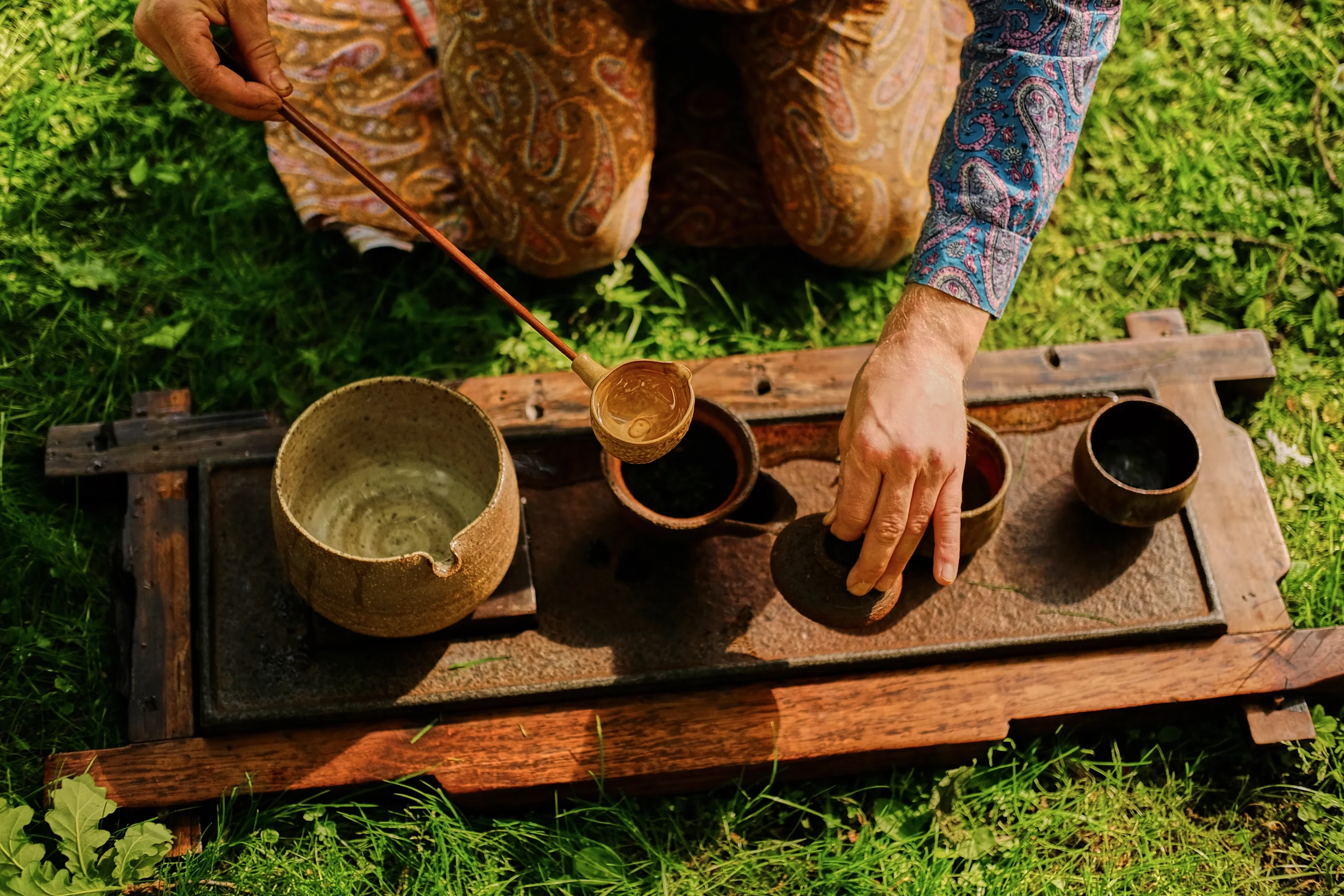
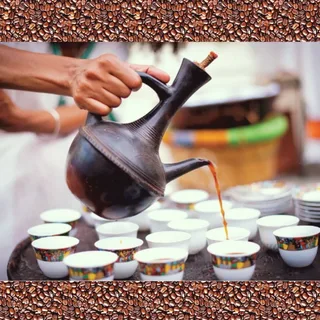
Ethiopia has a long-standing connection with coffee, which is an important part of its hospitality and social gatherings. The traditional Ethiopian coffee ceremony, known as buna, brings people together to roast, grind, brew, and serve coffee while spending time with family, friends, or guests.
At the center of this ceremony is the jebena, a traditional clay coffee pot used to brew and serve coffee in Ethiopia and Eritrea. With its distinctive shape and traditional design, the jebena is an important part of the Ethiopian coffee-making process and the social ritual that surrounds it.
What Is a Jebena?
A jebena is a traditional coffee pot used to brew and serve coffee, especially during the Ethiopian coffee ceremony. It usually has a round or spherical base, a long, narrow neck, a pouring spout, and a handle. Many jebenas also have a lid made from straw or another material. Traditional jebenas are commonly made from clay or ceramic.
The exact shape and design can vary depending on the region and maker. Some may have different proportions, decorations, or lid styles, but they serve the same basic purpose. Beyond being a coffee pot, the jebena also represents hospitality and togetherness, as it plays a central role in traditional gatherings and coffee ceremonies.
The Role of the Jebena in the Ethiopian Coffee Ceremony
The Ethiopian coffee ceremony is a traditional way of preparing and serving coffee that brings people together for conversation, hospitality, and social connection. The process is usually done slowly, giving the host and guests time to spend together. The jebena is at the center of this ceremony and is used to brew the coffee.
The traditional preparation generally follows these steps:
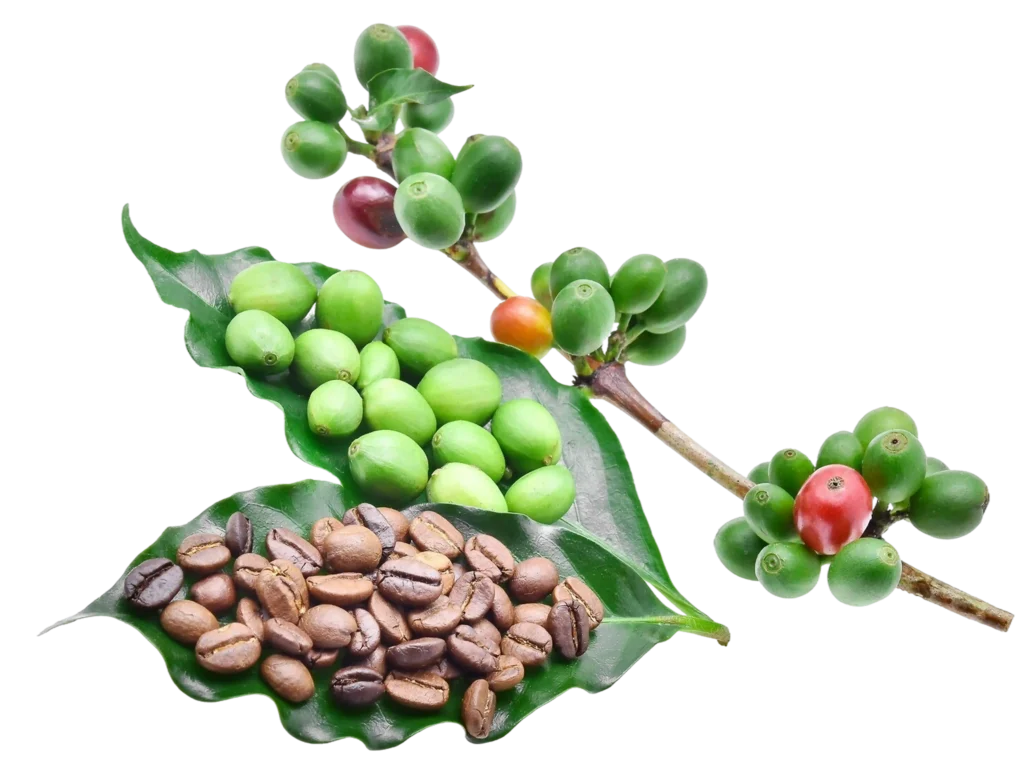
- Green coffee beans are cleaned and roasted, often in a pan over heat.
- The roasted beans are ground, traditionally using a mortar and pestle.
- Fresh water is heated in the jebena.
- The ground coffee is added to the hot water.
- The coffee is allowed to brew slowly in the jebena.
- Once ready, the host carefully pours the coffee into small cups for the guests.
The ceremony can take some time and is often accompanied by conversation and hospitality, making it a social experience as much as a way of preparing Ethiopian coffee.
The Three Rounds of Coffee
The Ethiopian coffee ceremony traditionally includes three rounds of serving, each with its own name and significance:
- Abol: The first round, usually considered the strongest serving.
- Tona: The second round, which is generally milder than Abol.
- Baraka: The third round, traditionally associated with blessings and goodwill.
The strength, preparation, and meaning of these rounds can vary between households and regions. The three servings also give guests more time to sit, talk, and enjoy the ceremony together.
How to Use a Jebena at Home
Using a jebena at home can be simple, but the exact method depends on its material and construction. Traditional clay jebenas may need a heat-resistant stand or suitable surface, while some modern versions may have specific heating requirements. Always check the manufacturer’s instructions before placing a clay or ceramic jebena on a gas or electric stove.
- Rinse the jebena gently before using it.
- Add fresh water to the pot.
- Place it on a suitable heat source and heat the water.
- Prepare freshly roasted and ground coffee.
- Add the ground coffee to the hot water.
- Let the coffee brew, then remove the jebena from the heat and allow the grounds to settle.
- Pour the coffee slowly into small cups.
After use, clean the jebena gently and avoid harsh detergents, especially with traditional clay pots. Allow it to dry properly before storing it.
Why the Jebena Matters Beyond Coffee
The jebena is closely connected with hospitality and welcoming guests in Ethiopian and Eritrean traditions. Coffee ceremonies are often part of family gatherings, celebrations, and everyday social occasions, giving people a chance to sit together, talk, and spend time with one another. Rather than simply serving coffee, the ceremony creates a shared experience around the preparation and serving of each cup.
When people ask, “What is a Jebena?””,” the answer goes beyond its function as a coffee pot. It is a traditional brewing vessel that also holds cultural importance, representing hospitality, togetherness, and the value placed on sharing time with others. Its role in the coffee ceremony has helped make the jebena an enduring part of Ethiopian and Eritrean coffee culture.
Bring the Ethiopian Coffee Experience Home
Interested in trying Ethiopian coffee for yourself? AMG Coffee offers coffee options that can help you explore the distinctive flavours and traditions associated with Ethiopian coffee. Take a look at the collection and find a coffee that suits your taste.
Frequently Asked Questions
What is a Jebena used for?
A jebena is traditionally used to brew and serve coffee during Ethiopian and Eritrean coffee ceremonies. It is designed for the traditional brewing process and is also an important part of the ceremony itself.
What materials are Jebenas made of?
Traditional jebenas are usually made from clay or ceramic. Modern versions, particularly decorative or functional ones made for home use, may also be available in other materials.
Can I use a Jebena on a normal stove?
It depends on the type and construction of the jebena. Some clay or ceramic jebenas may not be suitable for direct heat, so check the manufacturer’s instructions before using one on a gas or electric stove.
Is Ethiopian coffee stronger when brewed in a Jebena?
Not necessarily. The strength of Ethiopian coffee depends mainly on factors such as the coffee-to-water ratio, grind size, roast level, and brewing time. The jebena itself does not automatically make the coffee stronger.
Where can I buy an authentic Jebena?
When looking for an authentic jebena, check the material, construction, shape, and craftsmanship. Traditional handmade clay jebenas can have slight variations that reflect their regional style and maker.