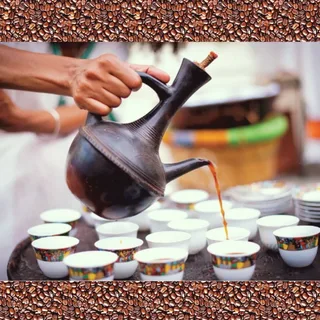

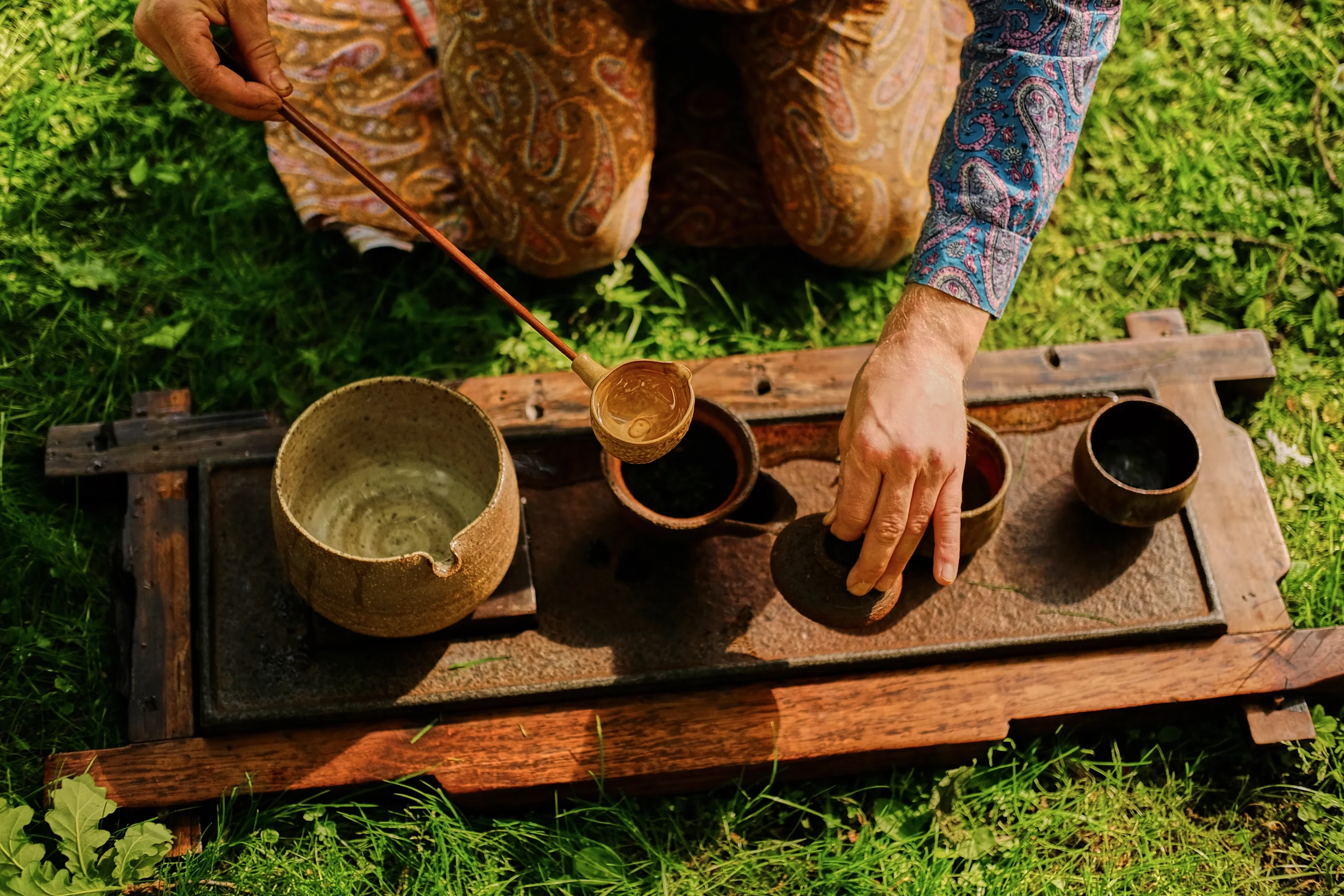
A traditional Ethiopian coffee ceremony can take around an hour or longer, depending on the preparation, number of guests, and pace of the gathering. Unlike everyday coffee preparation, the ceremony includes roasting, grinding, brewing, and serving coffee in front of guests. The three rounds also leave time for conversation and hospitality. Read on to see how each stage adds to the total ceremony time, and what you can expect from the traditional Ethiopian coffee experience.
How Long Is a Traditional Ethiopian Coffee Ceremony
A traditional Ethiopian coffee ceremony can take around one to three hours, depending on the setting and how the ceremony is conducted. A full ceremony involves preparing the coffee from green beans, roasting and grinding them, brewing the coffee, and serving three successive rounds. The number of guests also affects the duration, as the ceremony includes socializing and conversation. Smaller gatherings may finish sooner, while larger gatherings can continue for several hours.
Duration of Each Stage in the Ethiopian Coffee Ceremony
Each individual coffee round takes about 20 to 30 minutes. The longest preparation happens before the first round, as the beans are washed, roasted, ground, and boiled. Between rounds, more water is added to the jebena, and the coffee is reboiled, requiring less preparation than the initial stage.
Preparation and Roasting
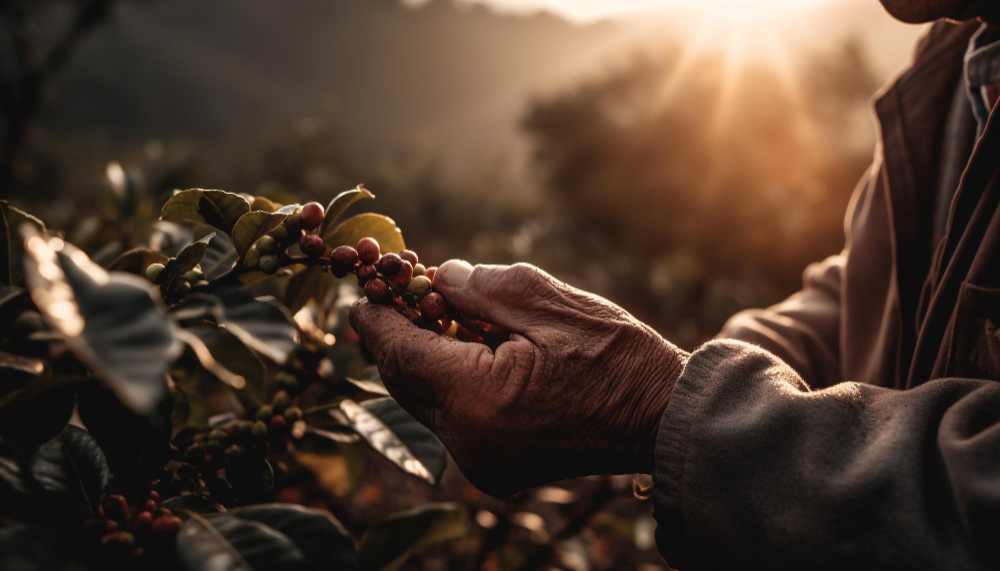
The preparation stage can take around 20 to 45 minutes, depending on the setting and number of guests. The host prepares the space, burns incense, washes and slowly roasts the green coffee beans, allowing guests to experience their aroma before grinding.
Abol: The First Round
The first round, Abol, can take around 10 to 20 minutes, including brewing and serving. The roasted beans are ground and brewed in a traditional jebena, producing the strongest serving while guests begin conversations and enjoy the freshly prepared coffee.
Tona: The Second Round
The second round, Tona, generally takes around 10 to 20 minutes as the coffee is prepared again using additional water. This lighter serving continues the gathering, giving guests more time to socialise and enjoy the ongoing conversation.
Bereka: The Third Round
The final round, Bereka or Baraka, can take around 10 to 20 minutes for rebrewing and serving. This is the lightest round and is traditionally associated with blessing, bringing the three part coffee ceremony to its conclusion.
How Long Does It Take Between Each Ethiopian Coffee Round
The preparation between Ethiopian coffee rounds usually takes around 10 to 20 minutes, although there is no fixed traditional interval. After the first serving, the host adds more water to the coffee grounds in the jebena and brings the mixture back to a boil. This is generally quicker than the initial preparation because the beans have already been roasted and ground. The actual interval also depends on the number of guests and the amount of conversation between servings.
Does an Ethiopian Coffee Ceremony Take Longer With More Guests
Yes. A small Ethiopian coffee ceremony may take around one hour, while a larger gathering can take two hours or longer. The initial roasting and grinding do not necessarily take much longer, but serving more guests requires additional time. Larger groups also tend to spend longer talking between the three rounds, Abol, Tona, and Bereka. For a larger gathering, allowing at least two hours gives enough time for preparation, serving, conversation, and the complete three round experience.
How Long Does a Traditional Ethiopian Coffee Ceremony Take Compared With a Tourist Ceremony
A complete traditional Ethiopian coffee ceremony generally takes around one hour or longer, while a shortened cultural demonstration may take 30 to 60 minutes. A traditional ceremony includes the full roasting, grinding, brewing, three coffee rounds, and social interaction. A tourist focused demonstration may shorten the preparation or present only selected stages to fit a scheduled experience. The actual duration therefore depends on whether guests are attending a complete traditional gathering or a condensed cultural presentation.
Why Does an Ethiopian Coffee Ceremony Take So Long
The preparation of the coffee is an important part of the ceremony itself. Rather than serving coffee that has already been prepared, the host traditionally prepares it in front of the guests. The ceremony includes roasting, grinding, brewing, serving successive rounds, and socialising. Coffee is traditionally boiled three times and served in three phases, which makes the experience much longer than ordinary coffee preparation.
How Much Time Should You Allow for an Ethiopian Coffee Ceremony?
If you are attending or organising a traditional Ethiopian coffee ceremony, allow at least one hour for the experience. This gives enough time for the coffee to be roasted, ground, brewed, and served without rushing. Smaller gatherings may take less time, while larger gatherings can continue longer because of the additional preparation and conversation. Allowing extra time also lets guests experience the traditional preparation and three rounds as part of the complete ceremony.
Ethiopian Coffee Ceremony Etiquette
A few simple etiquette practices can help guests participate respectfully and enjoy the ceremony.
- Inhale and Compliment the Smoke: When the host roasts the green beans, guests may be invited to experience the aroma. Take a moment to appreciate the fragrance and respond positively to the host.
- Let Elders Sit First: If elders or older guests are present, allow them to settle before choosing your place. This reflects the importance given to respect and hospitality.
- Use the Correct Hand: Receive your coffee cup using both hands or your right hand, particularly when following traditional serving customs.
- Let the Host Pour the Coffee: The host traditionally handles the pouring. Allow the coffee to be served rather than reaching for the jebena yourself.
- Accept the Snacks: Popcorn, known as fendisha, or roasted barley, known as kolo, can accompany the coffee. Accepting a small portion is a polite way to participate in the gathering.
- Staying for the Final Round: If possible, staying until the third round, Bereka or Baraka, allows you to experience the ceremony through its traditional conclusion. However, if you need to leave, politely informing the host is more appropriate than feeling obligated to stay.
Can You Leave in the Middle of an Ethiopian Coffee Ceremony
It is generally considered respectful to remain for the full ceremony when possible, especially through the three coffee rounds. The final round, known as Bereka or Baraka, is traditionally associated with blessing. Leaving early can interrupt the social experience and may be viewed as discourteous to the host. If you need to leave for an important reason, it is better to politely inform the host rather than leaving without explanation.
What Should You Ask Before Attending an Ethiopian Coffee Ceremony
- How many rounds will be served? Confirm whether all three, Abol, Tona, and Bereka, are included.
- How long will it take? Ask how much time to allow for preparation, three rounds, and socialising.
- Will coffee be roasted during the ceremony? This confirms whether you will see the traditional preparation.
- What will be served with the coffee? Ask what accompaniments are served, if you have dietary preferences or restrictions.
- Is it a traditional ceremony or cultural demonstration? This helps set expectations.
- Can guests participate? Ask whether you can take part in the preparation or only observe.
When Is an Ethiopian Coffee Ceremony Held
An Ethiopian coffee ceremony is not limited to one particular season or occasion. It is closely connected with Ethiopian hospitality and social gatherings. The Ethiopian Coffee and Tea Authority describes the ceremony as being associated with get togethers, celebrations, and mourning. It provides an opportunity for people to gather, share coffee, talk, and spend time together, making it suitable for both everyday social occasions and important community events.
Experiencing the Ethiopian Coffee Ceremony
An Ethiopian coffee ceremony is more than a way to prepare and serve coffee. From roasting the green beans and brewing them in a jebena to sharing Abol, Tona, and Bereka with guests, every stage creates time for conversation and connection. While the exact duration can vary, allowing at least an hour gives you time to experience the ceremony without rushing. Attending a traditional gathering or planning your own, the slow preparation remains an important part of the experience.